Randy Chandler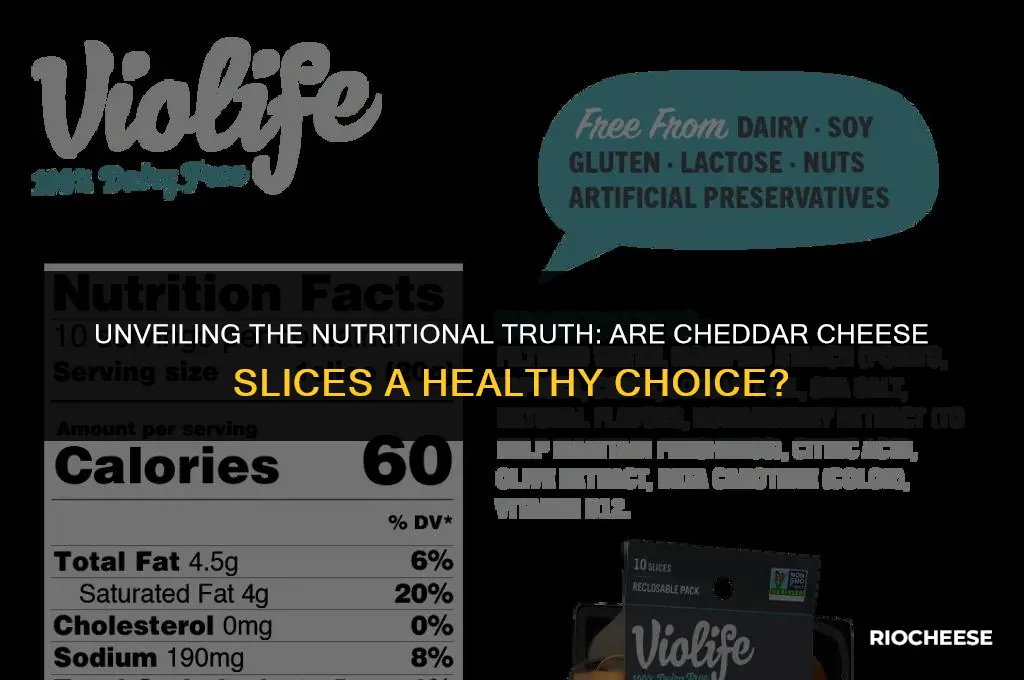
Cheddar cheese slices can be a nutritious addition to a balanced diet, offering a good source of protein, calcium, and vitamins such as B12. However, they are also high in saturated fat and sodium, which should be consumed in moderation to maintain heart health. The health benefits of cheddar cheese slices largely depend on portion control and the overall dietary context in which they are consumed.
Explore related products


What You'll Learn
- Nutritional content: Cheddar cheese slices provide protein, calcium, and vitamins, but also contain saturated fat and sodium
- Serving size: Portion control is key; a single slice is typically around 100 calories
- Comparison to other cheeses: Cheddar cheese slices may be higher in fat and calories compared to some other cheese options
- Potential health benefits: Moderate consumption of cheddar cheese may support bone health and provide antioxidants
- Possible drawbacks: High sodium and saturated fat content could contribute to health issues if consumed excessively

Nutritional content: Cheddar cheese slices provide protein, calcium, and vitamins, but also contain saturated fat and sodium
Cheddar cheese slices are a popular snack and ingredient, but their nutritional content is often overlooked. A single slice of cheddar cheese contains approximately 70 calories, 6 grams of protein, and 5 grams of fat, with 3 grams of that fat being saturated. While protein is essential for muscle growth and repair, and calcium is crucial for bone health, the high levels of saturated fat and sodium in cheddar cheese slices can be a cause for concern.
The American Heart Association recommends limiting saturated fat intake to less than 6% of total daily calories, which means that a single slice of cheddar cheese could account for up to 30% of that limit. Additionally, the sodium content in cheddar cheese slices can be high, with some brands containing up to 300 milligrams per slice. This can contribute to high blood pressure and other health issues when consumed in excess.
However, it's important to note that not all cheddar cheese slices are created equal. Some brands offer reduced-fat or low-sodium options, which can be a healthier alternative. Additionally, pairing cheddar cheese slices with whole-grain crackers or fresh fruits and vegetables can help balance out the nutritional content and provide a more well-rounded snack.
In conclusion, while cheddar cheese slices do provide some nutritional benefits, it's important to consume them in moderation and be mindful of the potential health risks associated with their high saturated fat and sodium content. By making informed choices and pairing cheddar cheese slices with healthier options, it's possible to enjoy this tasty snack as part of a balanced diet.
The Protein Power of Cheddar Cheese: A Nutritional Breakdown
You may want to see also
Explore related products
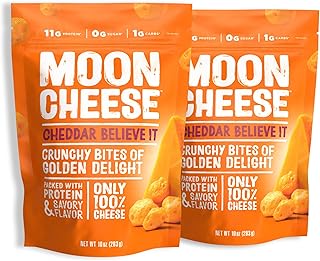


Serving size: Portion control is key; a single slice is typically around 100 calories
Cheddar cheese slices can be a healthy addition to your diet when consumed in moderation. One of the key factors in maintaining a balanced diet is portion control, and this is especially true when it comes to cheese. A single slice of cheddar cheese typically contains around 100 calories, which can add up quickly if you're not careful. To keep your calorie intake in check, it's important to be mindful of your serving size.
When it comes to portion control, it's helpful to use visual cues to guide your intake. For example, a single slice of cheddar cheese is roughly the size of a standard playing card. Using this as a reference, you can easily estimate your portion size without the need for measuring tools. Additionally, it's important to consider the thickness of the slice. Thicker slices will contain more calories, so opt for thinner slices when possible.
Another strategy for maintaining portion control is to pre-portion your cheese slices. This can be done by purchasing pre-sliced cheese or by slicing a block of cheese into individual servings. By doing so, you can avoid the temptation of taking an extra slice or two. It's also helpful to pair your cheese with other healthy foods, such as fruits or vegetables, to create a more balanced snack.
In terms of nutritional value, cheddar cheese is a good source of protein, calcium, and vitamins A and B12. However, it's also high in saturated fat and sodium, which can be detrimental to your health if consumed in excess. To maximize the health benefits of cheddar cheese, it's important to consume it in moderation and as part of a well-balanced diet.
In conclusion, portion control is key when it comes to enjoying cheddar cheese slices as part of a healthy diet. By being mindful of your serving size and incorporating other healthy foods into your meals and snacks, you can enjoy the nutritional benefits of cheddar cheese without overdoing it on calories.
Navigating Dairy with Kidney Disease: Is Cheddar Cheese Safe?
You may want to see also
Explore related products


Comparison to other cheeses: Cheddar cheese slices may be higher in fat and calories compared to some other cheese options
Cheddar cheese slices, while a popular choice for their rich flavor and convenience, may not be the healthiest option when compared to other cheeses. One key factor to consider is the fat content. Cheddar cheese slices typically contain higher levels of saturated fat compared to cheeses like part-skim mozzarella or reduced-fat Swiss. This can be a concern for individuals monitoring their fat intake, as excessive consumption of saturated fats has been linked to increased cholesterol levels and heart disease risk.
In addition to fat content, calorie count is another important aspect to evaluate. Cheddar cheese slices are often higher in calories than other cheese varieties. For example, a single slice of cheddar cheese can range from 60 to 100 calories, depending on the brand and thickness. In contrast, a slice of reduced-fat cheddar or a wedge of Brie may contain fewer calories, making them a more suitable choice for those watching their caloric intake.
When comparing cheddar cheese slices to other options, it's also worth noting the sodium content. Cheddar cheese slices can be relatively high in sodium, which may be a concern for individuals with hypertension or those on a low-sodium diet. Cheeses like feta or goat cheese tend to have lower sodium levels, offering a healthier alternative for those looking to reduce their sodium consumption.
However, it's important to remember that cheese can still be a part of a balanced diet when consumed in moderation. Cheddar cheese slices do provide some nutritional benefits, such as protein and calcium. The key is to be mindful of portion sizes and to choose lower-fat and lower-calorie options when possible. Additionally, pairing cheese with healthier accompaniments, like whole-grain crackers or fresh fruits, can help balance out the overall nutritional profile of a snack or meal.
In conclusion, while cheddar cheese slices may be higher in fat and calories compared to some other cheese options, they can still be enjoyed as part of a healthy diet when consumed in moderation and balanced with other nutritious foods. It's essential to consider individual dietary needs and preferences when making cheese selections, and to choose options that align with overall health goals.
Unraveling the Dairy Dilemma: Cheddar Cheese vs. Butter
You may want to see also
Explore related products



Potential health benefits: Moderate consumption of cheddar cheese may support bone health and provide antioxidants
Cheddar cheese, a popular dairy product, has long been a staple in many diets around the world. While it is often enjoyed for its rich flavor and versatility in cooking, recent studies have suggested that moderate consumption of cheddar cheese may offer several health benefits. One of the key advantages is its potential to support bone health. Cheddar cheese is a good source of calcium, a mineral essential for maintaining strong bones and teeth. As we age, our bones can become more fragile and susceptible to conditions such as osteoporosis. Incorporating calcium-rich foods like cheddar cheese into our diet can help mitigate this risk and promote overall bone health.
In addition to its bone-boosting properties, cheddar cheese is also believed to provide antioxidants. Antioxidants are substances that help protect our cells from damage caused by free radicals, which are unstable molecules that can contribute to chronic diseases and aging. Some studies have shown that cheddar cheese contains antioxidants such as carotenoids and flavonoids, which may help reduce inflammation and lower the risk of certain diseases. For example, a study published in the Journal of Nutrition found that consuming cheddar cheese daily for six weeks led to a significant increase in the levels of antioxidants in the blood.
However, it is important to note that moderation is key when it comes to consuming cheddar cheese. While it does offer some health benefits, it is also high in calories, fat, and sodium. Excessive consumption can lead to weight gain and increase the risk of heart disease and high blood pressure. The American Heart Association recommends limiting daily cheese intake to no more than one ounce for individuals watching their sodium and saturated fat intake.
In conclusion, moderate consumption of cheddar cheese can be a healthy addition to a balanced diet, offering benefits such as improved bone health and antioxidant protection. However, it is crucial to enjoy it in moderation and be mindful of its calorie, fat, and sodium content. By incorporating cheddar cheese into our diet in a responsible way, we can reap its health benefits while minimizing potential risks.
Exploring the Origins: Is Cheddar Cheese Plant-Based?
You may want to see also
Explore related products


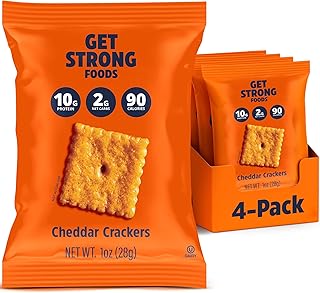


Possible drawbacks: High sodium and saturated fat content could contribute to health issues if consumed excessively
While cheddar cheese slices can be a convenient and tasty snack, it's important to consider the potential health drawbacks associated with their high sodium and saturated fat content. Consuming excessive amounts of sodium can lead to hypertension, also known as high blood pressure, which is a major risk factor for heart disease and stroke. The American Heart Association recommends limiting daily sodium intake to less than 2,300 milligrams, and ideally no more than 1,500 milligrams for most adults. A single slice of cheddar cheese can contain anywhere from 100 to 300 milligrams of sodium, depending on the brand and type, which can quickly add up if consumed in large quantities.
In addition to sodium, cheddar cheese slices are also high in saturated fat, which has been linked to increased levels of LDL cholesterol, the "bad" cholesterol that can contribute to heart disease. The American Heart Association recommends limiting daily saturated fat intake to no more than 5-6% of total daily calories. A single slice of cheddar cheese can contain around 5-7 grams of saturated fat, which is roughly 25-35% of the recommended daily limit for a 2,000 calorie diet.
It's also worth noting that many cheddar cheese slices are processed and may contain artificial preservatives, colors, and flavors. These additives can contribute to inflammation and other health issues when consumed in excess. Furthermore, the processing of cheese slices can also reduce the nutrient content compared to whole, unprocessed cheese. For example, processed cheese slices may contain lower levels of beneficial nutrients like calcium, protein, and vitamins A and B12.
To minimize the potential health risks associated with cheddar cheese slices, it's important to consume them in moderation and balance them with a diet rich in whole, nutrient-dense foods. Consider pairing cheese slices with fruits, vegetables, or whole grains to increase the nutritional value of your snack. You can also look for lower-sodium and lower-fat cheese options, or choose to eat smaller portions of full-fat, full-sodium cheese.
In conclusion, while cheddar cheese slices can be a tasty and convenient snack, their high sodium and saturated fat content, as well as potential additives, can contribute to health issues if consumed excessively. By being mindful of portion sizes and balancing cheese slices with a healthy diet, you can enjoy this snack in a more health-conscious way.
The Truth About Cheddar: Is It a Processed Food?
You may want to see also
Frequently asked questions
Cheddar cheese slices can be part of a healthy diet when consumed in moderation. They provide protein, calcium, and vitamins, but are also high in fat and sodium.
Cheddar cheese slices are a good source of protein, calcium, vitamin A, and vitamin B12. They also contain some zinc and phosphorus.
The fat content in cheddar cheese slices varies depending on the type and brand, but on average, they contain about 9-11 grams of fat per slice.
Yes, cheddar cheese slices can be high in sodium. A typical slice may contain around 150-200 milligrams of sodium, which is about 6-8% of the daily recommended intake.
You can include cheddar cheese slices in a weight loss diet, but it's important to watch portion sizes due to their high fat and calorie content. Opt for reduced-fat or low-sodium varieties when possible.