Patrick Oconnell
When it comes to choosing between cheddar cheese and American cheese, the question of which is healthier often arises. Both types of cheese can be part of a balanced diet, but they have different nutritional profiles that might make one a better choice for certain individuals depending on their dietary needs and preferences. Cheddar cheese, for instance, is known for its higher protein content and lower levels of lactose compared to American cheese. On the other hand, American cheese typically has a milder flavor and a creamier texture, which can be appealing to those who prefer a less intense cheese taste. Additionally, American cheese often contains added vitamins and minerals, such as vitamin A and calcium, which can contribute to a more fortified diet. Ultimately, the healthier choice between cheddar and American cheese depends on factors like calorie intake, fat content, and individual nutritional requirements.
Explore related products


What You'll Learn
- Nutritional Comparison: Examine the vitamins, minerals, and macronutrients in both cheeses to determine their health benefits
- Fat Content Analysis: Compare the saturated and trans fat levels, as these can impact heart health and cholesterol levels
- Calorie Count: Assess the caloric density of each cheese, considering portion sizes and overall dietary needs
- Protein and Calcium: Evaluate the protein and calcium content, essential for muscle and bone health
- Additives and Processing: Investigate any additives or processing methods that might affect the healthiness of the cheeses

Nutritional Comparison: Examine the vitamins, minerals, and macronutrients in both cheeses to determine their health benefits
Cheddar cheese and American cheese, while both popular dairy products, offer distinct nutritional profiles that can impact their health benefits. To determine which cheese is healthier, it's essential to compare their vitamin, mineral, and macronutrient content.
Cheddar cheese is known for its rich flavor and firm texture. It is an excellent source of protein, calcium, and vitamins A and B12. Additionally, cheddar contains conjugated linoleic acid (CLA), a type of fatty acid that may have anti-inflammatory properties. However, it is also relatively high in saturated fat and calories, which can be a concern for those monitoring their weight or heart health.
American cheese, on the other hand, is a processed cheese product that is often lower in fat and calories compared to cheddar. It is still a good source of protein and calcium, but its vitamin content is generally lower. American cheese does contain some vitamins A and B12, but not as much as cheddar. One advantage of American cheese is its lower sodium content, which can be beneficial for those with high blood pressure or on a sodium-restricted diet.
When comparing the two cheeses, it's clear that cheddar offers more in terms of vitamins and minerals, particularly vitamin A and B12, as well as CLA. However, American cheese may be a better choice for those looking to reduce their fat and calorie intake or manage their sodium levels.
In conclusion, the health benefits of cheddar cheese and American cheese depend on individual dietary needs and preferences. Cheddar is a more nutrient-dense option, but American cheese can be a healthier choice for those with specific dietary restrictions.
Managing Diabetes: The Surprising Truth About Cheddar Cheese
You may want to see also
Explore related products


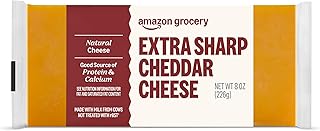

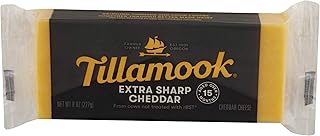
Fat Content Analysis: Compare the saturated and trans fat levels, as these can impact heart health and cholesterol levels
Cheddar cheese and American cheese have distinct differences in their fat content, particularly in terms of saturated and trans fats, which are crucial for heart health and cholesterol management. Saturated fats are commonly found in animal products and can increase LDL (bad) cholesterol levels when consumed in excess. Trans fats, on the other hand, are artificially created through the hydrogenation process and are known to have a more detrimental effect on heart health by increasing LDL cholesterol and decreasing HDL (good) cholesterol.
Analyzing the fat content of these cheeses reveals that cheddar cheese generally contains higher levels of saturated fats compared to American cheese. A one-ounce serving of cheddar cheese can contain around 6-7 grams of saturated fats, while American cheese typically has about 3-4 grams per serving. This difference is significant for individuals monitoring their saturated fat intake to manage cholesterol levels or reduce the risk of cardiovascular diseases.
In terms of trans fats, American cheese often contains trace amounts due to the hydrogenation process used in its production. Cheddar cheese, being a more natural product, usually does not contain trans fats. However, it is essential to check the labels of both types of cheese, as some brands may use hydrogenated oils in their processing.
When considering the impact on heart health, the higher saturated fat content in cheddar cheese may be a concern for some individuals. However, it is also important to note that cheddar cheese offers other nutritional benefits, such as higher protein and calcium content compared to American cheese. American cheese, while lower in saturated fats, may contain additives and preservatives that some consumers prefer to avoid.
In conclusion, the choice between cheddar and American cheese in terms of fat content and heart health depends on individual dietary needs and preferences. Those focusing on reducing saturated fat intake may opt for American cheese in moderation, while others may choose cheddar cheese for its additional nutritional benefits and avoid trans fats by selecting natural, unprocessed varieties.
Feline Nutrition: The Truth About Cheddar Cheese for Cats
You may want to see also
Explore related products


Calorie Count: Assess the caloric density of each cheese, considering portion sizes and overall dietary needs
Analyzing the caloric density of cheddar and American cheese reveals significant differences that can impact dietary choices. Cheddar cheese, for instance, is denser in calories due to its higher fat content. A single ounce of cheddar cheese can contain approximately 115 calories, making it a more calorie-dense option compared to American cheese.
American cheese, on the other hand, is often lower in calories due to its lower fat content and higher moisture levels. An ounce of American cheese typically contains around 85 calories. This difference in caloric density can be crucial for individuals monitoring their calorie intake, such as those on a weight loss or maintenance diet.
When considering portion sizes, it's essential to note that the standard serving size for cheese is about one ounce. However, many people may consume larger portions, especially when snacking or adding cheese to meals. Being mindful of portion sizes is key to managing calorie intake effectively.
In terms of overall dietary needs, the choice between cheddar and American cheese may depend on individual goals and preferences. For those looking to reduce calorie intake while still enjoying cheese, American cheese might be a better option. Conversely, individuals seeking a more satiating and flavorful cheese experience may opt for cheddar, despite its higher calorie content.
Ultimately, the decision between cheddar and American cheese should be made based on a balance of nutritional factors, personal taste preferences, and dietary goals. By understanding the caloric density of each cheese type and considering portion sizes, individuals can make informed choices that align with their overall health objectives.
Keto-Friendly or Not: The Cheddar Cheese Dilemma Explained
You may want to see also
Explore related products


Protein and Calcium: Evaluate the protein and calcium content, essential for muscle and bone health
Cheddar cheese is a rich source of protein, containing approximately 7 grams per ounce, which is essential for muscle repair and growth. It also provides a substantial amount of calcium, with about 20% of the daily recommended value per ounce. This makes cheddar cheese a beneficial choice for individuals looking to support their muscle and bone health.
American cheese, on the other hand, is a processed cheese product that typically contains less protein and calcium than cheddar cheese. While it does provide some protein, the amount is generally lower than that found in cheddar cheese. Additionally, the calcium content in American cheese is often reduced due to the processing methods used.
When evaluating the protein and calcium content of these two types of cheese, it is clear that cheddar cheese is the healthier option. Not only does it contain more protein and calcium, but it also has fewer additives and preservatives compared to American cheese.
To maximize the health benefits of cheese consumption, it is recommended to choose whole, unprocessed cheeses like cheddar. These cheeses provide a more natural source of protein and calcium, as well as other essential nutrients. When incorporating cheese into a balanced diet, it is important to consider portion sizes and overall dietary needs.
In conclusion, cheddar cheese is a healthier choice than American cheese when it comes to protein and calcium content. By opting for whole, unprocessed cheeses, individuals can support their muscle and bone health while also enjoying the rich flavors and textures that cheese has to offer.
Cheddar Cheese Consumption During Pregnancy: What You Need to Know
You may want to see also
Explore related products


Additives and Processing: Investigate any additives or processing methods that might affect the healthiness of the cheeses
Cheddar and American cheeses undergo various processing methods and may contain different additives, which can significantly impact their nutritional value and health implications. One key difference lies in the production process: cheddar cheese is typically aged for several months, allowing it to develop a sharper flavor and firmer texture, while American cheese is often processed to achieve a milder taste and smoother consistency.
During the aging process, cheddar cheese may develop beneficial compounds such as conjugated linoleic acid (CLA), which has been linked to potential health benefits, including improved immune function and reduced body fat. However, this process also leads to a higher concentration of saturated fats, which should be consumed in moderation to maintain heart health.
American cheese, on the other hand, often contains additives like emulsifiers and preservatives to enhance its shelf life and texture. These additives, such as sodium phosphate and carrageenan, may have adverse effects on gut health and contribute to inflammation in the body. Additionally, American cheese is frequently made from a blend of cheeses and may contain higher levels of sodium and artificial coloring agents.
When evaluating the healthiness of these cheeses, it's essential to consider the overall dietary context. Both cheddar and American cheeses can be part of a balanced diet when consumed in moderation. However, individuals with specific health concerns, such as high blood pressure or heart disease, may need to limit their intake of these cheeses due to their sodium and saturated fat content.
In conclusion, while both cheddar and American cheeses have their unique processing methods and additives, it's crucial to focus on the broader dietary picture and make informed choices based on individual health needs and preferences. Opting for whole, minimally processed foods whenever possible can contribute to a healthier lifestyle.
Cheddar Cheese on Carnivore Diet: A Nutritional Analysis
You may want to see also
Frequently asked questions
When comparing cheddar cheese and American cheese, it's important to consider their nutritional profiles. Cheddar cheese generally has more calories and fat than American cheese, but it also offers more protein and calcium. American cheese, on the other hand, is lower in calories and fat but contains less protein and calcium. Additionally, American cheese often contains additives and preservatives, while cheddar cheese is typically made with fewer ingredients. Ultimately, the healthier choice depends on your dietary needs and preferences. If you're looking to reduce your calorie and fat intake, American cheese might be a better option. However, if you're seeking more protein and calcium, cheddar cheese could be the healthier choice.
The main nutritional differences between cheddar cheese and American cheese lie in their calorie, fat, protein, and calcium content. Cheddar cheese has more calories and fat, but it also provides more protein and calcium. American cheese is lower in calories and fat but contains less protein and calcium. Additionally, American cheese often has more sodium and additives compared to cheddar cheese.
Cheddar cheese is typically made from milk, salt, and enzymes, while American cheese often contains a blend of cheeses, milk, whey, milkfat, and various additives such as emulsifiers, preservatives, and flavorings. The simpler ingredient list of cheddar cheese makes it a more natural option, while American cheese's additives can contribute to its lower calorie and fat content.
For weight loss, American cheese might be a better choice due to its lower calorie and fat content. However, it's essential to consider the overall nutritional value and your dietary needs. Cheddar cheese offers more protein and calcium, which can be beneficial for maintaining muscle mass and bone health during weight loss. Ultimately, moderation and balance are key when incorporating cheese into a weight loss diet.