Patrick Oconnell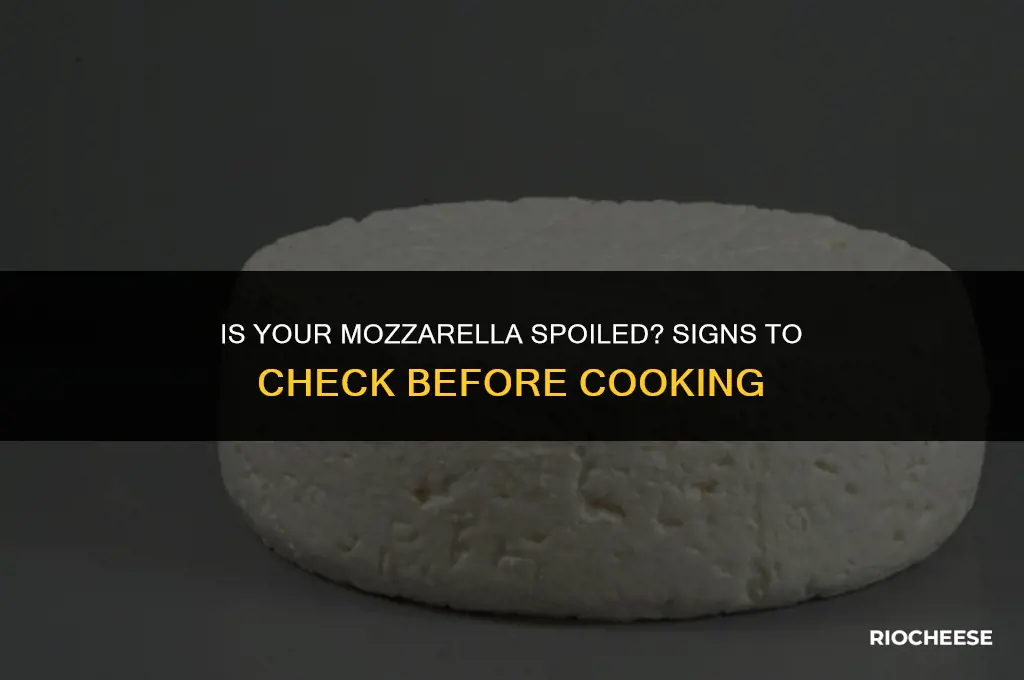
Mozzarella cheese, beloved for its creamy texture and mild flavor, is a staple in many cuisines around the world. However, like all dairy products, it has a limited shelf life and can spoil if not stored properly. Knowing how to tell if mozzarella cheese is bad is crucial for ensuring food safety and maintaining the quality of your meals. In this guide, we'll explore the key signs to look out for, including changes in appearance, texture, and smell, as well as provide tips on how to store mozzarella cheese to extend its freshness.
Explore related products


What You'll Learn
- Odor: Check for a strong, unpleasant smell indicating spoilage. Fresh mozzarella should have a mild, milky aroma
- Appearance: Look for discoloration, mold, or sliminess on the surface. Fresh mozzarella should be white and smooth
- Texture: Feel for any signs of sliminess or excessive moisture. Fresh mozzarella should be firm yet slightly yielding
- Expiration Date: Verify the expiration date on the packaging. Consuming cheese past this date can be risky
- Taste: If unsure, taste a small amount. Spoiled mozzarella may have a sour or bitter flavor

Odor: Check for a strong, unpleasant smell indicating spoilage. Fresh mozzarella should have a mild, milky aroma
Mozzarella cheese, when fresh, exudes a delicate, milky aroma that is both subtle and inviting. As it begins to spoil, however, this gentle scent transforms into a strong, pungent odor that is unmistakable. This unpleasant smell is often the first indicator that the cheese has gone bad, making it a crucial sensory cue for consumers.
The spoilage odor in mozzarella is typically caused by the growth of bacteria such as Pseudomonas aeruginosa or Clostridium difficile. These bacteria produce volatile organic compounds (VOCs) that give off a sharp, ammonia-like smell. In some cases, the odor may also be accompanied by a slimy texture and discoloration, further signaling that the cheese is no longer safe to eat.
To determine if mozzarella cheese has gone bad based on its odor, follow these steps:
- Unwrap the cheese: Remove the cheese from its packaging to allow for a more accurate assessment of its smell.
- Sniff the cheese: Gently sniff the cheese, paying attention to any strong or unusual odors.
- Compare to fresh cheese: Recall the mild, milky aroma of fresh mozzarella and compare it to the smell of the cheese in question.
- Check for other signs: If the odor is off, inspect the cheese for any visible signs of spoilage, such as mold, sliminess, or discoloration.
It is important to note that the odor test is not foolproof, as some cheeses may develop a strong smell even before they are fully spoiled. Therefore, it is always advisable to combine the odor test with other sensory evaluations, such as texture and appearance, to make a more informed decision about the cheese's freshness.
In conclusion, the odor of mozzarella cheese is a valuable indicator of its spoilage status. By paying close attention to the smell and following the steps outlined above, consumers can effectively determine if their mozzarella cheese has gone bad and take appropriate action to ensure their food safety.
The Shelf Life of American Cheese: Does It Go Bad?
You may want to see also
Explore related products


Appearance: Look for discoloration, mold, or sliminess on the surface. Fresh mozzarella should be white and smooth
Fresh mozzarella cheese should have a pristine white color and a smooth, slightly glossy surface. Any deviation from this appearance could indicate spoilage. Discoloration, such as yellow or brown spots, is a common sign that the cheese is past its prime. Mold, which can appear as green, blue, or black patches, is another clear indicator of bad mozzarella. Sliminess or a wet, sticky texture on the surface of the cheese is also a red flag, as fresh mozzarella should be firm and dry to the touch.
When examining mozzarella for these signs, it's important to do so under good lighting to ensure that you can see any subtle changes in color or texture. If the cheese is stored in a container, remove it to get a better view of its surface. Additionally, gently pressing the cheese can help reveal any hidden signs of spoilage, such as a soft or mushy spot that might not be immediately visible.
It's worth noting that some types of mozzarella, such as buffalo mozzarella, may have a slightly different appearance compared to cow's milk mozzarella. Buffalo mozzarella often has a more delicate, almost translucent quality and can be more prone to developing a slimy texture when overripe. Therefore, it's important to be familiar with the specific characteristics of the type of mozzarella you are inspecting.
In summary, the key to determining if mozzarella cheese is bad based on its appearance is to look for any discoloration, mold, or sliminess on the surface. Fresh mozzarella should be white and smooth, and any significant deviation from this appearance suggests that the cheese may be spoiled and should not be consumed.
The Shelf Life of Brie: Signs Your Cheese Has Gone Bad
You may want to see also
Explore related products


Texture: Feel for any signs of sliminess or excessive moisture. Fresh mozzarella should be firm yet slightly yielding
Fresh mozzarella cheese should have a distinct texture that is both firm and slightly yielding. When you gently press it, the cheese should give a little but still maintain its shape. If the mozzarella feels slimy or overly moist, it's a sign that it may have started to spoil. This sliminess is often caused by the growth of bacteria or mold, which can occur when the cheese is not stored properly or has been left out for too long.
To check for sliminess, carefully pick up the mozzarella and feel its surface. If it feels wet or slick, it's likely that the cheese is no longer fresh. Additionally, if the mozzarella has a strong, unpleasant odor, this is another indicator that it has gone bad. Fresh mozzarella should have a mild, slightly salty smell.
It's important to note that the texture of mozzarella can vary depending on its type. For example, buffalo mozzarella tends to be softer and more delicate than cow's milk mozzarella. However, regardless of the type, the cheese should never feel slimy or excessively moist.
If you're unsure whether the mozzarella is still good, it's better to err on the side of caution and discard it. Consuming spoiled cheese can lead to foodborne illnesses, which can be unpleasant and potentially dangerous. Always store mozzarella in the refrigerator and consume it within a few days of purchase to ensure its freshness and safety.
The Ultimate Guide to Checking Cheese Freshness: Tips and Tricks
You may want to see also
Explore related products


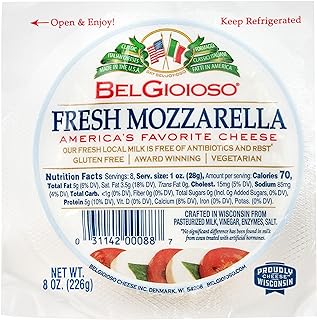


Expiration Date: Verify the expiration date on the packaging. Consuming cheese past this date can be risky
The expiration date on the packaging of mozzarella cheese is a critical indicator of its freshness and safety. It is essential to verify this date before consuming the cheese, as eating it past the expiration date can pose health risks. The expiration date is typically printed on the label in a clear and easily readable format, often accompanied by the phrase "Best By" or "Use By." It is important to note that the expiration date is not the same as the "Sell By" date, which is used by retailers to manage inventory and may not necessarily reflect the safety of the product.
When checking the expiration date, it is crucial to look for any signs of tampering or damage to the packaging. If the packaging appears to have been opened or compromised in any way, it is best to err on the side of caution and discard the cheese, even if the expiration date has not passed. Additionally, it is important to store the cheese properly to ensure that it remains fresh and safe to eat until the expiration date. Mozzarella cheese should be stored in the refrigerator at a temperature of 40°F (4°C) or below, and it should be kept in its original packaging or in an airtight container to prevent contamination.
Consuming cheese past its expiration date can lead to foodborne illnesses, which can range from mild to severe. Symptoms of food poisoning can include nausea, vomiting, diarrhea, abdominal cramps, and fever. In severe cases, foodborne illnesses can lead to hospitalization or even death. Therefore, it is crucial to always check the expiration date and to discard any cheese that is past this date or that shows signs of spoilage, such as mold, sliminess, or an off odor.
In conclusion, verifying the expiration date on the packaging of mozzarella cheese is a simple yet effective way to ensure that the cheese is safe to eat. By following this guideline and properly storing the cheese, consumers can minimize the risk of foodborne illnesses and enjoy their mozzarella cheese with confidence.
Is Your Provolone Past Its Prime? Signs to Check
You may want to see also
Explore related products


Taste: If unsure, taste a small amount. Spoiled mozzarella may have a sour or bitter flavor
When evaluating the freshness of mozzarella cheese, taste can be a decisive factor. If you're uncertain about the cheese's quality, a small taste test can provide immediate insight. Fresh mozzarella should have a mild, slightly salty flavor with a creamy texture. In contrast, spoiled mozzarella may exhibit a sour or bitter taste, which is a clear indication that the cheese has gone bad.
To conduct a taste test, start by cutting off a small, inconspicuous piece of the cheese. This will allow you to sample the cheese without affecting the appearance of the main portion. Next, chew the cheese slowly and pay close attention to the flavors that emerge. Fresh mozzarella should have a clean, delicate taste that is neither overpowering nor unpleasant. If you detect any off-flavors, such as sourness or bitterness, it's likely that the cheese has spoiled.
It's important to note that the taste test should be used in conjunction with other sensory evaluations, such as smell and appearance. A comprehensive approach will provide a more accurate assessment of the cheese's freshness. Additionally, if you're unsure about the cheese's quality, it's always better to err on the side of caution and discard it. Consuming spoiled cheese can pose health risks, including foodborne illnesses.
In summary, tasting a small amount of mozzarella cheese can be an effective way to determine its freshness. Spoiled mozzarella will often have a sour or bitter flavor, which is a clear sign that the cheese should be discarded. By combining the taste test with other sensory evaluations, you can make a more informed decision about the quality of the cheese.
Decoding Parmesan's Shelf Life: Signs Your Cheese Has Gone Bad
You may want to see also
Frequently asked questions
There are several signs to look for when determining if mozzarella cheese has gone bad. These include an off or sour smell, a slimy or moldy appearance, and a change in color to yellow or brown. Additionally, if the cheese has been stored for longer than two weeks, it's best to err on the side of caution and discard it.
If you suspect your mozzarella cheese is bad, it's best to discard it immediately. Consuming spoiled cheese can lead to foodborne illnesses, which can be serious. It's always better to be safe than sorry when it comes to food safety.
It's not recommended to use mozzarella cheese that has a slight off smell. Even a mild off odor can indicate that the cheese has begun to spoil and may not be safe to consume. It's best to discard the cheese and purchase a fresh package.
To properly store mozzarella cheese, it should be kept in the refrigerator in a sealed container or wrapped tightly in plastic wrap. It's best to consume the cheese within two weeks of purchase for optimal freshness and safety. If you need to store the cheese for a longer period, you can freeze it in a sealed container or wrapped tightly in plastic wrap and aluminum foil.
Consuming bad mozzarella cheese can lead to foodborne illnesses, which can cause symptoms such as nausea, vomiting, diarrhea, and stomach cramps. In severe cases, foodborne illnesses can lead to hospitalization and even death. It's important to always practice proper food safety and discard any spoiled or questionable food items.