Bushra Griffith
Serving brie cheese with crackers is a delightful way to enjoy this creamy, rich cheese. Brie, with its soft texture and mild flavor, pairs wonderfully with a variety of crackers, making it a popular choice for cheese boards and appetizers. To serve brie cheese with crackers, start by selecting a high-quality brie and allowing it to come to room temperature for about 30 minutes before serving. This ensures the cheese is at its optimal flavor and texture. Next, choose your crackers - options range from simple water crackers to more flavorful varieties like whole grain or herb-infused crackers. Arrange the crackers on a serving platter or cheese board, and place the brie in the center. You can serve the brie whole, allowing guests to slice it themselves, or pre-slice it for easy serving. For an extra touch, consider adding accompaniments like fresh fruit, nuts, or a drizzle of honey to complement the flavors of the brie and crackers.
Explore related products


What You'll Learn
- Selecting the Right Brie: Choose a ripe, creamy brie with a soft rind for the best flavor and texture
- Cracker Pairings: Opt for crackers with a mild flavor and crisp texture to complement the rich brie without overpowering it
- Temperature and Storage: Serve brie at room temperature for optimal creaminess. Store in the fridge, wrapped in wax paper
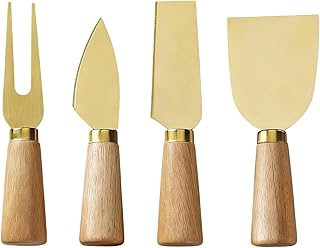
- Cutting and Serving: Cut brie into small, manageable wedges. Use a cheese knife to avoid crumbling
- Enhancing the Experience: Pair with fresh fruits like grapes or apples, and a drizzle of honey for a delightful contrast

Selecting the Right Brie: Choose a ripe, creamy brie with a soft rind for the best flavor and texture
To select the perfect brie for serving with crackers, it's essential to focus on the cheese's ripeness, creaminess, and rind texture. A ripe brie will have a soft, yielding center that's easy to spread, while an overripe brie may be too runny and lack the desired structure. Look for a brie with a creamy white interior and a slight yellowish tint near the rind, indicating it's at the peak of ripeness.
When evaluating the rind, opt for a brie with a soft, pliable rind that's not too firm or rubbery. This will ensure that the cheese spreads smoothly onto crackers without tearing or crumbling. Avoid bries with overly hard or brittle rinds, as these may be difficult to cut and serve.
In terms of flavor, a high-quality brie should have a rich, buttery taste with subtle notes of earthiness and umami. It's important to taste the brie before purchasing, if possible, to ensure it meets your flavor preferences. Some bries may have a stronger, more pungent flavor, while others may be milder and more delicate.
To serve brie with crackers, it's best to bring the cheese to room temperature before slicing. This will allow the brie to soften slightly, making it easier to spread onto crackers. Use a sharp knife to cut the brie into thin wedges, and serve it on a platter with an assortment of crackers, such as water crackers, wheat thins, or artisanal crackers with herbs or spices.
When pairing brie with crackers, consider the flavor profile of both the cheese and the crackers. A mild, buttery brie may pair well with simple, neutral-flavored crackers, while a stronger, more pungent brie may be better suited to crackers with bold flavors, such as rosemary or black pepper. Experiment with different combinations to find the perfect pairing for your taste preferences.
In conclusion, selecting the right brie for serving with crackers involves considering factors such as ripeness, creaminess, rind texture, and flavor. By choosing a high-quality brie and pairing it with complementary crackers, you can create a delicious and elegant appetizer or snack that's sure to impress.
Delight Your Guests: The Art of Serving Fresh Mozzarella Cheese
You may want to see also
Explore related products


Cracker Pairings: Opt for crackers with a mild flavor and crisp texture to complement the rich brie without overpowering it
When selecting crackers to pair with brie cheese, it's essential to consider the flavor profile and texture of both components. Brie cheese is known for its rich, creamy, and slightly tangy taste, which can be complemented by the right type of cracker. Opting for crackers with a mild flavor ensures that they won't overpower the delicate taste of the brie. Additionally, a crisp texture in the crackers provides a satisfying contrast to the soft and spreadable nature of the cheese.
One excellent option for pairing with brie is a classic water cracker. These crackers are typically plain, with a subtle saltiness that enhances the flavor of the cheese without competing with it. Their crisp texture also makes them ideal for holding up to the creamy consistency of brie. Another good choice is a lightly seasoned cracker, such as those with a hint of garlic or onion powder. These flavors can add a subtle complexity to the pairing without overwhelming the brie.
It's important to avoid crackers with strong flavors or overly crunchy textures, as these can clash with the brie and detract from the overall tasting experience. For example, heavily salted or spiced crackers may overpower the cheese, while extremely hard or dense crackers can be difficult to eat with the soft brie.
When serving brie with crackers, consider arranging them on a cheese board or platter. This allows guests to easily select their preferred cracker and portion of brie. You can also add other complementary items to the board, such as fresh fruit, nuts, or a drizzle of honey, to create a well-rounded and visually appealing presentation.
In summary, choosing the right crackers to pair with brie cheese involves balancing flavors and textures. By opting for mild, crisp crackers, you can enhance the taste of the brie without overpowering it, creating a delightful and harmonious pairing that is perfect for any cheese board or gathering.
Elevate Your Dinner Party: The Art of Serving a Cheese Course
You may want to see also
Explore related products


Temperature and Storage: Serve brie at room temperature for optimal creaminess. Store in the fridge, wrapped in wax paper
Brie cheese, renowned for its creamy texture and rich flavor, is best enjoyed at room temperature. This allows the cheese to soften slightly, enhancing its spreadability and taste. When serving brie, it's essential to bring it out of the refrigerator about 30 minutes to an hour beforehand to let it reach the ideal temperature. This process ensures that the cheese's fats have a chance to warm up, contributing to a smoother and more flavorful experience.
Proper storage is crucial to maintaining the quality of brie cheese. After purchasing, it should be stored in the refrigerator to preserve its freshness. The cheese should be wrapped in wax paper, which helps to prevent it from drying out and absorbing odors from other foods in the fridge. It's also advisable to place the wrapped brie in a cheese drawer or a crisper drawer, where the humidity is higher, to further protect its texture and flavor.
When preparing to serve brie, it's important to handle it gently to avoid breaking or crumbling the soft cheese. Using a cheese knife or a butter knife, cut the brie into wedges or slices, depending on your preference. For a more rustic presentation, you can also serve the brie whole and let guests cut their own portions. Pairing brie with crackers, such as water crackers or whole grain crackers, provides a delightful contrast in texture and complements the cheese's rich taste.
To elevate your brie serving experience, consider adding accompaniments such as fresh fruit, nuts, or honey. These additions not only enhance the flavor profile but also add visual appeal to your cheese board. When serving brie with fruit, options like grapes, apples, or figs work particularly well. For nuts, walnuts or pecans are excellent choices, and a drizzle of honey can add a touch of sweetness that balances the savory notes of the cheese.
In summary, serving brie at room temperature and storing it properly in the fridge wrapped in wax paper are key to enjoying its optimal creaminess and flavor. By following these guidelines and adding thoughtful accompaniments, you can create a delightful and memorable cheese-serving experience.
Deliciously Decadent: The Perfect Serving Size for Cheese-Stuffed Pretzel Bites
You may want to see also
Explore related products


Cutting and Serving: Cut brie into small, manageable wedges. Use a cheese knife to avoid crumbling
To cut and serve brie cheese effectively, it's essential to use the right tools and techniques. A cheese knife is the ideal utensil for this task, as its thin, sharp blade allows for clean cuts without crumbling the soft cheese. Begin by placing the brie on a stable cutting board. For a standard round brie, start by cutting it in half, then into quarters, and finally into smaller wedges. Each wedge should be roughly triangular in shape, with the pointy end being the part that was originally the center of the cheese wheel.
When cutting, apply gentle, consistent pressure to avoid squishing the cheese. If the knife encounters resistance, try rocking it back and forth slightly to create a sawing motion. This technique helps to cut through the rind without compressing the delicate interior. After each cut, wipe the knife clean with a damp cloth to prevent the cheese from sticking and to ensure each slice looks neat and appetizing.
Once the brie is cut into wedges, it's ready to be served. Arrange the wedges on a cheese platter or serving dish, leaving a bit of space between each piece to make them easy to pick up. If you're serving the brie with crackers, place the crackers nearby or even create a small stack next to the cheese for a visually appealing presentation.
For an extra touch of elegance, consider garnishing the brie with fresh fruit, such as grapes or sliced apples, or a sprinkle of nuts. These accompaniments not only enhance the visual appeal but also provide complementary flavors and textures that pair well with the creamy brie.
Remember, the key to successfully cutting and serving brie cheese is to use a sharp cheese knife and to handle the cheese gently. By following these steps, you'll be able to present a beautiful and delicious cheese platter that your guests will surely appreciate.
Delicious Pairings: What to Serve with Ham & Cheese Sliders
You may want to see also
Explore related products


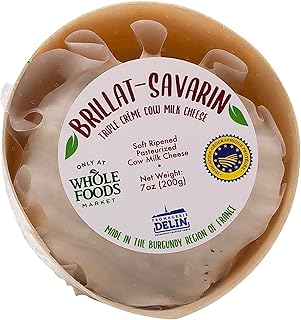


Enhancing the Experience: Pair with fresh fruits like grapes or apples, and a drizzle of honey for a delightful contrast
Brie cheese, with its creamy texture and rich flavor, is a versatile ingredient that can be elevated with the right accompaniments. One way to enhance the experience is by pairing it with fresh fruits like grapes or apples, and a drizzle of honey for a delightful contrast. This combination not only adds a refreshing crunch but also introduces a balance of sweetness and acidity that complements the cheese's savory notes.
To create this pairing, start by selecting a ripe brie cheese with a soft, spreadable consistency. For the crackers, choose a variety that offers a sturdy base without overpowering the cheese, such as water crackers or a mild, whole-grain option. When it comes to the fruit, both grapes and apples work well, but you can also experiment with other seasonal fruits like figs or pears. The key is to select fruits that are fresh and juicy, as they will provide the best contrast to the cheese.
Next, consider the honey. A light drizzle of high-quality honey, such as clover or wildflower, can add a touch of sweetness that enhances the cheese's flavor profile. Be mindful of the amount of honey you use, as a little goes a long way. You can also try different types of honey to find the one that best complements your taste preferences.
When serving, arrange the brie cheese on a platter with the crackers and fruit. You can either drizzle the honey directly over the cheese or provide a small bowl of honey on the side for guests to add their own. This allows for customization and ensures that everyone can enjoy the pairing to their liking.
In conclusion, pairing brie cheese with fresh fruits like grapes or apples, and a drizzle of honey, is a simple yet effective way to enhance the experience. This combination offers a delightful contrast of flavors and textures that is sure to impress your guests. By following these steps and experimenting with different varieties of fruits and honey, you can create a unique and memorable cheese platter that showcases the versatility of brie cheese.
Deliciously Warm Camembert: A Guide to Perfectly Serving This Creamy Delight
You may want to see also
Frequently asked questions
When pairing crackers with brie cheese, it's ideal to choose a cracker that complements the creamy texture and rich flavor of the cheese. Water crackers or thin, crisp varieties work well because they provide a satisfying crunch without overpowering the delicate taste of the brie. For a more gourmet option, consider crackers infused with herbs or spices, such as rosemary or black pepper, to enhance the overall flavor experience.
Brie cheese is best served at room temperature to fully appreciate its creamy texture and nuanced flavors. If the cheese is too cold, it can become firm and lose some of its characteristic creaminess. On the other hand, if it's too warm, it may become overly soft and lose its shape. Therefore, it's recommended to let the brie sit at room temperature for about 30 minutes to an hour before serving to ensure it's at the perfect temperature for optimal enjoyment.
In addition to crackers, brie cheese can be served with a variety of accompaniments to create a well-rounded and delicious cheese board. Some popular options include fresh fruits like grapes, apples, or figs, which provide a sweet contrast to the savory cheese. Nuts such as almonds, walnuts, or pecans also pair well, offering a crunchy texture and complementary flavors. For a more sophisticated touch, consider adding a drizzle of honey or a fruit preserve, like apricot or raspberry, to enhance the overall taste experience.
When cutting brie cheese, it's important to use a sharp knife to ensure clean, even slices. Start by cutting the wheel of brie in half, then slice each half into wedges. For a more elegant presentation, you can arrange the wedges in a circular pattern on a cheese board or platter, with the rind facing outward. This not only looks visually appealing but also makes it easy for guests to pick up and enjoy the cheese. Additionally, you can garnish the brie with fresh herbs or edible flowers for an extra touch of sophistication.