Bushra Griffith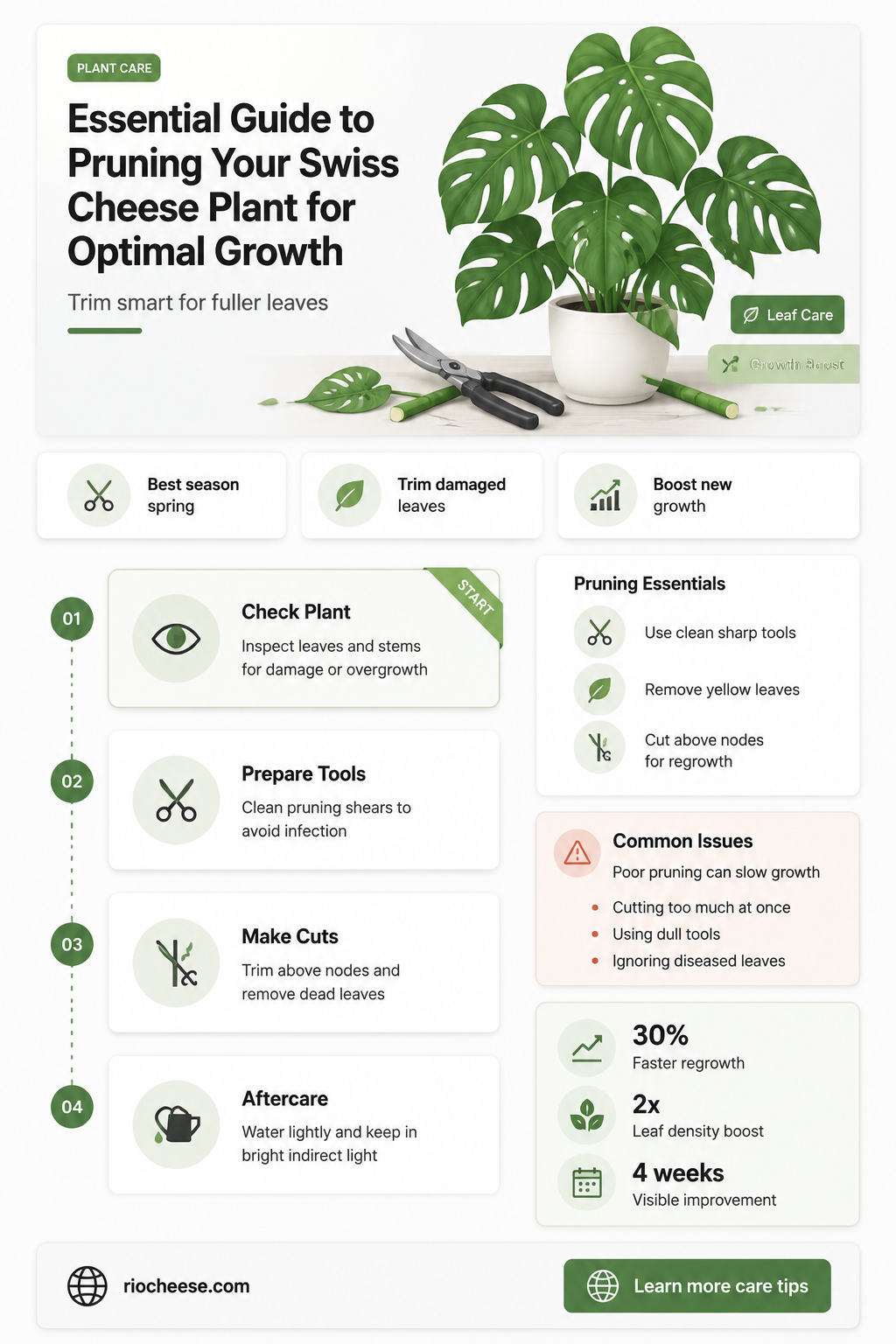
Pruning a Swiss cheese plant, also known as Monstera deliciosa, is an essential part of its care routine. This tropical plant is popular for its large, glossy leaves with distinctive natural holes and splits. To maintain its health and appearance, regular pruning is necessary to remove dead or damaged leaves, encourage new growth, and control its size. In this guide, we'll walk you through the steps on how to properly prune your Swiss cheese plant, ensuring it thrives in your indoor space.
Explore related products


What You'll Learn
- Choosing the Right Time: Prune when the plant is actively growing, typically in spring or early summer
- Removing Dead or Dying Leaves: Cut away any leaves that are brown, yellow, or show signs of decay
- Shaping the Plant: Trim back overgrown stems to maintain the desired shape and encourage bushier growth
- Promoting Air Circulation: Thin out dense foliage to improve airflow and reduce the risk of fungal diseases
- Encouraging New Growth: Prune back leggy stems to stimulate new growth and keep the plant looking full and healthy

Choosing the Right Time: Prune when the plant is actively growing, typically in spring or early summer
Pruning a Swiss cheese plant at the right time is crucial for its health and growth. The optimal period for pruning is during the plant's active growing season, which typically occurs in spring or early summer. This timing ensures that the plant has the energy and resources to heal quickly from the pruning cuts and to put out new growth.
During the active growing season, the Swiss cheese plant is more resilient to the stress of pruning. The increased light and warmer temperatures of spring and early summer also promote faster healing and growth. Pruning at this time allows the plant to focus its energy on developing new leaves and stems, rather than trying to repair damage during a period of dormancy.
It's important to avoid pruning the Swiss cheese plant during the fall or winter months when the plant is dormant. Pruning during this time can shock the plant and may lead to slower healing or even damage to the plant's overall health. Additionally, pruning during the dormant season may not be as effective, as the plant is not actively growing and may not respond as well to the cuts.
When pruning the Swiss cheese plant, it's essential to make clean, precise cuts using sharp pruning shears. This helps to minimize damage to the plant and promotes faster healing. It's also important to remove any dead or damaged leaves and stems, as these can harbor pests and diseases that can harm the plant.
In summary, choosing the right time to prune a Swiss cheese plant is critical for its health and growth. Pruning during the active growing season in spring or early summer ensures that the plant has the energy and resources to heal quickly and put out new growth. Avoiding pruning during the dormant season helps to prevent shocking the plant and promotes overall health.
Exploring the Carb Content in Swiss Cheese: A Nutritional Breakdown
You may want to see also
Explore related products

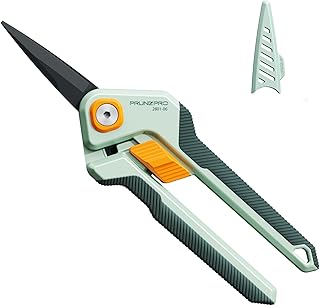
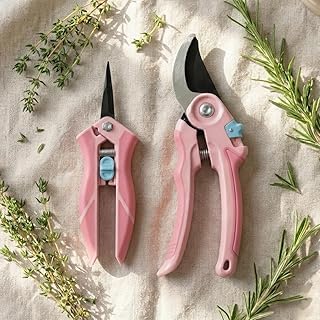


Removing Dead or Dying Leaves: Cut away any leaves that are brown, yellow, or show signs of decay
To maintain the health and appearance of your Swiss cheese plant, it's crucial to regularly remove any dead or dying leaves. These leaves can be identified by their brown or yellow coloration and signs of decay. Begin by inspecting your plant closely, focusing on the older leaves that are more likely to have succumbed to age or environmental stressors. Using a pair of sharp, clean pruning shears, carefully cut away these compromised leaves at their base, ensuring a clean cut to prevent any further damage to the plant.
When pruning, it's important to avoid removing too many leaves at once, as this can stress the plant and hinder its ability to photosynthesize effectively. Instead, aim to remove only the leaves that are clearly dead or dying, leaving the healthy green leaves intact. If you're unsure about the health of a particular leaf, it's better to err on the side of caution and leave it be, as the plant can often recover from minor damage.
In addition to improving the plant's appearance, removing dead or dying leaves can also help prevent the spread of diseases and pests. Diseased leaves can harbor pathogens that can infect other parts of the plant, while dead leaves can provide a breeding ground for pests. By promptly removing these leaves, you can reduce the risk of these issues and promote a healthier growing environment for your Swiss cheese plant.
After pruning, be sure to dispose of the removed leaves properly, either by composting them or sealing them in a plastic bag and discarding them. This will help prevent any potential contamination of your plant or other plants in your garden. Finally, remember to clean your pruning shears thoroughly after use to avoid spreading any pathogens or pests to other plants.
By following these guidelines, you can effectively remove dead or dying leaves from your Swiss cheese plant, promoting its overall health and vitality. Regular pruning will not only improve the plant's appearance but also contribute to its long-term well-being, ensuring that it continues to thrive in your care.
Exploring the Richness of Emmentaler: Switzerland's Iconic Cheese Delight
You may want to see also
Explore related products


Shaping the Plant: Trim back overgrown stems to maintain the desired shape and encourage bushier growth
To shape your Swiss cheese plant and encourage bushier growth, start by identifying the overgrown stems. These are typically the ones that have extended beyond the desired shape of the plant, often reaching out in odd directions or overshadowing other parts of the plant. Once you've identified these stems, use a pair of sharp, clean pruning shears to trim them back. Make your cuts just above a leaf node, which is the point on the stem where a leaf emerges. This will help the plant to grow more compactly and promote the development of new, bushier stems.
When trimming, be careful not to remove too much of the plant at once. Over-pruning can stress the plant and slow down its growth. Instead, aim to remove about 10-20% of the overgrown stems at a time. This will allow the plant to recover quickly and continue growing in a more controlled manner. After pruning, make sure to provide your plant with adequate water and nutrients to support its recovery and new growth.
It's also important to consider the timing of your pruning. The best time to prune a Swiss cheese plant is during the spring or early summer when the plant is actively growing. This will help the plant to heal quickly and take advantage of the growing season to fill out its new shape. Avoid pruning during the fall or winter months when the plant is dormant, as this can slow down its recovery and make it more susceptible to disease.
In addition to regular pruning, you can also shape your Swiss cheese plant by training it to grow in a specific direction. This can be done by gently bending the stems towards the desired direction and securing them in place with plant ties or stakes. Over time, the plant will grow to fill out the shape you've created, resulting in a more aesthetically pleasing and compact plant.
Remember, the key to successful pruning and shaping is patience and consistency. It may take several rounds of pruning and training to achieve the desired shape, but with time and effort, your Swiss cheese plant will become a beautiful and well-maintained addition to your home or garden.
Exploring the Creamy Delight of Baby Swiss Cheese
You may want to see also
Explore related products


Promoting Air Circulation: Thin out dense foliage to improve airflow and reduce the risk of fungal diseases
Pruning a Swiss cheese plant to promote air circulation is a critical step in maintaining its health and preventing fungal diseases. Dense foliage can trap moisture and create an environment conducive to the growth of harmful pathogens. By thinning out the leaves, you allow for better airflow, which helps to dry the plant's surface more quickly and reduce the risk of disease.
To begin, assess the plant's overall structure and identify areas where the foliage is particularly dense. Look for leaves that are overlapping or growing too close together, as these are the most likely to trap moisture. Use clean, sharp pruning shears to remove these leaves, making sure to cut them as close to the stem as possible. Be careful not to damage the stem or any healthy leaves in the process.
When pruning, it's important to maintain the plant's natural shape and balance. Avoid removing too many leaves from one side, as this can cause the plant to become lopsided. Instead, work in sections, removing a few leaves at a time and stepping back to evaluate the plant's appearance. Remember that less is often more when it comes to pruning, so err on the side of caution and remove only what is necessary.
In addition to promoting air circulation, pruning can also help to improve the plant's overall appearance. By removing dead, damaged, or diseased leaves, you can enhance the plant's aesthetic appeal and encourage new growth. Regular pruning can also help to control the plant's size and shape, making it easier to care for and maintain.
To ensure the best results, it's important to follow proper pruning techniques and care for the plant appropriately after pruning. This includes watering the plant thoroughly, providing adequate light, and monitoring for any signs of stress or disease. With proper care and attention, your Swiss cheese plant can thrive and remain healthy for years to come.
The Origins of Swiss Cheese: A Culinary Journey Through Switzerland
You may want to see also
Explore related products


Encouraging New Growth: Prune back leggy stems to stimulate new growth and keep the plant looking full and healthy
Pruning back leggy stems is a crucial step in maintaining the health and appearance of your Swiss cheese plant. Leggy stems not only detract from the plant's aesthetic appeal but can also hinder its overall growth and vitality. By selectively removing these stems, you can encourage the plant to produce new, more compact growth that will result in a fuller, healthier appearance.
To begin the pruning process, carefully examine your Swiss cheese plant and identify the leggy stems that need to be removed. These stems are typically longer and thinner than the rest of the plant's foliage and may be devoid of leaves or have sparse foliage. Once you've identified the leggy stems, use a pair of sharp, clean pruning shears to cut them back to the desired length. Be sure to make your cuts just above a leaf node or a set of leaves to promote healthy regrowth.
It's important to note that pruning should be done sparingly and with care. Over-pruning can stress the plant and lead to further health issues. Aim to remove no more than 10-15% of the plant's foliage at a time, and always provide adequate care and support to help the plant recover from the pruning process.
After pruning, be sure to monitor your Swiss cheese plant closely for signs of new growth. This may take several weeks to a few months, depending on the plant's overall health and growing conditions. During this time, provide the plant with optimal care, including proper watering, fertilization, and lighting, to support healthy regrowth.
In addition to promoting new growth, pruning can also help to prevent the spread of disease and pests. By removing dead or dying foliage, you can reduce the risk of fungal infections and other health issues that can affect your Swiss cheese plant. Regular pruning can also help to improve air circulation around the plant, which can further reduce the risk of disease and promote healthy growth.
In conclusion, pruning back leggy stems is an essential part of maintaining the health and appearance of your Swiss cheese plant. By following these guidelines and providing your plant with optimal care, you can encourage new growth and keep your plant looking full and healthy for years to come.
Exploring the Keto Compatibility of Swiss Cheese: A Nutritional Breakdown
You may want to see also
Frequently asked questions
The best time to prune a Swiss cheese plant is during the spring or early summer when the plant is actively growing. This allows the plant to recover quickly from the pruning and encourages new growth.
Look for leaves that are yellowing, browning, or have holes in them. These are signs that the leaf is unhealthy or damaged and should be removed. Additionally, you can prune any leaves that are growing too close to the stem or are rubbing against each other.
You will need a pair of sharp, clean pruning shears or scissors. Make sure to disinfect your tools before and after pruning to prevent the spread of disease.
When pruning, cut the leaf off at the base of the stem, close to where it attaches to the plant. Be careful not to cut too close to the stem, as this can damage the plant.
After pruning, dispose of the removed leaves in the trash or compost bin. Do not leave them on the ground or near the plant, as this can attract pests and diseases.