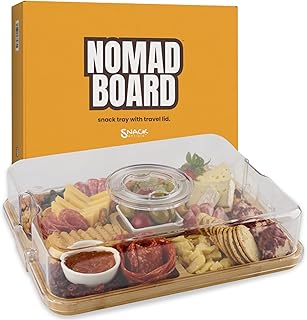
Kamil Perry
Preparing the best cheese tray involves a thoughtful selection of cheeses, accompaniments, and presentation. Start by choosing a variety of cheeses with different textures and flavors, such as a creamy brie, a sharp cheddar, and a tangy goat cheese. Consider the occasion and the preferences of your guests when making your selections. Next, gather complementary items like crackers, bread, fruits, nuts, and spreads to enhance the cheese-tasting experience. For a visually appealing presentation, arrange the cheeses and accompaniments on a large platter or board, grouping similar items together and leaving space for guests to easily access and serve themselves. Add a touch of elegance with garnishes like fresh herbs or edible flowers. Finally, provide small plates, knives, and toothpicks for guests to enjoy the cheese tray comfortably. By following these steps, you'll create a delightful and memorable cheese tray that will impress your guests and elevate any gathering.
| Characteristics | Values |
|---|---|
| Cheese Variety | Include a mix of soft, semi-soft, semi-hard, and hard cheeses for diverse textures and flavors. |
| Crackers and Bread | Offer a selection of crackers (e.g., water crackers, wheat thins) and bread (e.g., baguette slices, whole grain crackers) to complement the cheeses. |
| Fruits | Add fresh fruits like grapes, apples, and pears, as well as dried fruits such as apricots and figs for a sweet contrast. |
| Nuts | Include a variety of nuts like almonds, walnuts, and pistachios for added crunch and flavor. |
| Meats | Consider adding cured meats such as prosciutto, salami, and ham for a savory element. |
| Cheese Tools | Provide cheese knives, spreaders, and a cheese slicer for easy serving. |
| Garnishes | Use herbs like rosemary and thyme, as well as edible flowers for decorative and aromatic purposes. |
| Dips and Spreads | Offer accompaniments like honey, jam, and fruit preserves to enhance the cheese flavors. |
| Beverages | Pair the cheese tray with beverages such as wine, beer, or sparkling water to complete the experience. |
| Presentation | Arrange the items on a visually appealing platter or board, grouping similar items together for easy access. |
| Temperature | Serve cheeses at room temperature for optimal flavor and texture. |
| Portion Sizes | Cut cheeses into bite-sized pieces and provide small plates or napkins for guests to use. |
| Etiquette | Encourage guests to use serving utensils and to sample cheeses from the outer edges inward to prevent mixing flavors. |
| Timing | Prepare the cheese tray in advance, but assemble it just before serving to ensure freshness. |
| Storage | Store leftover cheeses in airtight containers in the refrigerator, ideally within two hours of serving. |
Explore related products






What You'll Learn
- Cheese Selection: Choose a variety of cheeses with different textures and flavors for a balanced tray
- Accompaniments: Pair cheeses with complementary items like crackers, fruits, nuts, and honey for enhanced taste
- Arrangement: Organize the tray aesthetically, grouping similar items together and using small bowls for dips and spreads
- Temperature Control: Serve cheeses at the optimal temperature to bring out their best flavors and textures
- Presentation Tips: Use garnishes and edible flowers to add visual appeal and make the tray inviting

Cheese Selection: Choose a variety of cheeses with different textures and flavors for a balanced tray
Selecting the perfect assortment of cheeses for a tray is an art that requires careful consideration of texture, flavor, and variety. A balanced cheese tray should offer a sensory journey, allowing guests to experience a range of tastes and consistencies. To achieve this, start by choosing a mix of soft, semi-soft, and hard cheeses. Soft cheeses, like Brie or Camembert, provide a creamy, spreadable base, while semi-soft options such as Gouda or Edam add a slightly firmer texture. Hard cheeses, like Cheddar or Parmesan, bring a robust, crumbly element to the tray.
Next, consider the flavor profiles. A good cheese tray should have a balance of mild, medium, and strong flavors. Mild cheeses, such as Mozzarella or Provolone, serve as a gentle introduction, while medium-flavored cheeses like Gruyère or Emmental offer a more pronounced taste. Strong cheeses, such as Blue Cheese or Gorgonzola, provide a bold finish. By alternating between these flavor intensities, you can create a harmonious tasting experience.
Variety is also crucial. Include cheeses from different regions and made from various types of milk to add diversity to your tray. For example, a French Brie made from cow's milk can be complemented by an Italian Parmesan made from sheep's milk. This not only broadens the flavor spectrum but also adds an educational element for your guests, allowing them to learn about the origins and characteristics of each cheese.
When arranging the cheeses, consider both aesthetics and practicality. Place the strongest-flavored cheeses at the end of the tray to prevent their flavors from overpowering the milder options. Similarly, position the softest cheeses in the center to avoid them getting squished by the harder varieties. Garnishing the tray with fresh fruits, nuts, and crackers can enhance the visual appeal and provide palate cleansers between tastings.
Finally, don't forget to include a cheese knife or spreader for each type of cheese, as this will make it easier for guests to serve themselves and enjoy the full range of textures and flavors. By following these guidelines, you can create a cheese tray that is not only visually appealing but also offers a delightful and balanced tasting experience.
Melt-in-Your-Mouth: The Ultimate Cheese for French Onion Soup
You may want to see also
Explore related products


Accompaniments: Pair cheeses with complementary items like crackers, fruits, nuts, and honey for enhanced taste
Pairing cheese with complementary accompaniments is an art that elevates the entire tasting experience. The key is to balance flavors and textures, creating a harmonious blend that enhances each component. For instance, a sharp cheddar pairs beautifully with the sweetness of honey and the crunch of crackers, while a creamy brie is complemented by the tartness of fresh berries and the earthiness of nuts.
When selecting accompaniments, consider the intensity and flavor profile of the cheese. Strong, pungent cheeses like blue cheese or gorgonzola benefit from the sweetness of figs or the acidity of pickles, which cut through the richness. On the other hand, milder cheeses like mozzarella or provolone can be paired with more delicate items like sliced tomatoes or olives, allowing their subtle flavors to shine.
Texture also plays a crucial role in cheese pairing. The creaminess of soft cheeses like camembert or goat cheese is enhanced by the crispness of crackers or the juiciness of grapes. Hard cheeses like parmesan or aged gouda, with their firm texture, pair well with the crunch of nuts or the chewiness of dried fruits.
Don't be afraid to experiment with unexpected combinations. Sometimes, the most surprising pairings yield the most delightful results. For example, the smokiness of lapsang souchong tea can complement the richness of a strong cheddar, while the spiciness of chorizo can enhance the creaminess of a brie.
Remember, the goal of pairing cheese with accompaniments is to create a balanced and enjoyable tasting experience. By considering the flavor profiles and textures of both the cheese and the accompaniments, you can craft a cheese tray that is not only visually appealing but also a delight to the palate.
Crafting the Perfect Cheese Board: Tips and Tricks
You may want to see also
Explore related products



Arrangement: Organize the tray aesthetically, grouping similar items together and using small bowls for dips and spreads
Begin by assessing the variety of cheeses you have selected for your tray. Group similar types together, such as soft cheeses like brie and camembert, or hard cheeses like cheddar and gouda. This not only creates a visually appealing arrangement but also makes it easier for guests to navigate the selection. Next, consider the placement of accompaniments. Small bowls are ideal for dips and spreads, as they keep the tray organized and prevent any potential mess. Position these bowls strategically around the tray, ensuring they are easily accessible without overcrowding the space.
When arranging the cheeses, think about the flow of the tray. Start with milder cheeses and progress towards stronger flavors, allowing guests to build their palate gradually. This thoughtful arrangement enhances the overall tasting experience. Additionally, incorporate a variety of textures and colors to make the tray visually enticing. For example, pair a creamy white cheese with a vibrant red pepper jelly or a crunchy green pickle.
Don't forget to include utensils and serving tools. Provide small cheese knives or spreaders for each type of cheese, and consider adding a cheese grater or slicer for harder varieties. These tools not only make serving easier but also contribute to the aesthetic appeal of the tray. Finally, garnish the tray with fresh herbs or edible flowers to add a touch of elegance and freshness. This attention to detail will elevate your cheese tray from ordinary to extraordinary, making it a centerpiece at any gathering.
The Art of Preserving Perfection: Optimal Brie Cheese Storage Tips
You may want to see also
Explore related products


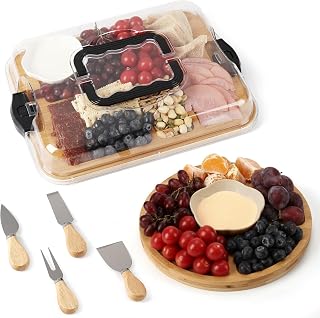
Temperature Control: Serve cheeses at the optimal temperature to bring out their best flavors and textures
Cheese, like wine, has an optimal serving temperature that can significantly enhance its flavor and texture. Serving cheese at the right temperature is crucial because it affects the cheese's consistency, aroma, and taste. For instance, a soft cheese like Brie served too cold will be firm and lack flavor, while a hard cheese like Cheddar served too warm may become overly soft and lose its sharpness.
To ensure you're serving cheese at its best, it's important to understand the ideal temperature ranges for different types of cheese. Generally, soft cheeses should be served at room temperature, around 65-70°F (18-21°C), to allow their flavors to fully develop. Semi-hard cheeses like Gouda or Edam are best served slightly cooler, around 60-65°F (15-18°C), to maintain their structure while still allowing their flavors to shine. Hard cheeses such as Parmesan or aged Cheddar are best enjoyed at a cooler temperature, around 55-60°F (13-15°C), to preserve their firmness and intense flavors.
When preparing a cheese tray, it's essential to consider the temperature control of each cheese variety. If you're serving a variety of cheeses, it's best to arrange them on the tray according to their temperature needs. Place the soft cheeses in the center of the tray, where they will be less likely to be affected by external temperatures, and the harder cheeses towards the edges. You can also use a cheese dome or cover to help maintain the temperature and humidity levels for each type of cheese.
Another important factor to consider is the time it takes for cheese to reach the optimal serving temperature. If you're taking cheese out of the refrigerator, it's best to let it sit at room temperature for about 30 minutes to an hour before serving. This allows the cheese to warm up gradually and evenly, preventing it from becoming too soft or losing its shape.
In conclusion, temperature control is a critical aspect of serving cheese. By understanding the ideal temperature ranges for different types of cheese and taking steps to maintain those temperatures, you can ensure that your cheese tray is a delicious and memorable experience for your guests.
The Great Mouse Trap Debate: Cheese vs. Peanut Butter
You may want to see also
Explore related products


Presentation Tips: Use garnishes and edible flowers to add visual appeal and make the tray inviting
To elevate your cheese tray from ordinary to extraordinary, consider the artful addition of garnishes and edible flowers. These elements not only enhance the visual appeal but also create an inviting atmosphere that entices guests to indulge. Start by selecting a variety of garnishes that complement the colors and textures of your cheese selection. Fresh herbs like rosemary, thyme, and parsley add a pop of green and a fragrant aroma. For a touch of elegance, incorporate edible flowers such as nasturtiums, pansies, or violas, which come in a spectrum of colors and can be used to create a visually stunning arrangement.
When arranging your garnishes and edible flowers, think about balance and contrast. Place larger blooms strategically to draw the eye, while smaller herbs can be sprinkled throughout to fill in gaps and add texture. Consider the height and shape of your garnishes to create visual interest and depth. For example, tall sprigs of rosemary can be used to create a backdrop, while delicate pansy petals can be scattered across the tray for a whimsical touch.
To ensure your garnishes and edible flowers are safe to consume, make sure they are organic and free from pesticides. Wash them thoroughly before use and remove any stems or leaves that will not be eaten. When it comes to placement, avoid overcrowding the tray, as this can detract from the overall presentation. Instead, aim for a harmonious balance between the cheese, garnishes, and flowers, allowing each element to shine.
In addition to their aesthetic appeal, garnishes and edible flowers can also enhance the flavor profile of your cheese tray. For instance, the peppery taste of nasturtiums pairs well with creamy cheeses, while the subtle sweetness of violas can complement milder varieties. Experiment with different combinations to find the perfect match for your palate.
Remember, the key to a successful cheese tray presentation is attention to detail. By thoughtfully selecting and arranging your garnishes and edible flowers, you can create a visually stunning and appetizing display that will impress your guests and elevate your entertaining game.
Paws and Reflect: The Ultimate Guide to Dog-Friendly Cheeses
You may want to see also
Frequently asked questions
For a diverse cheese tray, consider including a mix of hard, soft, and semi-soft cheeses. Start with a sharp cheddar for a classic choice, add a creamy brie or camembert for a soft option, and include a semi-soft cheese like gouda or fontina. Don't forget to add some blue cheese for a bold flavor and a fresh mozzarella for a lighter touch.
Arrange the cheeses on the tray by size and shape, placing larger wheels towards the back and smaller, softer cheeses in the front. Group similar cheeses together and use small bowls or ramekins for softer cheeses to prevent them from spreading. Add some height to the tray by stacking small blocks of cheese or using cheese stands.
Serve the cheese with a variety of accompaniments to enhance the flavors. Offer crackers, bread, or crostini as a base, and add fresh fruits like grapes, apples, or figs for a sweet contrast. Include nuts such as almonds, walnuts, or pecans for a crunchy texture, and provide a selection of jams, jellies, or honey for added sweetness.
Before serving, store the cheese in the refrigerator, wrapped tightly in plastic wrap or aluminum foil to prevent it from drying out. Allow the cheese to come to room temperature for about 30 minutes before serving to bring out its full flavor. After serving, wrap the cheese back up and store it in the refrigerator. Consume the cheese within a few days for the best quality.
To create a visually appealing cheese tray, use a variety of colors, textures, and shapes. Add some greenery with fresh herbs like rosemary or thyme, and use edible flowers as a garnish. Consider using different types of serving dishes, such as wooden boards, slate trays, or ceramic platters, to add visual interest. Finally, label each cheese with a small card or tag to help guests identify the different varieties.