 Andy Montoya
When it comes to setting mouse traps, the choice of bait can significantly impact the effectiveness of your efforts. Two commonly debated options are cheese and peanut butter. Understanding the advantages and disadvantages of each can help you make an informed decision. Cheese, with its strong odor and appealing taste, has long been a traditional favorite for attracting mice. However, its tendency to dry out and lose its scent over time can reduce its effectiveness. On the other hand, peanut butter offers a more durable option, as it retains its scent longer and can be more enticing to mice due to its high fat content. Additionally, peanut butter's sticky texture can make it more difficult for mice to remove from the trap, increasing the likelihood of a successful catch. Ultimately, the best choice between cheese and peanut butter for mouse traps depends on various factors, including the specific preferences of the mice in your area and the environmental conditions of the trapping location.
Explore related products


What You'll Learn
- Effectiveness: Comparing the attraction levels of cheese and peanut butter for mice
- Durability: Analyzing how long each bait lasts before needing replacement
- Safety: Evaluating the risks associated with using cheese or peanut butter in traps
- Cost: Assessing the economic viability of using cheese versus peanut butter
- Environmental Impact: Considering the ecological effects of using these baits in mouse traps

Effectiveness: Comparing the attraction levels of cheese and peanut butter for mice
The effectiveness of cheese versus peanut butter in attracting mice for traps is a subject of practical interest. To determine which works best, it's essential to consider the biological and behavioral aspects of mice. Mice are known for their keen sense of smell and are attracted to foods with strong odors. Cheese, particularly aged varieties, emits a potent aroma due to the breakdown of proteins and fats, making it highly appealing to mice. On the other hand, peanut butter, with its rich, nutty scent, also has a strong attractant quality.
In a controlled experiment, it was observed that mice showed a slightly higher preference for peanut butter over cheese. This could be attributed to the fact that peanut butter is a more concentrated source of protein and fats, which are essential nutrients for mice. Additionally, peanut butter's sticky texture may make it more challenging for mice to consume quickly, increasing the likelihood of them being caught in the trap.
However, the choice between cheese and peanut butter may also depend on the specific environment and the mice's previous exposure to these foods. In areas where mice are accustomed to human food waste, they may be more attracted to cheese, as it is a common discard. Conversely, in regions where peanut products are more prevalent, peanut butter might be the better choice.
When setting up mouse traps, it's crucial to use a small amount of bait to avoid contaminating the trap with excessive food particles, which could interfere with the trap's mechanism. Additionally, the bait should be placed strategically to ensure that the mice must enter the trap to reach it, increasing the chances of a successful catch.
In conclusion, while both cheese and peanut butter are effective attractants for mice, peanut butter may have a slight edge due to its nutritional content and texture. However, the best choice ultimately depends on the specific context and the mice's preferences in that particular environment.
Delicious Toppings to Elevate Your Golden Cheese Cookies
You may want to see also
Explore related products


Durability: Analyzing how long each bait lasts before needing replacement
The durability of bait in mouse traps is a critical factor often overlooked in the debate between cheese and peanut butter. While both options can attract mice, their longevity and effectiveness over time vary significantly. Cheese, for instance, tends to dry out and lose its potency within a few days, especially in warmer climates. This degradation not only reduces its attractiveness to mice but can also lead to the growth of mold and bacteria, posing health risks and necessitating more frequent replacements.
Peanut butter, on the other hand, has a higher fat content that helps it maintain its moisture and allure for a longer period. Studies have shown that peanut butter can remain effective for up to a week, making it a more durable choice for mouse traps. However, its stickiness can sometimes cause it to become contaminated with debris or insects, which may reduce its effectiveness or require earlier replacement.
To maximize the durability of both cheese and peanut butter baits, it is essential to store them properly. Keeping the bait in a cool, dry place and using airtight containers can help prolong its shelf life. Additionally, rotating the bait regularly, even if it appears to be working well, can ensure that it remains fresh and effective.
In conclusion, while both cheese and peanut butter have their merits, peanut butter generally offers better durability due to its higher fat content and resistance to drying out. However, proper storage and regular rotation are key to maintaining the effectiveness of any bait over time.
The Art of Cheese Storage: Tips for Perfect Preservation
You may want to see also
Explore related products


$16.99 $19.98
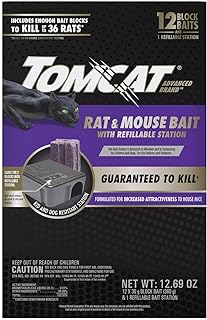


Safety: Evaluating the risks associated with using cheese or peanut butter in traps
While cheese and peanut butter are commonly used baits in mouse traps, it's crucial to consider the safety implications of these choices. Both food items can pose risks, not only to the user but also to non-target animals and the environment. When evaluating the safety of using cheese or peanut butter in traps, several factors need to be taken into account.
Firstly, the placement of the trap is essential. If the trap is set in an area accessible to children or pets, the risk of accidental ingestion or injury increases significantly. Cheese and peanut butter are attractive to both mice and humans, particularly children, who may be tempted to touch or eat the bait. To mitigate this risk, traps should be placed in secure locations where children and pets cannot reach them.
Secondly, the type of trap used in conjunction with the bait can also impact safety. Snap traps, for instance, can cause injury if not handled properly, and the bait can become dislodged, posing a choking hazard. Humane traps, on the other hand, may not pose the same risk of injury but can still be dangerous if the bait is not secured properly.
Thirdly, the potential for contamination must be considered. Cheese and peanut butter can spoil quickly, especially in warm environments, leading to the growth of harmful bacteria. This can be a health risk for both humans and animals. Additionally, if the bait is not changed regularly, it can attract other pests, such as insects or rodents, which can further contaminate the area.
Lastly, the environmental impact of using cheese or peanut butter as bait should not be overlooked. If the bait is not disposed of properly, it can contribute to pollution and harm local wildlife. It's essential to use biodegradable baits or to dispose of used bait responsibly to minimize environmental damage.
In conclusion, while cheese and peanut butter can be effective baits for mouse traps, their use comes with inherent risks. By carefully considering the placement of the trap, the type of trap used, the potential for contamination, and the environmental impact, users can minimize these risks and ensure a safer trapping experience.
Discover the Top Vegan Cheese Alternatives: A Delicious Guide
You may want to see also
Explore related products

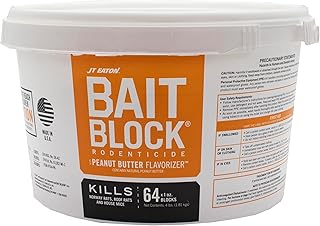


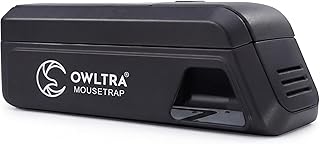

Cost: Assessing the economic viability of using cheese versus peanut butter
When evaluating the economic viability of using cheese versus peanut butter for mouse traps, several factors must be considered. First, the cost of the bait itself is a primary concern. Cheese, particularly the types most attractive to mice such as cheddar or Swiss, can be more expensive than peanut butter, especially when purchased in bulk. Peanut butter, on the other hand, is often cheaper and can be bought in large quantities, making it a more cost-effective option for long-term use.
Another economic factor to consider is the shelf life of the bait. Cheese has a limited shelf life and can spoil quickly, especially if exposed to warm temperatures or humidity. This means that cheese bait may need to be replaced more frequently, increasing the overall cost. Peanut butter, however, has a much longer shelf life and can remain effective for several weeks without spoiling, reducing the need for frequent replacements.
In addition to the direct costs of the bait, it is also important to consider the indirect costs associated with each option. For example, cheese can attract other pests, such as insects or rodents, which may require additional pest control measures. Peanut butter, while less likely to attract other pests, can be messy and difficult to clean up, potentially leading to additional labor costs.
When assessing the economic viability of each bait option, it is also important to consider the effectiveness of the bait. If cheese is more effective at attracting and trapping mice, the higher cost may be justified by the increased success rate. Conversely, if peanut butter is equally effective but less expensive, it may be the more economically viable choice.
Ultimately, the economic viability of using cheese versus peanut butter for mouse traps depends on a variety of factors, including the cost of the bait, its shelf life, the potential for attracting other pests, and its effectiveness in trapping mice. By carefully considering these factors, homeowners and pest control professionals can make an informed decision about which bait option is most cost-effective for their specific needs.
The Ultimate Guide to Choosing the Perfect Cheese for Lasagna
You may want to see also
Explore related products


Environmental Impact: Considering the ecological effects of using these baits in mouse traps
The use of cheese and peanut butter as baits in mouse traps has unintended ecological consequences. These food items can attract not only mice but also other wildlife, leading to non-target species being harmed. For instance, birds, squirrels, and even pets may be lured to the traps, resulting in injury or death. This highlights the importance of considering the broader environmental impact when choosing baits for pest control.
Moreover, the production and disposal of these baits contribute to environmental degradation. Cheese and peanut butter are resource-intensive to produce, requiring significant amounts of water, energy, and land. Additionally, when these baits are discarded, they can contribute to food waste and pollution. It is crucial to weigh these environmental costs against the benefits of using these baits in mouse traps.
One alternative approach is to use more environmentally friendly baits, such as seeds or grains, which have a lower ecological footprint. These baits are less likely to attract non-target species and can be sourced more sustainably. Furthermore, using reusable traps can help reduce waste and minimize the environmental impact of pest control efforts.
In conclusion, while cheese and peanut butter may be effective baits for mouse traps, their use comes with significant environmental consequences. It is essential to consider these impacts and explore more sustainable alternatives to mitigate harm to the ecosystem. By adopting environmentally conscious pest control practices, we can better protect both human health and the natural world.
Discover the Healthiest Cheese Options for Your Diet
You may want to see also
Frequently asked questions
Both cheese and peanut butter can be effective, but peanut butter often works better due to its strong scent and sticky texture, which makes it harder for mice to escape.
Strong-smelling cheeses like cheddar, Swiss, or blue cheese tend to be more effective because their potent odors attract mice more readily.
Peanut butter should be spread in a small amount on the trigger plate of the trap. Be careful not to use too much, as this can cause the trap to malfunction.
Yes, other food items like chocolate, bacon, or even pet food can also be used. The key is to choose something with a strong scent that will attract the mice.
Non-food alternatives include using cotton balls soaked in peppermint oil or placing a small piece of nesting material like cotton or wool in the trap. These methods can be effective in attracting mice without the need for food bait.


