 Frederic Melton
Storing cheese properly is crucial to maintaining its quality, flavor, and longevity. Different types of cheese have varying storage requirements, but there are some general guidelines that can help ensure your cheese stays fresh and delicious. For hard cheeses like Parmesan or Cheddar, it's best to store them in the refrigerator, wrapped tightly in plastic wrap or aluminum foil to prevent them from drying out. Soft cheeses, such as Brie or Camembert, should also be refrigerated but placed in a slightly warmer part of the fridge, like the door shelf, to prevent chilling them too much. It's important to keep cheese away from strong-smelling foods, as cheese can absorb odors easily. Additionally, try to store cheese in a humidity-controlled environment, as both too much and too little humidity can affect its texture and taste. By following these simple steps, you can enjoy your cheese at its best for a longer period.
Explore related products



What You'll Learn
- Temperature Control: Maintain cheese at optimal temperatures to prevent spoilage and preserve flavor
- Humidity Management: Ensure proper humidity levels to keep cheese from drying out or becoming too moist
- Air Circulation: Allow adequate air flow around cheese to prevent mold growth and maintain freshness
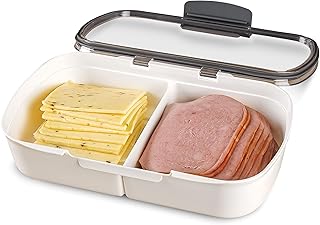
- Storage Containers: Use appropriate containers or wrapping materials to protect cheese from contaminants and odors
- Cheese Placement: Store different types of cheese separately to avoid flavor transfer and maintain individual characteristics

Temperature Control: Maintain cheese at optimal temperatures to prevent spoilage and preserve flavor
Cheese, a beloved dairy product, requires careful temperature management to maintain its quality and prevent spoilage. The ideal temperature range for storing cheese varies depending on its type, but generally falls between 35°F and 55°F (1.6°C and 12.7°C). For hard cheeses like Parmesan or Cheddar, the lower end of this range is preferable, while softer cheeses like Brie or Camembert benefit from slightly warmer temperatures.
To achieve optimal temperature control, it's essential to use a refrigerator with a consistent and adjustable temperature setting. Avoid storing cheese in the door shelves, as these areas experience more temperature fluctuations due to frequent opening and closing. Instead, place cheese in the main compartment, ideally on a middle shelf where the temperature is most stable.
In addition to maintaining a consistent temperature, it's crucial to monitor the humidity levels in the refrigerator. Cheese should be stored in a moderately humid environment, typically between 60% and 70% relative humidity. This helps prevent the cheese from drying out or becoming too moist, which can lead to mold growth.
For those who store cheese at room temperature, it's important to note that this method is only suitable for certain types of cheese and for short periods. Hard cheeses can generally be stored at room temperature for up to 2-3 days, while soft cheeses should be refrigerated after 1-2 days. Always check the specific storage recommendations for the type of cheese you're storing.
When it comes to temperature control, it's also essential to consider the impact of light exposure. Direct sunlight can cause cheese to spoil more quickly, so it's best to store cheese in a dark place or use a cheese storage container that blocks out light. By following these temperature control guidelines, you can help ensure that your cheese remains fresh, flavorful, and safe to enjoy.
Discovering the Perfect Cheese: A Journey Through Flavors and Textures
You may want to see also
Explore related products


Humidity Management: Ensure proper humidity levels to keep cheese from drying out or becoming too moist
Maintaining optimal humidity levels is crucial for preserving the quality and texture of cheese during storage. Cheese is a sensitive product that can be adversely affected by both low and high humidity. Low humidity can cause cheese to dry out, leading to a crumbly texture and loss of flavor, while high humidity can promote mold growth and spoilage. Therefore, it is essential to manage humidity effectively to ensure that cheese remains in the best possible condition.
To achieve proper humidity management, it is important to understand the ideal humidity levels for different types of cheese. Soft cheeses, such as Brie and Camembert, typically require higher humidity levels (around 80-90%) to prevent them from drying out. In contrast, hard cheeses, like Cheddar and Parmesan, can be stored at lower humidity levels (around 60-70%) without risking excessive moisture. Semi-hard cheeses, such as Gouda and Edam, fall somewhere in between and generally require humidity levels of around 70-80%.
One effective method for managing humidity is to use a cheese storage container or a specialized cheese cave. These containers are designed to maintain consistent humidity levels and can be equipped with a hygrometer to monitor and adjust humidity as needed. Additionally, some cheese storage containers come with adjustable vents that allow for precise control over the amount of moisture in the air.
Another approach to humidity management is to use a combination of materials that can absorb or release moisture as needed. For example, placing a damp cloth or sponge in the storage container can help to increase humidity levels, while using a desiccant or silica gel packets can help to absorb excess moisture. It is important to note that these materials should be replaced or recharged regularly to ensure that they continue to function effectively.
In addition to these methods, it is also important to store cheese in a cool, dark place to minimize the impact of temperature fluctuations on humidity levels. Direct sunlight and heat sources can cause humidity to drop, while cold temperatures can lead to condensation and increased moisture. By maintaining a consistent temperature and using the methods outlined above, it is possible to effectively manage humidity levels and keep cheese in optimal condition for an extended period.
Taco Cheese Showdown: Which Variety Melts Hearts and Minds?
You may want to see also
Explore related products


Air Circulation: Allow adequate air flow around cheese to prevent mold growth and maintain freshness
Proper air circulation is crucial for maintaining the quality and longevity of stored cheese. Without adequate airflow, moisture can accumulate, creating an environment conducive to mold growth and spoilage. To prevent this, it's essential to ensure that cheese is stored in a well-ventilated area.
One effective method is to use a cheese storage container with built-in ventilation holes. These containers allow air to circulate freely around the cheese, reducing the risk of mold and maintaining freshness. Alternatively, you can create your own ventilation system by placing the cheese on a wire rack or perforated surface, which elevates it above any accumulated moisture and allows air to flow underneath.
It's also important to consider the temperature and humidity levels in the storage area. Ideal conditions vary depending on the type of cheese, but generally, a cool, dry environment is best. For hard cheeses like cheddar or parmesan, a temperature of around 50-55°F (10-13°C) and a humidity level of 50-60% is recommended. Soft cheeses like brie or camembert require slightly warmer temperatures, around 55-60°F (13-16°C), and higher humidity, around 60-70%.
Regularly inspecting the cheese for signs of mold or spoilage is also important. If you notice any discoloration, unusual odors, or soft spots, it's best to discard the affected cheese to prevent it from contaminating other items in the storage area.
By following these guidelines and ensuring proper air circulation, you can help maintain the freshness and quality of your stored cheese, reducing waste and ensuring that you always have delicious, mold-free cheese on hand.
Discover the Perfect Cheese for Your Birria Tacos: A Flavorful Guide
You may want to see also
Explore related products





Storage Containers: Use appropriate containers or wrapping materials to protect cheese from contaminants and odors
Cheese, a beloved dairy product, requires careful storage to maintain its quality and flavor. One crucial aspect of cheese storage is the choice of storage containers. Using appropriate containers or wrapping materials is essential to protect cheese from contaminants and odors that can compromise its taste and safety.
When selecting storage containers for cheese, it's important to consider the type of cheese and its specific storage needs. For example, hard cheeses like Parmesan or Cheddar can be stored in airtight containers, while soft cheeses like Brie or Camembert may require a more breathable container to prevent mold growth. Additionally, some cheeses, such as blue cheeses, can be quite pungent and may need to be stored in a container with a tight-fitting lid to prevent their strong odor from permeating other foods in the refrigerator.
In addition to protecting cheese from contaminants and odors, proper storage containers can also help to maintain the cheese's moisture level. Cheese can dry out quickly if not stored properly, leading to a loss of flavor and texture. Using a container with a tight-fitting lid can help to retain moisture, while also preventing the cheese from absorbing odors from other foods in the refrigerator.
When it comes to wrapping materials, cheese should be wrapped in a material that is both breathable and moisture-resistant. Plastic wrap or aluminum foil can be used for short-term storage, but for longer storage periods, it's better to use a specialized cheese wrap or a breathable paper. These materials allow air to circulate around the cheese, preventing mold growth while also retaining moisture.
In conclusion, choosing the right storage containers and wrapping materials is crucial for maintaining the quality and flavor of cheese. By considering the specific needs of each type of cheese and selecting appropriate storage solutions, cheese lovers can ensure that their favorite dairy product remains fresh and delicious for as long as possible.
Discover the Top Vegan Cheese Alternatives: A Delicious Guide
You may want to see also
Explore related products


Cheese Placement: Store different types of cheese separately to avoid flavor transfer and maintain individual characteristics
Storing different types of cheese separately is crucial to preserving their unique flavors and textures. When various cheeses are kept in close proximity, they can absorb and transfer flavors from one another, leading to a muddled taste profile. For instance, a strong blue cheese can impart its pungent aroma to a delicate Brie, altering the latter's intended flavor experience. To avoid this, it's essential to store cheeses in a way that minimizes contact and air circulation between them.
One effective method is to use separate storage containers or compartments for each type of cheese. This can be achieved with specialized cheese storage boxes or by repurposing airtight containers. When placing cheeses in the refrigerator, it's best to store them in the crisper drawer, where the humidity is higher, to prevent them from drying out. However, be sure to keep them away from fruits and vegetables, as these can also transfer flavors and moisture to the cheese.
Another consideration is the order in which cheeses should be stored. Stronger, more pungent cheeses should be placed at the back of the storage area, while milder cheeses should be kept towards the front. This arrangement helps to prevent the stronger cheeses from overpowering the more delicate ones. Additionally, it's important to regularly clean the storage area to prevent the buildup of bacteria and mold, which can also affect the flavor and quality of the cheese.
In terms of temperature, most cheeses should be stored at a consistent refrigerator temperature of around 35-38°F (1.6-3.3°C). However, some cheeses, like aged Cheddar or Parmesan, can benefit from slightly warmer storage temperatures of up to 45°F (7.2°C). It's important to research the specific storage requirements for each type of cheese to ensure optimal preservation.
By following these guidelines for cheese placement and storage, you can help to maintain the distinct characteristics of each cheese variety and enjoy them at their best. Remember, proper storage is key to preserving the quality and flavor of your cheese collection.
Delicious Toppings to Elevate Your Golden Cheese Cookies
You may want to see also
Frequently asked questions
The ideal temperature for storing cheese is between 35°F and 45°F (1.6°C and 7.2°C). This temperature range helps to slow down the aging process and prevents the growth of harmful bacteria.
Cheese should be wrapped in wax paper or plastic wrap to prevent it from drying out and to protect it from absorbing odors from other foods in the refrigerator. For longer storage, cheese can be wrapped in aluminum foil as an additional barrier against air and moisture.
Cheese should be stored on a shelf in the refrigerator, away from the door. The temperature is more consistent on the shelves, and the door is subject to more temperature fluctuations when it is opened and closed.
Different types of cheese can be stored together, but it is important to keep them separate to prevent the transfer of flavors and odors. Strong-smelling cheeses like blue cheese should be stored in a separate container or wrapped in aluminum foil to prevent them from affecting the taste of other cheeses.
The storage life of cheese varies depending on the type. Generally, hard cheeses like cheddar and Swiss can be stored for 3 to 6 months, while soft cheeses like brie and camembert should be consumed within 1 to 2 months. It is important to check the cheese regularly for signs of spoilage, such as mold or an off smell.


