Randy Chandler
When it comes to treating our furry friends, it's essential to know which foods are safe and beneficial for them. Cheese, a beloved snack for many humans, can be a tricky topic for dog owners. While some cheeses can be a healthy treat for dogs in moderation, others may pose health risks. The key is to understand which types of cheese are best suited for canine consumption and how to introduce them into your dog's diet safely.
Explore related products




What You'll Learn
- Nutritional Benefits: Explore how cheese can provide essential nutrients for dogs, such as protein and calcium
- Safe Cheese Types: Identify which types of cheese are safe for dogs to consume, considering lactose intolerance
- Cheese as a Training Treat: Discuss the use of cheese as a high-value treat in dog training and behavior reinforcement
- Potential Health Risks: Examine any potential health risks associated with feeding cheese to dogs, including obesity and digestive issues
- Homemade Cheese Recipes: Provide simple recipes for homemade cheese treats that are safe and healthy for dogs

Nutritional Benefits: Explore how cheese can provide essential nutrients for dogs, such as protein and calcium
Cheese can be a valuable addition to a dog's diet, offering a range of essential nutrients that support their overall health. One of the primary benefits of cheese for dogs is its high protein content. Protein is crucial for maintaining muscle mass, supporting immune function, and aiding in the repair of tissues. Dogs require a diet rich in protein to thrive, and cheese can be an excellent source of this nutrient. For example, a 1-ounce serving of cheddar cheese contains approximately 7 grams of protein, which can contribute significantly to a dog's daily protein needs.
In addition to protein, cheese is also a good source of calcium. Calcium is essential for maintaining strong bones and teeth, as well as supporting nerve function and muscle contractions. Dogs, especially growing puppies, require adequate calcium intake to ensure proper skeletal development. Cheese can provide a bioavailable form of calcium that is easily absorbed by the body. For instance, a 1-ounce serving of Swiss cheese contains about 270 milligrams of calcium, which can help meet a dog's daily calcium requirements.
When incorporating cheese into a dog's diet, it's important to choose the right type. Some cheeses, such as blue cheese or goat cheese, may contain ingredients that are harmful to dogs. Additionally, it's crucial to monitor the amount of cheese given to dogs, as excessive consumption can lead to weight gain and other health issues. A general guideline is to limit cheese to 1-2 ounces per day for small dogs and 2-3 ounces per day for larger dogs.
It's also worth noting that some dogs may be lactose intolerant, meaning they cannot digest lactose, a sugar found in milk and dairy products. In such cases, it's best to avoid giving cheese to the dog or to choose lactose-free cheese options. Signs of lactose intolerance in dogs include diarrhea, vomiting, and stomach pain after consuming dairy products.
In conclusion, cheese can provide essential nutrients for dogs, such as protein and calcium, when given in moderation and in the right form. It's important to choose dog-safe cheeses, monitor portion sizes, and be aware of any signs of lactose intolerance. By following these guidelines, cheese can be a healthy and enjoyable treat for dogs.
Discover the Top Vegan Cheese Alternatives: A Delicious Guide
You may want to see also
Explore related products





Safe Cheese Types: Identify which types of cheese are safe for dogs to consume, considering lactose intolerance
When selecting safe cheese types for dogs, it's crucial to consider their lactose intolerance. Dogs lack the enzymes to digest lactose, which can lead to gastrointestinal issues such as diarrhea and vomiting. Therefore, it's essential to choose cheeses with low lactose content or those that are lactose-free.
One safe option for dogs is cottage cheese, which is low in lactose and high in protein. It's also easily digestible, making it a suitable choice for dogs with sensitive stomachs. Another option is mozzarella cheese, which is also low in lactose and has a mild flavor that most dogs enjoy. However, it's important to feed mozzarella in moderation due to its high-fat content.
Hard cheeses like cheddar and Swiss are also good options for dogs, as they have a lower lactose content compared to soft cheeses. These cheeses can be grated or cut into small pieces and added to your dog's food or given as a treat. It's important to note that while these cheeses are safer for dogs to consume, they should still be fed in moderation as part of a balanced diet.
When introducing any new food to your dog's diet, it's always a good idea to start with a small amount and monitor their reaction. If your dog shows any signs of discomfort or digestive issues, it's best to consult with your veterinarian before continuing to feed them cheese.
In summary, when choosing safe cheese types for dogs, it's important to consider their lactose intolerance and select cheeses with low lactose content. Cottage cheese, mozzarella, cheddar, and Swiss are all good options, but they should be fed in moderation as part of a balanced diet. Always monitor your dog's reaction to new foods and consult with your veterinarian if you have any concerns.
Discovering the Ultimate Comfort Food: A Quest for the Best Macaroni and Cheese
You may want to see also
Explore related products

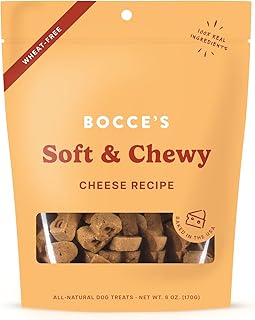


Cheese as a Training Treat: Discuss the use of cheese as a high-value treat in dog training and behavior reinforcement
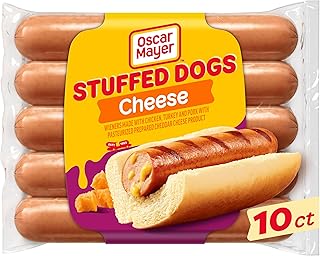
Cheese is often used as a high-value treat in dog training due to its strong scent and taste, which can be highly motivating for dogs. When selecting cheese as a training treat, it's important to choose a type that is safe for dogs to consume and that will not cause any digestive issues. Some popular choices include mozzarella, cheddar, and cottage cheese. These types of cheese are generally low in fat and lactose, making them easier for dogs to digest.
One effective way to use cheese in training is to break it into small pieces and use them as rewards for desired behaviors. For example, when teaching a dog to sit, you can use a small piece of cheese as a reward each time the dog successfully sits on command. This helps to reinforce the behavior and encourages the dog to repeat it in the future.
Another benefit of using cheese as a training treat is that it can be easily hidden or placed in various locations, making it a great tool for scent work and problem-solving exercises. For instance, you can hide small pieces of cheese around the house or yard and encourage your dog to use their sense of smell to find them. This not only provides mental stimulation but also helps to strengthen the bond between you and your dog.
When using cheese as a training treat, it's important to remember that moderation is key. Too much cheese can lead to weight gain and other health issues, so it's essential to limit the amount given to your dog. Additionally, always supervise your dog when giving them cheese to ensure they don't choke on any large pieces.
In conclusion, cheese can be a valuable tool in dog training when used correctly. By selecting the right type of cheese, using it in moderation, and incorporating it into various training exercises, you can effectively reinforce desired behaviors and strengthen the bond with your furry friend.
The Ultimate Guide to Choosing the Perfect Nacho Cheese
You may want to see also
Explore related products




Potential Health Risks: Examine any potential health risks associated with feeding cheese to dogs, including obesity and digestive issues
Feeding cheese to dogs can pose several health risks, particularly if done excessively or without consideration for the dog's specific dietary needs. One of the primary concerns is obesity. Cheese is high in fat and calories, and regular consumption can lead to weight gain in dogs. Obesity in dogs is associated with a range of health issues, including diabetes, joint problems, and heart disease. It's crucial for dog owners to monitor their pet's weight and adjust their diet accordingly to prevent obesity.
Digestive issues are another potential health risk when feeding cheese to dogs. Dogs have a limited ability to digest lactose, a sugar found in milk and many types of cheese. Lactose intolerance can lead to gastrointestinal upset, including diarrhea, vomiting, and stomach pain. Symptoms typically occur within a few hours of consuming cheese. To minimize the risk of digestive issues, it's advisable to choose cheeses with lower lactose content or to introduce cheese gradually into the dog's diet to allow their digestive system to adjust.
In addition to obesity and lactose intolerance, some cheeses can be toxic to dogs. For example, blue cheese contains a type of mold that can produce toxins harmful to dogs. It's essential to avoid feeding blue cheese or any other moldy cheeses to dogs. Furthermore, some cheeses, like feta and goat cheese, can be high in salt, which can lead to electrolyte imbalances and other health problems if consumed in large quantities.
To mitigate these risks, dog owners should feed cheese in moderation and choose dog-friendly options. Cheeses like mozzarella, cheddar, and cottage cheese are generally well-tolerated by dogs and can be given as an occasional treat. However, it's always best to consult with a veterinarian before introducing any new foods into a dog's diet, especially if the dog has a history of digestive issues or other health concerns.
In summary, while cheese can be a tasty treat for dogs, it's important to be aware of the potential health risks and to feed it responsibly. Monitoring the dog's weight, choosing cheeses with lower lactose and fat content, and avoiding toxic or high-salt cheeses can help ensure that cheese remains a safe and enjoyable treat for canine companions.
The Ultimate Guide to Choosing the Perfect Cheese for Your Burger
You may want to see also
Explore related products


Homemade Cheese Recipes: Provide simple recipes for homemade cheese treats that are safe and healthy for dogs
Homemade Cheese Recipes for Dogs
#### Introduction
Making homemade cheese treats for your dog can be a fun and rewarding activity. Not only do you have control over the ingredients, but you can also tailor the recipes to your dog's specific dietary needs and preferences. Here are some simple and healthy recipes to get you started.
#### Recipe 1: Yogurt and Peanut Butter Cheese Balls
- Ingredients:
- 1 cup plain, unsweetened yogurt
- 1/2 cup natural peanut butter
- 1/4 cup grated carrots
- 1/4 cup chopped parsley
- 1/4 teaspoon garlic powder (optional)
- Instructions:
- In a large bowl, mix together the yogurt and peanut butter until well combined.
- Add the grated carrots, chopped parsley, and garlic powder (if using) and mix thoroughly.
- Roll the mixture into small balls and place them on a baking sheet lined with parchment paper.
- Freeze the cheese balls for at least 2 hours before serving to your dog.
#### Recipe 2: Cottage Cheese and Apple Treats
- Ingredients:
- 1 cup cottage cheese
- 1/2 cup unsweetened applesauce
- 1/4 cup rolled oats
- 1/4 teaspoon cinnamon (optional)
- Instructions:
- In a large bowl, mix together the cottage cheese and applesauce until well combined.
- Add the rolled oats and cinnamon (if using) and mix thoroughly.
- Spoon the mixture into ice cube trays and freeze for at least 2 hours before serving to your dog.
#### Recipe 3: Pumpkin and Cheese Dog Biscuits
- Ingredients:
- 1 cup whole wheat flour
- 1/2 cup grated cheddar cheese
- 1/4 cup pureed pumpkin
- 1/4 cup water
- 1/4 teaspoon baking powder
- Instructions:
- Preheat your oven to 350°F (175°C).
- In a large bowl, mix together the flour, grated cheese, and baking powder.
- Add the pureed pumpkin and water and mix until a dough forms.
- Roll out the dough on a floured surface and cut into desired shapes using a cookie cutter.
- Place the biscuits on a baking sheet lined with parchment paper and bake for 20-25 minutes, or until golden brown.
- Allow the biscuits to cool completely before serving to your dog.
#### Conclusion
These homemade cheese recipes are not only safe and healthy for your dog but also provide a great way to bond with your furry friend. Remember to always introduce new foods gradually and consult with your veterinarian if you have any concerns about your dog's diet. Happy cooking!
Delicious Toppings to Elevate Your Golden Cheese Cookies
You may want to see also
Frequently asked questions
The best cheese for dogs is one that is low in fat and lactose-free, as dogs can have difficulty digesting lactose. Good options include mozzarella, cottage cheese, and plain yogurt.
Cheese should be given to dogs in moderation, as it can be high in fat and calories. A small amount, such as a cube or a spoonful, is sufficient as a treat or reward.
Yes, some cheeses can be harmful to dogs. Cheeses with high fat content, such as cheddar and American cheese, can lead to obesity and pancreatitis. Additionally, cheeses with high salt content, such as feta and blue cheese, can be toxic to dogs. It is important to always check the ingredients and nutritional information before giving cheese to your dog.