Kamil Perry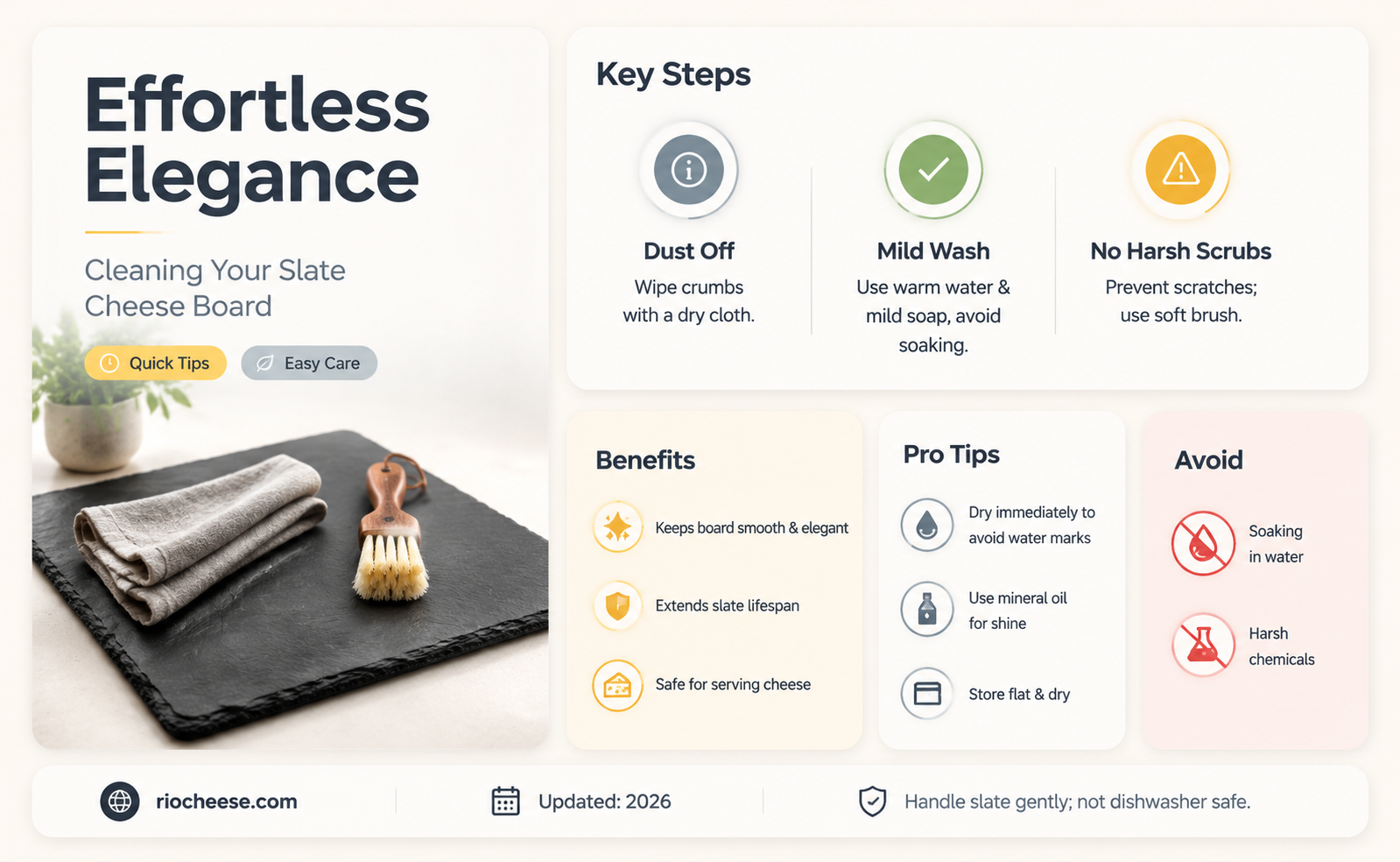
Cleaning a slate cheese board is an essential part of maintaining its quality and ensuring food safety. Slate is a durable and attractive material for cheese boards, but it requires specific care to prevent damage and maintain its appearance. To clean a slate cheese board, start by removing any leftover cheese, crackers, or other food items. Then, use a soft cloth or sponge dampened with warm water and mild dish soap to gently wipe the surface. Avoid using abrasive cleaners or scrubbers, as they can scratch the slate. After washing, rinse the board thoroughly with clean water and dry it with a soft towel. For stubborn stains or odors, you can use a mixture of baking soda and water to create a gentle paste, apply it to the affected area, and let it sit for a few minutes before rinsing and drying. Regular cleaning and proper care will help keep your slate cheese board looking great and ready for your next gathering.
Explore related products




What You'll Learn
- Gathering Supplies: Collect necessary cleaning items like mild soap, warm water, soft cloth, and food-safe oil
- Removing Residue: Gently scrape off any leftover food particles using a soft spatula or cloth
- Washing the Board: Clean the slate cheese board with a mixture of mild soap and warm water, using a soft cloth
- Drying Thoroughly: Dry the cheese board completely with a clean towel to prevent any moisture buildup
- Oiling the Surface: Apply a thin layer of food-safe oil to maintain the slate's condition and prevent rust

Gathering Supplies: Collect necessary cleaning items like mild soap, warm water, soft cloth, and food-safe oil
To effectively clean a slate cheese board, it's crucial to gather the right supplies. Start by collecting a mild soap, as harsh chemicals can damage the slate's surface. Warm water is also essential, as it helps to dissolve the soap and lift away any residue. A soft cloth, preferably microfiber, is ideal for gently scrubbing the board without scratching it. Additionally, food-safe oil, such as mineral oil or beeswax, is necessary for conditioning the slate and maintaining its natural appearance.
When selecting a soap, opt for a gentle, non-abrasive formula specifically designed for cleaning stone surfaces. Avoid using acidic cleaners, as they can etch the slate. For the cloth, choose one that is soft to the touch and free of any rough fibers that could scratch the board. Microfiber cloths are particularly effective, as they can trap dirt and grime without leaving behind any lint.
Before beginning the cleaning process, ensure that the cheese board is free of any loose debris. Use a soft brush or dry cloth to gently sweep away any crumbs or particles. Once the board is clear, mix a small amount of mild soap with warm water in a bowl. Dip the soft cloth into the solution, wringing it out thoroughly to remove any excess liquid.
Gently scrub the slate cheese board with the damp cloth, using circular motions to lift away any dirt or stains. Be sure to clean both the top and bottom surfaces of the board, as well as the edges. After scrubbing, rinse the cloth with clean water and wipe down the board again to remove any soap residue.
Finally, apply a small amount of food-safe oil to the slate cheese board using a clean cloth. This will help to condition the stone and maintain its natural luster. Allow the oil to absorb into the slate for a few minutes before buffing the board with a dry cloth. This will leave your slate cheese board clean, conditioned, and ready for use.
Exploring the Fiery Frontier: Ghost Pepper Cheese Heat Level Revealed
You may want to see also
Explore related products

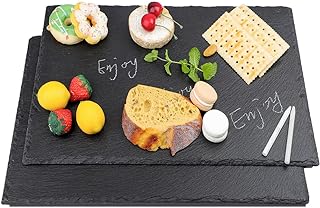


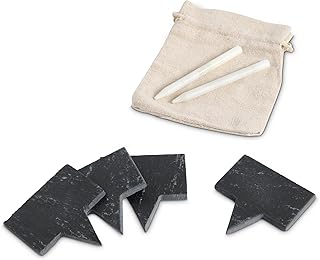
Removing Residue: Gently scrape off any leftover food particles using a soft spatula or cloth
To effectively remove residue from a slate cheese board, it's essential to use the right tools and techniques. A soft spatula or cloth is ideal for gently scraping off any leftover food particles without damaging the slate surface. Start by identifying the areas with the most residue and focus on those first. Use a light touch and work in small, circular motions to avoid scratching the slate.
For more stubborn residue, you may need to use a slightly damp cloth to help loosen the particles. However, be cautious not to use too much water, as excessive moisture can seep into the slate and cause damage over time. If you're dealing with particularly tough residue, you can also try using a mild, non-abrasive cleaner specifically designed for slate surfaces. Apply a small amount of the cleaner to a soft cloth and gently rub it onto the affected area, following the manufacturer's instructions for use and rinsing.
Once you've removed the residue, it's important to dry the slate cheese board thoroughly to prevent any water spots or damage. Use a clean, soft cloth to gently pat the surface dry, paying special attention to any crevices or grooves where moisture may collect. After drying, inspect the board for any remaining residue or spots and repeat the cleaning process as needed.
To maintain your slate cheese board and prevent the buildup of residue in the future, it's a good idea to clean it regularly after use. Simply wipe it down with a damp cloth and dry it thoroughly to keep it in good condition. Additionally, avoid using harsh chemicals or abrasive cleaners on the slate surface, as these can cause damage and make it more difficult to remove residue over time.
By following these steps and using the appropriate tools and techniques, you can effectively remove residue from your slate cheese board and keep it looking its best. Remember to always handle the slate surface with care and avoid using excessive force or harsh chemicals to prevent damage and ensure the longevity of your cheese board.
The Lethal Snack: How Cheese Puffs Pose a Deadly Threat to Crows
You may want to see also
Explore related products

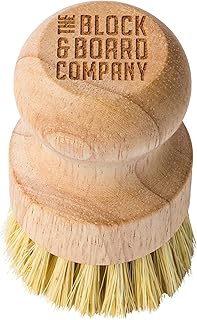


Washing the Board: Clean the slate cheese board with a mixture of mild soap and warm water, using a soft cloth
To effectively clean a slate cheese board, it's essential to use the right cleaning solution and technique. A mixture of mild soap and warm water is ideal for this purpose. Start by mixing a few drops of mild dish soap with warm water in a small bowl. Dip a soft cloth into the solution, wring it out thoroughly to remove excess moisture, and gently wipe the surface of the slate cheese board. Be sure to clean both sides of the board if it's reversible.
When washing the board, avoid using abrasive cleaners or scrubbers, as these can scratch the slate surface. Instead, opt for a soft cloth or sponge that can effectively remove dirt and residue without causing damage. For stubborn stains, you can use a slightly more concentrated soap solution, but always test it on a small, inconspicuous area first to ensure it doesn't damage the slate.
After cleaning the board, rinse the cloth with clean water and wipe the board again to remove any soap residue. Then, dry the board thoroughly with a clean, soft towel. It's important to dry the board completely to prevent water spots and potential mold growth. Once the board is dry, you can store it in a cool, dry place until its next use.
Regular cleaning and maintenance of your slate cheese board will not only keep it looking its best but also ensure that it remains a safe and hygienic surface for serving food. By following these simple steps, you can enjoy your slate cheese board for years to come.
From Whey to Wow: Your Guide to Opening a Cheese Shop
You may want to see also
Explore related products
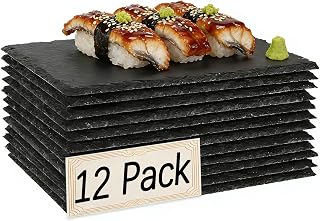


Drying Thoroughly: Dry the cheese board completely with a clean towel to prevent any moisture buildup
After washing your slate cheese board, it's crucial to dry it thoroughly to prevent any moisture buildup. Moisture can lead to mold and mildew growth, which can be harmful and unsightly. To dry your cheese board properly, use a clean, soft towel to gently pat it dry. Make sure to get into all the nooks and crannies, as well as the edges and corners, to remove any excess water.
If your cheese board has any deep grooves or crevices, you may need to use a smaller towel or even a clean brush to get into those areas. It's important to be gentle when drying your cheese board, as slate can be prone to scratching. Avoid using abrasive materials or harsh chemicals, as these can damage the surface of your cheese board.
Once you've patted your cheese board dry with a towel, let it air dry completely before storing it away. This may take several hours, depending on the humidity in your environment. To speed up the drying process, you can place your cheese board in a well-ventilated area or use a fan to circulate air around it.
It's also a good idea to dry your cheese board after each use, even if you haven't washed it. This will help to prevent any moisture buildup from food or drinks that may have been on the board. By drying your cheese board thoroughly and regularly, you can help to extend its lifespan and keep it looking its best.
The Mysterious Disappearance of Lance Gold-N Cheese: An Investigation
You may want to see also
Explore related products


Oiling the Surface: Apply a thin layer of food-safe oil to maintain the slate's condition and prevent rust
To maintain the pristine condition of your slate cheese board, oiling the surface is a crucial step. This process not only enhances the board's appearance but also prevents rust and corrosion, ensuring longevity and food safety. Here's a detailed guide on how to oil your slate cheese board effectively:
Begin by selecting a food-safe oil, such as mineral oil or a blend specifically designed for slate. Avoid using olive oil or other edible oils, as they can polymerize and create a sticky residue. Once you've chosen the appropriate oil, apply a thin, even layer to the entire surface of the slate board. Use a soft cloth or paper towel to spread the oil gently, ensuring that no areas are missed.
Allow the oil to penetrate the slate for a few minutes, then wipe off any excess with a clean cloth. It's essential to remove surplus oil to prevent a buildup that could affect the board's functionality and appearance. After wiping, let the board air dry completely before using it again. This drying process ensures that the oil is fully absorbed and won't interfere with the taste or texture of the cheese and other foods you serve.
Regular oiling is key to maintaining your slate cheese board's condition. Aim to oil the surface after each use or at least once a month, depending on frequency of use. By following these simple steps, you'll keep your slate cheese board in excellent condition, ready to serve your favorite cheeses and accompaniments for years to come.
Elevate Your Chardonnay Experience: The Perfect Cheese Pairings
You may want to see also
Frequently asked questions
To clean a slate cheese board, use a soft cloth or sponge with warm, soapy water. Avoid using abrasive cleaners or scrubbers, as they can scratch the surface. After washing, dry the board thoroughly with a clean towel.
Yes, you can use vinegar to clean your slate cheese board. Mix equal parts vinegar and water in a spray bottle, and then spray the solution onto the board. Wipe it down with a soft cloth or sponge, and then dry the board thoroughly with a clean towel.
It is recommended to clean your slate cheese board after each use to prevent the buildup of bacteria and odors. If you use the board frequently, you may want to clean it more often to ensure it remains hygienic and safe for food preparation.