Andy Montoya
When it comes to deli cheese, one of the most common questions is about its shelf life, especially once it's been sliced. Sliced deli cheese, like cheddar, Swiss, or provolone, can last for about 3 to 5 days in the refrigerator if stored properly. It's important to keep it in an airtight container or wrap it tightly in plastic wrap or aluminum foil to prevent it from drying out or absorbing odors from other foods. If you need to store it for a longer period, you can freeze it for up to 2 months. However, keep in mind that freezing may alter the texture and flavor slightly. Always check for any signs of spoilage, such as mold or an off smell, before consuming.
Explore related products


What You'll Learn
- Storage Conditions: Proper storage is crucial to extending the shelf life of sliced deli cheese
- Refrigeration: Keeping cheese refrigerated at the right temperature helps prevent spoilage and bacterial growth
- Freezing: Freezing can prolong the life of cheese, but it may alter its texture and flavor
- Expiration Dates: Understanding and adhering to expiration dates is essential for food safety and quality
- Handling Tips: Proper handling, including wrapping and avoiding cross-contamination, can help maintain cheese freshness

Storage Conditions: Proper storage is crucial to extending the shelf life of sliced deli cheese
Proper storage is crucial to extending the shelf life of sliced deli cheese. To ensure maximum freshness and safety, it's essential to follow specific guidelines. First, always store sliced deli cheese in the refrigerator at a temperature between 35°F and 40°F (1.6°C and 4.4°C). This temperature range slows down bacterial growth, which can cause spoilage and foodborne illness.
When storing sliced deli cheese, it's important to keep it in its original packaging or transfer it to an airtight container. This prevents the cheese from drying out and absorbing odors from other foods in the refrigerator. If you're storing multiple types of sliced deli cheese, consider using separate containers to avoid cross-contamination and flavor transfer.
Another key factor in proper storage is to minimize exposure to air. When you open the packaging or container, try to remove only the amount of cheese you need and then reseal it tightly. This reduces the amount of oxygen that can reach the cheese, which can cause it to oxidize and lose its flavor and texture.
In addition to these general guidelines, there are a few specific tips for storing different types of sliced deli cheese. For example, if you're storing a soft cheese like brie or camembert, it's best to keep it in the warmest part of the refrigerator to prevent it from becoming too firm. On the other hand, if you're storing a hard cheese like cheddar or Swiss, it's best to keep it in the coldest part of the refrigerator to prevent it from becoming too soft.
By following these storage guidelines, you can help extend the shelf life of your sliced deli cheese and ensure that it remains fresh and safe to eat for as long as possible.
Parmesan Cheese Shelf Life: How Long Does It Last Past Expiration?
You may want to see also
Explore related products




Refrigeration: Keeping cheese refrigerated at the right temperature helps prevent spoilage and bacterial growth
Proper refrigeration is crucial for extending the shelf life of sliced deli cheese. The ideal temperature range for storing cheese is between 35°F and 40°F (1.6°C and 4.4°C). This temperature range helps to slow down the growth of bacteria and mold, which can cause spoilage and affect the cheese's flavor and texture. It's important to note that different types of cheese may have slightly different optimal storage temperatures, so it's always a good idea to check the packaging for specific instructions.
When storing sliced deli cheese, it's essential to keep it in an airtight container or wrap it tightly in plastic wrap or aluminum foil. This helps to prevent air from reaching the cheese, which can cause it to dry out and become more susceptible to bacterial growth. Additionally, it's important to store cheese away from strong-smelling foods, as cheese can absorb odors easily.
Another factor to consider is the humidity level in the refrigerator. Cheese should be stored in a relatively low-humidity environment to prevent the growth of mold and bacteria. If the refrigerator has a humidity control drawer, it's a good idea to store cheese there. Otherwise, placing a box of baking soda in the refrigerator can help to absorb excess moisture and maintain a lower humidity level.
It's also important to practice the "first in, first out" rule when it comes to cheese storage. This means that older cheese should be used before newer cheese to ensure that it doesn't go to waste. Additionally, if cheese has been left out at room temperature for more than two hours, it should be discarded to avoid the risk of foodborne illness.
In summary, proper refrigeration is key to extending the shelf life of sliced deli cheese. By storing cheese at the right temperature, in an airtight container, and away from strong-smelling foods, it's possible to keep cheese fresh and safe to eat for a longer period of time.
Preserving Perfection: The Art of Waxing Cheese for Long-Term Storage
You may want to see also
Explore related products


Freezing: Freezing can prolong the life of cheese, but it may alter its texture and flavor
Freezing cheese can be an effective method to extend its shelf life, especially for sliced deli cheese that may not be consumed immediately. However, it's crucial to understand that freezing can impact the cheese's texture and flavor. When cheese is frozen, the water content forms ice crystals, which can disrupt the cheese's structure and lead to a crumbly or grainy texture upon thawing. Additionally, the freezing process can cause the cheese to lose some of its moisture, resulting in a drier texture and potentially affecting its taste.
To minimize these changes, it's recommended to freeze cheese in airtight containers or wrap it tightly in plastic wrap or aluminum foil to prevent air and moisture from entering. It's also advisable to freeze cheese in small quantities, as this can help maintain its quality and make it easier to thaw and use as needed. When thawing frozen cheese, it's best to do so slowly in the refrigerator to allow the cheese to regain its moisture and texture gradually.
Despite these potential drawbacks, freezing can still be a valuable tool for preserving cheese, particularly for those who purchase cheese in bulk or find themselves with an excess amount. By understanding the effects of freezing on cheese and taking steps to mitigate these changes, individuals can enjoy their cheese for a longer period while still maintaining a satisfactory taste and texture.
The Shelf Life of Havarti Cheese: A Comprehensive Guide
You may want to see also
Explore related products


Expiration Dates: Understanding and adhering to expiration dates is essential for food safety and quality
Understanding and adhering to expiration dates is crucial for ensuring the safety and quality of food products, including sliced deli cheese. Expiration dates serve as a guideline for consumers to determine the freshness and potential spoilage of food items. In the case of sliced deli cheese, these dates are particularly important due to the perishable nature of dairy products.
When interpreting expiration dates on sliced deli cheese packaging, it's essential to recognize the difference between "use by," "best by," and "sell by" labels. "Use by" dates indicate the last day the product is expected to maintain its optimal quality and safety. "Best by" dates suggest the period during which the product will retain its peak flavor and texture, but it may still be safe to consume after this date if stored properly. "Sell by" dates are intended for retailers and indicate the last day the product should be sold to ensure it reaches consumers before its quality begins to decline.
To ensure food safety, it's recommended to consume sliced deli cheese before the "use by" date. However, if the cheese appears and smells fresh, it may still be safe to eat for a short period after this date, provided it has been stored at the appropriate temperature (typically below 40°F or 4°C). It's important to note that the quality of the cheese may start to deteriorate after the "best by" date, potentially leading to changes in taste, texture, and appearance.
In addition to checking expiration dates, proper storage practices are vital for maintaining the quality and safety of sliced deli cheese. Cheese should be stored in a cool, dry place, away from direct sunlight and strong odors. It's also advisable to wrap cheese tightly in plastic wrap or aluminum foil to prevent exposure to air, which can accelerate spoilage.
By understanding and respecting expiration dates, consumers can make informed decisions about the consumption of sliced deli cheese, ensuring they enjoy a safe and high-quality product. It's always better to err on the side of caution and discard any cheese that shows signs of spoilage or has exceeded its recommended consumption period.
Shelf Life of Deli American Cheese: A Comprehensive Guide
You may want to see also
Explore related products


Handling Tips: Proper handling, including wrapping and avoiding cross-contamination, can help maintain cheese freshness
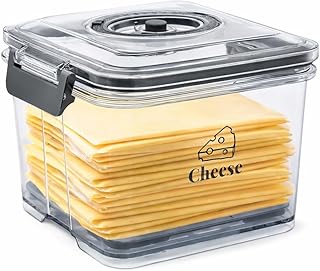
Proper handling of sliced deli cheese is crucial in extending its shelf life and maintaining its freshness. One key aspect of this is wrapping the cheese correctly after each use. This can be done using plastic wrap or aluminum foil, ensuring that the cheese is completely covered to prevent exposure to air, which can cause it to dry out and lose its flavor. For longer storage, consider using a cheese storage container or a resealable plastic bag, removing as much air as possible before sealing.
Another important tip is to avoid cross-contamination. This means keeping the cheese away from other foods, especially those with strong odors or high moisture content, as these can affect the cheese's taste and texture. It's also essential to use clean utensils and cutting boards when handling the cheese to prevent the transfer of bacteria or other contaminants.
In addition to these general guidelines, there are a few more specific tips to keep in mind. For instance, if you're planning to store the cheese for an extended period, it's best to keep it in the coldest part of the refrigerator, typically the bottom shelf. This will help to slow down the aging process and keep the cheese fresh for longer. However, it's important to note that even with proper storage, sliced deli cheese should be consumed within a reasonable timeframe, usually within 3 to 5 days of opening.
By following these handling tips, you can help to ensure that your sliced deli cheese remains fresh and flavorful for as long as possible. Remember, proper storage and handling are key to getting the most out of your cheese, so take the time to wrap it correctly and keep it away from potential contaminants. With these simple steps, you can enjoy your cheese for days to come.
Unwrapping the Mystery: Shelf Life of Individually Wrapped String Cheese
You may want to see also
Frequently asked questions
Sliced deli cheese typically lasts 3 to 5 days when stored properly in the refrigerator. It's important to keep it in an airtight container or wrap it tightly in plastic wrap or aluminum foil to prevent it from drying out or absorbing odors from other foods.
Yes, sliced deli cheese can be frozen for longer storage. It's best to wrap it tightly in plastic wrap or aluminum foil, then place it in a freezer-safe bag or container. Frozen deli cheese can last up to 2 months. When you're ready to use it, thaw it in the refrigerator overnight.
There are several signs that sliced deli cheese has gone bad. If it has an off or sour smell, slimy texture, or visible mold, it's best to discard it. Additionally, if the cheese has dried out and become hard or crumbly, it's also past its prime. Always check the expiration date on the packaging and use your best judgment when determining whether the cheese is still safe to eat.