Patrick Oconnell
Melting queso cheese is a simple process that can elevate your culinary creations, whether you're preparing a classic cheese dip, a savory sauce, or a topping for your favorite dishes. To achieve the perfect melt, start by selecting a high-quality queso cheese, such as Monterey Jack, cheddar, or a blend specifically designed for melting. Next, ensure you have the right equipment on hand, including a saucepan, a whisk or spatula, and a heat source that allows for gentle, even heating. Begin by cutting the cheese into small, uniform pieces to promote even melting. Place the cheese in the saucepan over low to medium heat, stirring constantly to prevent burning or clumping. As the cheese melts, you can add optional ingredients like milk, cream, or spices to enhance the flavor and texture. Once the cheese has reached your desired consistency, remove it from the heat and use it immediately to enjoy its rich, gooey goodness.
Explore related products


What You'll Learn
- Choosing the Right Cheese: Select a high-quality queso cheese that melts well for best results
- Preparation Methods: Decide between melting on the stovetop, in the microwave, or in the oven
- Temperature Control: Monitor and adjust the heat to prevent burning or overcooking the cheese
- Stirring Techniques: Continuously stir the cheese to ensure even melting and a smooth texture
- Adding Flavorings: Consider incorporating additional ingredients like spices, herbs, or vegetables for enhanced flavor

Choosing the Right Cheese: Select a high-quality queso cheese that melts well for best results
Selecting the right cheese is crucial for achieving the perfect melted queso. High-quality queso cheese that melts well is the key to a smooth, creamy texture. When choosing your cheese, look for brands that specifically state "melts well" or "perfect for melting" on the packaging. These cheeses are often made with specific melting properties in mind and will give you the best results.
Avoid using pre-shredded cheese, as it often contains additives that can affect the melting process. Instead, opt for a block of cheese and shred it yourself just before melting. This ensures that the cheese melts evenly and smoothly, without any unwanted textures or flavors.
Consider the flavor profile of the cheese as well. While mild cheddar is a popular choice for melted queso, you can also experiment with other varieties like Monterey Jack, mozzarella, or even a blend of cheeses. Each type of cheese will bring its own unique flavor to the dish, so choose one that complements your other ingredients.
When melting the cheese, it's important to do so slowly and evenly. Use a double boiler or a saucepan over low heat, stirring constantly to prevent the cheese from burning or becoming too thick. You can also add a small amount of milk or cream to the cheese to help it melt more smoothly and achieve a creamier consistency.
Remember, the key to perfectly melted queso cheese is to start with a high-quality product that's designed for melting. By choosing the right cheese and following these simple melting techniques, you'll be able to create a delicious, smooth, and creamy queso that's perfect for any occasion.
The Art of Melting Cheese Curds: A Gourmet's Guide
You may want to see also
Explore related products


Preparation Methods: Decide between melting on the stovetop, in the microwave, or in the oven
Melting queso cheese can be done using various methods, each with its own advantages and potential drawbacks. The three most common methods are melting on the stovetop, in the microwave, or in the oven. The choice of method depends on the desired texture, the amount of cheese being melted, and personal preference.
Melting queso cheese on the stovetop is a traditional method that allows for precise control over the heat. To do this, place the cheese in a saucepan over low to medium heat, stirring constantly to prevent burning. This method is ideal for achieving a smooth, creamy texture and is suitable for melting small to medium quantities of cheese. However, it requires careful attention to avoid overheating, which can cause the cheese to become grainy or separate.
Using a microwave to melt queso cheese is a quick and convenient option. Simply place the cheese in a microwave-safe bowl, cover it with a damp paper towel, and microwave on high for 30-second intervals, stirring between each interval. This method is efficient for melting small amounts of cheese and is particularly useful when time is a factor. However, microwaving can sometimes result in a less smooth texture compared to stovetop melting, and there is a risk of overheating if not monitored closely.
Melting queso cheese in the oven is a method that allows for larger quantities of cheese to be melted at once. Preheat the oven to 350°F (175°C), place the cheese in an oven-safe dish, and cover it with aluminum foil. Bake for 15-20 minutes, or until the cheese is fully melted and smooth. This method is ideal for melting large amounts of cheese and is suitable for preparing dishes like nachos or cheese dips. However, it requires more time than stovetop or microwave melting and may result in a slightly drier texture if not covered properly.
In conclusion, the choice of melting method for queso cheese depends on the specific needs of the recipe and personal preference. Each method has its own benefits and potential drawbacks, and experimenting with different techniques can help determine the best approach for a particular situation.
The Art of Melting Cheese to Perfection for Your Burger
You may want to see also
Explore related products


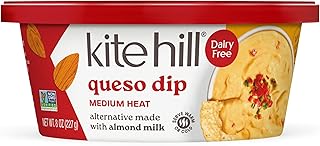


Temperature Control: Monitor and adjust the heat to prevent burning or overcooking the cheese
To achieve the perfect melt without burning or overcooking your queso cheese, it's crucial to master the art of temperature control. This involves a delicate balance of monitoring the heat source and adjusting it as necessary to maintain the ideal temperature range for melting cheese.
One effective method is to use a double boiler setup, where the cheese is placed in a heatproof bowl set over a pot of simmering water. This indirect heat source allows for gentle and even melting, reducing the risk of burning. It's important to keep the water at a steady simmer, as boiling water can cause the cheese to melt too quickly and potentially burn.
Another option is to use a slow cooker or a fondue pot, which are designed to maintain a consistent low temperature over an extended period. These appliances are ideal for melting large quantities of cheese or for keeping it warm for serving. When using a slow cooker, it's best to set it to the lowest heat setting and to check the cheese frequently to ensure it's melting evenly.
Regardless of the method you choose, it's essential to monitor the cheese's progress closely. Look for signs of melting, such as a change in texture or the formation of small pools of oil on the surface. If the cheese appears to be melting too quickly or unevenly, adjust the heat source accordingly. It's also important to stir the cheese occasionally to promote even melting and to prevent it from sticking to the bottom of the pot or bowl.
Remember, the key to successful temperature control is patience and vigilance. By taking the time to monitor and adjust the heat as needed, you can ensure that your queso cheese melts to perfection, with a smooth, creamy texture and a rich, savory flavor.
Mastering the Art of Melting Brie Cheese in the Microwave
You may want to see also
Explore related products


Stirring Techniques: Continuously stir the cheese to ensure even melting and a smooth texture
Continuously stirring the cheese is crucial when melting queso to achieve a uniform consistency and prevent burning. This technique ensures that the heat is evenly distributed throughout the cheese, which helps in creating a smooth and creamy texture. Stirring also incorporates air into the mixture, which can make the melted cheese appear fluffier and more voluminous.
To effectively stir melted queso, use a spatula or a whisk designed for high-heat cooking. These utensils are typically made from materials that can withstand the high temperatures involved in melting cheese without melting or warping. Avoid using wooden utensils, as they can burn or catch fire when exposed to high heat for extended periods.
Stir the cheese in a gentle, yet consistent motion. Vigorous stirring can cause the cheese to become too aerated, leading to a frothy texture that may not be desirable. On the other hand, insufficient stirring can result in hot spots where the cheese burns or becomes too thick. Aim for a steady rhythm that keeps the cheese moving smoothly around the pan.
Pay close attention to the cheese as it melts, adjusting the heat as necessary to maintain a consistent temperature. If the cheese begins to thicken or show signs of burning, reduce the heat and stir more vigorously to incorporate more air and prevent sticking. Conversely, if the cheese is melting too slowly, increase the heat slightly and continue stirring to ensure even melting.
By mastering the art of stirring melted queso, you can achieve a perfectly smooth and creamy texture that is ideal for dips, sauces, and other culinary creations. Remember to be patient and attentive, as the key to successful cheese melting lies in the careful balance of heat and continuous stirring.
The Melting Magic of Havarti: A Cheese Lover's Guide
You may want to see also
Explore related products
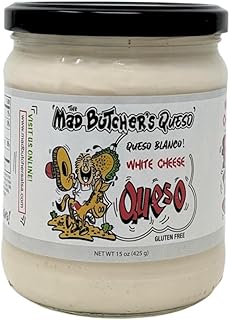


Adding Flavorings: Consider incorporating additional ingredients like spices, herbs, or vegetables for enhanced flavor
To elevate your melted queso cheese, consider the art of adding flavorings. This isn't just about dumping in spices; it's about creating a harmonious blend that complements the rich, creamy texture of the cheese. Start by understanding the flavor profile of your queso. Is it sharp and tangy, or mild and buttery? Once you know this, you can begin to experiment with additions that will enhance, not overpower, the cheese's natural taste.
For a sharp, tangy queso, you might consider adding a pinch of smoked paprika or a dash of cayenne pepper to introduce a subtle smokiness or heat. If your queso is on the milder side, a sprinkle of dried oregano or thyme could add an aromatic depth. Remember, the key is to balance. Too much of any spice can overwhelm the cheese, so start with small amounts and taste as you go.
Herbs are another excellent way to add flavor. Fresh cilantro or parsley can bring a bright, fresh note to your melted queso, while dried herbs like basil or rosemary can infuse a more intense, earthy flavor. When using fresh herbs, add them towards the end of the melting process to preserve their delicate flavor and vibrant color.
Vegetables can also play a crucial role in flavoring your queso. Sautéed onions and garlic are classic additions that can add a savory depth. For a bit of sweetness and crunch, try adding diced bell peppers or jalapeños. If you're feeling adventurous, experiment with less traditional additions like roasted tomatoes or caramelized mushrooms. These can add a complex, umami flavor that pairs beautifully with the richness of the cheese.
When incorporating these flavorings, it's important to consider the melting process. Some spices and herbs can release their flavors more effectively when heated, while others may lose their potency. For best results, add spices and dried herbs early in the melting process, allowing them to infuse their flavors into the cheese as it melts. Fresh herbs and vegetables, on the other hand, should be added later to maintain their texture and flavor integrity.
In conclusion, adding flavorings to melted queso cheese is a delicate balance of enhancing without overpowering. By carefully selecting and incorporating spices, herbs, and vegetables, you can create a truly unique and delicious queso experience that goes beyond the ordinary.
The Truth About Melted Cheese: Is It Really Worse for You?
You may want to see also
Frequently asked questions
The best types of cheese for melting queso are typically Monterey Jack, Cheddar, or a blend that includes these cheeses. They melt smoothly and have a great flavor.
To melt queso cheese evenly, use a double boiler or a microwave-safe bowl. If using a double boiler, place the cheese in the top pot and heat over simmering water, stirring occasionally. If using a microwave, heat the cheese in 30-second intervals, stirring between each interval until fully melted.
Yes, you can add various ingredients to enhance the flavor of your melted queso. Popular additions include diced tomatoes, green chiles, jalapeños, onions, garlic, and cilantro. You can also mix in some sour cream or cream cheese for a creamier texture.


![Queso De Freir. This frying cheese which is low on the carb and gluten-free. It fries to crispy, golden brown and does not require any breading. It can be served as an appetizer, or as part of a meal with eggs, plantains, etc. [ 40 oz , 2.5 lb ]](https://m.media-amazon.com/images/I/513MLoApZAL._AC_UL320_.jpg)