Patrick Oconnell
When it comes to cooking and baking, the melting properties of pre-shredded cheese are a common topic of discussion. Pre-shredded cheese, which is often sold in convenient packages, can indeed melt, but its melting behavior might differ from that of freshly shredded cheese. The key factors influencing its melting ability include the type of cheese, the presence of any additives or preservatives, and the moisture content. Cheeses like mozzarella, cheddar, and Monterey Jack are known for their excellent melting qualities, whether pre-shredded or not. However, some pre-shredded cheeses may contain anti-caking agents that can affect their melting texture, making them less smooth and more prone to clumping. Understanding these nuances can help you choose the right pre-shredded cheese for your recipes and achieve the desired melting results.
Explore related products




What You'll Learn
- Types of Pre-Shredded Cheese: Mozzarella, cheddar, Monterey Jack, and blends like Mexican or Italian
- Melting Properties: How pre-shredded cheese melts compared to freshly shredded or block cheese
- Factors Affecting Melting: The impact of moisture content, fat content, and additives on melting
- Best Uses for Pre-Shredded Cheese: Ideal dishes like pizzas, casseroles, and grilled sandwiches
- Storage and Shelf Life: Tips on storing pre-shredded cheese to maintain quality and prevent spoilage

Types of Pre-Shredded Cheese: Mozzarella, cheddar, Monterey Jack, and blends like Mexican or Italian
Mozzarella, cheddar, Monterey Jack, and various blends like Mexican or Italian are common types of pre-shredded cheese available in the market. Each type has its unique melting properties and culinary applications. Mozzarella, for instance, is renowned for its excellent melting qualities, making it a staple in pizza and pasta dishes. Its high moisture content and mild flavor allow it to melt smoothly and evenly, creating a creamy texture that complements a wide range of ingredients.
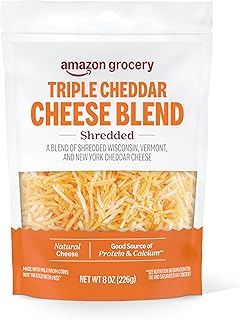
Cheddar cheese, on the other hand, offers a sharper flavor profile and a slightly firmer texture compared to mozzarella. While it may not melt as seamlessly as mozzarella, cheddar still performs well in various dishes, such as casseroles, soups, and sandwiches. Its rich, tangy taste adds depth and complexity to recipes, making it a popular choice for those seeking a more pronounced cheese flavor.
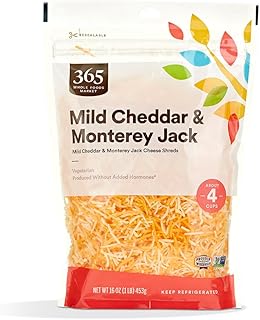
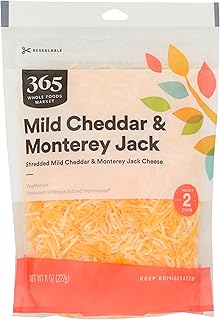
Monterey Jack cheese is another versatile option that melts well and provides a mild, buttery taste. It is often used in Mexican cuisine, particularly in dishes like quesadillas and nachos, where its smooth melting properties and subtle flavor enhance the overall taste without overpowering other ingredients.
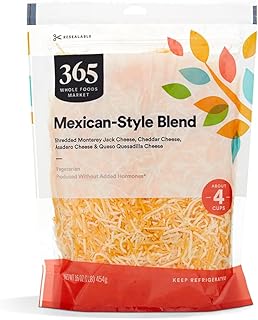
Blends like Mexican or Italian cheese combine different types of cheese to create a unique flavor profile and melting characteristic. Mexican cheese blends typically include a combination of cheddar, Monterey Jack, and sometimes mozzarella, offering a balance of sharpness, creaminess, and mildness that works well in Tex-Mex dishes. Italian cheese blends, on the other hand, often feature a mix of mozzarella, provolone, and Parmesan, providing a rich, savory taste that is perfect for pasta dishes, pizzas, and antipasto platters.
When selecting pre-shredded cheese for a specific recipe, it is essential to consider the melting properties and flavor profile of each type to ensure the best results. By understanding the characteristics of mozzarella, cheddar, Monterey Jack, and various blends, home cooks can make informed choices that enhance the taste and texture of their culinary creations.
The Melting Mystery: Pepper Jack Cheese's Perfect Melt
You may want to see also
Explore related products


Melting Properties: How pre-shredded cheese melts compared to freshly shredded or block cheese
The melting properties of pre-shredded cheese are often a subject of curiosity for culinary enthusiasts and home cooks alike. When compared to freshly shredded or block cheese, pre-shredded cheese exhibits distinct melting characteristics that can impact the texture and flavor of a dish.
One of the primary differences lies in the surface area. Pre-shredded cheese has a larger surface area due to its smaller size, which allows it to melt more quickly and evenly. This can be advantageous in recipes where a smooth, melted texture is desired, such as in sauces or casseroles. However, the increased surface area also means that pre-shredded cheese is more prone to drying out and losing moisture during the melting process, potentially resulting in a less creamy consistency.
Freshly shredded cheese, on the other hand, has a lower surface area and therefore melts at a slower rate. This can be beneficial in dishes where a more gradual melting process is preferred, allowing for better control over the texture and preventing the cheese from drying out too quickly. However, freshly shredded cheese may not melt as evenly as pre-shredded cheese, leading to pockets of unmelted cheese in the final dish.
Block cheese presents a unique melting profile compared to both pre-shredded and freshly shredded cheese. Due to its larger size and lower surface area, block cheese melts more slowly and retains more moisture during the process. This results in a creamier, more luxurious texture that is often preferred in dishes like grilled cheese sandwiches or cheese platters. However, the slower melting rate of block cheese can make it less suitable for recipes that require quick and even melting.
In conclusion, the melting properties of pre-shredded cheese, freshly shredded cheese, and block cheese are influenced by their respective surface areas and moisture content. Each type of cheese has its own advantages and disadvantages in terms of melting speed, texture, and flavor, making them suitable for different culinary applications. Understanding these differences can help cooks and chefs select the most appropriate cheese for their specific needs and achieve the desired results in their dishes.
The Melting Magic of Havarti: A Cheese Lover's Guide
You may want to see also
Explore related products


Factors Affecting Melting: The impact of moisture content, fat content, and additives on melting
The melting properties of cheese are significantly influenced by its moisture content. Cheese with higher moisture content tends to melt more easily and smoothly because the water molecules help to break down the protein structure, allowing the cheese to flow more readily when heated. Conversely, cheese with lower moisture content may not melt as well, resulting in a drier, less cohesive texture. This is why fresh mozzarella, which has a high moisture content, melts beautifully on pizza, while aged cheddar, with its lower moisture content, may not melt as smoothly.
Fat content also plays a crucial role in the melting process. Cheese with higher fat content tends to melt at a lower temperature and has a more fluid, stretchy texture when melted. This is because the fat molecules help to lubricate the protein structure, allowing it to unfold and flow more easily. For example, high-fat cheeses like Brie or Camembert melt very well and are often used in dishes where a creamy, melted texture is desired. On the other hand, low-fat cheeses may require higher temperatures to melt and may not achieve the same level of creaminess.
Additives can also impact the melting properties of cheese. Some additives, such as emulsifiers and stabilizers, can help to improve the meltability of cheese by preventing the protein structure from becoming too rigid or by helping to maintain a consistent texture when melted. These additives are often used in processed cheese products to ensure a smooth, even melt. However, natural cheeses typically do not contain these additives, which can affect their melting properties.
In the case of pre-shredded cheese, the melting properties can be influenced by all of these factors. Pre-shredded cheese often has a lower moisture content than fresh cheese, which can affect its meltability. Additionally, the fat content of pre-shredded cheese can vary depending on the type of cheese used. Additives may also be present in pre-shredded cheese to help maintain its texture and prevent clumping. Understanding these factors can help you choose the right type of pre-shredded cheese for your melting needs and ensure that you achieve the desired texture and flavor in your dishes.
The Melting Point: Exploring the Wonders of Plant-Based Cheese
You may want to see also
Explore related products
![Mexican Style Four Cheese Blend Shredded Cheese , This finely shredded cheese comes pre-shredded for easy meal prep to be used in your familys favorite taco salad, tacos, quesadillas, and more. Each bag is resealable to help lock in flavor. Made with milk from cows raised without added rbST hormone. No significant difference has been shown between milk derived from rbST-treated and non-rbST treated cows. [ 16 oz , 1 lb ] .., 2 pk](https://m.media-amazon.com/images/I/610ZZ+yCKBL._AC_UL320_.jpg)


Best Uses for Pre-Shredded Cheese: Ideal dishes like pizzas, casseroles, and grilled sandwiches
Pre-shredded cheese is a versatile ingredient that can elevate a variety of dishes with its convenience and consistent melting properties. One of the best uses for pre-shredded cheese is in pizzas, where it can be evenly distributed across the surface, ensuring a uniform melt and a delightful blend of flavors. The key to achieving the perfect melt is to use a cheese blend specifically designed for pizza, which typically includes mozzarella, cheddar, and other varieties that complement each other when heated.
In addition to pizzas, pre-shredded cheese is ideal for casseroles, where it can be mixed directly into the dish or sprinkled on top before baking. This not only adds a rich, creamy texture but also creates a golden-brown crust that is both visually appealing and delicious. When using pre-shredded cheese in casseroles, it's important to consider the melting point of the cheese blend, as some varieties may melt more quickly than others, affecting the overall consistency of the dish.
Grilled sandwiches are another excellent application for pre-shredded cheese, as it can be easily incorporated into the filling and melts beautifully when the sandwich is toasted. To achieve the best results, it's recommended to use a cheese blend that includes mozzarella and cheddar, as these varieties provide a good balance of flavor and melting properties. When assembling the sandwich, be sure to distribute the cheese evenly to ensure a consistent melt and avoid any dry spots.
When using pre-shredded cheese in any of these dishes, it's important to keep in mind that the melting properties may vary depending on the specific blend and brand. Some pre-shredded cheeses may contain additives to prevent clumping, which can affect the way they melt. To ensure the best results, it's recommended to experiment with different brands and blends to find the one that works best for your favorite dishes.
In conclusion, pre-shredded cheese is a convenient and versatile ingredient that can be used in a variety of dishes, from pizzas and casseroles to grilled sandwiches. By understanding the melting properties of different cheese blends and using them appropriately, you can achieve delicious results every time.
Mastering the Art of Melting Chihuahua Cheese: A Delicious Guide
You may want to see also
Explore related products


Storage and Shelf Life: Tips on storing pre-shredded cheese to maintain quality and prevent spoilage
Proper storage of pre-shredded cheese is crucial to maintain its quality and prevent spoilage. Cheese, especially when shredded, is more susceptible to drying out and absorbing odors from other foods in the refrigerator. To keep your pre-shredded cheese fresh, it's essential to store it in an airtight container or resealable plastic bag. This will help to minimize exposure to air and moisture, which can lead to mold growth and an unpleasant texture.
When storing pre-shredded cheese, it's also important to consider the temperature. Cheese should be stored in the coldest part of the refrigerator, typically the bottom shelf, to slow down the growth of bacteria and mold. The ideal temperature for storing cheese is between 35°F and 40°F (1.6°C and 4.4°C). If you're not planning to use the cheese within a week, you can also freeze it. However, be aware that freezing can alter the texture of the cheese, making it more crumbly when thawed.
Another tip for maintaining the quality of pre-shredded cheese is to avoid washing it before storage. Washing cheese can introduce moisture, which can lead to spoilage. Instead, if you need to clean the cheese, do so just before using it. Additionally, try to use the cheese within a few days of opening the package to ensure the best flavor and texture.
In summary, to maintain the quality and prevent spoilage of pre-shredded cheese, store it in an airtight container or resealable plastic bag in the coldest part of the refrigerator. Avoid washing the cheese before storage and use it within a few days of opening the package for the best results.
Unraveling the Science: Is Melting Cheese a Chemical Transformation?
You may want to see also
Frequently asked questions
Pre-shredded cheese generally melts well, but it might not be as smooth or even as freshly shredded cheese due to potential differences in texture and exposure to air.
Factors such as the type of cheese, how long it has been shredded, storage conditions, and the presence of any additives or preservatives can influence the melting quality of pre-shredded cheese.
Cheeses like mozzarella, cheddar, and Monterey Jack are known for their good melting properties, whether pre-shredded or freshly shredded. However, the melting quality can still be affected by the factors mentioned earlier.

![Mozzarella Shredded Cheese , This bag of cheese comes pre-shredded to save you prep time and easily blends with other flavors for a delicious meal every time. Use as pizza , pasta dishes, as a topping for salads, and more. Each bag is resealable to help lock in flavor. Made with milk from cows raised . No significant difference has been shown between milk derived from rbST-treated and non-rbST treated cows. [16 oz , 1 lb ] ..2 pk.](https://m.media-amazon.com/images/I/61aVvmr3DSL._AC_UL320_.jpg)


![Sharp Cheddar Finely Shredded Cheese , This easy to melt cheese comes pre-shredded, so it sprinkles evenly over any dish to add gooey goodness. Layer this finely shredded cheese in casseroles, sprinkle it over salads, use it on homemade pizzas or to make ordinary pasta dishes extraordinary. Each bag of cheese is resealable to help lock in flavor. [ 16 oz , 1 pound ] 2pk](https://m.media-amazon.com/images/I/61t6kM4RMwL._AC_UL320_.jpg)