Kamil Perry
Plant-based cheese, a popular alternative to traditional dairy cheese, is often made from nuts, seeds, or soy. One common question among consumers is whether plant-based cheese melts like its dairy counterpart. The melting properties of plant-based cheese can vary depending on the ingredients and production process. Some types, such as those made from cashews or soy, can melt quite well when heated, making them suitable for dishes like grilled cheese sandwiches or melted cheese toppings. However, others may not melt as smoothly or may require additional ingredients to achieve a desirable melting consistency. Understanding the melting characteristics of different plant-based cheeses can help consumers make informed choices when selecting alternatives for their dietary needs or preferences.
Explore related products


What You'll Learn
- Ingredients in Plant-Based Cheese: Explore common components like soy, almond, or coconut milk, and their impact on melting properties
- Melting Mechanisms: Discuss how plant-based cheeses achieve melting, often through the addition of oils or specific starches
- Comparison to Dairy Cheese: Analyze the differences in melting points and textures between plant-based and traditional dairy cheeses
- Best Practices for Melting: Provide tips on how to optimally melt plant-based cheese, including temperature and method recommendations
- Popular Plant-Based Cheese Brands: Review well-known brands and their melting qualities, offering insights into consumer preferences and product performance

Ingredients in Plant-Based Cheese: Explore common components like soy, almond, or coconut milk, and their impact on melting properties
Plant-based cheeses are crafted from a variety of ingredients, each contributing unique properties that influence the final product's texture, flavor, and melting characteristics. Common bases include soy, almond, and coconut milk, which are chosen for their ability to mimic the creamy consistency of dairy milk. Soy milk, for instance, is a popular choice due to its high protein content, which helps in creating a firm yet meltable cheese. Almond milk, on the other hand, offers a subtle nutty flavor and a naturally creamy texture that enhances the cheese's meltability. Coconut milk is prized for its rich, tropical taste and its ability to add a smooth, velvety mouthfeel.
The melting properties of plant-based cheeses are significantly impacted by the type of milk used. Soy-based cheeses tend to melt well due to their protein structure, which allows them to stretch and flow when heated. Almond-based cheeses also melt effectively, thanks to their natural oils and lecithin content, which act as emulsifiers. Coconut-based cheeses, however, can be more challenging to melt due to their high fat content, which can cause them to separate or become too greasy when heated.
In addition to the milk base, other ingredients play a crucial role in determining the melting properties of plant-based cheeses. For example, the use of tapioca starch or agar-agar can help create a more cohesive and meltable texture. These starches act as gelling agents, providing structure and stability to the cheese while allowing it to melt smoothly. Similarly, the addition of nutritional yeast can enhance the cheese's flavor and contribute to a more desirable melting quality.
When crafting plant-based cheeses, it's essential to consider the interplay between ingredients and their impact on the final product's melting properties. By carefully selecting and combining the right ingredients, it's possible to create plant-based cheeses that melt beautifully and offer a satisfying culinary experience. Experimenting with different milk bases and additives can lead to the discovery of unique flavor profiles and textures, making plant-based cheese a versatile and exciting alternative to traditional dairy cheese.
The Melting Mystery: Does Violife Cheese Measure Up?
You may want to see also
Explore related products




Melting Mechanisms: Discuss how plant-based cheeses achieve melting, often through the addition of oils or specific starches
Plant-based cheeses achieve melting through various mechanisms, primarily involving the addition of specific ingredients that mimic the melting properties of dairy cheese. One common method is the incorporation of oils, such as coconut oil or canola oil, which lower the melting point of the cheese and provide a smooth, creamy texture when heated. These oils also contribute to the overall flavor profile and help in creating a more authentic cheese-like experience.
Another key ingredient in plant-based cheeses is starch, particularly tapioca starch or potato starch. These starches act as thickening agents and help in creating a gooey, stretchy consistency when the cheese is melted. They also provide a neutral base that allows other flavors to shine through, making the cheese more versatile in various culinary applications.
In addition to oils and starches, some plant-based cheeses use a combination of plant proteins and gums to enhance their melting properties. Proteins derived from sources like soy, pea, or rice can help in creating a more cohesive and elastic texture, while gums such as carrageenan or xanthan gum can improve the cheese's ability to stretch and melt smoothly.
The melting process in plant-based cheeses is often more delicate than that of dairy cheeses, requiring careful temperature control to achieve the desired consistency. Overheating can cause the cheese to become too runny or even burn, while underheating may result in a cheese that doesn't melt properly. As a result, many plant-based cheese manufacturers provide specific melting instructions on their packaging to help consumers achieve the best results.
Overall, the melting mechanisms in plant-based cheeses involve a combination of carefully selected ingredients and precise temperature control. By understanding these mechanisms, consumers can better appreciate the complexities involved in creating a delicious, meltable plant-based cheese and make more informed choices when selecting products for their culinary needs.
The Melting Mystery: Unraveling the Secrets of Romano Cheese
You may want to see also
Explore related products





Comparison to Dairy Cheese: Analyze the differences in melting points and textures between plant-based and traditional dairy cheeses
Plant-based cheeses and traditional dairy cheeses exhibit distinct differences in their melting points and textures, which are critical factors for culinary applications. Dairy cheeses, such as cheddar or mozzarella, typically have a higher melting point due to their natural fats and proteins, which allows them to melt smoothly and evenly when heated. In contrast, plant-based cheeses often have lower melting points and may not melt as uniformly, which can affect their performance in recipes that require a gooey or stretchy texture.
The texture of dairy cheese is generally more elastic and stringy when melted, thanks to the presence of casein proteins. Plant-based cheeses, on the other hand, may have a softer, more crumbly texture when melted, depending on the ingredients used. For instance, cheeses made from nuts or seeds might have a grainier texture compared to those made from soy or coconut oil.
One of the key factors influencing the melting properties of plant-based cheeses is the type of fat used. Saturated fats, like those found in coconut oil, tend to have a higher melting point, which can help plant-based cheeses achieve a more desirable melt. Conversely, unsaturated fats, such as those in olive oil, have a lower melting point and may result in a softer, less cohesive melt.
In terms of practical applications, understanding these differences is essential for chefs and home cooks alike. When substituting plant-based cheese for dairy cheese in a recipe, it's important to consider how the melting point and texture will impact the final dish. For example, a plant-based cheese with a lower melting point might be better suited for a sauce or dip, where a smooth, even melt is less critical, while a dairy cheese would be ideal for a grilled cheese sandwich, where a stretchy, gooey texture is desired.
Ultimately, the choice between plant-based and dairy cheese depends on the specific needs of the recipe and the preferences of the consumer. By understanding the differences in melting points and textures, cooks can make informed decisions and achieve the best possible results in their culinary creations.
The Art of Melting Laughing Cow Cheese: A Delicious Guide
You may want to see also
Explore related products


Best Practices for Melting: Provide tips on how to optimally melt plant-based cheese, including temperature and method recommendations
To achieve the perfect melt with plant-based cheese, it's crucial to understand the unique properties of these dairy alternatives. Unlike traditional cheese, plant-based varieties often have different melting points and consistencies, which can affect the final result. Here are some best practices to ensure your plant-based cheese melts optimally:
- Choose the Right Cheese: Not all plant-based cheeses are created equal when it comes to melting. Look for brands specifically designed for melting, as they often contain ingredients like tapioca starch or agar-agar that help achieve a smooth, stretchy texture.
- Preheat Your Pan or Griddle: Before adding the cheese, make sure your cooking surface is properly heated. A medium-low heat setting is usually ideal, as it allows the cheese to melt gradually without burning or becoming too greasy.
- Use a Non-Stick Surface or Oil: To prevent the cheese from sticking, use a non-stick pan or griddle, or lightly coat the surface with oil. This will also help create a crispy, golden crust on the outside while the cheese melts on the inside.
- Shred or Slice the Cheese: For even melting, shred or thinly slice the cheese before adding it to the pan. This increases the surface area, allowing the heat to distribute more evenly and preventing clumps from forming.
- Cover and Let it Melt: Once the cheese is on the pan, cover it with a lid or aluminum foil to trap the heat and moisture. This will help the cheese melt more quickly and achieve a gooey, stretchy consistency.
- Stir Gently: After a few minutes, gently stir the cheese to ensure it's melting evenly. Be careful not to over-stir, as this can cause the cheese to become too greasy or lose its stretchiness.
- Add Liquid if Necessary: If the cheese isn't melting as smoothly as you'd like, you can add a small amount of liquid, such as water, milk, or cream. This will help lower the melting point and create a creamier texture.
By following these best practices, you can achieve a perfectly melted plant-based cheese that's ideal for sandwiches, pizzas, or any other dish that calls for gooey, stretchy cheese. Remember to experiment with different brands and types of plant-based cheese to find the one that melts best for your taste preferences and cooking style.
The Melting Mystery: Why Your Parmesan Cheese Won't Melt
You may want to see also
Explore related products


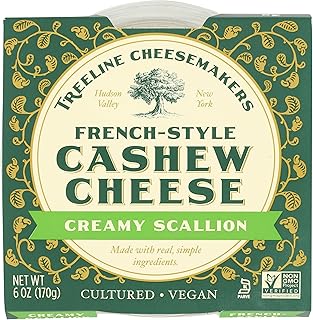
Popular Plant-Based Cheese Brands: Review well-known brands and their melting qualities, offering insights into consumer preferences and product performance
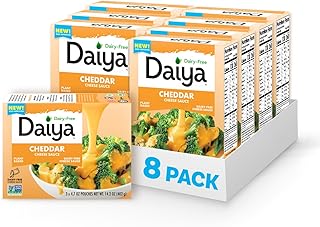
Daiya is a well-known brand in the plant-based cheese market, particularly recognized for its excellent melting qualities. Their cheese shreds and slices are often praised for their ability to melt smoothly and evenly, making them a popular choice for pizzas, sandwiches, and other dishes where melted cheese is desired. Daiya's products are made from a blend of plant-based ingredients, including tapioca starch, coconut oil, and pea protein, which contribute to their superior melting performance.
Another popular brand is Follow Your Heart, which offers a range of plant-based cheese products, including their signature Vegenaise cheese sauce. This brand is known for its creamy and rich cheese alternatives, which are made from ingredients like soy protein, coconut oil, and nutritional yeast. Follow Your Heart's cheese products are often used in vegan recipes and are appreciated for their ability to replicate the taste and texture of traditional dairy cheese.
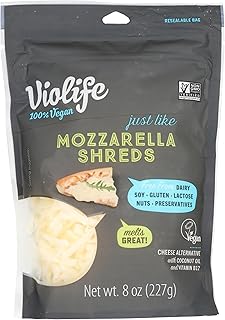
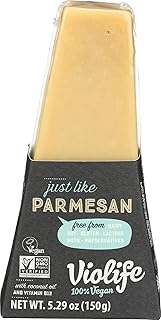
Violife is a European brand that has gained popularity for its wide variety of plant-based cheese products, including slices, shreds, and blocks. Their cheeses are made from a combination of plant-based oils, starches, and proteins, and are known for their good melting properties. Violife's products are often used in vegan cooking and baking, and are appreciated for their ability to add a cheesy flavor to a variety of dishes.
Miyoko's Creamery is a premium brand that offers a range of artisanal plant-based cheese products. Their cheeses are made from a blend of plant-based ingredients, including cashews, coconut oil, and nutritional yeast, and are known for their rich and complex flavors. Miyoko's Creamery's products are often used in gourmet vegan recipes and are appreciated for their ability to elevate the taste of a dish.
In terms of consumer preferences, many people choose plant-based cheese brands based on factors such as taste, texture, and melting qualities. Brands that offer products with a creamy and rich texture, as well as good melting properties, tend to be more popular among consumers. Additionally, brands that use high-quality and natural ingredients are often preferred by health-conscious consumers.
Overall, the plant-based cheese market offers a variety of options for consumers, with different brands catering to different tastes and preferences. Brands like Daiya, Follow Your Heart, Violife, and Miyoko's Creamery have established themselves as leaders in the market, offering high-quality products that are appreciated for their taste, texture, and melting qualities.
Unraveling the Science: Is Melting Cheese a Chemical Transformation?
You may want to see also
Frequently asked questions
Plant-based cheese can melt, but it often doesn't melt as smoothly or uniformly as dairy cheese due to the different composition and lack of casein, a protein found in dairy that aids in melting.
Common ingredients in meltable plant-based cheeses include soy protein, almond milk, coconut oil, and various starches. Some brands also use tapioca flour or potato starch to improve meltability.
To improve the melting quality of plant-based cheese, you can try heating it slowly and evenly, using a cheese alternative specifically designed for melting, or adding a small amount of oil or non-dairy milk to help it melt more smoothly.