Andy Montoya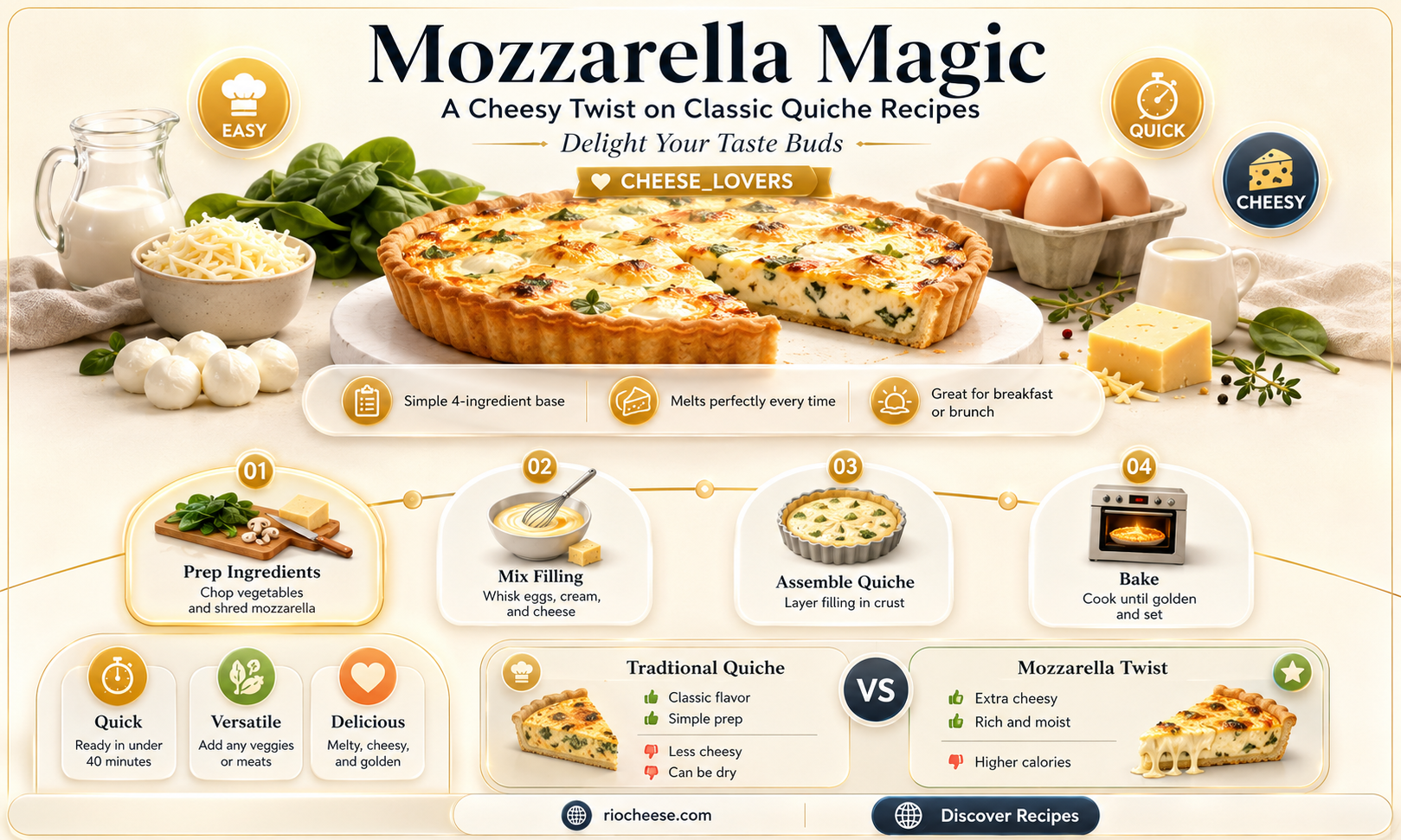
When it comes to crafting the perfect quiche, the choice of cheese is crucial. While traditional recipes often call for Gruyère or Cheddar, mozzarella cheese offers a unique twist. Known for its mild flavor and excellent melting properties, mozzarella can create a deliciously creamy texture in your quiche. However, it's important to consider the moisture content of mozzarella, as it can release more liquid than other cheeses during baking, potentially affecting the quiche's consistency. To balance this, you might want to pair mozzarella with a firmer cheese or adjust the amount of eggs and cream in your recipe. Additionally, mozzarella's subtle taste allows it to complement a wide range of fillings, from classic ham and mushroom to more adventurous spinach and artichoke combinations.
Explore related products


What You'll Learn
- Mozzarella's Mild Flavor: Mozzarella's mild taste complements quiche fillings without overpowering other ingredients
- Melting Properties: Mozzarella melts well, creating a creamy texture that enhances the quiche's overall mouthfeel
- Moisture Content: Mozzarella's high moisture content can affect the quiche's consistency, requiring adjustments to other ingredients
- Pairing with Fillings: Mozzarella pairs well with various quiche fillings, such as vegetables, meats, and herbs
- Nutritional Considerations: Mozzarella adds protein and calcium to quiche, but also increases fat and calorie content

Mozzarella's Mild Flavor: Mozzarella's mild taste complements quiche fillings without overpowering other ingredients
Mozzarella's mild flavor profile makes it an excellent choice for quiche fillings, as it complements rather than competes with the other ingredients. This subtle taste allows the natural flavors of vegetables, meats, and herbs to shine through, creating a harmonious balance in every bite. For instance, when paired with spinach and feta in a quiche, mozzarella adds a creamy texture without drowning out the distinct tang of the feta or the earthy notes of the spinach.
One of the key benefits of using mozzarella in quiche is its ability to melt smoothly and evenly, providing a consistent, gooey texture throughout the dish. This melting characteristic is particularly important in quiche, where a uniform texture is essential for a pleasing eating experience. Unlike some other cheeses that may become rubbery or separate when heated, mozzarella maintains its integrity and contributes to the overall cohesiveness of the quiche filling.
In terms of preparation, mozzarella can be easily incorporated into quiche fillings. It can be shredded, sliced, or even diced, depending on the desired texture and distribution within the quiche. When combining mozzarella with other ingredients, it's important to ensure that the flavors are well-balanced. For example, if using strong-flavored ingredients like onions or peppers, a smaller amount of mozzarella may be sufficient to avoid overpowering the dish.
Another advantage of mozzarella is its versatility in pairing with various quiche fillings. Whether you're making a classic quiche Lorraine with bacon and onions or a more adventurous option with mushrooms and goat cheese, mozzarella can adapt to the flavor profile without clashing. Its mildness also makes it a great choice for quiches that feature delicate ingredients, such as asparagus or zucchini, allowing these flavors to take center stage.
In conclusion, mozzarella's mild flavor and excellent melting properties make it a valuable addition to quiche fillings. By complementing other ingredients without overpowering them, mozzarella contributes to a well-balanced and delicious quiche that can be customized with a wide variety of fillings.
Mozzarella Magic: A Delicious Twist on Classic Poutine
You may want to see also
Explore related products


Melting Properties: Mozzarella melts well, creating a creamy texture that enhances the quiche's overall mouthfeel
Mozzarella cheese is renowned for its excellent melting properties, which make it a popular choice for various culinary applications, including quiches. When heated, mozzarella undergoes a transformation that results in a creamy, smooth texture that can significantly enhance the mouthfeel of a quiche. This melting quality is due to the cheese's high moisture content and the way its proteins coagulate and stretch when exposed to heat.
In the context of quiche making, the melting properties of mozzarella can be particularly advantageous. As the quiche bakes, the mozzarella melts and integrates with the egg mixture, creating a rich and velvety consistency. This can help to balance the firmness of the eggs and the flakiness of the crust, resulting in a more enjoyable eating experience. Additionally, the mild flavor of mozzarella allows it to complement a wide range of ingredients without overpowering them, making it a versatile choice for quiche fillings.
To make the most of mozzarella's melting properties in a quiche, it's important to consider the type of mozzarella being used. Whole milk mozzarella, with its higher fat content, tends to melt more smoothly and evenly than part-skim or skim milk varieties. Furthermore, the way the cheese is incorporated into the quiche mixture can affect its melting behavior. For optimal results, it's recommended to shred or thinly slice the mozzarella and distribute it evenly throughout the egg mixture before pouring it into the crust.
In summary, the melting properties of mozzarella cheese can greatly enhance the texture and overall appeal of a quiche. By understanding how mozzarella melts and how to best incorporate it into a quiche, home cooks and chefs alike can create delicious and satisfying dishes that showcase the unique qualities of this beloved cheese.
Mozzarella Magic: Elevating Fries to a Cheesy Delight
You may want to see also
Explore related products
![Assorted Mini Quiches , Indulge in the delectable flavors of Assorted Mini Quiches, featuring two mouthwatering varieties: Spinach & Swiss and Three Cheese. Each bite-sized quiche is a perfect blend of savory ingredients encased in a buttery, flaky pastry crust. offering a delightful harmony of flavors with every bite. 48 ct .. [ 36 oz , 2.25 lb ]](https://m.media-amazon.com/images/I/518XPFIAygL._AC_UL320_.jpg)


Moisture Content: Mozzarella's high moisture content can affect the quiche's consistency, requiring adjustments to other ingredients
Mozzarella cheese, beloved for its creamy texture and mild flavor, can be a delightful addition to a quiche. However, its high moisture content poses a unique challenge that requires careful consideration and adjustment of other ingredients to achieve the perfect consistency.
The primary concern when using mozzarella in a quiche is its tendency to release excess moisture during baking. This can result in a soggy crust and a quiche that lacks the desired firmness. To counteract this, it's essential to reduce the amount of liquid in the egg mixture. This can be achieved by using fewer eggs or by incorporating a thicker, more absorbent cheese like Parmesan or Gruyère to balance the moisture levels.
Another strategy is to pre-drain the mozzarella cheese before adding it to the quiche. This can be done by wrapping the cheese in a clean kitchen towel or paper towels and gently pressing it to remove excess moisture. Additionally, allowing the cheese to sit at room temperature for a while before using it can help reduce the amount of liquid it releases during baking.
It's also important to consider the type of mozzarella cheese being used. Low-moisture mozzarella, often found in the form of sticks or blocks, is a better choice for quiche than high-moisture varieties like fresh mozzarella balls. The lower moisture content will result in a firmer quiche with a better texture.
When combining the ingredients, it's crucial to mix them thoroughly to ensure that the moisture is evenly distributed throughout the quiche. This will help prevent any pockets of sogginess and ensure a consistent texture. Finally, baking the quiche at a slightly higher temperature can help to evaporate some of the excess moisture, resulting in a firmer, more delicious final product.
By taking these steps to manage the moisture content of mozzarella cheese, you can create a quiche that is both flavorful and perfectly textured, showcasing the versatility of this popular cheese in a new and exciting way.
Exploring Mozzarella's Role in Authentic Alfredo Sauce Recipes
You may want to see also
Explore related products


Pairing with Fillings: Mozzarella pairs well with various quiche fillings, such as vegetables, meats, and herbs
Mozzarella cheese, known for its mild flavor and excellent melting properties, is a versatile ingredient that can elevate the taste and texture of various quiche fillings. When paired with vegetables, mozzarella adds a creamy richness that complements the natural flavors and textures of the produce. For instance, a quiche filled with spinach and mushrooms benefits from the cheese's subtle taste, which doesn't overpower the earthy notes of the mushrooms or the slight bitterness of the spinach.
In meat-based quiches, mozzarella can provide a delightful contrast to the savory flavors of the meat. Its mildness balances the saltiness and umami of meats like bacon or sausage, creating a harmonious blend of flavors. Additionally, the cheese's melting quality ensures that the quiche remains moist and tender, even when the meat releases its juices during baking.
Herbs also pair exceptionally well with mozzarella in quiches. Fresh herbs like basil, oregano, or thyme add aromatic notes that enhance the cheese's flavor profile. The combination of mozzarella and herbs can transport the taste buds to the Mediterranean, evoking the flavors of a classic Caprese salad in a warm, comforting quiche.
When incorporating mozzarella into a quiche, it's essential to consider the moisture content of the fillings. Since mozzarella has a higher moisture content than some other cheeses, it's crucial to balance this by using fillings that release less liquid during baking. This prevents the quiche from becoming too soggy. Pre-cooking vegetables and meats can help reduce their moisture content, ensuring a perfectly set quiche.
In conclusion, mozzarella cheese is an excellent choice for quiches due to its versatility and ability to pair well with a variety of fillings. Its mild flavor and melting properties make it a valuable ingredient for creating delicious, comforting quiches that cater to different tastes and preferences.
From Homogenized Milk to Mozzarella: A Cheese Lover's Guide
You may want to see also
Explore related products



Nutritional Considerations: Mozzarella adds protein and calcium to quiche, but also increases fat and calorie content
Mozzarella cheese is a popular choice for many dishes, including quiche. However, when considering its use in quiche, it's essential to weigh the nutritional benefits against the potential drawbacks. Mozzarella is known for its high protein and calcium content, which can be beneficial for muscle and bone health. Protein is crucial for muscle repair and growth, while calcium is essential for maintaining strong bones and teeth.
On the other hand, mozzarella is also relatively high in fat and calories. This can be a concern for those watching their weight or managing their fat intake. The fat content in mozzarella can contribute to a higher calorie count in the quiche, which may not be ideal for individuals on a calorie-restricted diet. Additionally, the fat in mozzarella can lead to a greasier texture in the quiche, which some people may find unappealing.
When using mozzarella in quiche, it's important to consider the overall nutritional balance of the dish. If the quiche is intended to be a main course, the added protein and calcium from mozzarella can be a valuable contribution. However, if the quiche is meant to be a side dish or part of a larger meal, the additional fat and calories may need to be taken into account.
To mitigate the potential drawbacks of using mozzarella in quiche, one could consider using a lower-fat variety of mozzarella or reducing the amount used. Additionally, incorporating more vegetables into the quiche can help balance the nutritional content and reduce the overall calorie count. By carefully considering the nutritional implications of using mozzarella in quiche, one can create a delicious and balanced dish that meets their dietary needs.
Mozzarella Mayhem: Can This Cheese Take Your Tacos to the Next Level?
You may want to see also
Frequently asked questions
Yes, you can use mozzarella cheese in a quiche. Mozzarella adds a mild, creamy flavor and a nice texture when melted.
Besides mozzarella, other popular cheeses for quiches include cheddar, Gruyère, feta, and goat cheese. Each cheese brings its own unique flavor profile to the dish.
To incorporate mozzarella cheese into a quiche, simply shred or slice it and mix it into the egg mixture before pouring it into the pie crust. You can also layer the cheese on top of other ingredients for a visually appealing and tasty result.