Frederic Melton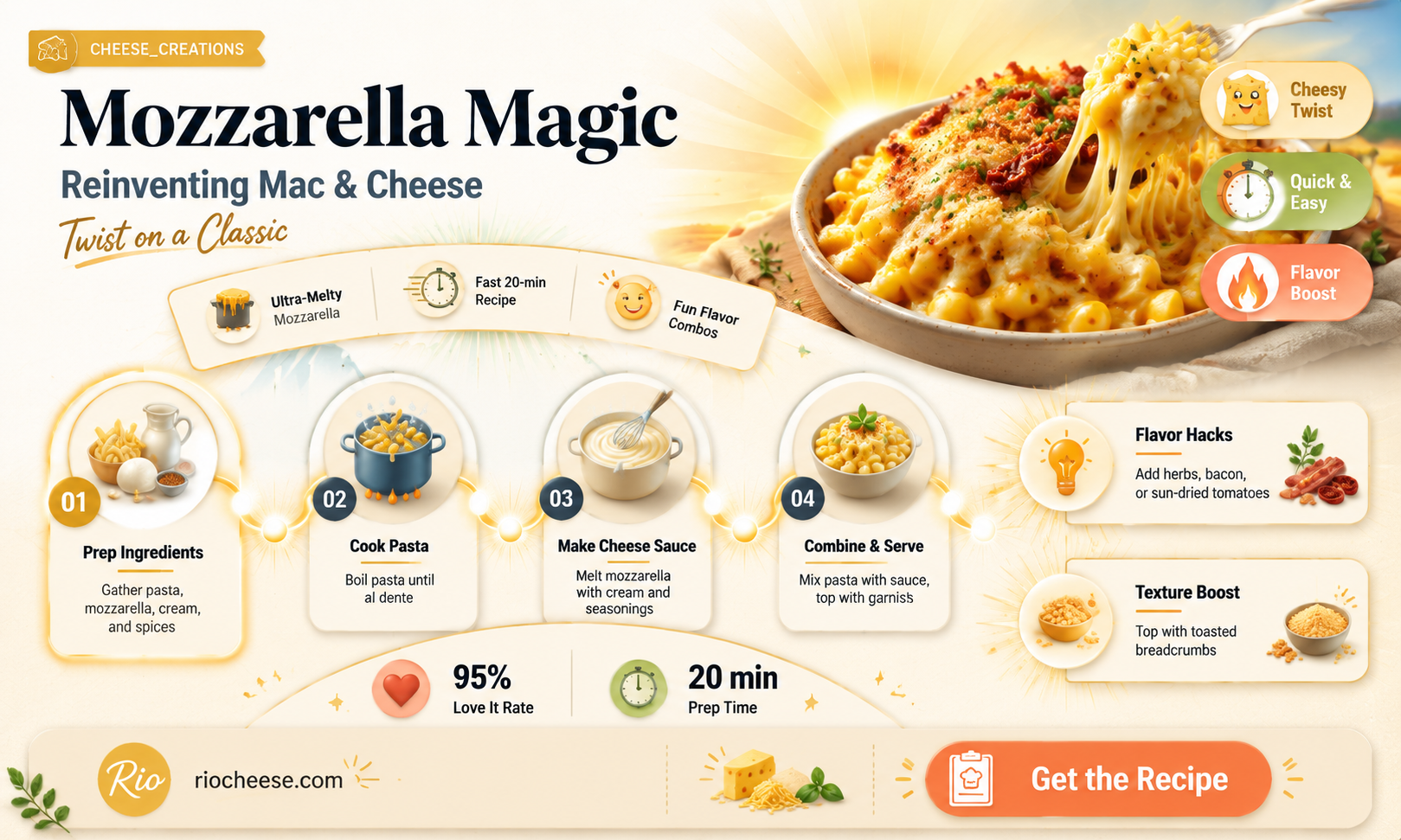
When it comes to making macaroni and cheese, many people wonder if they can use mozzarella cheese instead of the traditional cheddar. Mozzarella cheese has a milder flavor and a higher moisture content than cheddar, which can affect the overall taste and texture of the dish. While it's not the classic choice, mozzarella can still be used to make a delicious macaroni and cheese. The key is to balance the flavors and textures by combining mozzarella with other cheeses or ingredients that complement its mild taste. Additionally, adjusting the cooking time and temperature can help achieve the desired creamy consistency. In this article, we'll explore the possibilities of using mozzarella cheese in macaroni and cheese recipes and provide tips for achieving the best results.
Explore related products


What You'll Learn
- Mozzarella vs. Cheddar: Comparing the melting properties and flavor profiles of mozzarella and cheddar for mac and cheese
- Texture: How mozzarella's stretchiness and moisture content affect the overall texture of macaroni and cheese
- Nutritional Differences: Analyzing the nutritional content of mozzarella versus traditional cheeses used in mac and cheese recipes
- Flavor Impact: Discussing how mozzarella's mild flavor can alter the taste of classic macaroni and cheese dishes
- Recipe Adjustments: Suggesting modifications to traditional mac and cheese recipes to accommodate mozzarella cheese effectively

Mozzarella vs. Cheddar: Comparing the melting properties and flavor profiles of mozzarella and cheddar for mac and cheese
Mozzarella and cheddar are two popular cheeses often used in macaroni and cheese recipes, each with distinct melting properties and flavor profiles. Mozzarella, known for its mild flavor and excellent melting qualities, creates a smooth, stretchy texture when heated. This makes it an ideal choice for achieving that classic, gooey mac and cheese consistency. On the other hand, cheddar offers a sharper, more robust flavor that can add depth and complexity to the dish. While cheddar also melts well, it tends to create a slightly thicker, more structured sauce compared to mozzarella.
When comparing the two cheeses for mac and cheese, it's essential to consider the desired outcome in terms of taste and texture. If a creamy, mild-flavored mac and cheese is the goal, mozzarella would be the better choice. However, if a more pronounced cheese flavor with a hint of tanginess is preferred, cheddar would be the way to go. Some recipes even call for a blend of both cheeses to achieve a balance between the two flavor profiles and melting characteristics.
In terms of preparation, mozzarella and cheddar can be used interchangeably in most mac and cheese recipes. However, it's worth noting that mozzarella may require slightly less cooking time due to its higher moisture content and faster melting rate. When using cheddar, it's essential to ensure that the cheese is fully melted and incorporated into the sauce to avoid any graininess or separation.
Ultimately, the choice between mozzarella and cheddar for mac and cheese comes down to personal preference and the desired flavor and texture profile. Both cheeses have their unique qualities that can enhance the dish, and experimenting with different combinations can lead to delicious variations of this classic comfort food.
Exploring Dairy Alternatives: Mozzarella Cheese Made with Half and Half?
You may want to see also
Explore related products


Texture: How mozzarella's stretchiness and moisture content affect the overall texture of macaroni and cheese
Mozzarella cheese is renowned for its exceptional stretchiness, which is primarily due to its high moisture content and the unique structure of its proteins. When incorporated into macaroni and cheese, mozzarella can significantly alter the dish's texture, giving it a gooey, stringy quality that many find appealing. However, this characteristic can also lead to a less cohesive sauce, as the cheese may not melt as uniformly as other varieties like cheddar or Gruyère.
The moisture content of mozzarella is another critical factor to consider. Fresh mozzarella, with its higher water content, will release more liquid when heated, potentially thinning the cheese sauce. This can result in a macaroni and cheese that is less creamy and more prone to separating. On the other hand, lower-moisture mozzarella, such as the type often used in pizza, will melt more smoothly and contribute to a thicker, more stable sauce.
To achieve the best texture when using mozzarella in macaroni and cheese, it's essential to balance the cheese's stretchiness and moisture content with other ingredients. Combining mozzarella with a drier cheese, like Parmesan or Romano, can help absorb excess moisture and create a more cohesive sauce. Additionally, using a roux or a cornstarch slurry as a thickening agent can help counteract the thinning effect of mozzarella's high water content.
In terms of preparation, it's crucial to ensure that the mozzarella is properly drained and patted dry before being added to the dish. This will help prevent the release of too much liquid during cooking, which can negatively impact the texture. Furthermore, when melting the cheese, it's best to do so slowly over low heat, stirring frequently to promote even melting and prevent the formation of a rubbery, overly stretchy consistency.
Ultimately, the key to successfully using mozzarella in macaroni and cheese lies in understanding and managing its unique properties. By carefully balancing the cheese's stretchiness and moisture content with other ingredients and cooking techniques, it's possible to create a dish that is both deliciously gooey and texturally satisfying.
Mozzarella Magic: Versatile Uses Beyond Pizza
You may want to see also
Explore related products


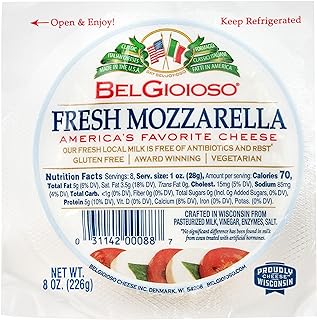

Nutritional Differences: Analyzing the nutritional content of mozzarella versus traditional cheeses used in mac and cheese recipes
Mozzarella cheese, known for its mild flavor and stretchy texture, offers a distinct nutritional profile compared to traditional cheeses used in macaroni and cheese recipes, such as cheddar or American cheese. One of the primary differences lies in its lower fat content. Mozzarella typically contains around 2-3 grams of fat per ounce, whereas cheddar cheese can have upwards of 9 grams of fat per ounce. This makes mozzarella a potentially healthier option for those looking to reduce their fat intake while still enjoying a creamy, cheesy dish.
In terms of protein content, mozzarella and traditional mac and cheese cheeses are relatively similar, with mozzarella providing about 6-7 grams of protein per ounce and cheddar offering around 7 grams per ounce. However, mozzarella's protein is more easily digestible due to its simpler structure, which can be beneficial for individuals with sensitive stomachs or those who have difficulty digesting certain types of protein.
Another key nutritional difference is in the calcium content. Mozzarella cheese is an excellent source of calcium, providing approximately 20-25% of the daily recommended value per ounce. Traditional cheeses like cheddar also offer calcium, but in slightly lower amounts, typically around 15-20% of the daily recommended value per ounce. This makes mozzarella a great choice for individuals looking to boost their calcium intake, particularly important for maintaining strong bones and teeth.
When it comes to sodium content, mozzarella generally has less sodium than traditional mac and cheese cheeses. Mozzarella contains about 150-200 milligrams of sodium per ounce, while cheddar cheese can have around 300-400 milligrams per ounce. Lower sodium intake is beneficial for maintaining healthy blood pressure levels and reducing the risk of heart disease.
In summary, mozzarella cheese offers a unique nutritional profile that can make it a healthier alternative to traditional cheeses used in macaroni and cheese recipes. Its lower fat and sodium content, combined with its high calcium and easily digestible protein, make it a nutritious choice for those looking to enjoy a classic comfort food with a healthier twist.
Mozzarella Magic: Transforming Fresh Cheese into Irresistible Sticks
You may want to see also
Explore related products


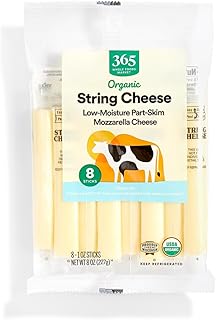

Flavor Impact: Discussing how mozzarella's mild flavor can alter the taste of classic macaroni and cheese dishes
Mozzarella's mild flavor profile can significantly alter the taste of classic macaroni and cheese dishes. Unlike cheddar or American cheese, which have sharp, tangy, or smoky notes, mozzarella provides a subtle, creamy taste that can mellow out the overall flavor of the dish. This can be both an advantage and a disadvantage, depending on the desired outcome. For those who prefer a milder mac and cheese, mozzarella can be an excellent choice, as it melts smoothly and creates a velvety texture without overpowering the palate. However, for those who enjoy a more robust, cheesy flavor, mozzarella may not deliver the expected taste experience.
One of the key considerations when using mozzarella in macaroni and cheese is the balance of flavors. Since mozzarella is relatively mild, it's essential to incorporate other ingredients that can enhance the overall taste of the dish. For example, adding a pinch of salt, a dash of black pepper, or a sprinkle of paprika can help to bring out the natural flavors of the cheese and pasta. Additionally, incorporating other cheeses, such as Parmesan or Gruyère, can add depth and complexity to the flavor profile.
Another factor to consider is the melting properties of mozzarella. While it melts beautifully and creates a smooth, stretchy texture, it can also become rubbery if overcooked. To avoid this, it's crucial to monitor the cooking time and temperature carefully, ensuring that the cheese is melted but not overly cooked. Using a combination of mozzarella and other cheeses with different melting points can also help to achieve the desired texture and flavor.
In terms of nutritional value, mozzarella is lower in fat and calories compared to some other cheeses commonly used in macaroni and cheese, such as cheddar or American cheese. This can be a benefit for those looking to create a lighter version of the dish. However, it's essential to note that mozzarella is also lower in protein and calcium, so it may not provide the same nutritional benefits as other cheese options.
Ultimately, the decision to use mozzarella in macaroni and cheese comes down to personal preference and the desired outcome. For those who enjoy a milder, creamier mac and cheese, mozzarella can be an excellent choice. However, for those who prefer a more robust, cheesy flavor, other cheese options may be more suitable. By understanding the flavor impact of mozzarella and how to balance it with other ingredients, home cooks can create a delicious and satisfying macaroni and cheese dish that meets their specific tastes and preferences.
From Homogenized Milk to Mozzarella: A Cheese Lover's Guide
You may want to see also
Explore related products


Recipe Adjustments: Suggesting modifications to traditional mac and cheese recipes to accommodate mozzarella cheese effectively
Mozzarella cheese, with its mild flavor and excellent melting properties, can be a fantastic addition to macaroni and cheese. However, to achieve the best results, some adjustments to traditional recipes are necessary. Here are some suggestions for modifying your favorite mac and cheese recipe to effectively incorporate mozzarella cheese.
First, consider the ratio of mozzarella to other cheeses. Mozzarella has a milder flavor compared to cheddar or Gruyère, so it's essential to balance it with other cheeses to maintain a rich and complex taste profile. A good starting point is to replace half of the cheddar cheese with mozzarella, keeping the proportions of any other cheeses the same. This will allow the mozzarella to contribute its creamy texture without overpowering the other flavors.
Next, adjust the cooking time and temperature. Mozzarella cheese melts more quickly than cheddar, so you may need to reduce the baking time or lower the oven temperature to prevent the top from browning too quickly while the inside is still cooking. If you're using a stovetop method, be cautious not to overheat the mozzarella, as it can become rubbery if cooked at too high a temperature for too long.
Another important consideration is the sauce consistency. Mozzarella releases more moisture when melted, which can make the sauce thinner. To compensate for this, you may need to increase the amount of flour in the roux or add a bit more thickening agent, such as cornstarch, to achieve the desired consistency. Be sure to whisk the sauce thoroughly to avoid lumps and ensure a smooth texture.
Finally, don't forget to season appropriately. Mozzarella's mild flavor means it won't contribute much in terms of seasoning, so you may need to increase the amount of salt, pepper, or other spices to taste. Consider adding some garlic powder, paprika, or dried herbs like thyme or oregano to enhance the overall flavor profile of the dish.
By making these adjustments, you can create a delicious macaroni and cheese that showcases the unique qualities of mozzarella cheese while still maintaining the comforting, cheesy goodness of the traditional recipe.
Exploring Mozzarella's Role in Authentic Alfredo Sauce Recipes
You may want to see also
Frequently asked questions
Yes, you can use mozzarella cheese for macaroni and cheese. Mozzarella has a mild flavor and melts well, making it a suitable choice for this dish. However, it may not provide the same rich, sharp flavor that cheddar or other traditional mac and cheese cheeses offer.
Mozzarella cheese can create a smoother, creamier texture in macaroni and cheese due to its excellent melting properties. It may not achieve the same level of gooeyness as cheddar, but it can still result in a deliciously velvety sauce.
To enhance the flavor profile while using mozzarella, you can pair it with other cheeses such as cheddar for a classic taste, Parmesan for a nutty flavor, or even Gruyère for a slightly sweet and earthy note. Combining cheeses can create a more complex and satisfying macaroni and cheese experience.