Randy Chandler
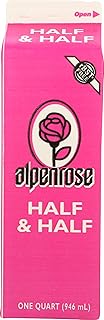
Half and half, a mixture of milk and cream, is a versatile ingredient in many culinary applications, but can it be used to make mozzarella cheese? Mozzarella cheese is traditionally made from cow's milk, which is coagulated and then stretched and kneaded to achieve its characteristic texture. While half and half contains milk, it also includes a significant amount of cream, which could potentially alter the cheese-making process. The cream in half and half might affect the coagulation process and the final texture of the cheese. However, some home cheese-making enthusiasts experiment with different types of milk, including half and half, to create unique variations of mozzarella. The success of using half and half in mozzarella cheese-making often depends on the specific recipe and the desired outcome in terms of flavor and texture.
Explore related products



What You'll Learn
- Ingredients Needed: Half and half, citric acid, salt, rennet, water
- Preparation Steps: Heat half and half, add citric acid, stir, add rennet, curdle, drain
- Cooking Temperature: Ideal temperature for heating half and half is around 85°F (29°C)
- Curdling Process: Takes about 10-15 minutes for the curds to form after adding rennet
- Storage Tips: Store fresh mozzarella in brine or wrap tightly in plastic wrap and refrigerate

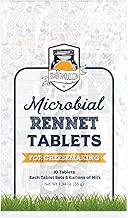
Ingredients Needed: Half and half, citric acid, salt, rennet, water
To make mozzarella cheese using half and half, you'll need a few key ingredients: half and half, citric acid, salt, rennet, and water. The process begins by combining the half and half with the citric acid, which helps to curdle the milk. Next, you'll add salt to enhance the flavor and further aid in the curdling process. The rennet is then introduced to fully coagulate the curds, which are subsequently separated from the whey. Finally, the curds are kneaded and stretched until they reach the desired consistency and texture of mozzarella cheese.
One important note is that the quality of the half and half used can significantly impact the final product. It's best to use a high-quality, full-fat half and half for the richest flavor and best texture. Additionally, the temperature of the milk when the citric acid and rennet are added is crucial – it should be around 85°F (29°C) for optimal results. If the temperature is too high, the curds may become too firm and rubbery, while if it's too low, they may not form properly.
When it comes to the citric acid, it's essential to use the correct amount, as too much can result in a sour taste, while too little may not be enough to properly curdle the milk. The same goes for the salt – it's important to find the right balance to enhance the flavor without overpowering it. As for the rennet, it's typically added in small amounts, and it's crucial to use a high-quality rennet to ensure proper coagulation.
In terms of equipment, you'll need a large pot to heat the half and half, a thermometer to monitor the temperature, a long-handled spoon or spatula for stirring, and a cheesecloth or fine-mesh sieve to separate the curds from the whey. It's also helpful to have a cheese mold or form to shape the mozzarella once it's been kneaded and stretched.
Overall, making mozzarella cheese with half and half is a relatively simple process that requires just a few ingredients and some basic equipment. With a little practice and attention to detail, you can create delicious, homemade mozzarella cheese that's perfect for pizzas, salads, and more.
Elevate Your Lasagna: The Fresh Mozzarella Cheese Twist
You may want to see also
Explore related products


Preparation Steps: Heat half and half, add citric acid, stir, add rennet, curdle, drain
To begin the process of making mozzarella cheese using half and half, start by heating the half and half in a saucepan over medium heat. It's crucial to monitor the temperature closely, aiming for around 85-90°F (29-32°C). Once the half and half reaches this temperature, remove it from the heat and slowly stir in citric acid, which can be purchased in powder form from most grocery stores. The citric acid will help to lower the pH of the mixture, initiating the cheese-making process.
After stirring in the citric acid, let the mixture sit for a few minutes to allow the acid to fully react with the half and half. You should start to see the mixture thicken and curdle slightly. At this point, add the rennet, which is an enzyme that will further coagulate the mixture. Rennet can be found in liquid or tablet form at specialty cheese-making stores or online. Stir the rennet into the mixture gently but thoroughly, then cover the saucepan and let it sit for about 15-20 minutes.
During this time, the mixture will continue to curdle and separate into curds and whey. The curds will be the solid parts that will eventually become the mozzarella cheese, while the whey is the liquid that will be drained away. After the curdling process is complete, carefully pour the mixture into a cheesecloth or a fine-mesh strainer lined with cheesecloth. This will allow the whey to drain away while keeping the curds intact.
Once the whey has been drained, you can proceed to knead and stretch the curds to form the mozzarella cheese. This process will help to develop the gluten in the curds, giving the cheese its characteristic texture. After kneading and stretching, the mozzarella can be shaped into balls or logs and stored in the refrigerator until ready to use.
It's important to note that while half and half can be used to make mozzarella cheese, the resulting cheese may have a slightly different texture and flavor compared to traditional mozzarella made from whole milk. Half and half contains less fat than whole milk, which can affect the creaminess and richness of the cheese. However, many people find that the difference is minimal and that half and half mozzarella is a delicious and lower-fat alternative to traditional mozzarella.
Mozzarella Magic: Transforming Fresh Cheese into Irresistible Sticks
You may want to see also
Explore related products




Cooking Temperature: Ideal temperature for heating half and half is around 85°F (29°C)
The ideal temperature for heating half and half when making mozzarella cheese is crucial for achieving the desired texture and flavor. Heating half and half to around 85°F (29°C) is a delicate process that requires careful monitoring to prevent overheating, which can lead to a grainy or separated mixture. This temperature is optimal because it allows the proteins in the half and half to coagulate gently, forming a smooth and creamy curd that is essential for high-quality mozzarella cheese.
To heat half and half to the ideal temperature, it is recommended to use a double boiler or a water bath. This method ensures even and gentle heating, reducing the risk of scorching or overheating the mixture. Begin by pouring the half and half into the top pot of the double boiler or a heat-resistant bowl placed over a pot of simmering water. Stir the half and half occasionally to ensure uniform heating and to prevent it from sticking to the bottom of the pot or bowl.
As the half and half heats up, it will begin to thicken and form a curd. This process can take several minutes, so it is important to be patient and to continue stirring gently. Once the curd has formed, remove the pot or bowl from the heat and allow it to cool slightly. The curd should be smooth and elastic, with a slightly glossy appearance. If the curd is too firm or crumbly, it may be necessary to reheat it gently to achieve the desired consistency.
After the curd has cooled, it can be shaped into mozzarella cheese. To do this, gently stretch and fold the curd until it reaches the desired shape and size. Mozzarella cheese can be made into balls, logs, or slices, depending on the intended use. Once shaped, the mozzarella cheese should be stored in a cool, dry place or refrigerated until ready to use.
In summary, heating half and half to around 85°F (29°C) is a critical step in making mozzarella cheese. This temperature allows for the gentle coagulation of proteins, resulting in a smooth and creamy curd that is essential for high-quality cheese. Using a double boiler or water bath ensures even and gentle heating, while careful monitoring and stirring prevent overheating and scorching. With patience and attention to detail, homemade mozzarella cheese can be a delicious and rewarding culinary creation.
Explore related products


Curdling Process: Takes about 10-15 minutes for the curds to form after adding rennet
The curdling process is a critical step in cheese-making, particularly when using half and half to make mozzarella. After adding rennet to the half and half, the mixture will begin to thicken and form curds within about 10-15 minutes. This timeframe is essential for achieving the desired texture and consistency of the mozzarella cheese.
During this period, it's important to monitor the mixture closely. The curds should form a solid mass that can be easily separated from the whey. If the curds are too soft or crumbly, it may indicate that the rennet was not added correctly or that the mixture was not heated to the proper temperature. In such cases, it may be necessary to adjust the process and try again.
Once the curds have formed, they should be gently stirred and then allowed to settle for a few minutes. This will help to release any trapped whey and ensure that the curds are firm and well-defined. After this settling period, the curds can be drained and the whey can be discarded.
The curds can then be kneaded and stretched to form the characteristic mozzarella texture. This process should be done gently but firmly, as overworking the curds can lead to a tough and chewy cheese. As the curds are kneaded, they will become smoother and more pliable, eventually forming a shiny, elastic mass.
At this point, the mozzarella cheese can be shaped into balls or logs and allowed to age for a few hours. This aging process will help to develop the cheese's flavor and texture, resulting in a delicious and authentic mozzarella cheese made from half and half.
Explore related products


Storage Tips: Store fresh mozzarella in brine or wrap tightly in plastic wrap and refrigerate
Fresh mozzarella cheese is a delicate product that requires proper storage to maintain its quality and freshness. One effective method is to store it in brine, which helps to keep the cheese moist and flavorful. To do this, simply place the mozzarella in a container filled with a saltwater solution (about 1 tablespoon of salt per cup of water) and refrigerate it. This method is particularly useful for larger quantities of mozzarella or for those who prefer a more traditional storage approach.
Alternatively, wrapping the mozzarella tightly in plastic wrap is another viable storage option. This method helps to prevent the cheese from drying out and absorbing odors from other foods in the refrigerator. When wrapping the mozzarella, make sure to remove as much air as possible from the plastic wrap to minimize the risk of freezer burn or ice crystal formation. For best results, use a high-quality plastic wrap that is designed for food storage.
In addition to these storage methods, it's important to note that fresh mozzarella should be consumed within a relatively short period of time, typically within 2-3 days of purchase. This is because the cheese is quite perishable and can quickly lose its flavor and texture if not stored properly. When storing mozzarella, it's also a good idea to keep it away from strong-smelling foods, as the cheese can easily absorb odors.
Finally, if you're planning to use half and half to make mozzarella cheese, it's important to store the finished product properly to ensure that it remains fresh and safe to eat. In this case, you can use either the brine or plastic wrap storage methods, depending on your preference. Just be sure to follow the same guidelines as above, and consume the cheese within a few days of making it.
Frequently asked questions
Yes, you can use half and half to make mozzarella cheese, but it's important to note that the fat content may affect the texture and flavor of the final product.
The fat content in half and half can influence the curdling process and the overall texture of the mozzarella cheese. Higher fat content may result in a creamier texture, while lower fat content might yield a firmer cheese.
The recommended ratio of half and half to other ingredients, such as milk and rennet, may vary depending on the specific recipe. Generally, a higher ratio of half and half can contribute to a richer flavor and creamier texture.
When using half and half in mozzarella cheese-making, it's essential to monitor the curdling process closely and adjust the amount of rennet or other coagulants as needed. Additionally, you may need to experiment with different ratios to achieve the desired texture and flavor profile.