 Randy Chandler
Gouda cheese, known for its rich, buttery flavor and smooth texture, is a versatile ingredient that can enhance a variety of dishes. When it comes to quiche, a savory egg-based pie, Gouda can be an excellent choice. Its mild to sharp flavor profile, depending on the aging, complements the eggs and other fillings without overpowering them. Additionally, Gouda melts well, contributing to a creamy, cohesive filling. Whether used alone or in combination with other cheeses, Gouda can add depth and complexity to your quiche, making it a delicious and sophisticated option for breakfast, brunch, or any meal.
Explore related products


What You'll Learn
- Gouda Cheese Flavor Profile: Mild, nutty, slightly sweet taste complements quiche fillings without overpowering other ingredients
- Melting Properties: Gouda melts smoothly and evenly, creating a creamy texture ideal for quiche
- Pairing Suggestions: Combines well with vegetables like spinach, mushrooms, and bell peppers, enhancing the overall quiche flavor
- Substitution Ratio: Use Gouda in a 1:1 ratio with other cheeses like cheddar or Gruyère for a unique twist
- Cultural Significance: Incorporating Gouda adds a Dutch flair to your quiche, diversifying your culinary repertoire

Gouda Cheese Flavor Profile: Mild, nutty, slightly sweet taste complements quiche fillings without overpowering other ingredients
Gouda cheese, with its mild, nutty, and slightly sweet flavor profile, is an excellent choice for quiche fillings. Its subtle taste complements the other ingredients without overpowering them, allowing each component to shine through. The smooth texture of Gouda also melts beautifully, creating a creamy and rich consistency that enhances the overall mouthfeel of the quiche.
When incorporating Gouda into your quiche, it's essential to consider the other ingredients you're using. For example, if your quiche includes strong-flavored vegetables like onions or peppers, the mildness of Gouda will help balance out the dish. Additionally, Gouda pairs well with herbs such as thyme, rosemary, and parsley, which can add depth and complexity to the flavor profile.
One of the benefits of using Gouda in quiche is its versatility. You can use it as the primary cheese or blend it with other cheeses like cheddar or Gruyère to create a more nuanced flavor. Gouda also comes in various aging levels, ranging from young and mild to aged and more robust. Depending on your preference, you can choose a Gouda that suits the specific taste you're aiming for in your quiche.
In terms of preparation, it's crucial to grate the Gouda finely to ensure even melting and distribution throughout the quiche. You can also experiment with different types of Gouda, such as smoked or truffle-infused varieties, to add unique flavor dimensions to your dish.
Overall, Gouda cheese is a fantastic addition to quiche fillings, offering a mild yet flavorful taste that complements a wide range of ingredients. Its smooth texture and excellent melting properties make it an ideal choice for creating a delicious and satisfying quiche.
Feta vs. Ricotta: A Cheesy Substitute Showdown
You may want to see also
Explore related products




Melting Properties: Gouda melts smoothly and evenly, creating a creamy texture ideal for quiche
Gouda cheese is renowned for its exceptional melting properties, which make it a prime candidate for use in quiches. When heated, Gouda melts smoothly and evenly, creating a creamy, velvety texture that is ideal for the custard-like filling of a quiche. This uniform melting is due to the cheese's high moisture content and the way its proteins and fats are structured. As a result, Gouda can be easily incorporated into the egg mixture without creating lumps or separating during the baking process.
The melting point of Gouda is relatively low compared to other cheeses, which means it can be melted at a lower temperature without burning or becoming too greasy. This is particularly beneficial when making quiches, as it allows the cheese to melt thoroughly without overcooking the eggs or the crust. Additionally, Gouda's mild flavor profile complements the taste of the eggs and other ingredients in the quiche, enhancing the overall dish without overpowering it.
When using Gouda in a quiche, it's important to grate the cheese finely to ensure even distribution throughout the filling. This will help the cheese melt more uniformly and create a consistent texture. It's also advisable to use a high-quality Gouda with a good melting point, as lower-quality cheeses may not melt as smoothly or evenly. By choosing the right type of Gouda and preparing it properly, you can create a delicious quiche with a perfectly melted, creamy cheese filling.
Flank Steak vs. Ribeye: The Ultimate Philly Cheese Steak Showdown
You may want to see also
Explore related products


Pairing Suggestions: Combines well with vegetables like spinach, mushrooms, and bell peppers, enhancing the overall quiche flavor
Gouda cheese, with its rich and creamy texture, pairs exceptionally well with a variety of vegetables, making it an excellent choice for quiche fillings. Spinach, mushrooms, and bell peppers are particularly complementary to Gouda's flavor profile. The mild, earthy taste of mushrooms enhances the savory notes of the cheese, while the slight bitterness of spinach provides a refreshing contrast. Bell peppers, with their sweet and slightly tangy flavor, add a delightful crunch and a burst of color to the quiche.
When incorporating these vegetables into your quiche, it's essential to sauté them lightly before adding them to the egg mixture. This step helps to release their natural flavors and ensures they are tender but still retain some texture. For spinach, wilt it in a pan with a touch of olive oil and garlic, then squeeze out any excess moisture. Mushrooms can be sautéed with a bit of butter and thyme, while bell peppers can be lightly grilled or sautéed with a splash of balsamic vinegar for added depth.
In terms of proportion, aim for a balance between the cheese and vegetables. Too much cheese can overpower the delicate flavors of the vegetables, while too many vegetables can make the quiche feel heavy and less cohesive. A good rule of thumb is to use about 1 cup of shredded Gouda cheese for every 2 cups of mixed vegetables.
When it comes to seasoning, keep it simple to allow the natural flavors of the Gouda and vegetables to shine. A pinch of salt, a grind of black pepper, and perhaps a sprinkle of nutmeg or paprika are all you need. If you're feeling adventurous, you can also experiment with fresh herbs like parsley, chives, or dill, which pair beautifully with the creamy Gouda.
Finally, don't forget about the crust! A flaky, buttery crust is the perfect base for your Gouda and vegetable quiche. You can use a store-bought crust or make your own from scratch using a simple mixture of flour, butter, salt, and ice water. Blind bake the crust for a few minutes before adding the filling to ensure it's crisp and golden brown.
In conclusion, Gouda cheese is a versatile and delicious addition to quiche, especially when paired with vegetables like spinach, mushrooms, and bell peppers. By following these tips and experimenting with different combinations, you can create a quiche that's both flavorful and visually appealing.
Goat Cheese in Lasagna: A Delicious Twist on a Classic Dish
You may want to see also
Explore related products



Substitution Ratio: Use Gouda in a 1:1 ratio with other cheeses like cheddar or Gruyère for a unique twist
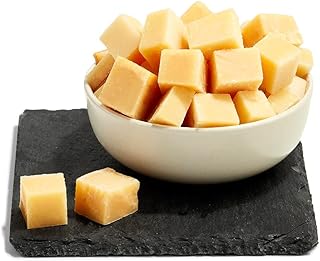
Gouda cheese, with its rich and creamy texture, can be a delightful addition to quiche. When substituting Gouda for other cheeses like cheddar or Gruyère, a 1:1 ratio is often recommended to maintain the balance of flavors and textures in the dish. This substitution can add a unique twist to your quiche, providing a different taste profile that is both familiar and novel.
To achieve the best results when using Gouda in quiche, it's important to consider the type of Gouda you're using. For instance, a milder Gouda may not overpower the other ingredients, while a more aged Gouda can add a stronger, nuttier flavor. Experimenting with different varieties can help you find the perfect match for your quiche.
When preparing the quiche, ensure that the Gouda is grated finely to distribute its flavor evenly throughout the filling. You can also mix it with other cheeses to create a blend that complements the eggs and other ingredients. For example, combining Gouda with a sharp cheddar can create a balanced and flavorful filling.
In terms of cooking, Gouda melts well and can help create a smooth, custard-like texture in the quiche. However, be cautious not to overcook the quiche, as this can cause the cheese to become too firm or even burn. Monitoring the quiche closely while it bakes can help you achieve the perfect consistency.
Overall, using Gouda cheese in quiche can be a delicious and creative way to elevate this classic dish. By following these tips and experimenting with different types of Gouda, you can create a quiche that is both unique and satisfying.
Gouda Twist: Elevating Macaroni and Cheese with a Dutch Delight
You may want to see also
Explore related products


Cultural Significance: Incorporating Gouda adds a Dutch flair to your quiche, diversifying your culinary repertoire
Gouda cheese, a staple in Dutch cuisine, brings a rich cultural heritage to any dish it's added to, including quiche. By incorporating Gouda into your quiche, you're not only enhancing the flavor profile but also adding a touch of Dutch tradition to your culinary creations. This simple substitution can transform a classic French dish into a fusion of European flavors, showcasing the versatility and global influence of Gouda cheese.
The cultural significance of Gouda in quiche lies in its ability to bridge culinary traditions. Quiche, originally a French dish, becomes a canvas for Dutch flavors when Gouda is used. This fusion represents the interconnectedness of European cuisines and the ease with which one can experiment with different cultural ingredients in their cooking. Gouda's mild, nutty flavor complements the eggs and cream in quiche, creating a harmonious blend that pays homage to both French and Dutch cheese-making traditions.
Incorporating Gouda into quiche also diversifies your culinary repertoire, encouraging you to explore new flavor combinations and cooking techniques. It's an opportunity to learn about the characteristics of different cheeses and how they can be used to enhance various dishes. By using Gouda in quiche, you're not only expanding your palate but also gaining a deeper appreciation for the cultural significance of food and its role in bringing people together.
Moreover, using Gouda in quiche can be a conversation starter, especially when serving guests who may be unfamiliar with this cheese. It provides an opportunity to share the history and cultural importance of Gouda, fostering a sense of connection and appreciation for different culinary traditions. This simple act of incorporating a new ingredient can lead to enriching discussions about food, culture, and the joy of cooking.
In conclusion, adding Gouda cheese to quiche is more than just a culinary choice; it's a way to celebrate and diversify your cooking while paying tribute to Dutch culture. This small change can lead to a world of new flavors and cultural experiences, making your quiche not just a meal, but a story of culinary fusion and appreciation.
Feta Twist: Reinventing Mac and Cheese with a Greek Spin
You may want to see also
Frequently asked questions
Yes, you can use gouda cheese in quiche. Gouda is a versatile cheese that melts well and adds a rich, creamy flavor to quiche.
Other cheeses commonly used in quiche include cheddar, Gruyère, feta, and goat cheese. Each cheese brings its own unique flavor and texture to the dish.
To incorporate gouda cheese into a quiche recipe, simply grate or slice the cheese and mix it into the egg and cream filling. You can also layer the cheese with other ingredients like vegetables or meats before pouring in the filling.
Some popular quiche recipes that use gouda cheese include spinach and gouda quiche, bacon and gouda quiche, and mushroom and gouda quiche. These recipes often feature a combination of savory ingredients that complement the mild, nutty flavor of gouda cheese.


