 Randy Chandler
Gouda cheese, known for its rich, creamy flavor and smooth texture, is an excellent choice for enhancing the classic macaroni and cheese dish. Originating from the Netherlands, Gouda comes in various aging levels, ranging from mild to sharp, offering a versatile option for different taste preferences. Its melting properties make it ideal for creating a velvety, indulgent cheese sauce that coats the pasta perfectly. In this article, we'll explore how to incorporate Gouda cheese into your macaroni and cheese recipe, providing tips on selecting the right type of Gouda and adjusting the seasoning to complement its unique flavor profile.
Explore related products


What You'll Learn
- Gouda Cheese Flavor Profile: Mild, nutty, and slightly sweet, enhancing macaroni and cheese
- Melting Characteristics: Gouda melts smoothly, creating a creamy texture ideal for mac and cheese
- Nutritional Comparison: Gouda offers a similar calorie count to cheddar but with slightly less fat
- Pairing Suggestions: Combine gouda with other cheeses like cheddar or fontina for a richer flavor
- Recipe Modifications: Adjust seasoning and milk content to balance gouda's distinct taste in your macaroni and cheese

Gouda Cheese Flavor Profile: Mild, nutty, and slightly sweet, enhancing macaroni and cheese
Gouda cheese, with its mild, nutty, and slightly sweet flavor profile, is an excellent choice for enhancing the taste of macaroni and cheese. This Dutch cheese, known for its smooth texture and rich flavor, can add depth and complexity to the classic comfort food. When melted, Gouda cheese creates a creamy and velvety sauce that coats the pasta perfectly, making each bite a delightful experience.
One of the unique characteristics of Gouda cheese is its ability to complement other ingredients without overpowering them. In macaroni and cheese, Gouda can be paired with a variety of seasonings and spices, such as paprika, cayenne pepper, or garlic powder, to create a customized flavor profile. Additionally, Gouda cheese can be combined with other types of cheese, like cheddar or Parmesan, to create a rich and layered taste.
When using Gouda cheese in macaroni and cheese, it's important to consider the age of the cheese. Younger Gouda cheeses tend to be milder and creamier, while older Gouda cheeses have a stronger flavor and firmer texture. Depending on personal preference, one can choose the age of the Gouda cheese to achieve the desired taste and consistency in the macaroni and cheese.
To incorporate Gouda cheese into macaroni and cheese, simply substitute it for some or all of the traditional cheddar cheese in the recipe. The melting properties of Gouda cheese make it an ideal choice for creating a smooth and even sauce. When preparing the dish, it's essential to cook the pasta al dente and to use a roux-based sauce to ensure that the cheese melts evenly and doesn't become grainy.
In conclusion, Gouda cheese is a versatile and flavorful option for enhancing macaroni and cheese. Its mild, nutty, and slightly sweet flavor profile, combined with its excellent melting properties, makes it a perfect choice for creating a delicious and comforting meal. Whether used alone or in combination with other cheeses and seasonings, Gouda cheese can elevate the taste of macaroni and cheese to new heights.
Goat Cheese Twist: Reinventing Classic Macaroni and Cheese
You may want to see also
Explore related products


Melting Characteristics: Gouda melts smoothly, creating a creamy texture ideal for mac and cheese
Gouda cheese is renowned for its exceptional melting properties, which make it a prime candidate for use in macaroni and cheese. When heated, Gouda transitions into a velvety, smooth texture that seamlessly integrates with the pasta, creating a rich and indulgent dish. This creamy consistency is a result of the cheese's high moisture content and the breakdown of its protein structure during the melting process.
One of the key advantages of using Gouda in mac and cheese is its ability to melt evenly and quickly, ensuring that the cheese sauce is ready in a timely manner. This is particularly important when preparing large batches of the dish, as it reduces the overall cooking time and minimizes the risk of burning or overcooking the pasta. Additionally, Gouda's smooth melt helps to prevent the formation of lumps or clumps in the cheese sauce, resulting in a more uniform and visually appealing final product.
In terms of flavor, Gouda's mild and slightly nutty taste complements the richness of the cheese sauce without overpowering it. This allows for a balanced and harmonious blend of flavors that is both comforting and satisfying. Furthermore, Gouda's excellent melting qualities make it an ideal choice for creating a gooey, stretchy cheese pull that is often coveted in mac and cheese dishes.
When incorporating Gouda into macaroni and cheese, it is important to consider the cheese's fat content, as this can impact the overall richness and calorie count of the dish. Gouda typically has a higher fat content than some other cheeses, so it may be necessary to adjust the amount used or balance it with lower-fat ingredients to achieve the desired consistency and nutritional profile.
In conclusion, Gouda cheese's melting characteristics make it an excellent choice for use in macaroni and cheese. Its smooth, creamy texture, quick and even melting, and mild flavor profile all contribute to a delicious and satisfying final product. By understanding and leveraging these properties, home cooks and chefs alike can create mouthwatering mac and cheese dishes that are sure to impress.
Delicious Broccoli Cheese Soup: Frozen Broccoli Edition
You may want to see also
Explore related products

![Goodles Cheddy Mac Creamy Cheddar and Macaroni Pasta - Nutrient Packed with Real Cheese, Fiber, Protein, Prebiotics, Plants, & Vegetables | Non-GMO, Organic Ingredients [Cheddy Mac, 6 oz. 1 Pack]](https://m.media-amazon.com/images/I/71WpxmocD7L._AC_UL320_.jpg)


Nutritional Comparison: Gouda offers a similar calorie count to cheddar but with slightly less fat
Gouda cheese, a popular Dutch cheese, offers a nutritional profile that is quite similar to cheddar cheese, a staple in many American households. When comparing the two, it's notable that Gouda provides a comparable calorie count to cheddar but with a slight reduction in fat content. This makes Gouda an attractive alternative for those looking to reduce their fat intake without sacrificing the rich, creamy texture and flavor that cheddar offers.
In terms of specific nutritional values, a one-ounce serving of Gouda cheese typically contains around 100-110 calories, which is in line with the calorie content of cheddar cheese. However, Gouda tends to have slightly less fat, with approximately 7-8 grams per ounce compared to cheddar's 9-10 grams. This difference in fat content can be beneficial for individuals who are monitoring their dietary fat intake, whether for weight management or heart health reasons.
It's also important to consider the protein content when comparing these cheeses. Both Gouda and cheddar are good sources of protein, with Gouda offering about 6-7 grams per ounce and cheddar providing a similar amount. Protein is essential for muscle repair and growth, making cheese a valuable addition to a balanced diet.
When using Gouda cheese in macaroni and cheese, it's worth noting that the slightly lower fat content may result in a slightly different texture compared to using cheddar. Gouda melts well and can create a smooth, velvety sauce, but it may not be as thick as a cheddar-based sauce. To achieve the desired consistency, you may need to adjust the amount of cheese used or incorporate additional ingredients, such as a roux or cream, to enhance the sauce's thickness.
In conclusion, Gouda cheese can be a nutritious and flavorful substitute for cheddar in macaroni and cheese recipes. Its similar calorie count and slightly lower fat content make it a suitable option for those looking to make a small dietary adjustment without compromising on taste. When making the switch, be mindful of the potential differences in texture and adjust your recipe accordingly to achieve the best results.
Fontina Cheese in Lasagna: A Delicious Twist on a Classic Dish
You may want to see also
Explore related products


![Goodles Shella Good Aged White Cheddar and Shells Pasta - Nutrient Packed with Real Cheese, Fiber, Protein, Prebiotics, Plants, & Vegetables | Non-GMO, Organic Ingredients [Shella Good, 6 oz. 1 Pack]](https://m.media-amazon.com/images/I/71VMu-NnBHL._AC_UL320_.jpg)


Pairing Suggestions: Combine gouda with other cheeses like cheddar or fontina for a richer flavor
Gouda cheese, with its rich and creamy texture, can elevate a classic macaroni and cheese dish to new heights. When paired with other cheeses, such as cheddar or fontina, the flavor profile becomes even more complex and indulgent. Cheddar adds a sharp, tangy note that complements the mellow sweetness of gouda, while fontina contributes a nutty, slightly earthy flavor that enhances the overall richness of the dish.
To create the perfect blend, start by selecting a high-quality gouda cheese with a smooth, firm texture. Then, choose a cheddar cheese that is not too overpowering, such as a mild or medium cheddar, to avoid overwhelming the delicate flavors of the gouda. For the fontina, opt for a variety that is slightly aged, as this will provide a more pronounced flavor without being too strong.
When combining the cheeses, it's essential to grate them finely to ensure even melting and distribution throughout the macaroni and cheese. A good ratio to aim for is 2 parts gouda to 1 part cheddar and 1 part fontina. This will allow the gouda to shine as the star of the dish while the cheddar and fontina provide supportive, complementary flavors.
In terms of preparation, follow your favorite macaroni and cheese recipe, but substitute the cheese blend for the traditional cheese component. Be sure to cook the pasta al dente, as this will help the cheese sauce cling to the noodles and create a satisfying texture. When making the cheese sauce, use a roux-based method to achieve a creamy, velvety consistency that will showcase the rich flavors of the gouda, cheddar, and fontina.
Finally, consider adding some finishing touches to your gourmet macaroni and cheese, such as a sprinkle of breadcrumbs or a drizzle of truffle oil, to further enhance the dish and make it a true standout. With these pairing suggestions and preparation tips, you'll be able to create a macaroni and cheese masterpiece that is sure to impress even the most discerning palates.
Feta vs. Ricotta: A Cheesy Debate in Lasagna Land
You may want to see also
Explore related products



Recipe Modifications: Adjust seasoning and milk content to balance gouda's distinct taste in your macaroni and cheese
Gouda cheese, with its rich and creamy flavor profile, can be a delightful addition to macaroni and cheese. However, its distinct taste requires careful balancing to ensure that it complements rather than overpowers the dish. One key aspect of this balance is adjusting the seasoning and milk content in the recipe.
To start, it's essential to understand that Gouda has a milder flavor compared to other cheeses like Cheddar or Gruyère. This means that you may need to increase the amount of seasoning to enhance the overall taste of the dish. A good starting point is to add a pinch of salt and a dash of black pepper. You can also experiment with other spices like paprika or nutmeg to add depth to the flavor.
When it comes to the milk content, it's important to note that Gouda cheese melts differently than other cheeses. It tends to become more fluid when heated, which can affect the consistency of the cheese sauce. To counteract this, you may need to reduce the amount of milk in the recipe. Start by using 1/4 cup less milk than the recipe calls for, and adjust as needed to achieve the desired consistency.
Another factor to consider is the type of Gouda cheese you're using. There are different varieties of Gouda, ranging from mild to aged, each with its own unique flavor profile. If you're using a milder Gouda, you may need to add more seasoning to compensate. On the other hand, if you're using an aged Gouda, you may want to reduce the amount of seasoning to allow the cheese's natural flavors to shine through.
In terms of the cooking process, it's important to melt the Gouda cheese slowly and gradually. This will help to prevent the cheese from becoming too fluid and will ensure that it blends well with the other ingredients. You can also try combining the Gouda with other cheeses, like Cheddar or Parmesan, to create a more complex flavor profile.
By carefully adjusting the seasoning and milk content, and considering the type of Gouda cheese you're using, you can create a delicious and well-balanced macaroni and cheese dish that showcases the unique flavors of this versatile cheese.
Fontina's Saganaki Potential: A Cheesy Greek Delight?
You may want to see also
Frequently asked questions
Yes, you can use Gouda cheese in macaroni and cheese. Gouda has a rich, creamy flavor that melts well, making it an excellent choice for this dish.
Using Gouda instead of cheddar in macaroni and cheese gives the dish a milder, slightly nutty flavor. Gouda is less sharp than cheddar, resulting in a smoother and creamier taste profile.
To incorporate Gouda cheese into macaroni and cheese, shred or dice the cheese and mix it into the pasta along with the other ingredients. You can also layer the cheese on top before baking for a crispy, golden crust.
Yes, cheeses like Parmesan, Gruyère, and Fontina pair well with Gouda in macaroni and cheese. These combinations create a more complex and rich flavor profile.
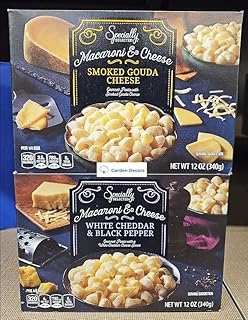
Yes, smoked Gouda can be used in macaroni and cheese. It adds a delicious smoky flavor to the dish, enhancing its overall taste.


