Frederic Melton
When it comes to preparing lasagna, one of the key ingredients is ricotta cheese. However, many people wonder if frozen ricotta cheese can be used as a substitute for fresh ricotta. The answer is yes, you can use frozen ricotta cheese in lasagna, but there are some important things to keep in mind. First, it's essential to thaw the frozen ricotta cheese completely before using it in your recipe. This will ensure that the cheese has a smooth and creamy texture, which is necessary for a delicious lasagna. Additionally, you may want to drain any excess liquid from the thawed ricotta cheese to prevent your lasagna from becoming too watery. Finally, it's important to note that the flavor and texture of frozen ricotta cheese may be slightly different from fresh ricotta cheese, so you may need to adjust your recipe accordingly. Overall, using frozen ricotta cheese in lasagna is a convenient and cost-effective option that can still result in a tasty and satisfying meal.
Explore related products


What You'll Learn
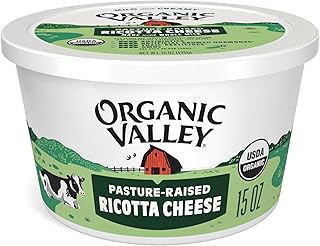
- Thawing frozen ricotta: Necessary step before using in lasagna to ensure proper texture and consistency
- Ricotta cheese substitutes: Alternatives like cottage cheese or mascarpone can be used if frozen ricotta is unavailable
- Lasagna assembly tips: Layering techniques and recommendations for incorporating ricotta cheese into the dish effectively
- Freezing leftover ricotta: Proper storage methods to maintain quality and prevent spoilage for future lasagna recipes
- Nutritional considerations: Comparing the nutritional content of frozen versus fresh ricotta cheese in lasagna servings

Thawing frozen ricotta: Necessary step before using in lasagna to ensure proper texture and consistency
Thawing frozen ricotta is a crucial step before incorporating it into your lasagna recipe. This process ensures that the cheese achieves the right texture and consistency, which is essential for the overall quality of the dish. Frozen ricotta, if not thawed properly, can result in a grainy or watery texture that may negatively impact the lasagna's flavor and mouthfeel.
To thaw frozen ricotta, it's best to use the refrigerator method. Simply transfer the frozen ricotta from the freezer to the refrigerator and let it thaw overnight. This slow thawing process allows the cheese to regain its natural consistency and texture. If you're short on time, you can also thaw the ricotta in the microwave, but be cautious not to overheat it, as this can cause the cheese to become too soft or even melt.
Once the ricotta is thawed, it's important to drain any excess liquid that may have accumulated. This can be done by wrapping the ricotta in a clean kitchen towel or cheesecloth and gently squeezing out the liquid. Draining the excess liquid helps to prevent the lasagna from becoming too watery and ensures that the cheese blends well with other ingredients.
When using thawed ricotta in lasagna, it's essential to mix it with other ingredients, such as eggs, herbs, and spices, to create a cohesive filling. This mixture should be spread evenly between the layers of pasta and sauce to ensure a consistent flavor throughout the dish. By taking the time to properly thaw and prepare the ricotta, you can create a delicious lasagna with a creamy, rich texture that your family and friends will love.
Delicious Queso Dip: Can You Use Frozen Cheese?
You may want to see also
Explore related products


Ricotta cheese substitutes: Alternatives like cottage cheese or mascarpone can be used if frozen ricotta is unavailable
In the realm of Italian cuisine, ricotta cheese is a staple ingredient, particularly in dishes like lasagna. However, when frozen ricotta is unavailable, it's essential to know that there are suitable substitutes that can be used without compromising the dish's flavor and texture. Cottage cheese and mascarpone are two excellent alternatives that can be easily incorporated into your lasagna recipe.
Cottage cheese, with its mild flavor and creamy texture, is a versatile substitute for ricotta. It's important to note that cottage cheese has a slightly different consistency than ricotta, so it may require some adjustments in the recipe. For instance, you might need to add a bit more liquid to achieve the desired smoothness. Additionally, cottage cheese has a higher protein content than ricotta, which can be beneficial for those looking to increase their protein intake.
On the other hand, mascarpone cheese offers a richer, more decadent alternative to ricotta. With its smooth, velvety texture and slightly tangy flavor, mascarpone can add depth and complexity to your lasagna. It's worth mentioning that mascarpone is higher in fat than ricotta, so it may not be the best choice for those watching their calorie intake. However, its luxurious taste and texture can elevate your lasagna to a gourmet level.
When using either of these substitutes, it's crucial to consider the overall flavor profile of your lasagna. If you're using a tomato-based sauce, the mild flavor of cottage cheese may be a better fit, as it won't overpower the other ingredients. Conversely, if you're using a cream-based sauce, the rich flavor of mascarpone may complement the other ingredients more effectively.
In conclusion, while frozen ricotta may be the preferred choice for lasagna, cottage cheese and mascarpone are excellent substitutes that can be used in a pinch. By understanding the unique qualities of each cheese and making the necessary adjustments to your recipe, you can create a delicious lasagna that's sure to impress.
Feta Cheese in Pasta: A Delicious and Versatile Combination
You may want to see also
Explore related products




Lasagna assembly tips: Layering techniques and recommendations for incorporating ricotta cheese into the dish effectively
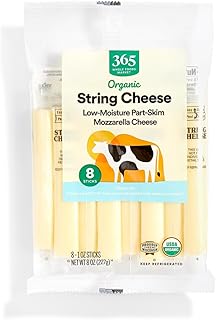
To ensure your lasagna layers evenly and maintains structural integrity, start by spreading a thin layer of sauce on the bottom of your baking dish. This initial layer helps prevent the lasagna noodles from sticking and creates a foundation for the rest of the ingredients. When adding the ricotta cheese mixture, be sure to spread it evenly across the noodles, leaving a small border around the edges to allow for expansion during baking.
For optimal layering, consider using a piping bag or a spoon to distribute the ricotta mixture in a zigzag pattern. This technique ensures even coverage and prevents the cheese from clumping together. Additionally, avoid overloading the lasagna with too much ricotta, as this can make the dish soggy and difficult to slice. A good rule of thumb is to use about 1/2 to 3/4 cup of ricotta mixture per layer, depending on the size of your baking dish.
When incorporating frozen ricotta cheese into your lasagna, it's essential to thaw it properly before using. Thaw the ricotta in the refrigerator overnight or in cold water for a few hours, then drain any excess liquid to prevent the lasagna from becoming too watery. You can also mix the thawed ricotta with a bit of flour or cornstarch to help absorb any remaining moisture and improve the texture of the final dish.
To enhance the flavor of your lasagna, consider adding herbs and spices to the ricotta mixture. Fresh basil, oregano, and parsley can add a burst of flavor, while a pinch of nutmeg or a dash of cayenne pepper can provide a subtle kick. Be sure to taste the mixture as you go and adjust the seasoning to your liking.
Finally, when assembling your lasagna, be mindful of the order in which you layer the ingredients. A classic lasagna assembly starts with a layer of sauce, followed by noodles, ricotta mixture, and mozzarella cheese. Repeat this pattern until you've used up all your ingredients, finishing with a layer of sauce and mozzarella on top. This order helps ensure that the lasagna cooks evenly and that the flavors meld together harmoniously.
Elevate Your Ravioli Game with Rich Four-Cheese Sauce
You may want to see also
Explore related products



Freezing leftover ricotta: Proper storage methods to maintain quality and prevent spoilage for future lasagna recipes
To freeze leftover ricotta cheese effectively, it's crucial to follow proper storage methods that maintain its quality and prevent spoilage. This ensures that the ricotta remains suitable for future lasagna recipes without compromising on taste or texture. The freezing process begins with portioning the ricotta into airtight containers or freezer bags, making sure to remove as much air as possible to prevent freezer burn. Labeling the containers with the date of freezing is essential for keeping track of storage time, as ricotta cheese can be safely stored in the freezer for up to three months.
When preparing to use the frozen ricotta in a lasagna recipe, it's important to thaw it properly. The best method is to transfer the frozen ricotta to the refrigerator and allow it to thaw overnight. This gradual thawing process helps to preserve the cheese's texture and flavor. If time is of the essence, the ricotta can be thawed more quickly by placing the container in a bowl of cold water, changing the water every 30 minutes until the cheese is fully thawed.
It's worth noting that while freezing ricotta cheese is a convenient way to extend its shelf life, there may be some changes in texture upon thawing. The cheese might become slightly grainy or less creamy, which could affect the overall consistency of the lasagna. However, this can be mitigated by mixing the thawed ricotta with other ingredients like eggs, herbs, and spices before incorporating it into the lasagna layers.
In summary, proper storage and thawing techniques are key to maintaining the quality of frozen ricotta cheese for use in lasagna. By following these methods, home cooks can enjoy the convenience of having ricotta on hand for their favorite recipes without worrying about spoilage or significant changes in taste and texture.
Fontina Cheese on Pizza: A Delicious Twist to Your Favorite Dish
You may want to see also
Explore related products


Nutritional considerations: Comparing the nutritional content of frozen versus fresh ricotta cheese in lasagna servings
Frozen ricotta cheese, when used in lasagna, presents a unique set of nutritional considerations compared to its fresh counterpart. One primary difference lies in the water content; frozen ricotta typically has a lower water content due to the freezing process, which can concentrate the nutrients and calories per serving. This means that a serving of frozen ricotta may provide a slightly higher amount of protein, fat, and calories than fresh ricotta.
Another factor to consider is the potential for added preservatives or stabilizers in frozen ricotta cheese. These additives can help maintain the texture and quality of the cheese during the freezing and thawing process but may also contribute additional sodium or other ingredients that could impact the overall nutritional profile. It's essential to check the ingredient list and nutrition label of frozen ricotta products to understand these potential additions fully.
In terms of preparation, using frozen ricotta in lasagna may require adjustments to the recipe. Since frozen ricotta can have a firmer texture, it may not blend as smoothly into the sauce or with other ingredients. This could affect the final texture of the lasagna, potentially making it less creamy. To mitigate this, some recipes suggest thawing the ricotta in the refrigerator overnight and then blending it with a small amount of milk or cream to achieve a smoother consistency.
From a practical standpoint, frozen ricotta cheese can be a convenient option for lasagna, as it has a longer shelf life and can be stored for extended periods without spoiling. This can be particularly beneficial for meal planning and preparation, allowing home cooks to make lasagna at their convenience without worrying about the freshness of the ricotta.
In conclusion, while frozen ricotta cheese can be a suitable substitute for fresh ricotta in lasagna, it's crucial to consider the nutritional differences and potential impacts on the recipe's texture and flavor. By understanding these factors and making appropriate adjustments, home cooks can successfully use frozen ricotta to create a delicious and nutritious lasagna.
Feta vs. Ricotta: A Cheesy Debate in Lasagna Land
You may want to see also
Frequently asked questions
Yes, you can use frozen ricotta cheese in lasagna. However, it's important to thaw it properly before incorporating it into your recipe to ensure the best texture and flavor.
To thaw frozen ricotta cheese, place it in the refrigerator overnight or thaw it in cold water for a few hours. Avoid thawing it at room temperature or in the microwave, as this can affect its consistency.
When thawed correctly, frozen ricotta cheese should not significantly affect the taste of your lasagna. It may be slightly less creamy than fresh ricotta, but the difference is usually minimal.
Once thawed, gently mix the ricotta cheese with other ingredients like eggs, herbs, and spices as per your lasagna recipe. Be careful not to overmix, as this can make the cheese too watery and affect the final texture of your dish.