 Randy Chandler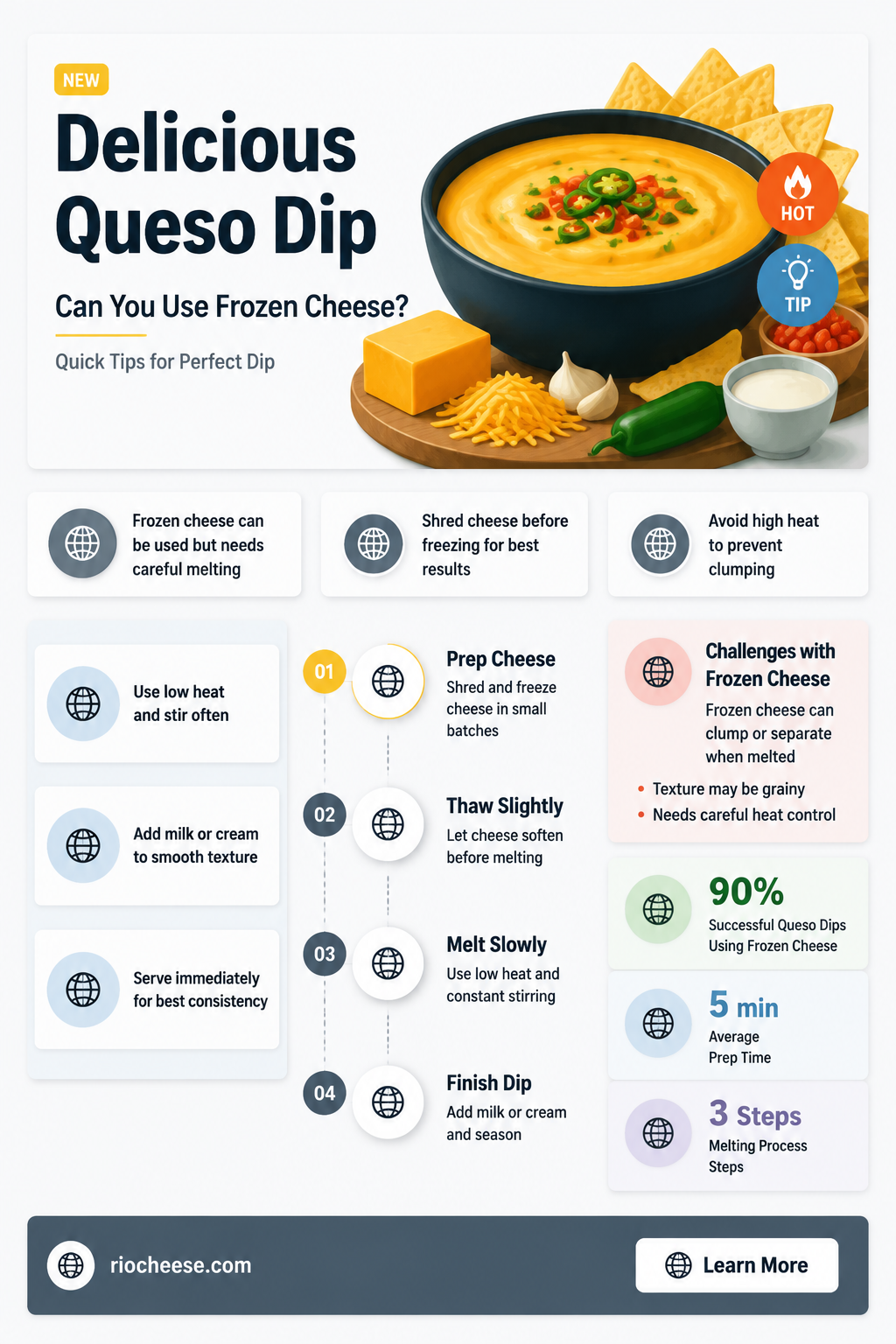
When it comes to making queso dip, using frozen cheese can be a convenient option. Frozen cheese can be easily stored and has a longer shelf life than fresh cheese, making it a practical choice for those who want to prepare queso dip without worrying about the cheese going bad quickly. However, it's important to consider the texture and flavor of the frozen cheese, as it may not melt as smoothly or taste as rich as fresh cheese. In this article, we'll explore the pros and cons of using frozen cheese for queso dip and provide tips on how to achieve the best results.
Explore related products


What You'll Learn
- Thawing Frozen Cheese: Methods and tips for safely thawing frozen cheese to achieve optimal texture
- Melting Cheese for Dip: Best practices for melting cheese smoothly, avoiding lumps and ensuring even consistency
- Combining Ingredients: Guidance on mixing additional ingredients like spices, tomatoes, and peppers for enhanced flavor
- Cooking Temperature: Ideal temperature settings for cooking queso dip to prevent burning or undercooking
- Serving Suggestions: Recommendations for serving the queso dip, including accompaniments and presentation ideas

Thawing Frozen Cheese: Methods and tips for safely thawing frozen cheese to achieve optimal texture
To safely thaw frozen cheese for queso dip, it's crucial to understand the different methods available and their respective outcomes. One common approach is to thaw the cheese in the refrigerator overnight. This method ensures that the cheese thaws at a consistent, safe temperature, reducing the risk of bacterial growth. However, it requires planning ahead and may not be suitable for last-minute preparations.
Another method is to thaw the cheese in cold water. This involves submerging the frozen cheese in a bowl of cold water, changing the water every 30 minutes until the cheese is fully thawed. This method is quicker than refrigerator thawing but still maintains a safe temperature to prevent bacterial contamination.
For a more rapid thawing process, you can use the microwave. Place the frozen cheese on a microwave-safe plate and use the defrost setting, checking the cheese every 15 seconds to ensure it doesn't start to melt. This method is the fastest but requires close monitoring to avoid overheating the cheese, which can lead to a loss of texture and flavor.
Regardless of the method chosen, it's important to never thaw cheese at room temperature, as this can lead to uneven thawing and increased risk of bacterial growth. Additionally, once the cheese is thawed, it should be used immediately to maintain its quality and safety.
In conclusion, the key to safely thawing frozen cheese for queso dip lies in choosing the appropriate method based on your time constraints and ensuring that the cheese is kept at a safe temperature throughout the process. By following these guidelines, you can achieve optimal texture and flavor in your queso dip while minimizing the risk of foodborne illness.
Elevate Your Street Corn Game with Crumbly Feta Cheese
You may want to see also
Explore related products


Melting Cheese for Dip: Best practices for melting cheese smoothly, avoiding lumps and ensuring even consistency
To achieve a perfectly smooth and even cheese dip, it's crucial to master the art of melting cheese. Start by selecting a cheese that melts well, such as cheddar, mozzarella, or Monterey Jack. For optimal results, grate the cheese finely, as this increases the surface area and promotes even melting. Avoid using pre-shredded cheese, as it often contains additives that can hinder the melting process.
When melting cheese, it's essential to do so slowly and gradually. Begin by placing the grated cheese in a saucepan over low heat. Stir the cheese constantly, using a rubber spatula or wooden spoon, to ensure that it melts evenly. Be patient, as this process can take several minutes. Avoid turning up the heat, as this can cause the cheese to burn or become stringy.
To prevent lumps from forming, add a small amount of liquid to the cheese as it melts. This can be milk, cream, or even beer, depending on your preference. The liquid helps to create a smooth, creamy texture and prevents the cheese from seizing. Start with a small amount and gradually add more as needed, stirring constantly to incorporate.
For an extra-smooth dip, consider using a double boiler or a fondue pot. These methods allow for gentle, even heating, which can help to prevent burning and promote a silky texture. Additionally, you can add a pinch of salt or a squeeze of lemon juice to the melted cheese, as these ingredients can help to enhance the flavor and improve the overall consistency.
Finally, be mindful of the cheese's temperature when serving. For the best results, serve the dip warm, but not too hot. This will ensure that the cheese remains smooth and creamy, rather than becoming stringy or oily. By following these best practices, you can create a delicious, lump-free cheese dip that's perfect for any occasion.
Feta Fiesta: A Greek Twist on Taco Tuesday
You may want to see also
Explore related products


Combining Ingredients: Guidance on mixing additional ingredients like spices, tomatoes, and peppers for enhanced flavor
To elevate the flavor of your queso dip, consider incorporating a variety of additional ingredients. Spices such as cumin, chili powder, and paprika can add depth and warmth, while fresh tomatoes and peppers introduce a vibrant, zesty note. When mixing these ingredients, it's essential to balance the flavors to avoid overpowering the dip. Start by adding small amounts of each ingredient and taste as you go, adjusting the proportions to achieve the desired flavor profile.
For optimal results, sauté the spices in a pan with a bit of oil before adding them to the dip. This process helps to release their essential oils and enhances their flavor. When it comes to tomatoes and peppers, you can either dice them finely and mix them in or blend them into a smooth paste for a more uniform texture. Remember to remove the seeds and membranes from the peppers to control the level of heat in your dip.
Another ingredient to consider is garlic, which can add a pungent, aromatic quality to the dip. You can either mince fresh garlic and sauté it with the spices or use garlic powder for a more subtle flavor. Onions are another option, providing a sweet and savory element when caramelized and mixed into the dip.
When combining these ingredients, be mindful of the overall consistency of the dip. If you're using frozen cheese, you may need to adjust the amount of liquid ingredients to achieve the desired thickness. You can also experiment with different types of cheese to create a unique flavor combination. For example, adding a sharp cheddar or a spicy pepper jack can complement the other ingredients and create a more complex taste.
Finally, don't forget to season the dip with salt and pepper to taste. These basic seasonings can help to bring out the flavors of the other ingredients and create a well-rounded dip. By following these guidelines and experimenting with different combinations, you can create a delicious and flavorful queso dip that's perfect for any occasion.
Elevate Your Ravioli Game with Rich Four-Cheese Sauce
You may want to see also
Explore related products


Cooking Temperature: Ideal temperature settings for cooking queso dip to prevent burning or undercooking
To achieve the perfect queso dip, mastering the cooking temperature is crucial. Cooking at too high a temperature can lead to burning, while too low can result in undercooking or a grainy texture. The ideal temperature range for cooking queso dip is between 325°F and 350°F (165°C and 175°C). This range allows the cheese to melt smoothly and evenly without burning.
When using frozen cheese for queso dip, it's important to thaw it first to ensure even cooking. Thaw the cheese in the refrigerator overnight or at room temperature for a few hours. Once thawed, the cheese should be at room temperature before cooking. This helps prevent the cheese from seizing or becoming too thick when heated.
To cook the queso dip, start by preheating your oven or slow cooker to the desired temperature. If using an oven, place the dip in a heatproof dish and cook for 15-20 minutes, stirring occasionally, until the cheese is fully melted and smooth. If using a slow cooker, cook on low for 1-2 hours, stirring every 30 minutes. The slow cooker method is particularly useful for keeping the dip warm during gatherings.
It's also important to monitor the dip closely as it cooks. If you notice the cheese starting to brown or bubble excessively, reduce the heat or remove it from the heat source temporarily. Stirring frequently can help prevent burning and ensure even cooking.
In addition to temperature, the choice of cheese can also impact the texture and flavor of your queso dip. A blend of cheeses, such as cheddar, Monterey Jack, and mozzarella, can create a rich and creamy texture. Adding a small amount of cream cheese or sour cream can also enhance the creaminess of the dip.
By following these guidelines, you can achieve the perfect queso dip every time, whether you're using frozen or fresh cheese. Remember to always monitor the temperature and adjust as needed to prevent burning or undercooking. With a little practice, you'll be able to create a delicious and satisfying queso dip that's sure to impress your guests.
Fontina's Saganaki Potential: A Cheesy Greek Delight?
You may want to see also
Explore related products

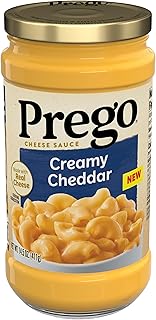
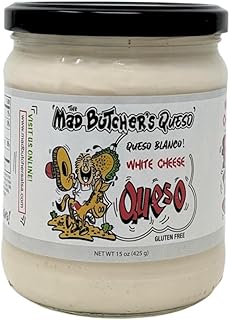


Serving Suggestions: Recommendations for serving the queso dip, including accompaniments and presentation ideas
To elevate your queso dip experience, consider serving it with a variety of accompaniments that complement its rich and creamy texture. Fresh, crisp vegetables like carrot sticks, celery, and bell pepper slices provide a refreshing crunch, while tortilla chips offer a classic pairing. For a more gourmet touch, try serving the dip with toasted baguette slices or pita chips.
Presentation is key when it comes to impressing guests. Transfer the queso dip to a decorative serving dish or a hollowed-out bread bowl for a rustic charm. Garnish the dip with fresh herbs like cilantro or parsley, and add a sprinkle of paprika or chili powder for a pop of color and extra flavor. You can also create a visually appealing platter by arranging the accompaniments around the dip in a circular pattern.
For a fun and interactive serving idea, set up a DIY nacho bar where guests can customize their own nachos with the queso dip as the base. Provide a variety of toppings like diced tomatoes, shredded lettuce, jalapeños, and different types of cheese. This not only adds a personal touch to the dish but also encourages guests to mingle and engage with each other.
When serving queso dip, it's important to keep the temperature in mind. To maintain the optimal dipping consistency, keep the dip warm in a slow cooker or a fondue pot. If the dip starts to thicken, simply add a small amount of milk or cream to thin it out. Remember to stir the dip occasionally to prevent it from burning or sticking to the bottom of the pot.
In conclusion, serving queso dip is all about creativity and attention to detail. By offering a variety of accompaniments, presenting the dip in an appealing way, and keeping the temperature just right, you can create a memorable and delicious experience for your guests.
Feta vs. Parmesan: A Cheesy Substitute Showdown
You may want to see also
Frequently asked questions
Yes, you can use frozen cheese for queso dip. However, it's important to thaw the cheese completely before using it to ensure a smooth and even texture in your dip.
The best types of frozen cheese for queso dip are typically those that melt well, such as cheddar, Monterey Jack, or a blend specifically designed for melting. Avoid using cheeses that don't melt smoothly, like mozzarella or feta.
To thaw frozen cheese for queso dip, place it in the refrigerator overnight or thaw it in cold water for a few hours. You can also use the defrost setting on your microwave, but be careful not to overheat the cheese.
It's not recommended to refreeze queso dip made with frozen cheese, as the texture and quality may deteriorate. If you have leftover dip, it's best to store it in the refrigerator and consume it within a few days.


