Kamil Perry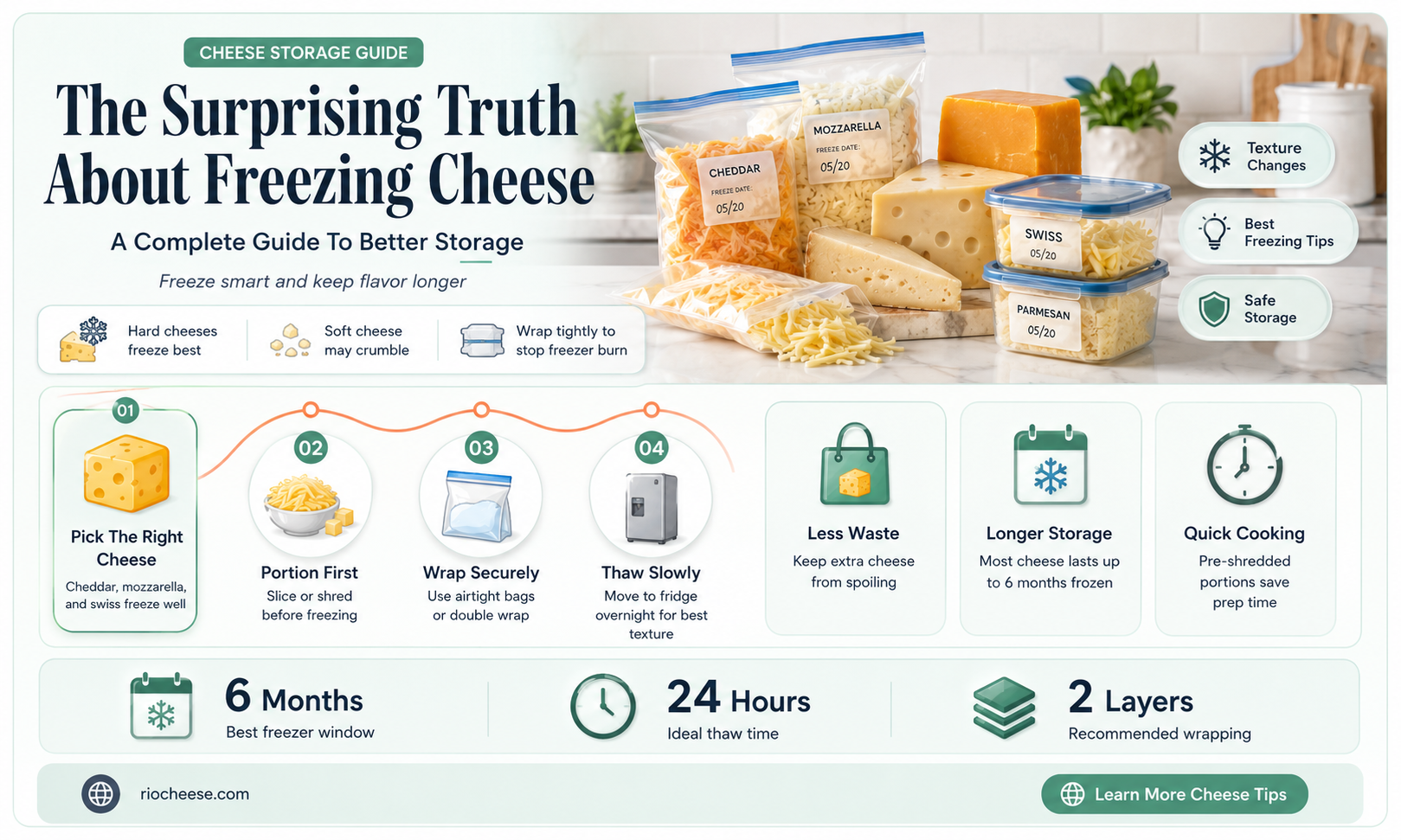
The question of whether cheese can be frozen is a common one among food enthusiasts and home cooks. Freezing cheese can be a convenient way to extend its shelf life, especially for those who buy in bulk or have leftover cheese that they want to preserve. However, the process of freezing cheese can affect its texture and flavor, leading to some debate about the best methods and types of cheese to freeze. In this article, we'll explore the ins and outs of freezing cheese, including the benefits, drawbacks, and expert tips for achieving the best results.
Explore related products


What You'll Learn
- Freezing Techniques: Methods for safely freezing cheese to preserve its quality and texture
- Cheese Types: Which types of cheese freeze well and which do not, including soft and hard cheeses
- Storage Duration: How long cheese can be stored in the freezer before it starts to degrade
- Thawing Process: Best practices for thawing frozen cheese to maintain its flavor and consistency
- Usage After Freezing: How to use thawed cheese in cooking and recipes, and any changes in texture or taste

Freezing Techniques: Methods for safely freezing cheese to preserve its quality and texture
Cheese can be frozen, but it's crucial to do so correctly to maintain its quality and texture. Freezing cheese is a delicate process because it can alter the structure of the proteins and fats, leading to a change in texture and flavor. However, with the right techniques, you can preserve your cheese for longer periods without significant degradation.
Before freezing, it's important to note that not all cheeses freeze equally well. Hard cheeses like cheddar and Swiss tend to freeze better than soft cheeses like brie or camembert. The key to successful cheese freezing lies in controlling the temperature and the rate of freezing. Rapid freezing helps to minimize the formation of ice crystals, which can damage the cheese's texture.
To freeze cheese, start by wrapping it tightly in plastic wrap or aluminum foil to prevent air from reaching it. Air exposure can lead to oxidation and freezer burn. For best results, place the wrapped cheese in a freezer bag or airtight container. Label the container with the date and type of cheese, as different cheeses have varying optimal storage times.
When it's time to thaw the cheese, do so slowly in the refrigerator to allow the proteins and fats to reintegrate properly. Avoid thawing cheese at room temperature or in the microwave, as this can cause the cheese to become rubbery or lose its flavor. By following these freezing and thawing techniques, you can enjoy your cheese for months to come without compromising its quality.
Can You Feed Regular String Cheese to Dogs?
You may want to see also
Explore related products


Cheese Types: Which types of cheese freeze well and which do not, including soft and hard cheeses
Hard cheeses, such as cheddar, Swiss, and Parmesan, generally freeze well due to their lower moisture content. These cheeses can be frozen in blocks or grated form and are suitable for long-term storage. When freezing hard cheeses, it's important to wrap them tightly in plastic wrap or aluminum foil to prevent freezer burn and to maintain their texture. Upon thawing, hard cheeses may become slightly crumbly, but their flavor remains largely unaffected.
Soft cheeses, like Brie, Camembert, and cream cheese, do not freeze well. Their high moisture content can lead to an undesirable texture and separation of ingredients when frozen and thawed. Soft cheeses are best stored in the refrigerator and consumed within a short period after opening. If you must freeze soft cheese, it's recommended to use it in cooked dishes after thawing, as this can help mask any changes in texture.
Semi-hard cheeses, such as Gouda, Edam, and Monterey Jack, can be frozen, but their texture may change slightly. These cheeses have a moderate moisture content, which makes them more susceptible to freezer burn than hard cheeses but less prone to separation than soft cheeses. To freeze semi-hard cheeses, wrap them tightly and consider grating or slicing them beforehand for easier use in recipes.
When freezing any type of cheese, it's crucial to label the package with the date and type of cheese to ensure proper usage and to avoid confusion. Frozen cheese can be stored for up to six months, but it's best to use it within three months for optimal quality. Thaw frozen cheese in the refrigerator overnight or at room temperature for a few hours before using it in recipes.
Cheesy Delights: A Guide to Safely Feeding Cheese to Your Kittens
You may want to see also
Explore related products




Storage Duration: How long cheese can be stored in the freezer before it starts to degrade
Cheese can be stored in the freezer for varying durations depending on the type and packaging. Hard cheeses like cheddar and Swiss can typically be frozen for up to 6 months without significant degradation in quality. Soft cheeses, such as brie or camembert, are more delicate and should be consumed within 1-2 months of freezing. It's crucial to wrap cheese tightly in plastic wrap or aluminum foil to prevent freezer burn and to maintain its texture and flavor.
When freezing cheese, it's important to consider the potential changes in texture and flavor. Some cheeses may become crumbly or lose their moisture content when frozen, which can affect their taste and usability in recipes. It's recommended to thaw cheese slowly in the refrigerator to minimize these changes. Additionally, freezing cheese can alter its melting properties, so it may not be ideal for dishes that require smooth, even melting.
For optimal storage, it's best to freeze cheese in small quantities that you can use within a reasonable timeframe. This will help ensure that you're consuming the cheese at its best quality and will reduce the risk of waste. If you're unsure about how long a specific type of cheese can be stored in the freezer, it's always a good idea to consult the packaging or contact the manufacturer for guidance.
In summary, while cheese can be stored in the freezer for several months, it's important to consider the type of cheese, its packaging, and the potential changes in texture and flavor. By following proper storage techniques and using frozen cheese within a reasonable timeframe, you can enjoy its taste and quality without significant degradation.
Is Pimento Cheese Safe for Dogs? A Complete Guide
You may want to see also
Explore related products


Thawing Process: Best practices for thawing frozen cheese to maintain its flavor and consistency
The thawing process is a critical step in preserving the quality of frozen cheese. To maintain its flavor and consistency, it's essential to thaw cheese slowly and at a consistent temperature. The ideal method is to transfer the frozen cheese from the freezer to the refrigerator and allow it to thaw overnight. This gradual process ensures that the cheese's texture and taste are not compromised.
If time is of the essence, a quicker method involves submerging the frozen cheese in cold water. Change the water every 30 minutes to maintain a consistent temperature. This method can take anywhere from 30 minutes to a few hours, depending on the size of the cheese block. It's crucial to avoid using warm or hot water, as this can cause the cheese to melt unevenly and lose its texture.
Another option is to thaw cheese in the microwave, but this requires careful monitoring. Place the cheese on a microwave-safe plate and use the defrost setting, checking every 15 seconds to ensure it doesn't start to melt. Once thawed, it's best to use the cheese immediately, as microwaving can alter its texture.
Regardless of the method chosen, it's important to avoid refreezing thawed cheese, as this can lead to a loss of quality and potential food safety issues. If you have excess thawed cheese, it's better to store it in the refrigerator and use it within a few days.
In summary, the key to successfully thawing frozen cheese is to do so slowly and at a consistent temperature. Whether using the refrigerator, cold water, or the microwave, careful attention to the process will ensure that the cheese retains its flavor and consistency.
Can You Feed Parmesan Cheese to a Dog? A Complete Guide
You may want to see also
Explore related products




Usage After Freezing: How to use thawed cheese in cooking and recipes, and any changes in texture or taste
Once cheese has been frozen and thawed, its texture and taste can undergo noticeable changes. The freezing process causes the moisture in the cheese to form ice crystals, which can lead to a slightly grainy or crumbly texture upon thawing. Additionally, the flavor of the cheese may become more concentrated due to the loss of moisture.
To use thawed cheese in cooking, it's best to incorporate it into recipes where the texture and taste changes won't be as noticeable. For example, thawed cheese can be used in sauces, soups, or casseroles where it will melt and blend with other ingredients. It can also be used in recipes that call for grated or shredded cheese, as the texture changes won't be as apparent in these forms.
When using thawed cheese in recipes, it's important to adjust the cooking time and temperature accordingly. Since the cheese has already undergone a freezing and thawing process, it may cook more quickly than fresh cheese. Additionally, the concentrated flavor of thawed cheese may require less seasoning than fresh cheese.
In terms of specific cooking methods, thawed cheese can be used in a variety of ways. It can be melted over low heat in a saucepan, incorporated into a roux for sauces, or used as a topping for dishes like nachos or baked potatoes. When melting thawed cheese, it's important to stir frequently to prevent it from burning or sticking to the pan.
Overall, while the texture and taste of thawed cheese may be slightly different from fresh cheese, it can still be used in a variety of cooking applications with proper adjustments. By understanding how freezing and thawing affects cheese, cooks can make informed decisions about how to use it in their recipes.
Is Cottage Cheese Safe for Puppies? A Complete Guide
You may want to see also
Frequently asked questions
Yes, you can freeze cheese. Freezing can help extend its shelf life, especially for hard and semi-hard cheeses.
Hard cheeses like cheddar, Swiss, and Parmesan, as well as semi-hard cheeses like Gouda and Monterey Jack, freeze well. Soft cheeses like Brie and Camembert can also be frozen, but they may not retain their original texture.
Before freezing, it's best to wrap the cheese tightly in plastic wrap or aluminum foil to prevent freezer burn. You can also place it in an airtight container. For best results, freeze cheese in small portions or slices.
Frozen cheese can be stored for up to 6 months. However, it's important to note that the texture and flavor may change slightly after freezing, so it's best to use it within a few months for optimal quality.