Patrick Oconnell
When it comes to pregnancy, expectant mothers often have numerous questions about what foods are safe to consume. One such query is whether gruyere cheese, a popular Swiss cheese known for its nutty flavor and smooth texture, is suitable for pregnant women. The concern primarily revolves around the potential presence of harmful bacteria like Listeria monocytogenes, which can be found in some soft and semi-soft cheeses. However, gruyere cheese is generally considered safe for pregnant women as it is a hard cheese, and the aging process typically eliminates any harmful bacteria. Additionally, gruyere is a good source of protein, calcium, and other essential nutrients that are beneficial during pregnancy. Nevertheless, it is always advisable for pregnant women to consult with their healthcare provider regarding their specific dietary needs and any concerns they may have about consuming certain foods.
Explore related products


What You'll Learn
- Nutritional Benefits: Gruyère cheese is rich in protein, calcium, and vitamins, which are essential for fetal development
- Safety Concerns: Pregnant women should avoid unpasteurized cheeses to prevent foodborne illnesses that could harm the baby
- Lactose Intolerance: Some pregnant women may experience increased lactose intolerance, making it difficult to digest certain cheeses
- Calorie Content: Gruyère cheese is high in calories and fat, so portion control is important for maintaining a healthy pregnancy weight
- Alternatives: Pregnant women can opt for pasteurized versions of Gruyère or other safe cheese options like cheddar or mozzarella

Nutritional Benefits: Gruyère cheese is rich in protein, calcium, and vitamins, which are essential for fetal development
Gruyère cheese, a delectable Swiss variety, offers a plethora of nutritional benefits that make it an excellent choice for expectant mothers. One of the primary advantages of incorporating Gruyère into a pregnancy diet is its high protein content. Protein is crucial for fetal development, as it aids in the growth and repair of tissues, including the formation of organs and the development of the placenta. A single serving of Gruyère cheese can provide a significant portion of the recommended daily protein intake for pregnant women, making it a valuable addition to meals and snacks.
In addition to protein, Gruyère cheese is an outstanding source of calcium. Calcium plays a vital role in the development of the baby's bones and teeth, as well as in the proper functioning of muscles and nerves. Pregnant women require more calcium than usual to support both their own health and the needs of their growing fetus. Gruyère cheese can help meet this increased demand, contributing to the overall bone health of both mother and child.
Furthermore, Gruyère cheese is rich in various vitamins, including vitamin A, vitamin B12, and riboflavin (vitamin B2). Vitamin A is essential for the development of the baby's vision, immune system, and skin. Vitamin B12 is crucial for the formation of red blood cells and the proper functioning of the nervous system. Riboflavin supports energy production and is important for the growth and development of the fetus. By consuming Gruyère cheese, pregnant women can ensure they are receiving these essential vitamins, which are vital for the health and well-being of their unborn child.
It is important to note that while Gruyère cheese offers numerous nutritional benefits, it should be consumed in moderation as part of a balanced diet. Pregnant women should always consult with their healthcare provider to determine the appropriate amount of cheese and other dairy products to include in their daily meals. By doing so, they can enjoy the delicious taste and health benefits of Gruyère cheese while ensuring the safety and well-being of both themselves and their baby.
Delicious Pairings: What to Eat with Macaroni and Cheese
You may want to see also
Explore related products


Safety Concerns: Pregnant women should avoid unpasteurized cheeses to prevent foodborne illnesses that could harm the baby
Pregnant women should be cautious about consuming unpasteurized cheeses, including gruyere, due to the risk of foodborne illnesses. Unpasteurized cheeses can harbor harmful bacteria such as Listeria monocytogenes, which can lead to listeriosis—a serious infection that can harm both the mother and the baby. Symptoms of listeriosis include fever, muscle aches, and gastrointestinal issues, and in severe cases, it can result in miscarriage, stillbirth, or premature delivery.
To avoid these risks, it is recommended that pregnant women opt for pasteurized cheeses, which have been heated to kill off harmful bacteria. While pasteurization can alter the taste and texture of cheese, it is a crucial step in ensuring food safety during pregnancy. Pregnant women should also be mindful of other food safety practices, such as washing hands thoroughly before handling food, avoiding raw meats, and storing food at the appropriate temperatures.
In the case of gruyere cheese, it is typically sold in pasteurized form in many countries, but it is always important to check the label to confirm. If you are unsure about the safety of a particular cheese, it is best to consult with a healthcare provider or a registered dietitian who can provide personalized advice based on your individual health needs and the specific guidelines in your region.
In summary, while gruyere cheese can be a delicious addition to a balanced diet, pregnant women should prioritize food safety by choosing pasteurized options and following proper food handling practices to minimize the risk of foodborne illnesses that could harm the baby.
The Truth About Expired Parmesan: Safe or Unsafe?
You may want to see also
Explore related products


Lactose Intolerance: Some pregnant women may experience increased lactose intolerance, making it difficult to digest certain cheeses
During pregnancy, hormonal changes can affect a woman's digestive system, leading to increased lactose intolerance. This condition makes it difficult for the body to digest lactose, a sugar found in milk and dairy products, including certain cheeses like Gruyère. As a result, consuming these cheeses may cause uncomfortable symptoms such as bloating, gas, and diarrhea.
Lactose intolerance during pregnancy is more common than one might think. According to the National Institutes of Health, approximately 65% of the global population has some degree of lactose intolerance. For pregnant women, this percentage can be even higher due to the aforementioned hormonal changes. It's essential to be aware of this potential issue to make informed dietary choices and avoid unnecessary discomfort.
If you're pregnant and experiencing lactose intolerance, it's crucial to monitor your symptoms and adjust your diet accordingly. While it may be tempting to eliminate all dairy products, it's important to remember that dairy is a valuable source of calcium, protein, and other essential nutrients. Instead, consider opting for lactose-free or low-lactose alternatives, or try taking lactase enzyme supplements to aid in digestion.
In the case of Gruyère cheese specifically, it's worth noting that this Swiss cheese is relatively low in lactose compared to other types of cheese. However, if you're still experiencing symptoms after consuming it, it may be best to limit your intake or explore other cheese options that are easier to digest. Remember, every woman's body is different, and what works for one person may not work for another.
Ultimately, the key to managing lactose intolerance during pregnancy is to listen to your body and make adjustments as needed. By being mindful of your symptoms and making informed dietary choices, you can enjoy a healthy and comfortable pregnancy while still savoring the foods you love.
Sweet or Savory: Can Sugar Gliders Indulge in Cheese?
You may want to see also
Explore related products



Calorie Content: Gruyère cheese is high in calories and fat, so portion control is important for maintaining a healthy pregnancy weight
Gruyère cheese, with its rich and creamy texture, is undoubtedly a delicious addition to many dishes. However, its high calorie and fat content can be a concern, especially for pregnant women who are mindful of their weight gain. A single ounce of Gruyère cheese contains approximately 115 calories and 9 grams of fat, which can quickly add up if not consumed in moderation.
To maintain a healthy pregnancy weight, it's essential to practice portion control when indulging in high-calorie foods like Gruyère cheese. This doesn't necessarily mean eliminating it from your diet entirely, but rather being mindful of how much you consume and how often. A good rule of thumb is to limit your daily intake of high-fat cheeses to about 1-2 ounces, and to balance your diet with plenty of nutrient-dense foods like fruits, vegetables, whole grains, and lean proteins.
It's also important to consider the nutritional benefits of Gruyère cheese, which include protein, calcium, and vitamin B12. These nutrients are crucial for fetal development and overall maternal health. Therefore, incorporating Gruyère cheese into your diet in moderation can be a healthy choice, as long as you're mindful of the calorie content and balance it with other nutritious foods.
In summary, while Gruyère cheese is high in calories and fat, it can still be enjoyed during pregnancy as part of a balanced diet. The key is to practice portion control and to focus on overall nutritional quality rather than solely on calorie content. By doing so, you can satisfy your cravings while maintaining a healthy weight and providing essential nutrients to your growing baby.
Savoring Cheese Burgers with Braces: A Guide to Safe Eating
You may want to see also
Explore related products

$18.68 $35.5


Alternatives: Pregnant women can opt for pasteurized versions of Gruyère or other safe cheese options like cheddar or mozzarella
For pregnant women who are concerned about the safety of consuming Gruyère cheese, there are several alternatives available. Pasteurized versions of Gruyère cheese are a suitable option, as the pasteurization process eliminates harmful bacteria that could pose a risk during pregnancy. This allows expectant mothers to enjoy the flavor of Gruyère cheese without worrying about potential health hazards.
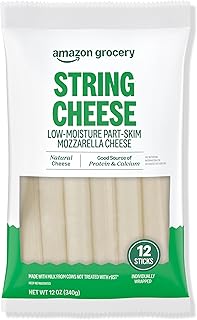
In addition to pasteurized Gruyère cheese, pregnant women can also consider other safe cheese options like cheddar or mozzarella. These cheeses are typically made from pasteurized milk and are widely regarded as safe for consumption during pregnancy. Cheddar cheese, with its rich and tangy flavor, can be a great substitute for Gruyère in various recipes, while mozzarella cheese, known for its mild taste and stretchy texture, is a popular choice for pizzas, salads, and sandwiches.
When selecting cheese alternatives during pregnancy, it's essential to pay attention to the labels and ensure that the products are made from pasteurized milk. This will help minimize the risk of foodborne illnesses that could potentially harm both the mother and the unborn baby. By choosing safe and delicious cheese options like pasteurized Gruyère, cheddar, or mozzarella, pregnant women can continue to enjoy their favorite dishes without compromising their health or the health of their child.
It's also worth noting that while these cheese alternatives are generally considered safe, pregnant women should always consult with their healthcare provider for personalized dietary advice. Individual health conditions and specific pregnancy circumstances may require additional precautions or recommendations. By staying informed and making informed choices, expectant mothers can navigate their dietary needs with confidence and ensure a healthy pregnancy.
Snacking with Braces: The Cheese Puffs Dilemma
You may want to see also
Frequently asked questions
Yes, you can eat Gruyère cheese when pregnant, as long as it is fully cooked or pasteurized.
Unpasteurized cheese can carry harmful bacteria like Listeria, which can lead to foodborne illnesses and potentially harm the fetus.
To ensure the Gruyère cheese is safe, check the label to confirm it is pasteurized or made from pasteurized milk. Additionally, avoid soft cheeses and opt for hard cheeses like Gruyère.
Yes, in addition to unpasteurized cheeses, pregnant women should avoid soft cheeses like Brie, Camembert, and feta, as they can also carry harmful bacteria.