Kamil Perry
String cheese, a popular snack among humans, often raises curiosity among dog owners regarding its safety for canine consumption. While it may seem harmless, it's crucial to understand the potential risks associated with feeding string cheese to dogs. This type of cheese is typically high in fat and salt, which can lead to health issues such as obesity and sodium poisoning if consumed in large quantities. Additionally, the stringy texture poses a choking hazard, especially for smaller breeds or dogs prone to gulping down their food. It's always best to consult with a veterinarian before introducing new foods into your dog's diet to ensure their health and safety.
Explore related products



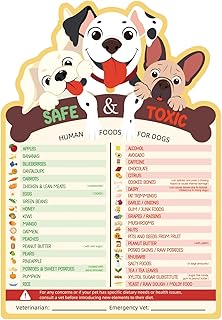

What You'll Learn
- Nutritional value: String cheese can be a good source of protein and calcium for dogs
- Lactose intolerance: Some dogs may be lactose intolerant and experience digestive issues
- Choking hazard: The stringy texture can pose a choking risk, especially for small breeds
- Fat content: String cheese can be high in fat, potentially leading to obesity if fed excessively
- Additives and preservatives: Some string cheeses contain additives that may be harmful to dogs

Nutritional value: String cheese can be a good source of protein and calcium for dogs
String cheese, a popular snack among humans, can also offer nutritional benefits to dogs when given in moderation. It is a good source of protein, which is essential for maintaining muscle mass and supporting various bodily functions in dogs. Additionally, string cheese contains calcium, a mineral crucial for bone health and dental strength. However, it is important to note that while string cheese can be a healthy treat for dogs, it should not replace their regular, balanced diet.
When considering the nutritional value of string cheese for dogs, it is essential to look at the specific ingredients and nutritional content of the product. Some string cheeses may contain additives or preservatives that could be harmful to dogs. It is always best to choose a plain, low-fat string cheese without any added flavors or ingredients. Furthermore, portion control is key, as too much cheese can lead to obesity and other health issues in dogs.
In terms of serving size, a general guideline is to offer no more than one ounce of string cheese per day for small to medium-sized dogs. Larger dogs may be able to tolerate slightly more, but it is crucial to monitor their weight and overall health. It is also important to introduce string cheese gradually into a dog's diet to avoid any digestive upset.
While string cheese can be a nutritious treat for dogs, it is not suitable for all canines. Dogs with lactose intolerance or dairy allergies should avoid string cheese, as it can cause gastrointestinal issues such as diarrhea, vomiting, and stomach pain. Additionally, dogs with certain medical conditions, such as pancreatitis or kidney disease, may need to limit their intake of high-fat or high-protein foods.
In conclusion, string cheese can be a valuable addition to a dog's diet when given in moderation and chosen wisely. It provides protein and calcium, which are beneficial for a dog's overall health. However, it is essential to consider the specific needs and health conditions of your dog before introducing string cheese into their diet. Always consult with your veterinarian for personalized advice on your dog's nutritional requirements.
Decoding Velveeta: Safe to Savor Past the Expiration?
You may want to see also
Explore related products



Lactose intolerance: Some dogs may be lactose intolerant and experience digestive issues
Lactose intolerance in dogs is a common issue that can lead to digestive problems if not addressed properly. This condition occurs when a dog's body lacks the necessary enzymes to break down lactose, a sugar found in dairy products like string cheese. As a result, consuming lactose-containing foods can cause symptoms such as diarrhea, vomiting, and stomach pain.
It's important to note that lactose intolerance is not the same as a milk allergy, which is a more severe and potentially life-threatening condition. While some dogs may outgrow lactose intolerance, others may require a lifelong dietary adjustment to manage their symptoms.
If you suspect that your dog may be lactose intolerant, it's crucial to consult with a veterinarian for proper diagnosis and treatment. Your vet may recommend a lactose-free diet or prescribe supplements to help your dog digest lactose more effectively. In some cases, a simple elimination diet may be sufficient to determine if lactose is the culprit behind your dog's digestive issues.
When it comes to string cheese specifically, it's best to avoid giving it to dogs with lactose intolerance. Instead, opt for lactose-free cheese alternatives or other treats that are safe for dogs with this condition. Always read labels carefully and consult with your veterinarian if you're unsure about a particular food item.
In addition to dietary changes, there are other ways to help manage your dog's lactose intolerance. For example, providing plenty of fresh water can help prevent dehydration caused by diarrhea, and monitoring your dog's weight can help ensure they're getting the nutrients they need despite any dietary restrictions. With proper care and management, dogs with lactose intolerance can lead happy and healthy lives.
The Truth About Expired String Cheese: Safe or Not?
You may want to see also
Explore related products


Choking hazard: The stringy texture can pose a choking risk, especially for small breeds
String cheese, with its enticing stringy texture, might seem like a fun treat for your dog. However, this characteristic can actually pose a significant choking hazard, particularly for small breeds. The strings can easily wrap around a dog's throat or tongue, leading to severe discomfort or even suffocation. It's crucial to be aware of this risk before offering string cheese to your canine companion.
Small breeds, such as Chihuahuas, Pomeranians, and Yorkshire Terriers, are especially vulnerable due to their petite size and proportionally smaller airways. If a piece of string cheese becomes lodged in their throat, it can quickly obstruct their breathing and lead to a life-threatening situation. Larger breeds are not immune to this risk either, but their bigger airways make it less likely.
To minimize the choking hazard, it's essential to supervise your dog closely while they eat string cheese. Break the cheese into small, manageable pieces and avoid leaving your dog unattended with a large chunk. If you notice any signs of distress, such as coughing, gagging, or difficulty breathing, seek immediate veterinary attention.
In addition to the choking risk, it's important to consider the nutritional aspects of string cheese. While it can be a tasty treat in moderation, it's high in fat and calories, which can contribute to weight gain and other health issues if overfed. Always provide fresh water alongside any treats to help prevent dehydration and aid in digestion.
Ultimately, while string cheese can be a delightful occasional treat for your dog, it's crucial to be mindful of the potential choking hazard and take necessary precautions. By doing so, you can ensure that your furry friend enjoys their treat safely and responsibly.
Can Bearded Dragons Eat Cheese? A Comprehensive Guide
You may want to see also
Explore related products


Fat content: String cheese can be high in fat, potentially leading to obesity if fed excessively
String cheese, while a popular snack among humans, poses a significant risk to dogs due to its high fat content. The excessive consumption of fatty foods can lead to obesity in dogs, which in turn can cause a myriad of health issues such as diabetes, heart disease, and joint problems. It's crucial for dog owners to understand the nutritional content of human foods before sharing them with their pets.
The fat content in string cheese can vary depending on the brand and type, but it typically ranges from 20-30 grams per 100 grams of cheese. For a small dog, even a small amount of string cheese could contribute to an unhealthy diet if consumed regularly. Larger dogs may be able to tolerate small amounts occasionally, but it's still important to monitor their intake and ensure that it doesn't become a regular part of their diet.
Dog owners should be aware of the signs of obesity in their pets, which include a lack of energy, difficulty breathing, and an inability to jump or climb stairs. If a dog is already overweight, it's essential to consult with a veterinarian to develop a safe and effective weight loss plan. Prevention is key, and limiting the intake of high-fat human foods like string cheese can go a long way in maintaining a dog's healthy weight.
In addition to the risk of obesity, feeding dogs string cheese can also lead to gastrointestinal upset, including vomiting and diarrhea. This is because dogs have a limited ability to digest lactose, a sugar found in milk and dairy products. String cheese, being a dairy product, can cause digestive issues in dogs, especially those that are lactose intolerant.
To keep dogs healthy and safe, it's best to stick to a diet that is specifically formulated for their nutritional needs. While it may be tempting to share human foods with pets, it's important to remember that what is safe for humans to eat is not always safe for dogs. In the case of string cheese, the high fat and lactose content make it a poor choice for canine consumption. Instead, dog owners should opt for healthy, low-fat treats that are designed for dogs.
Can Lizards Eat Cheese? A Surprising Truth Revealed
You may want to see also
Explore related products

$27.84 $31.99
$17.56 $21.36



Additives and preservatives: Some string cheeses contain additives that may be harmful to dogs
String cheese, while a popular snack among humans, can pose certain risks to dogs due to its additive and preservative content. Some string cheeses contain substances that are perfectly safe for human consumption but can be harmful or even toxic to dogs. For instance, certain preservatives like sodium nitrate and sodium nitrite, commonly found in processed meats and cheeses, can lead to serious health issues in dogs if ingested in large quantities. These additives can cause gastrointestinal upset, respiratory problems, and in severe cases, methemoglobinemia, a condition where the blood's ability to carry oxygen is impaired.
Moreover, some string cheeses may contain artificial flavorings or coloring agents that are not suitable for canine consumption. Dogs have a more sensitive digestive system compared to humans, and these artificial additives can lead to digestive disturbances, allergic reactions, or other health complications. It is crucial for dog owners to be aware of the ingredients in the string cheese they are considering feeding their pets and to avoid products that contain potentially harmful additives.
When selecting string cheese for dogs, it is advisable to opt for natural varieties that are free from artificial preservatives, flavorings, and colorings. Organic or minimally processed string cheeses are generally safer options. However, it is important to note that even natural string cheese should be given in moderation, as dogs have different nutritional needs than humans and excessive cheese consumption can lead to obesity and other health issues.
In conclusion, while some string cheeses can be a safe and enjoyable treat for dogs when given in moderation, it is essential for pet owners to be vigilant about the additive and preservative content. By choosing natural, additive-free options and monitoring their dog's reaction, owners can help ensure that their pets enjoy this snack without risking their health.
Can Chickens Safely Enjoy Moldy Cheese? A Poultry Diet Guide
You may want to see also
Frequently asked questions
While string cheese is not toxic to dogs, it's not recommended as a regular treat due to its high fat and salt content. Occasional small pieces in moderation might be okay for some dogs, but it's best to consult with your veterinarian first.
Healthier alternatives to string cheese for dogs include low-fat, plain yogurt; cottage cheese; or small pieces of cooked chicken or turkey. Always introduce new foods gradually and in moderation.
If your dog consumes a large amount of string cheese, monitor them closely for signs of gastrointestinal upset such as vomiting, diarrhea, or lethargy. If any of these symptoms occur, contact your veterinarian immediately.