Frederic Melton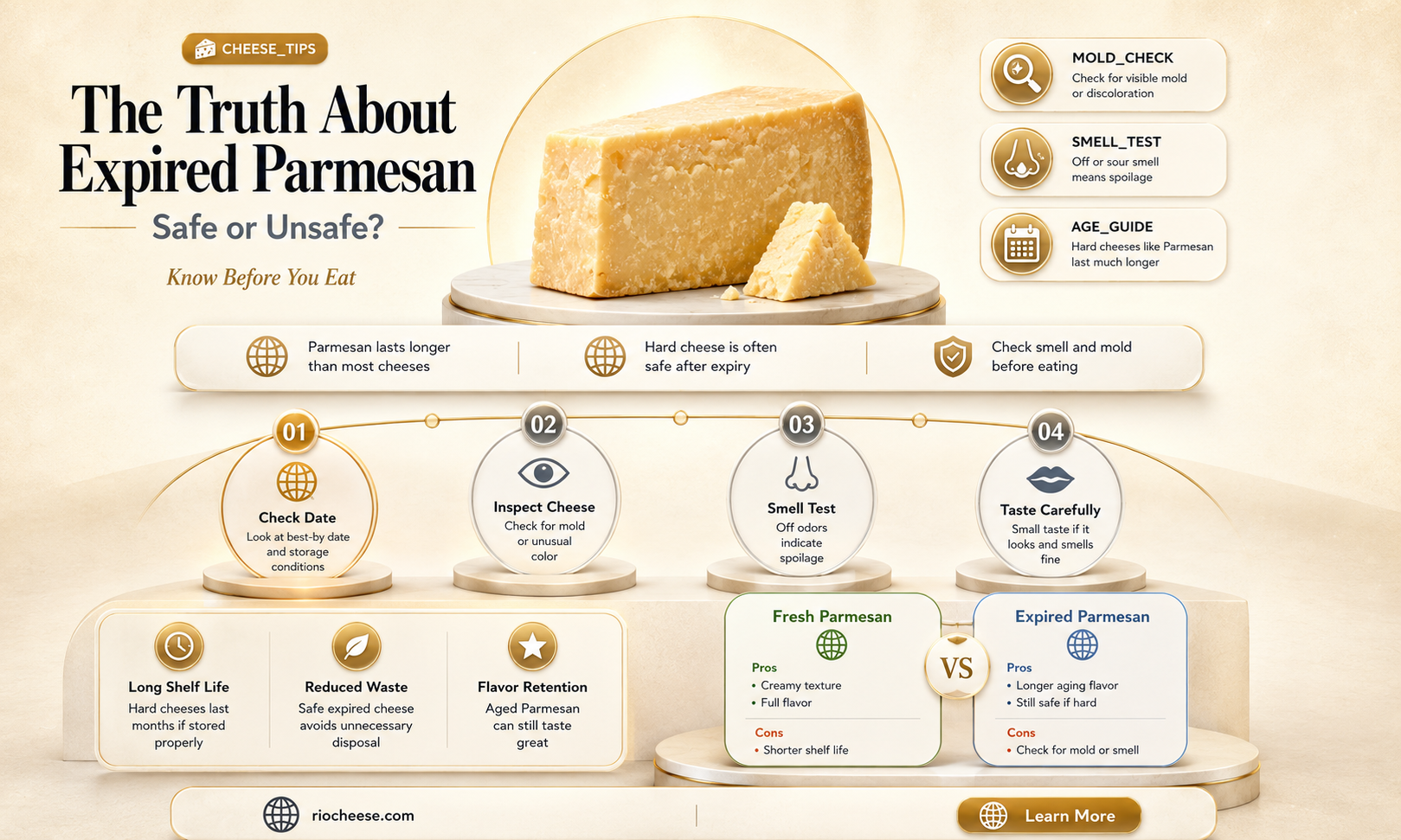
When it comes to the safety of consuming expired Parmesan cheese, several factors need to be considered. Firstly, it's important to distinguish between expired and spoiled. Cheese, especially hard cheeses like Parmesan, can often be safely consumed past their expiration date if they have been stored properly. The expiration date on cheese packaging typically indicates the best quality and flavor, rather than a strict safety deadline. However, if the cheese shows signs of spoilage such as mold, sliminess, or an off odor, it should be discarded immediately. Proper storage is crucial; Parmesan cheese should be kept in a cool, dry place, ideally in the refrigerator wrapped tightly to prevent moisture and contaminants. If the cheese has been stored under these conditions and has not developed any signs of spoilage, it may still be safe to eat even after the expiration date has passed. Always use your best judgment and when in doubt, it's better to err on the side of caution.
Explore related products



What You'll Learn
- Shelf Life: Understanding the typical shelf life of Parmesan cheese and how it changes after expiration
- Spoilage Signs: Identifying signs of spoilage in Parmesan cheese, such as mold, discoloration, or off odors
- Health Risks: Exploring potential health risks associated with consuming expired Parmesan cheese, including foodborne illnesses
- Storage Tips: Providing recommendations for properly storing Parmesan cheese to extend its freshness and prevent premature spoilage
- Culinary Uses: Discussing creative ways to use expired but still safe Parmesan cheese in cooking and recipes

Shelf Life: Understanding the typical shelf life of Parmesan cheese and how it changes after expiration
Parmesan cheese, a staple in many kitchens, has a typical shelf life that can vary based on several factors. Generally, hard cheeses like Parmesan can last longer than softer varieties due to their lower moisture content. When stored properly in a cool, dry place, a block of Parmesan cheese can last for several months past its sell-by date. However, once grated, the cheese's surface area increases, making it more susceptible to mold and bacterial growth, thus reducing its shelf life.
After expiration, the safety of consuming Parmesan cheese depends on how it has been stored and its current condition. If the cheese has been kept in optimal conditions, it may still be safe to eat for a short period after the expiration date. However, if it shows signs of spoilage such as mold, an off smell, or discoloration, it should be discarded immediately. It's crucial to inspect the cheese carefully before consumption, as consuming spoiled cheese can lead to foodborne illnesses.
To extend the shelf life of Parmesan cheese, it's essential to store it correctly. Wrapping the cheese tightly in plastic wrap or aluminum foil can help prevent air and moisture from reaching it. For grated Parmesan, storing it in an airtight container in the refrigerator can help maintain its freshness. Additionally, freezing Parmesan cheese can significantly prolong its shelf life, although the texture may change slightly upon thawing.
In summary, understanding the shelf life of Parmesan cheese and how it changes after expiration is key to ensuring its safe consumption. Proper storage techniques can help extend its usability, but it's always important to inspect the cheese for signs of spoilage before eating it. By following these guidelines, you can enjoy Parmesan cheese safely and make the most of its shelf life.
Braces-Friendly Mac and Cheese: A Guide to Safe Eating
You may want to see also
Explore related products


Spoilage Signs: Identifying signs of spoilage in Parmesan cheese, such as mold, discoloration, or off odors
Mold is one of the most obvious signs of spoilage in Parmesan cheese. It typically appears as green or white fuzzy patches on the surface of the cheese. If you notice any mold, it's crucial to discard the cheese immediately, as mold can produce harmful mycotoxins that can cause illness if ingested.
Discoloration is another indicator that your Parmesan cheese may have gone bad. Fresh Parmesan cheese should have a uniform, pale yellow color. If you observe any dark spots, reddish hues, or significant color changes, it's likely that the cheese has been contaminated by bacteria or has undergone chemical changes due to improper storage.
Off odors are also a clear sign that your Parmesan cheese has spoiled. A strong, unpleasant smell, such as a sour or ammonia-like odor, indicates that the cheese has been broken down by bacteria or mold. It's important to trust your nose in this case, as spoiled cheese can pose health risks if consumed.
In addition to these primary signs, there are other indicators that your Parmesan cheese may be past its prime. For example, if the cheese has become overly soft or crumbly, or if it has developed an unusual texture, it's best to err on the side of caution and discard it.
To prevent spoilage, it's essential to store Parmesan cheese properly. Keep it in a cool, dry place, such as a refrigerator or a cheese cave, and wrap it tightly in plastic wrap or aluminum foil. If you notice any of the above signs of spoilage, it's important to discard the cheese immediately to avoid any potential health risks.
String Cheese Conundrum: A Guide to Post-Wisdom Teeth Snacking
You may want to see also
Explore related products



Health Risks: Exploring potential health risks associated with consuming expired Parmesan cheese, including foodborne illnesses
Consuming expired Parmesan cheese can pose several health risks, primarily due to the potential growth of harmful bacteria and mold. One of the most significant concerns is the risk of foodborne illnesses, which can occur when bacteria such as Salmonella, E. coli, or Listeria contaminate the cheese. These bacteria can cause symptoms ranging from mild gastrointestinal discomfort to severe illness, and in some cases, can even be life-threatening, particularly for vulnerable populations such as the elderly, young children, and individuals with weakened immune systems.
In addition to bacterial contamination, expired Parmesan cheese may also develop mold, which can produce mycotoxins—toxic compounds that can cause a variety of health problems. Some mycotoxins can cause acute symptoms such as nausea, vomiting, and diarrhea, while others can have more chronic effects, potentially leading to liver damage, kidney failure, or even cancer. It is important to note that not all molds are harmful, but it can be difficult to distinguish between safe and dangerous varieties without proper testing.
Another potential health risk associated with consuming expired Parmesan cheese is the presence of aflatoxins, which are produced by certain types of mold. Aflatoxins are known carcinogens and can cause liver damage, cirrhosis, and liver cancer. They can also suppress the immune system, making individuals more susceptible to infections and other illnesses. The risk of aflatoxin contamination is particularly high in cheeses that have been stored improperly or for too long.
To minimize the risk of foodborne illnesses and other health problems associated with expired Parmesan cheese, it is essential to follow proper food safety guidelines. This includes storing cheese at the appropriate temperature, checking for signs of spoilage before consumption, and discarding any cheese that appears moldy, discolored, or has an off odor. It is also important to be aware of the specific health risks associated with different types of cheese, as some varieties may be more prone to contamination than others.
In conclusion, while Parmesan cheese can be a delicious and nutritious addition to many meals, it is crucial to be aware of the potential health risks associated with consuming expired or improperly stored cheese. By following proper food safety guidelines and being vigilant for signs of spoilage, individuals can enjoy Parmesan cheese while minimizing the risk of foodborne illnesses and other health problems.
Snacking with Braces: The Cheese Puffs Dilemma
You may want to see also
Explore related products


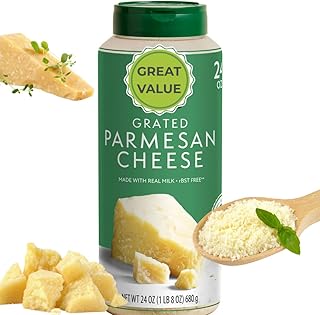

Storage Tips: Providing recommendations for properly storing Parmesan cheese to extend its freshness and prevent premature spoilage
Parmesan cheese, a staple in many kitchens, requires careful storage to maintain its quality and prevent spoilage. To extend its freshness, it's essential to store Parmesan cheese in a cool, dry place, away from direct sunlight and heat sources. Ideally, the cheese should be kept in a temperature-controlled environment, such as a refrigerator or a cheese cave, at a temperature between 35°F and 45°F (2°C and 7°C).
When storing Parmesan cheese, it's crucial to wrap it properly to prevent moisture absorption and mold growth. The cheese should be wrapped tightly in plastic wrap or aluminum foil, ensuring that there are no air pockets. For longer storage, it's recommended to use a combination of both plastic wrap and aluminum foil, with the plastic wrap on the inside and the foil on the outside. This double-wrapping method helps to maintain the cheese's humidity and prevent it from drying out.
Another important factor to consider when storing Parmesan cheese is its proximity to other foods. Strong-smelling foods, such as onions and garlic, can impart their flavors to the cheese, altering its taste. Therefore, it's best to store Parmesan cheese away from other pungent foods. Additionally, it's important to avoid storing the cheese near fruits and vegetables, as these can release ethylene gas, which can accelerate the ripening process and lead to spoilage.
To further extend the freshness of Parmesan cheese, it's recommended to grate it only when needed. Grated cheese has a larger surface area, which makes it more susceptible to moisture absorption and mold growth. By grating the cheese just before use, you can help to maintain its quality and prevent premature spoilage.
In summary, proper storage of Parmesan cheese involves keeping it in a cool, dry place, away from direct sunlight and heat sources. It should be wrapped tightly in plastic wrap and aluminum foil, and stored away from strong-smelling foods and fruits and vegetables. Grating the cheese only when needed can also help to extend its freshness. By following these storage tips, you can enjoy the rich flavor of Parmesan cheese for a longer period and reduce the risk of spoilage.
Cheesy Dilemma: Enjoying Cheese Sticks with Braces - Yes or No?
You may want to see also
Explore related products


Culinary Uses: Discussing creative ways to use expired but still safe Parmesan cheese in cooking and recipes
Expired but still safe Parmesan cheese can be a versatile ingredient in the kitchen, offering a range of culinary uses that go beyond simply grating it over pasta. One creative way to utilize this cheese is by incorporating it into a homemade pesto sauce. The nutty, slightly sharper flavor of aged Parmesan can enhance the taste of traditional pesto, which typically calls for fresh basil, garlic, pine nuts, and olive oil. By adding grated expired Parmesan to the mix, you can create a richer, more complex sauce that can be used as a spread, a dip, or a flavorful addition to various dishes.
Another innovative use for expired Parmesan is in the preparation of a savory cheese crisp. These crisps can be made by mixing grated cheese with a small amount of flour and seasoning, then spreading the mixture thinly on a baking sheet and baking until golden and crispy. The result is a delicious, crunchy snack that can be enjoyed on its own or used as a garnish for salads, soups, or other dishes. The slightly more intense flavor of expired Parmesan can add a unique depth to these crisps, making them a standout addition to any meal.
For those looking to add a touch of umami to their cooking, expired Parmesan can also be used to make a flavorful cheese broth. By simmering grated cheese in a pot of water or vegetable broth, you can create a rich, savory liquid that can be used as a base for soups, sauces, or risottos. The longer the cheese has been aged, the more pronounced its flavor will be, resulting in a broth that is both comforting and satisfying.
In addition to these creative uses, expired Parmesan can also be repurposed in more traditional recipes. For example, it can be grated over roasted vegetables, incorporated into a filling for stuffed pasta shells, or used as a topping for a classic Caesar salad. The key is to think outside the box and experiment with different ways to incorporate this flavorful ingredient into your cooking.
When using expired Parmesan in your recipes, it's important to remember that the cheese may have a stronger, more pungent flavor than its fresher counterparts. This can be an advantage in some dishes, where a bold, cheesy taste is desired, but it may also require some adjustments to the seasoning or other ingredients to achieve the desired balance of flavors. By being mindful of these considerations and embracing the unique qualities of expired Parmesan, you can unlock a world of culinary possibilities and reduce food waste in the process.
Post-Op Comfort Food: Is Mac and Cheese Safe After Teeth Removal?
You may want to see also
Frequently asked questions
Generally, hard cheeses like Parmesan can be safe to eat even after their expiration date if they have been stored properly. However, it's important to inspect the cheese for any signs of spoilage such as mold, sliminess, or an off odor before consuming it.
Signs that Parmesan cheese has gone bad include the presence of mold, a slimy texture, or an off smell. If the cheese shows any of these signs, it should not be consumed.
Eating expired Parmesan cheese that has not been stored properly or shows signs of spoilage can lead to foodborne illness. Symptoms may include nausea, vomiting, diarrhea, and stomach cramps.
Parmesan cheese should be stored in a cool, dry place, ideally in the refrigerator. It should be wrapped tightly in plastic wrap or aluminum foil to prevent it from drying out or absorbing odors from other foods.
If the expired Parmesan cheese does not show any signs of spoilage and has been stored properly, it can be used in cooking. The heat from cooking can kill any potential bacteria, making the cheese safe to eat. However, it's always best to err on the side of caution and discard any cheese that you are unsure about.


![Parmesan Snacking Cheese is a power-full snack, made with three simple ingredients to create this all natural, full flavor cheese. With only 80 calories and naturally packed with 7 grams of protein, this parmesan will satisfy your hunger to keep you full for longer. Pack these snackable cheeses in lunch boxes for a convenient and fulfilling snack, or pair with tomatoes, roasted peppers, cured meats, melon, grapes, crackers or bread for a quick appetizer. A smile with every bite! [ 18 oz , 1.12 lb ] 24 ct](https://m.media-amazon.com/images/I/51kwZ4FNsML._AC_UL320_.jpg)