Andy Montoya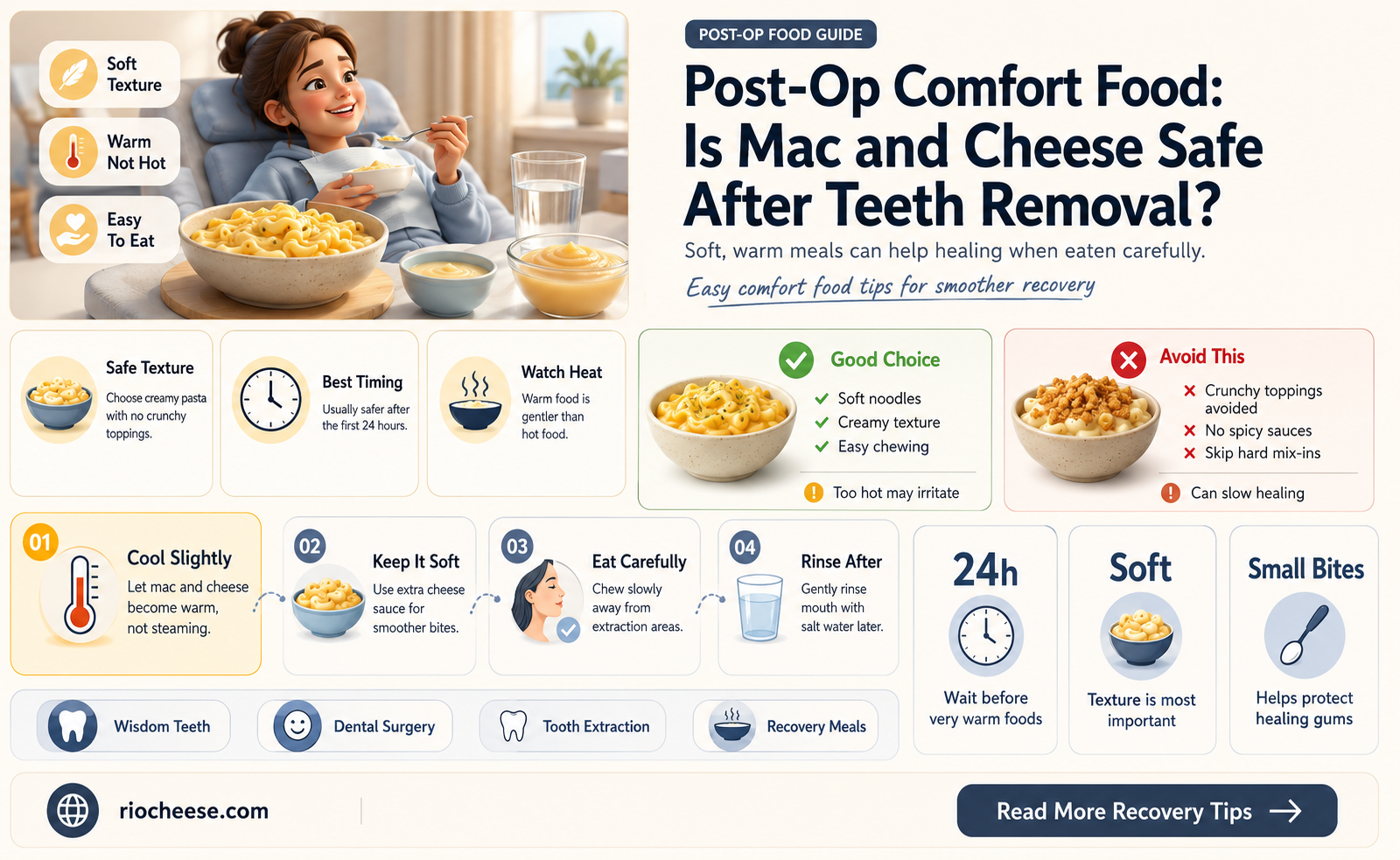
After undergoing a teeth removal procedure, it's crucial to be mindful of your diet to ensure proper healing and minimize discomfort. One common question patients have is whether they can enjoy their favorite comfort foods, like mac and cheese, during the recovery period. The good news is that mac and cheese can be a suitable option, but with some considerations. Since the dish is typically soft and easy to chew, it can be a good choice for those who have had teeth removed. However, it's essential to let the mac and cheese cool down to a comfortable temperature to avoid burning the sensitive areas in your mouth. Additionally, be cautious of any crunchy toppings or overly firm pasta that could cause irritation. By taking these factors into account, you can safely enjoy a serving of mac and cheese while allowing your mouth to heal properly after teeth removal.
Explore related products


What You'll Learn
- Soft Food Diet: Recommendations for soft, easy-to-chew foods post-teeth removal, including mac and cheese
- Nutritional Needs: Ensuring adequate nutrition while avoiding hard or chewy foods that could disrupt healing
- Oral Care: Tips for maintaining oral hygiene and preventing infection after teeth removal
- Pain Management: Advice on managing discomfort and swelling, which may affect eating habits
- Healing Timeline: General guidelines on the recovery process and when it might be safe to resume normal eating habits

Soft Food Diet: Recommendations for soft, easy-to-chew foods post-teeth removal, including mac and cheese
After undergoing teeth removal, patients are often advised to follow a soft food diet to facilitate healing and minimize discomfort. Macaroni and cheese, a beloved comfort food, is a popular choice for those seeking easy-to-chew options. However, it's essential to consider the nutritional value and potential drawbacks of relying heavily on this dish during the recovery period.
Macaroni and cheese is high in carbohydrates and calories, which can be beneficial for individuals who may experience a decrease in appetite post-surgery. The creamy texture and mild flavor make it an appealing option for those with sensitive gums and limited chewing ability. However, it's crucial to balance this indulgence with other nutrient-dense soft foods to ensure adequate intake of vitamins, minerals, and protein.
To make macaroni and cheese a healthier choice after teeth removal, consider incorporating additional ingredients that provide nutritional benefits. For example, adding pureed vegetables like carrots or spinach can increase the fiber and vitamin content. Using whole-grain pasta instead of refined white pasta can also boost fiber intake and provide more sustained energy. Opting for low-fat cheese or a cheese alternative can help reduce saturated fat consumption, which is important for overall heart health.
It's also important to be mindful of portion sizes, as overeating can lead to discomfort and hinder the healing process. Eating smaller, more frequent meals throughout the day can help manage hunger and prevent excessive strain on the jaw. Additionally, taking the time to chew food thoroughly, even if it's soft, can aid in digestion and reduce the risk of complications.
In conclusion, while macaroni and cheese can be a suitable option for those following a soft food diet after teeth removal, it's essential to balance it with other nutritious foods and be mindful of portion sizes. By making informed choices and incorporating a variety of soft, easy-to-chew options, individuals can support their recovery and maintain overall health.
Braces-Friendly Mac and Cheese: A Guide to Safe Eating
You may want to see also
Explore related products
![[Soft Foods for Easier Eating Cookbook: Easy-To-Follow Recipes for People Who Have Chewing and Swallowing Problems] (By: Sandra Woodruff) [published: January, 2010]](https://m.media-amazon.com/images/I/51yujM-k2JL._AC_UY218_.jpg)


Nutritional Needs: Ensuring adequate nutrition while avoiding hard or chewy foods that could disrupt healing
After teeth removal, ensuring adequate nutrition is crucial for the healing process. However, it's equally important to avoid hard or chewy foods that could disrupt the healing of the extraction site. This means that while you need to maintain a balanced diet, you must also be mindful of the texture and consistency of the foods you consume.
One of the challenges in this situation is finding foods that are both nutritious and easy to eat. Soft foods are generally recommended, but they can become monotonous and may not provide all the necessary nutrients. To address this, you can consider incorporating a variety of soft, nutrient-dense foods into your diet. For example, smoothies made with fruits, vegetables, and protein powder can be an excellent way to get essential vitamins and minerals without having to chew.
Another strategy is to modify your favorite recipes to make them softer and easier to eat. For instance, if you enjoy mac and cheese, you can try making a softer version by using a lower ratio of pasta to cheese sauce, or by blending the sauce to make it smoother. You can also experiment with different types of pasta, such as orecchiette or fusilli, which may be easier to eat than traditional elbow macaroni.
It's also important to stay hydrated during the healing process, as dehydration can slow down recovery and make it more difficult to eat. Drinking plenty of water, herbal teas, and clear broths can help keep you hydrated and provide additional nutrients.
Finally, be sure to follow your dentist's or oral surgeon's specific instructions regarding your diet after teeth removal. They may have particular recommendations or restrictions based on your individual situation. By being mindful of your nutritional needs and avoiding hard or chewy foods, you can support the healing process and ensure a smoother recovery.
Savoring Grilled Cheese with Braces: A Delicious Possibility?
You may want to see also
Explore related products


Oral Care: Tips for maintaining oral hygiene and preventing infection after teeth removal
Maintaining oral hygiene after teeth removal is crucial to prevent infection and ensure proper healing. Here are some tips to help you keep your mouth clean and healthy during the recovery period:
- Gentle Brushing: Start brushing your teeth gently with a soft-bristled toothbrush at least twice a day, preferably in the morning and before bed. Be careful not to brush too hard or too close to the extraction site to avoid irritating the gums.
- Saltwater Rinses: Rinse your mouth with a warm saltwater solution several times a day. This helps to reduce swelling, soothe the gums, and prevent bacterial growth. To make the solution, dissolve one teaspoon of salt in a glass of warm water.
- Avoid Hot and Spicy Foods: Consuming hot and spicy foods can irritate the gums and slow down the healing process. Opt for cooler, softer foods that are easy to chew and swallow.
- Keep the Extraction Site Clean: Use a clean, damp cloth or gauze to gently clean the extraction site after meals. This helps to remove any food particles or debris that may accumulate and cause infection.
- Antibacterial Mouthwash: Your dentist may recommend an antibacterial mouthwash to help prevent infection. Use it as directed, typically after brushing and flossing.
- Follow Your Dentist's Instructions: Your dentist will provide specific instructions for oral care after teeth removal. Follow these instructions carefully to ensure proper healing and prevent complications.
By following these tips, you can maintain good oral hygiene and reduce the risk of infection after teeth removal. Remember to be gentle with your mouth and avoid any activities that may cause discomfort or pain. If you experience any unusual symptoms or have concerns, contact your dentist immediately.
Cottage Cheese Conundrum: A Guide to Eating After Wisdom Teeth Removal
You may want to see also
Explore related products

$9.69 $18.99


Pain Management: Advice on managing discomfort and swelling, which may affect eating habits
Managing pain and swelling after teeth removal is crucial for ensuring a smooth recovery and maintaining proper eating habits. One effective strategy is to apply a cold compress to the affected area for 15-20 minutes at a time, several times a day. This helps reduce swelling and numbs the pain. It's also important to take over-the-counter pain relievers as directed by your dentist or doctor. These medications can help alleviate discomfort and make it easier to eat.
In terms of eating habits, it's essential to avoid hard, crunchy, or spicy foods that can irritate the surgical site or dislodge the blood clot. Instead, opt for soft, easy-to-chew foods like mashed potatoes, yogurt, or smoothies. Mac and cheese, being a soft and creamy dish, can be a suitable option after teeth removal, but it's important to let it cool down to avoid burning the sensitive tissues in your mouth.
Another practical tip is to use a straw when drinking to minimize contact with the surgical site. Additionally, maintaining good oral hygiene by gently rinsing your mouth with warm salt water can help reduce swelling and prevent infection. Remember to follow your dentist's specific instructions regarding pain management and dietary restrictions, as individual recovery experiences may vary.
Lastly, be patient with your recovery process. It may take several days for the swelling and pain to subside completely. During this time, prioritize rest and avoid strenuous activities that could delay healing. By following these guidelines, you can effectively manage discomfort and swelling, ensuring a more comfortable and speedy recovery.
Cheesy Dilemma: Enjoying Cheese Sticks with Braces - Yes or No?
You may want to see also
Explore related products


Healing Timeline: General guidelines on the recovery process and when it might be safe to resume normal eating habits
The recovery process after teeth removal is a critical period that requires careful attention to ensure proper healing and minimize complications. Generally, it takes about 7-10 days for the initial healing phase to complete, during which time patients are advised to follow a soft food diet to avoid irritating the surgical site. This means that foods like mac and cheese, which are typically considered comfort foods, may need to be avoided or modified during this period.
During the initial days post-surgery, patients should focus on consuming foods that are easy to chew and swallow, such as soups, broths, and purees. It's also important to stay hydrated and avoid hot or spicy foods that could cause discomfort or delay healing. As the days progress and the surgical site begins to heal, patients can gradually introduce more solid foods into their diet, but it's crucial to do so slowly and cautiously.
Around the 7-10 day mark, if the healing process is progressing well, patients may be able to start incorporating foods like mac and cheese back into their diet. However, it's important to note that this should be done in moderation and with caution. Patients should start with small portions and avoid any ingredients that could cause irritation, such as very hot cheese or sharp elbows.
It's also worth noting that individual healing timelines can vary, and some patients may need to wait longer before resuming normal eating habits. Factors such as age, overall health, and the complexity of the surgical procedure can all impact the recovery process. Therefore, it's essential for patients to follow their dentist's or oral surgeon's specific instructions and attend any scheduled follow-up appointments to ensure proper healing and minimize the risk of complications.
In conclusion, while mac and cheese may be a beloved comfort food, it's important to prioritize proper healing and follow a gradual, cautious approach when reintroducing it into one's diet after teeth removal. By doing so, patients can enjoy their favorite foods again while minimizing the risk of complications and ensuring a smooth recovery process.
String Cheese Conundrum: A Guide to Post-Wisdom Teeth Snacking
You may want to see also
Frequently asked questions
It's generally recommended to avoid eating solid foods, including mac and cheese, immediately after teeth removal to prevent irritation and promote healing.
Typically, you should wait at least a few days to a week before consuming solid foods like mac and cheese, depending on the type of extraction and your dentist's advice.
Opt for soft, easy-to-chew foods such as mashed potatoes, soups, yogurt, and smoothies to ensure proper nutrition without causing discomfort.
Avoiding hard foods helps prevent damage to the extraction site, reduces the risk of infection, and allows the gums to heal properly.