Patrick Oconnell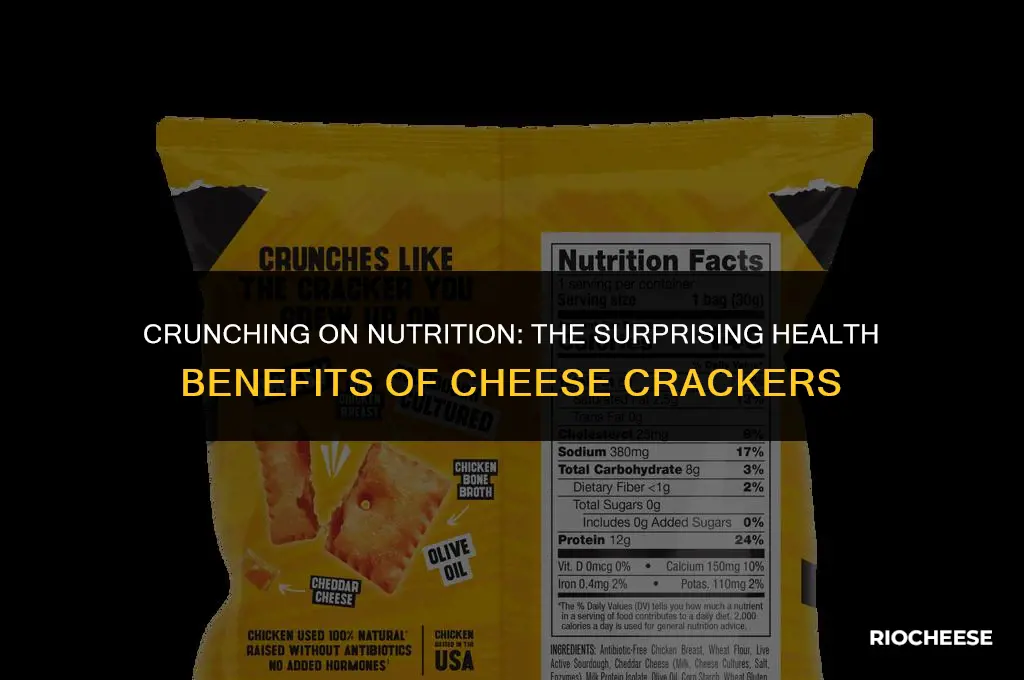
Cheese crackers, a popular snack choice, often raise questions about their nutritional value. While they can be a convenient and tasty option, it's important to consider their ingredients and nutritional content to determine if they fit into a healthy diet. Typically made with refined flour, cheese, and various seasonings, cheese crackers can be high in calories, sodium, and unhealthy fats. However, some varieties may offer more nutritional benefits, such as whole grain options or those made with real cheese and minimal additives. To make an informed decision about the healthiness of cheese crackers, it's essential to examine the specific product's nutritional information and consider its place within a balanced diet.
Explore related products


What You'll Learn
- Nutritional Content: Cheese crackers can be a good source of calcium and protein, but they may also be high in sodium and saturated fats
- Calorie Count: They are often calorie-dense, which can contribute to weight gain if consumed in excess
- Ingredient Quality: The healthiness depends on the quality of ingredients used, such as whole grain flour versus refined flour
- Additives and Preservatives: Some cheese crackers may contain artificial additives and preservatives that could have negative health effects
- Moderation in Diet: Enjoying cheese crackers in moderation as part of a balanced diet can make them a healthier snack option

Nutritional Content: Cheese crackers can be a good source of calcium and protein, but they may also be high in sodium and saturated fats
Cheese crackers, a popular snack choice, offer a convenient way to incorporate calcium and protein into one's diet. Calcium is essential for maintaining strong bones and teeth, while protein supports muscle growth and repair. However, it's crucial to consider the potential downsides of consuming cheese crackers regularly.
One significant concern is the high sodium content often found in cheese crackers. Excessive sodium intake can lead to hypertension, increasing the risk of heart disease and stroke. Additionally, cheese crackers may contain saturated fats, which, when consumed in large quantities, can contribute to elevated cholesterol levels and cardiovascular issues.
To make cheese crackers a healthier option, it's essential to practice moderation and choose varieties with lower sodium and saturated fat content. Opting for whole-grain cheese crackers can also increase the fiber intake, promoting better digestion and overall health. Furthermore, pairing cheese crackers with healthier toppings, such as fresh vegetables or hummus, can enhance their nutritional value and provide a more balanced snack.
In conclusion, while cheese crackers can be a good source of calcium and protein, their high sodium and saturated fat content necessitates mindful consumption. By making informed choices and incorporating healthier alternatives, one can enjoy cheese crackers as part of a balanced diet without compromising overall health.
Exploring the Nutritional Benefits of Muenster Cheese: A Healthy Choice?
You may want to see also
Explore related products


Calorie Count: They are often calorie-dense, which can contribute to weight gain if consumed in excess
Cheese crackers, while a popular snack, can be deceptively high in calories. A single serving of some cheese cracker brands can contain upwards of 150 calories, and it's easy to consume multiple servings in one sitting. This calorie density can contribute to weight gain if not managed properly. For example, if an individual consumes an extra 100 calories per day from cheese crackers, they could gain approximately 10 pounds over the course of a year.
One of the reasons cheese crackers are so calorie-dense is due to their high fat content. Many brands use hydrogenated oils, which are high in saturated fats, to extend shelf life and enhance flavor. These fats are not only calorie-dense but can also contribute to increased cholesterol levels and heart disease risk when consumed in excess. Additionally, cheese crackers often contain refined carbohydrates, which can cause blood sugar spikes and contribute to insulin resistance over time.
It's important to note that not all cheese crackers are created equal. Some brands offer healthier options, such as those made with whole grains, reduced fat content, or natural ingredients. However, even these healthier options should be consumed in moderation as part of a balanced diet. A good rule of thumb is to limit cheese cracker consumption to no more than one serving per day and to pair them with healthier snacks, such as fruits or vegetables, to help balance out the calorie intake.
In conclusion, while cheese crackers can be a tasty snack, their high calorie and fat content can contribute to weight gain and other health issues if consumed in excess. It's important to be mindful of portion sizes and to choose healthier options when possible. By doing so, individuals can enjoy cheese crackers as part of a balanced diet without compromising their health goals.
Nutritional Breakdown: Is Your Ham and Cheese Sandwich a Healthy Choice?
You may want to see also
Explore related products



Ingredient Quality: The healthiness depends on the quality of ingredients used, such as whole grain flour versus refined flour
The healthiness of cheese crackers largely hinges on the quality of ingredients used in their production. A critical factor to consider is the type of flour utilized—whole grain flour versus refined flour. Whole grain flour contains all parts of the grain, including the bran, germ, and endosperm, which are rich in fiber, vitamins, and minerals. In contrast, refined flour has been stripped of these nutritious components, leaving behind only the endosperm, which is lower in nutritional value.
When evaluating the healthiness of cheese crackers, it's essential to scrutinize the ingredient list for the type of flour used. Opting for crackers made with whole grain flour can provide more fiber and nutrients, contributing to a healthier snack option. Additionally, the quality of the cheese used can also impact the nutritional profile. Natural, minimally processed cheeses tend to be higher in protein and lower in additives compared to highly processed cheese products.
Another aspect to consider is the presence of additives and preservatives. High-quality cheese crackers should ideally contain minimal additives, focusing instead on natural ingredients. Preservatives like sodium nitrate and artificial flavors can detract from the overall healthiness of the snack. By choosing crackers with fewer additives, consumers can reduce their intake of potentially harmful substances.
In summary, the healthiness of cheese crackers is closely tied to the quality of their ingredients. Whole grain flour, natural cheese, and minimal additives are key factors in determining a healthier snack option. By being mindful of these ingredients, consumers can make more informed choices about the cheese crackers they consume.
Exploring the Nutritional Benefits of Head Cheese: A Healthy Choice?
You may want to see also
Explore related products




Additives and Preservatives: Some cheese crackers may contain artificial additives and preservatives that could have negative health effects
Artificial additives and preservatives are often used in the production of cheese crackers to enhance flavor, texture, and shelf life. However, some of these substances have been linked to potential health risks. For instance, artificial colors and flavors can contain chemicals that may cause allergic reactions or hyperactivity in some individuals. Preservatives like sodium nitrite and sodium benzoate have been associated with increased risk of cancer and other health issues when consumed in large quantities over time.
One of the most common artificial additives found in cheese crackers is monosodium glutamate (MSG). MSG is a flavor enhancer that can amplify the savory taste of foods. While it is generally recognized as safe by the FDA, some people may experience adverse reactions such as headaches, nausea, and chest pain when consuming high amounts of MSG. Additionally, MSG can be hidden in other ingredients like "natural flavors" or "yeast extract," making it difficult for consumers to identify and avoid.
Another concern is the use of trans fats in cheese crackers. Trans fats are created during the hydrogenation process, which is used to solidify vegetable oils and extend the shelf life of processed foods. Consuming trans fats has been linked to an increased risk of heart disease, stroke, and type 2 diabetes. Although many food manufacturers have started to phase out trans fats in response to health concerns, some cheese crackers may still contain these harmful fats.
To minimize the potential health risks associated with artificial additives and preservatives in cheese crackers, it is important for consumers to read food labels carefully and choose products that contain natural ingredients whenever possible. Opting for whole grain crackers with minimal processing can also help reduce exposure to these potentially harmful substances. Additionally, moderating consumption of cheese crackers and incorporating a variety of whole foods into one's diet can help balance out any negative effects of occasional indulgence in processed snacks.
Exploring the Nutritional Benefits of Manchego Cheese
You may want to see also
Explore related products


Moderation in Diet: Enjoying cheese crackers in moderation as part of a balanced diet can make them a healthier snack option
Cheese crackers can be a tempting snack, but their health benefits are often overshadowed by concerns about high calorie, fat, and sodium content. However, by practicing moderation and incorporating them into a balanced diet, cheese crackers can become a healthier snack option. The key is to be mindful of portion sizes and to pair them with nutrient-dense foods that can help offset any potential negative effects.
For instance, instead of mindlessly munching on cheese crackers, try pairing them with fresh fruits or vegetables. This not only adds fiber and essential vitamins to your snack but also helps to slow down your eating pace, making you more aware of your hunger and fullness cues. Additionally, consider choosing whole-grain cheese crackers, which offer more fiber and nutrients compared to their refined counterparts.
Another strategy is to use cheese crackers as a vehicle for healthier toppings. For example, you can spread hummus, avocado, or nut butter on your cheese crackers for a boost of healthy fats and protein. This not only enhances the nutritional value of your snack but also adds variety and flavor, making it more satisfying and enjoyable.
It's also important to be aware of the sodium content in cheese crackers, as excessive sodium intake can lead to high blood pressure and other health issues. Look for low-sodium options or try making your own cheese crackers at home using healthier ingredients and less salt. By taking control of the ingredients and portion sizes, you can enjoy cheese crackers as a guilt-free snack that complements your overall healthy eating habits.
In conclusion, moderation is key when it comes to enjoying cheese crackers as part of a healthy diet. By being mindful of portion sizes, pairing them with nutrient-dense foods, choosing healthier options, and using them as a base for nutritious toppings, cheese crackers can become a satisfying and balanced snack choice. Remember, it's all about finding the right balance and making informed decisions that support your overall health and well-being.
Exploring Pimento Cheese: A Tasty Aid in Your Weight Loss Journey?
You may want to see also
Frequently asked questions
Cheese crackers can be a part of a balanced diet when consumed in moderation. They often contain whole grains and calcium from cheese, but it's important to check the nutritional label for sodium and fat content.
Healthier alternatives to cheese crackers include whole grain crackers with low-fat cheese, vegetable sticks with hummus, or a handful of nuts. These options provide more nutrients and fiber while being lower in sodium and unhealthy fats.
Yes, cheese crackers can be included in a weight loss diet if consumed in moderation and as part of an overall calorie-controlled meal plan. Opt for low-fat, whole grain varieties and pair them with healthy toppings like fresh vegetables.
To make healthier cheese crackers at home, use whole wheat flour, low-fat cheese, and minimal amounts of healthy oils like olive oil. You can also add in some herbs and spices for extra flavor without adding extra calories or sodium. Bake them in the oven until crisp and enjoy!