Randy Chandler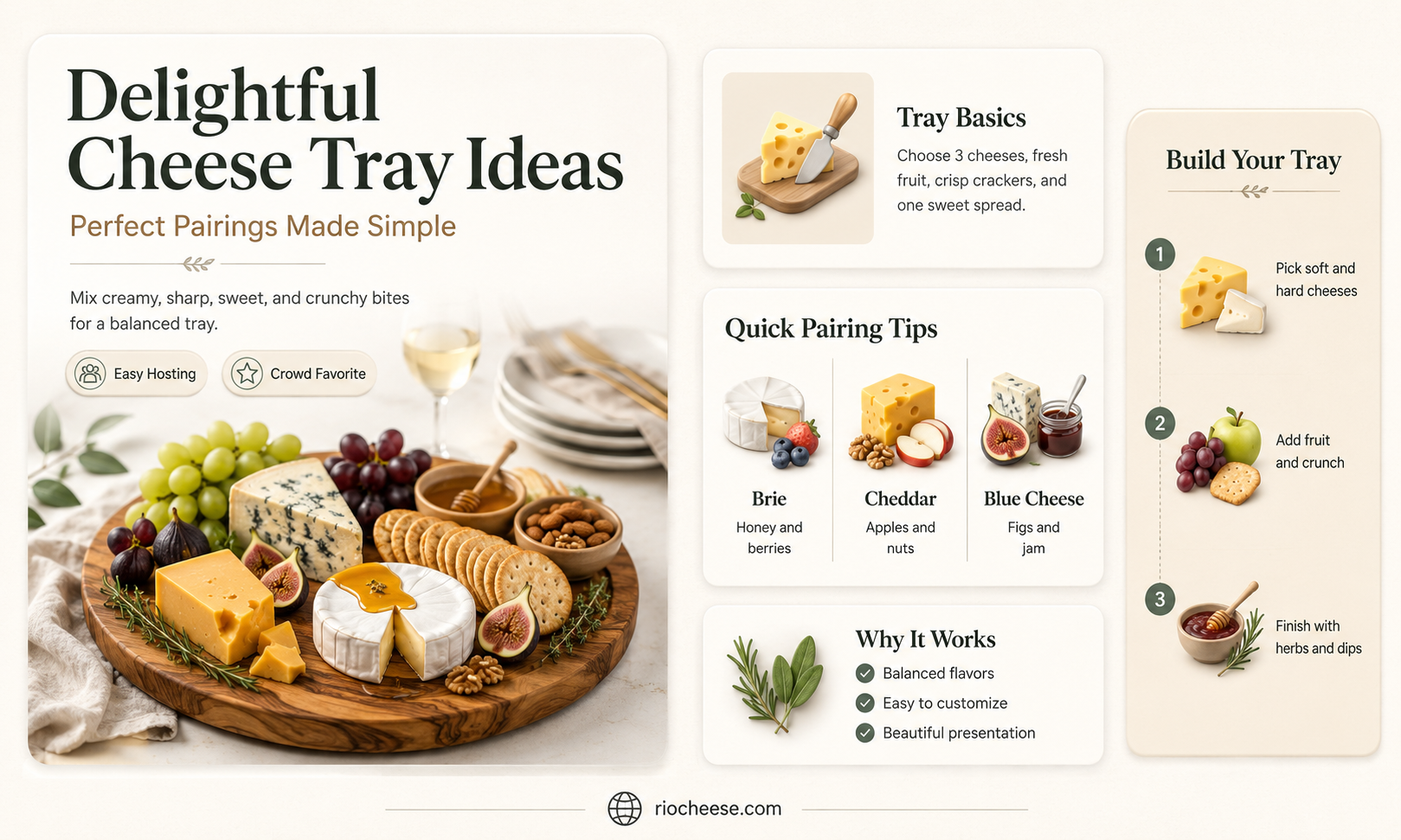
A cheese tray is a delightful and versatile appetizer that can be tailored to suit any occasion, from casual gatherings to elegant soirées. When assembling a cheese tray, it's essential to consider a variety of textures, flavors, and colors to create a visually appealing and palate-pleasing arrangement. Start by selecting a diverse assortment of cheeses, including soft, creamy options like brie or camembert, sharp and tangy varieties such as cheddar or gouda, and perhaps a bold, blue cheese for added depth. Complement the cheeses with an array of crackers, from classic water crackers to more rustic, artisanal options. Fresh fruits, like grapes, apples, and figs, add a touch of sweetness and acidity, while nuts, such as almonds, walnuts, or pecans, provide a satisfying crunch. Don't forget to include a selection of cured meats, like prosciutto or salami, for added protein and flavor. Finally, consider adding a few garnishes, such as fresh herbs, edible flowers, or a drizzle of honey or balsamic glaze, to elevate the presentation and taste of your cheese tray.
Explore related products


What You'll Learn
- Variety of Cheeses: Include a mix of soft, hard, and semi-hard cheeses for diverse textures and flavors
- Accompaniments: Add crackers, bread, and fruit to complement the cheese and provide different textures
- Garnishes: Use fresh herbs, nuts, and olives to enhance the visual appeal and add flavor
- Dips and Spreads: Offer cheese-based dips or honey for additional taste and dipping options
- Presentation: Arrange the tray aesthetically, using different heights and sections for an inviting display

Variety of Cheeses: Include a mix of soft, hard, and semi-hard cheeses for diverse textures and flavors
When assembling a cheese tray, the key to delighting your guests lies in the variety. A well-curated selection of cheeses should include a mix of soft, hard, and semi-hard varieties to cater to diverse palates and provide a range of textures and flavors. Start with a soft cheese like Brie or Camembert, which offers a creamy, buttery taste that pairs well with crackers or fruit. Next, consider a semi-hard cheese such as Cheddar or Gouda, which provides a firmer texture and a sharper, more pronounced flavor. Finally, include a hard cheese like Parmesan or Pecorino Romano, which adds a salty, nutty element to the tray.
To elevate your cheese tray, think beyond the basics and incorporate some unique options. For example, a blue cheese like Roquefort or Gorgonzola can add a bold, pungent flavor that contrasts nicely with the milder cheeses. Alternatively, a smoked cheese like Gouda or Edam can introduce a rich, smoky note that complements meats and crackers. When selecting your cheeses, also consider the visual appeal of the tray. Choose cheeses with different shapes, sizes, and colors to create an attractive and inviting display.
In addition to the cheeses themselves, don't forget to provide a variety of accompaniments. Fresh fruits like grapes, apples, and figs pair beautifully with cheese, as do nuts like almonds, walnuts, and pecans. For a more savory option, consider adding cured meats like prosciutto, salami, or ham. Finally, include a selection of crackers or bread to provide a base for your guests to build their perfect cheese bite.
When it comes to serving, arrange your cheese tray in a way that encourages guests to explore and experiment. Place the cheeses in separate sections, and label each one with its name and a brief description of its flavor profile. This will help your guests navigate the tray and make informed choices. Additionally, consider providing small plates or napkins for guests to use when sampling the cheeses, and have a knife or cheese cutter on hand for easy serving.
By following these guidelines, you can create a cheese tray that offers a delightful variety of flavors and textures, sure to impress even the most discerning palate. Remember, the key is to balance the different types of cheeses and accompaniments, providing a range of options that cater to different tastes and preferences. With a little creativity and attention to detail, you can assemble a cheese tray that is both visually appealing and deliciously satisfying.
The Great Debate: Cheese's Place in Chicken Salad Sandwiches
You may want to see also
Explore related products


Accompaniments: Add crackers, bread, and fruit to complement the cheese and provide different textures
When assembling a cheese tray, the accompaniments you choose can elevate the entire experience. Crackers, bread, and fruit are classic pairings that not only complement the flavors of the cheese but also provide a delightful contrast in textures. The crispness of crackers and the chewiness of bread offer a satisfying counterpoint to the creaminess of soft cheeses, while the juicy sweetness of fruit can cut through the richness of aged varieties.
For crackers, consider a variety of shapes and sizes to accommodate different cheese types. Round, buttery crackers are perfect for scooping up soft cheeses like brie or camembert, while square, crisp crackers can hold their own against firmer cheeses like cheddar or gouda. You might also include some specialty crackers with unique flavors, such as herb-infused or smoked varieties, to add an extra layer of complexity to your cheese tray.
Bread is another versatile accompaniment that can be tailored to suit the cheeses you're serving. A crusty baguette, sliced into rounds, is a classic choice that pairs well with a wide range of cheeses. For something different, try including a loaf of whole grain bread or a sweet, fruit-studded bread like banana or pumpkin. These options can provide a more substantial base for your cheese, allowing you to create mini sandwiches or open-faced melts.
Fruit is a refreshing addition to any cheese tray, offering a burst of flavor and a change of pace from the savory elements. Grapes, both red and green, are a traditional choice that pairs beautifully with a variety of cheeses. For a more exotic touch, consider adding sliced figs, juicy peaches, or tangy citrus segments. These fruits can be arranged around the cheese or even placed on top for a visually appealing presentation.
When arranging your cheese tray, remember to consider the balance of flavors and textures. Place the crackers and bread within easy reach of the cheeses they're meant to accompany, and scatter the fruit throughout the tray to provide pops of color and sweetness. By thoughtfully selecting and arranging your accompaniments, you can create a cheese tray that's not only delicious but also visually stunning and texturally diverse.
Egg-cellent Addition: Elevating Baked Mac and Cheese with Eggs
You may want to see also
Explore related products




Garnishes: Use fresh herbs, nuts, and olives to enhance the visual appeal and add flavor
Fresh herbs, nuts, and olives are not just garnishes; they are the unsung heroes of a cheese tray, capable of transforming a simple assortment into a visually stunning and flavor-packed experience. When selecting herbs, opt for those that complement the cheeses you've chosen. For instance, a sprinkle of fresh thyme or rosemary pairs beautifully with aged cheddar, while delicate herbs like dill or chives enhance the mild flavors of brie or camembert.
Nuts add a delightful crunch and a wealth of flavors that can range from earthy to sweet. Consider the rich, buttery taste of walnuts, which go exceptionally well with blue cheeses, or the subtle sweetness of almonds that can balance the sharpness of a parmesan. When it comes to olives, their briny, savory notes can cut through the richness of creamy cheeses, providing a refreshing contrast. Kalamata olives, with their deep, fruity flavor, are a classic choice, but don't be afraid to experiment with other varieties like green olives or even stuffed olives for an extra burst of flavor.
To maximize the visual appeal, arrange your garnishes thoughtfully. Create small clusters of herbs and nuts around the cheeses, or use them to fill in gaps and add color to the tray. Olives can be scattered throughout or placed in a small bowl for dipping. Remember, the key is to strike a balance between aesthetics and taste, ensuring that each garnish enhances the overall experience without overpowering the star of the show – the cheese.
When preparing your cheese tray, consider the occasion and the preferences of your guests. For a more sophisticated gathering, you might want to focus on a few high-quality, artisanal cheeses paired with carefully selected garnishes. For a casual get-together, a more eclectic mix of cheeses and garnishes can create a fun and inviting atmosphere. Regardless of the occasion, the thoughtful use of fresh herbs, nuts, and olives can elevate your cheese tray from ordinary to extraordinary.
The Surprising Harmony: Why Cheese and Apple Pie Just Click
You may want to see also
Explore related products


Dips and Spreads: Offer cheese-based dips or honey for additional taste and dipping options
Cheese trays are a classic appetizer choice, but to elevate the experience, consider adding a variety of dips and spreads. One popular option is a cheese-based dip, which can be made by blending cream cheese with herbs and spices. For a savory twist, try adding garlic and chives, or for a more adventurous flavor, incorporate sun-dried tomatoes and basil. These dips not only add an extra layer of flavor but also provide a creamy texture that complements the firmness of the cheese.
Another option to consider is honey, which may seem unconventional but pairs surprisingly well with cheese. The sweetness of the honey balances the saltiness of the cheese, creating a harmonious flavor combination. When selecting honey for a cheese tray, opt for a mild variety like clover or wildflower to avoid overpowering the delicate flavors of the cheese.
In addition to cheese-based dips and honey, there are a plethora of other spread options to explore. Fruit preserves, such as fig jam or apricot preserves, offer a sweet and tangy contrast to the richness of the cheese. For a more savory option, consider adding a tapenade made from olives, capers, and anchovies. This Mediterranean-inspired spread adds a burst of umami flavor that pairs well with a variety of cheeses.
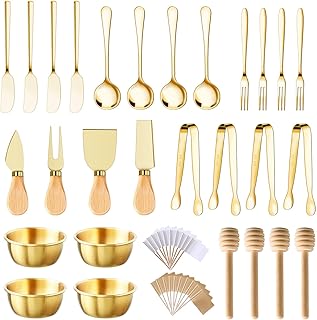
When arranging the dips and spreads on the cheese tray, be mindful of the presentation. Place the dips in small bowls or ramekins, and use a spoon or spreader to apply them to the cheese. For honey, consider drizzling it over the cheese or providing a small dish for dipping. By offering a selection of dips and spreads, you can create a more dynamic and engaging cheese tray experience that will delight your guests.
The Great Debate: Cheese on Pulled Pork Sandwiches - Yes or No?
You may want to see also
Explore related products


Presentation: Arrange the tray aesthetically, using different heights and sections for an inviting display
To create an aesthetically pleasing cheese tray, consider the visual impact of varying heights and sections. This can be achieved by using tiered serving platters or by strategically placing items of different sizes and shapes across the tray. For example, a small wheel of brie can be positioned next to a taller stack of crackers, while a bunch of grapes can add a pop of color and texture.
When arranging the tray, think about balance and symmetry. You want to create a display that is visually appealing from all angles. One way to do this is to place the largest or most eye-catching items, such as a wedge of blue cheese or a cluster of cured meats, in the center of the tray. Then, arrange smaller items around them in a way that creates a sense of harmony and proportion.
Another important aspect of presentation is the use of garnishes. Fresh herbs, such as rosemary or thyme, can add a touch of elegance and fragrance to the tray. Edible flowers, like nasturtiums or pansies, can also be used to create a visually stunning display. Just be sure to choose garnishes that complement the flavors of the cheeses and other items on the tray.
In terms of practical tips, consider using parchment paper or a decorative cloth to line the tray. This not only adds an extra layer of visual interest but also makes cleanup easier. Additionally, be mindful of the temperature of the cheeses and other items. You want to serve them at their optimal temperature to ensure the best flavor and texture.
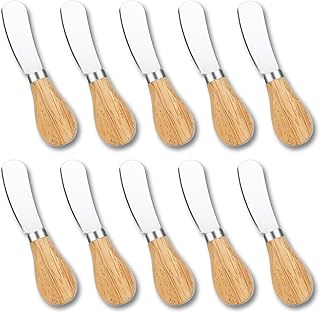
Finally, don't forget about the serving utensils. Choose knives and spreaders that are both functional and attractive. You may also want to include small bowls or ramekins for dips and spreads. By paying attention to these details, you can create a cheese tray that is not only delicious but also visually stunning.
Elevate Your Charcuterie: A Guide to Perfect Cheese Pairings
You may want to see also
Frequently asked questions
A good cheese tray should have a variety of cheeses with different textures and flavors. Consider including a mix of soft cheeses like brie or camembert, semi-hard cheeses like cheddar or gouda, and hard cheeses like parmesan or pecorino.
Accompaniments for a cheese tray can include crackers, bread, nuts, fruits (both fresh and dried), olives, pickles, and cured meats like prosciutto or salami. Honey and fruit preserves are also popular additions.
Arrange the cheeses in an aesthetically pleasing manner, grouping similar types together. Place the accompaniments around the cheeses, making sure each item is easily accessible. You can use small bowls or dishes for items like olives or honey.
Wine is a classic pairing for cheese trays. Red wines like cabernet sauvignon or merlot pair well with hard cheeses, while white wines like chardonnay or sauvignon blanc complement softer cheeses. Beer and cocktails can also be good pairings, depending on the types of cheese and personal preference.
A general rule of thumb is to provide about 1-1.5 ounces of cheese per person for a small gathering, and up to 2-3 ounces per person for larger events. This allows guests to sample a variety of cheeses without feeling overwhelmed.