Andy Montoya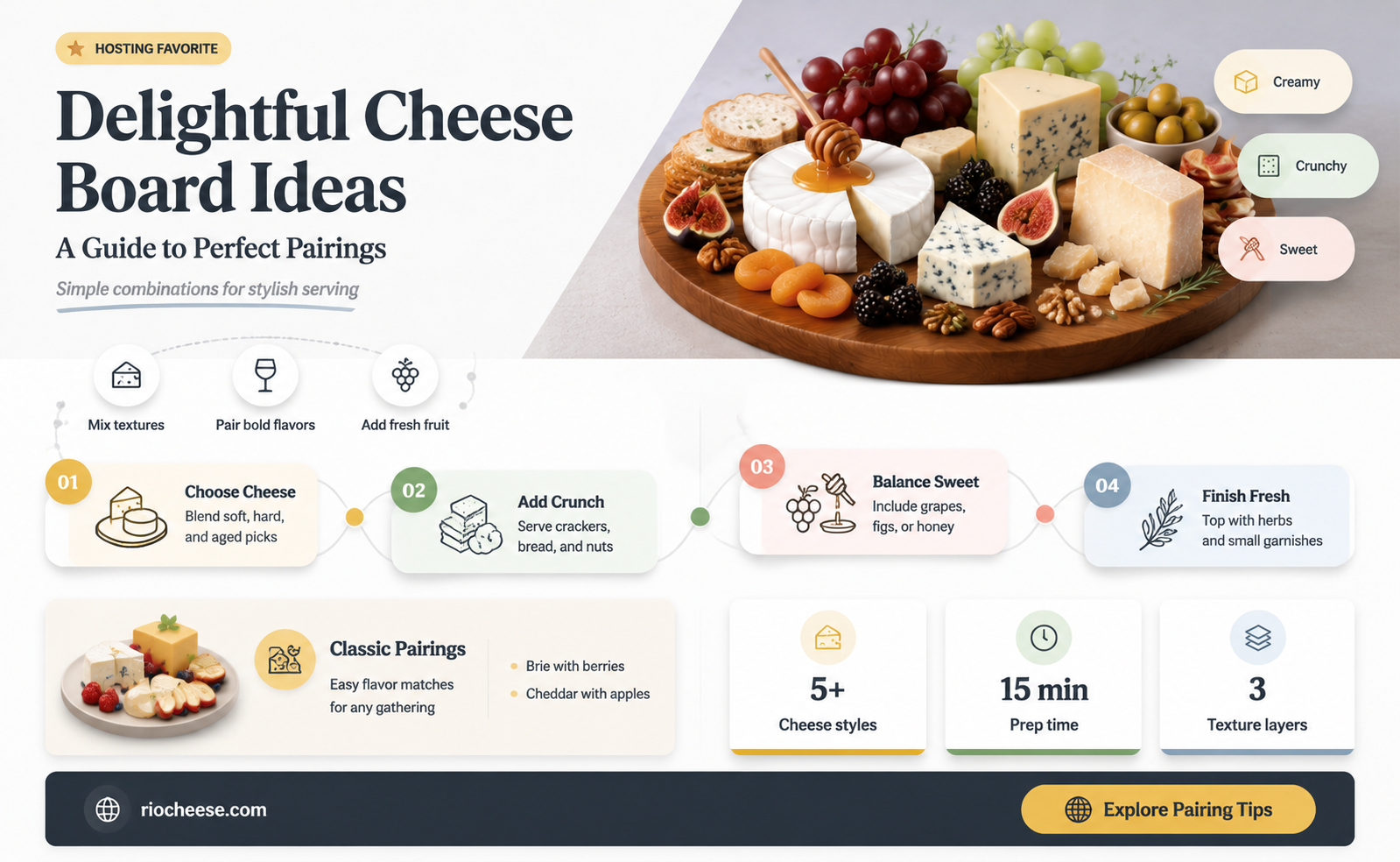
A cheese board is a delightful and versatile appetizer that can be tailored to suit any occasion or palate. When assembling a cheese board, it's essential to consider a variety of textures, flavors, and colors to create a visually appealing and delicious spread. Start by selecting a few different types of cheese, such as a creamy brie, a sharp cheddar, and a tangy goat cheese. Then, add some accompaniments like crackers, bread, or fruit to complement the cheeses. Nuts, olives, and cured meats can also be included to add depth and variety to the board. Finally, consider adding some sweet elements like honey or jam to balance out the savory flavors. With these tips in mind, you'll be well on your way to creating a cheese board that's sure to impress your guests.
Explore related products



What You'll Learn
- Variety of Cheeses: Include a mix of soft, hard, and semi-hard cheeses for different textures and flavors
- Accompaniments: Add crackers, bread, or nuts to complement the cheese and provide a crunchy contrast
- Fruits and Vegetables: Incorporate fresh or dried fruits like grapes, apples, and apricots, as well as veggies like carrots and celery
- Meats and Charcuterie: Offer a selection of cured meats such as prosciutto, salami, and ham for a savory touch
- Dips and Spreads: Include honey, jam, or mustard to add sweetness or tanginess and enhance the overall taste experience

Variety of Cheeses: Include a mix of soft, hard, and semi-hard cheeses for different textures and flavors
When assembling a cheese board, the variety of cheeses you select is crucial for providing a diverse range of textures and flavors. A well-curated mix of soft, hard, and semi-hard cheeses ensures that guests can enjoy a spectrum of taste experiences, from creamy and mild to sharp and crumbly.
Soft cheeses, such as Brie or Camembert, offer a rich, buttery flavor and a smooth, spreadable texture. These cheeses are often the centerpiece of a cheese board, as they can be easily paired with a variety of accompaniments like crackers, fruits, or nuts. For a more adventurous option, consider including a soft, blue cheese like Gorgonzola, which adds a pungent, tangy element to the board.
Hard cheeses, like Cheddar or Parmesan, provide a contrasting texture with their firm, crumbly consistency. These cheeses are typically aged longer, resulting in a more intense, savory flavor profile. Hard cheeses can be grated over salads or pasta dishes, or simply enjoyed on their own. For a unique twist, try incorporating a hard, smoked cheese like Gouda, which offers a rich, smoky taste that pairs well with charcuterie.
Semi-hard cheeses, such as Gruyère or Jarlsberg, strike a balance between the creaminess of soft cheeses and the firmness of hard cheeses. These cheeses often have a mild, nutty flavor and a slightly elastic texture, making them versatile for both snacking and cooking. Semi-hard cheeses can be melted for fondue or grilled sandwiches, or served at room temperature for a satisfying bite.
When selecting cheeses for your board, consider the flavor profiles and textures of each variety to create a harmonious and exciting assortment. Aim for a mix of mild and bold flavors, as well as a range of textures from creamy to crumbly. By including a diverse selection of soft, hard, and semi-hard cheeses, you can create a cheese board that caters to a variety of palates and preferences.
Elevate Your Charcuterie: A Guide to Perfect Cheese Pairings
You may want to see also
Explore related products


Accompaniments: Add crackers, bread, or nuts to complement the cheese and provide a crunchy contrast
When assembling a cheese board, the choice of accompaniments can elevate the entire experience. Crackers, bread, and nuts are classic pairings that offer a satisfying crunch, balancing the creamy textures of the cheese. For a sophisticated touch, consider artisanal crackers with unique flavors like truffle or rosemary, which can complement specific cheese varieties. Sliced baguette or rustic bread provides a heartier option, ideal for scooping up soft cheeses or creating mini sandwiches with hard cheeses. Nuts, such as almonds, walnuts, or pecans, add a rich, earthy flavor and a delightful textural contrast. Experiment with different combinations to find the perfect harmony of flavors and textures for your cheese board.
To take your cheese board to the next level, consider the art of pairing. Match the intensity of the cheese with that of the accompaniment. For example, a bold, aged cheddar pairs well with a robust, whole-grain cracker, while a delicate, soft brie is better suited to a light, buttery cracker. When it comes to bread, a crusty sourdough can stand up to a pungent blue cheese, whereas a soft, fresh baguette is perfect for a mild, creamy cheese. Nuts can also be paired strategically; for instance, the slight bitterness of walnuts complements the sharpness of a parmesan, while the sweetness of pecans enhances the richness of a gouda. By thoughtfully combining cheeses with their ideal accompaniments, you can create a symphony of flavors and textures that will impress your guests.
Don't be afraid to get creative with your cheese board accompaniments. Consider adding unexpected elements like dried fruits, such as apricots or figs, which can provide a sweet counterpoint to the savory cheese. Honey or fruit preserves can also add a touch of sweetness and are particularly delightful when paired with soft, creamy cheeses. For a more savory twist, try adding cured meats like prosciutto or salami, which can be wrapped around crackers or bread for a delicious bite. Olives, pickles, or artichoke hearts can provide a tangy, briny contrast to the richness of the cheese. The key is to balance flavors and textures, ensuring that each element complements the others without overpowering them.
When it comes to presentation, the arrangement of your cheese board accompaniments is just as important as their selection. Create visual interest by varying the shapes, sizes, and colors of your crackers, bread, and nuts. Consider using small bowls or dishes to separate different accompaniments, making it easy for guests to choose their preferred pairings. You can also use garnishes like fresh herbs or edible flowers to add a pop of color and a touch of elegance to your cheese board. Remember, the goal is to create an inviting and appetizing display that encourages guests to explore and enjoy the different combinations of flavors and textures you've carefully curated.
Egg-cellent Addition: Elevating Baked Mac and Cheese with Eggs
You may want to see also
Explore related products


Fruits and Vegetables: Incorporate fresh or dried fruits like grapes, apples, and apricots, as well as veggies like carrots and celery
Fresh and dried fruits, along with vegetables, are essential components of a well-rounded cheese board. They provide a refreshing contrast to the rich, savory flavors of the cheese and can help cleanse the palate between tastings. When selecting fruits and vegetables for your cheese board, consider a mix of textures and flavors to complement the variety of cheeses you're serving.
For fresh fruits, grapes are a classic choice due to their juicy sweetness and ability to pair well with both soft and hard cheeses. Apples offer a crisp texture and a balance of sweetness and acidity that can enhance the flavors of many cheeses. Apricots, with their soft flesh and sweet-tart flavor, are particularly well-suited to pairing with creamy cheeses like Brie or Camembert.
Dried fruits can also be a delightful addition to a cheese board. They offer a concentrated sweetness and chewy texture that can provide a pleasant contrast to the smoothness of the cheese. Dried apricots, cranberries, and cherries are all excellent options that can add depth and complexity to your cheese board.
Vegetables like carrots and celery are not only healthy additions but also provide a satisfying crunch that can help balance the creaminess of the cheese. Carrots have a natural sweetness that pairs well with many cheeses, while celery offers a refreshing, slightly bitter flavor that can help cut through the richness of the cheese.
When arranging your cheese board, consider placing the fruits and vegetables in small bowls or clusters around the cheeses. This will not only make the board visually appealing but also make it easy for guests to find and enjoy the perfect pairing with their cheese selection.
The Great Cheese Debate: Elevating Your Fish Tacos to Perfection
You may want to see also
Explore related products



Meats and Charcuterie: Offer a selection of cured meats such as prosciutto, salami, and ham for a savory touch
When assembling a cheese board, the inclusion of meats and charcuterie can elevate the experience from merely delightful to truly gourmet. Cured meats such as prosciutto, salami, and ham offer a savory touch that complements the rich and varied flavors of the cheeses. Prosciutto, with its delicate texture and slightly sweet taste, pairs beautifully with milder cheeses like Brie or Camembert. Salami, on the other hand, provides a spicier kick that can balance the creaminess of cheeses such as Gorgonzola or Roquefort. Ham, with its robust flavor, is an excellent match for aged cheeses like Cheddar or Gouda.
To create a visually appealing and well-balanced cheese board, consider arranging the meats in a way that showcases their different textures and colors. For example, you could roll slices of prosciutto into small rosettes, stack salami slices in a neat pile, and fold ham slices into elegant triangles. This not only adds visual interest but also makes it easier for guests to pick and choose their preferred meats.
When selecting meats for your cheese board, it's important to consider the quality and origin of the products. Opt for high-quality, artisanal meats that are free from preservatives and artificial additives. If possible, choose meats that come from local producers or specialty shops, as these are often fresher and more flavorful than mass-produced options. Additionally, be mindful of any dietary restrictions or preferences among your guests, and consider offering a variety of meat options to cater to different tastes.
In terms of portion sizes, a good rule of thumb is to provide about 2-3 ounces of meat per person. This allows guests to sample a variety of meats without feeling overwhelmed. When serving, make sure to provide small plates or napkins for guests to use, as well as utensils for cutting and serving the meats.
Finally, don't forget to consider the accompaniments that will enhance the flavors of both the meats and cheeses. Fresh fruits, nuts, olives, and crackers are all excellent choices that can add texture, color, and flavor to your cheese board. By thoughtfully selecting and arranging these elements, you can create a truly memorable and delicious cheese board experience for your guests.
Fajita Fusion: The Great Cheese Debate Uncovered
You may want to see also
Explore related products


Dips and Spreads: Include honey, jam, or mustard to add sweetness or tanginess and enhance the overall taste experience
To elevate your cheese board, consider the art of pairing dips and spreads with your favorite cheeses. Honey, jam, and mustard are versatile accompaniments that can add a delightful twist to the flavor profile. For instance, a drizzle of honey over a tangy blue cheese can create a harmonious balance of sweet and savory notes. When selecting a jam, opt for one with a slightly tart flavor, like fig or apricot, to complement the richness of a creamy brie or camembert. Mustard, on the other hand, offers a spicy kick that pairs well with milder cheeses such as gouda or cheddar. Experiment with different combinations to discover unique taste experiences that will impress your guests.
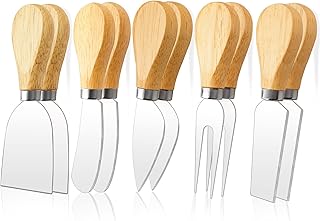
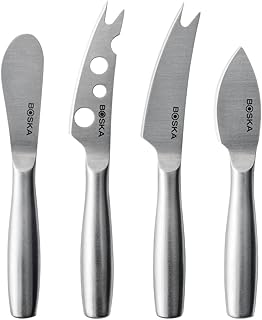
When it comes to presentation, consider using small, decorative bowls or ramekins to serve your dips and spreads. This not only adds a touch of elegance to your cheese board but also makes it easier for guests to sample different pairings. Be mindful of the quantity – a little goes a long way with these flavorful additions. Start with a small amount and allow guests to add more according to their preference. Additionally, provide small spoons or spreaders for each dip to prevent cross-contamination and maintain the integrity of each flavor.
For a more interactive experience, create a DIY dip station where guests can mix and match their favorite spreads. Offer a variety of options, including different types of honey, fruit preserves, and mustards, along with an assortment of cheeses. This allows guests to customize their cheese board experience and encourages conversation about flavor preferences. To take it a step further, consider providing recipe cards or tasting notes for each dip and spread, giving guests the opportunity to recreate their favorite pairings at home.
In terms of timing, aim to serve your dips and spreads at room temperature to ensure optimal flavor. If you're preparing your cheese board in advance, store the dips in airtight containers in the refrigerator and bring them to room temperature about 30 minutes before serving. This will allow the flavors to fully develop and provide the best tasting experience for your guests. Remember, the key to a successful cheese board is balance – balance in flavors, textures, and presentation. By thoughtfully incorporating dips and spreads, you can create a memorable and delicious experience that will leave your guests wanting more.
Cheesy Toppings: The Great Shepherd's Pie Debate
You may want to see also
Frequently asked questions
A good cheese board should have a variety of cheeses with different textures and flavors. Consider including a mix of soft cheeses like brie or camembert, hard cheeses like cheddar or gouda, and a blue cheese like stilton or gorgonzola.
Accompaniments for a cheese board can include crackers, bread, nuts, fruits (both fresh and dried), olives, pickles, and cured meats like prosciutto or salami. Honey and fruit preserves are also popular additions.
Arrange the cheeses in the center of the board, with the accompaniments placed around them. Group similar items together, such as all the crackers on one side and the fruits on another. Make sure there's enough space between items so that guests can easily pick up what they want without crowding the board.