Kamil Perry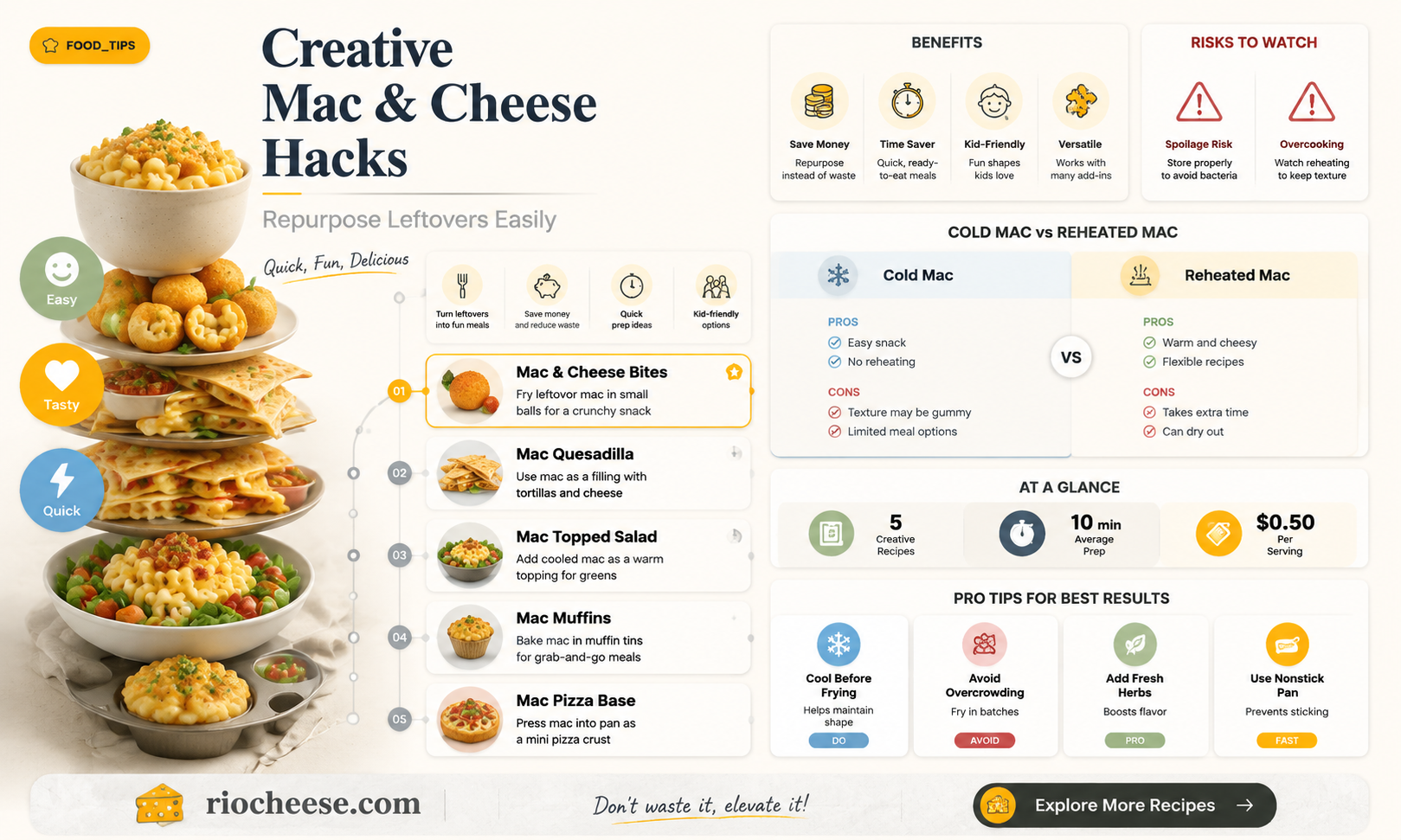
Leftover macaroni and cheese can be a delightful culinary conundrum. While it's tempting to simply reheat and serve, there are numerous creative ways to repurpose this comforting classic. From incorporating it into a crispy casserole topping to using it as a filling for savory waffles, the possibilities are endless. In this guide, we'll explore a variety of innovative recipes that will not only reduce food waste but also elevate your leftover mac and cheese to new heights of deliciousness.
| Characteristics | Values |
|---|---|
| Dish Type | Side dish or main course |
| Main Ingredient | Macaroni pasta |
| Cheese Type | Typically cheddar, but can include other varieties like mozzarella, Gruyère, or American cheese |
| Preparation Method | Boiling pasta, making cheese sauce, combining, and baking |
| Texture | Creamy and soft with a slight crust on top when baked |
| Flavor Profile | Rich, cheesy, and savory with a hint of saltiness |
| Serving Suggestions | As a side to grilled meats, chicken, or fish; topped with breadcrumbs or crushed crackers for added crunch |
| Leftover Storage | Refrigerate in an airtight container for up to 3-4 days |
| Reheating Methods | Microwave, oven, or stovetop with a splash of milk or cream to restore creaminess |
| Freezing Instructions | Cool completely, transfer to a freezer-safe container, and freeze for up to 2 months |
| Thawing and Reheating | Thaw overnight in the refrigerator, then reheat as desired |
| Nutritional Content | High in carbohydrates and fat, moderate protein, and various vitamins and minerals depending on the cheese and pasta used |
| Dietary Restrictions | Not suitable for lactose intolerant individuals or those with gluten sensitivity unless using gluten-free pasta |
| Variations | Can be made with different pasta shapes, cheese combinations, or added ingredients like bacon, jalapeños, or tomatoes |
| Popular Additions | Breadcrumbs, crushed crackers, chopped herbs, or a dollop of sour cream |
| Cultural Significance | A staple comfort food in American cuisine, often served at family gatherings and potlucks |
| Best Practices | Use high-quality cheese for better flavor, don't overcook the pasta, and add a touch of milk or cream when reheating leftovers to maintain creaminess |
Explore related products


What You'll Learn
- Reheating Methods: Discover the best ways to reheat mac and cheese without drying it out
- Creative Remixes: Transform leftover mac and cheese into a new dish, like a casserole or pizza topping
- Add-Ins and Toppings: Enhance your leftover mac and cheese with new ingredients, such as bacon, breadcrumbs, or herbs
- Storage and Shelf Life: Learn how to properly store leftover mac and cheese to maintain its freshness
- Freezing for Later: Find out how to freeze mac and cheese for future meals, including thawing and reheating tips

Reheating Methods: Discover the best ways to reheat mac and cheese without drying it out
To reheat mac and cheese without drying it out, start by transferring the leftovers to an oven-safe dish. Add a splash of milk or cream to the macaroni and cheese, which will help to reintroduce moisture and richness. Cover the dish with aluminum foil, ensuring it's tightly sealed to trap steam inside. Place the dish in a preheated oven at 350°F (175°C) and bake for 20-25 minutes, or until the mac and cheese is heated through and the cheese is melted and bubbly.
Alternatively, you can reheat mac and cheese on the stovetop. Place the leftovers in a saucepan over low heat, adding a small amount of milk or cream to prevent sticking and drying. Stir frequently to ensure even heating and to prevent the bottom from burning. You can also add a bit of butter to enhance the flavor and texture.
For a quicker method, use a microwave-safe dish and add a splash of milk or cream to the macaroni and cheese. Cover the dish with a microwave-safe lid or plastic wrap, leaving a small vent for steam to escape. Microwave on high for 1-2 minutes, or until heated through, stirring halfway through to ensure even heating.
To prevent drying out, avoid overcooking the mac and cheese when reheating. Keep an eye on the dish and remove it from the heat source as soon as it's heated through and the cheese is melted. If the mac and cheese still appears dry, you can add a bit more milk or cream and gently stir it in.
Remember, the key to reheating mac and cheese without drying it out is to use low heat and to add moisture. By following these methods, you can enjoy your leftover macaroni and cheese without compromising on taste or texture.
The Great Carb Debate: Is Macaroni and Cheese a Starch?
You may want to see also
Explore related products


Creative Remixes: Transform leftover mac and cheese into a new dish, like a casserole or pizza topping
Don't let leftover mac and cheese go to waste – transform it into a delicious new dish with these creative remixes. One option is to turn it into a mouthwatering casserole. Simply mix your leftover mac and cheese with some diced vegetables, such as bell peppers and onions, and a protein of your choice, like cooked chicken or ground beef. Add a layer of breadcrumbs on top for a crispy finish, and bake in the oven until golden brown.
Another innovative way to repurpose your mac and cheese is to use it as a pizza topping. Spread a layer of the creamy pasta over a pre-baked pizza crust, then add your favorite toppings, such as pepperoni, mushrooms, or olives. Finish with a sprinkle of mozzarella cheese and bake until the cheese is melted and bubbly. You can also experiment with different types of crusts, like whole wheat or gluten-free, to suit your dietary preferences.
For a fun twist, try making mac and cheese bites. Scoop spoonfuls of the leftover mac and cheese onto a baking sheet lined with parchment paper, and freeze until solid. Then, dip each bite in melted cheese and coat with breadcrumbs before baking until crispy. These bite-sized treats are perfect for parties or as a snack on the go.
If you're looking for a healthier option, consider using your leftover mac and cheese as a filling for stuffed bell peppers. Cut the tops off bell peppers and remove the seeds, then fill each pepper with a mixture of the mac and cheese, diced tomatoes, and cooked quinoa or brown rice. Bake in the oven until the peppers are tender and the filling is heated through.
Lastly, you can even use leftover mac and cheese to make a savory breakfast dish. Try making a mac and cheese omelette by whisking eggs and pouring them over a layer of the pasta in a skillet. Cook until the eggs are set, then fold the omelette in half and serve hot. You can also add some diced ham or bacon for extra flavor.
Macaroni and Cheese: A Potassium-Rich Comfort Food or Not?
You may want to see also
Add-Ins and Toppings: Enhance your leftover mac and cheese with new ingredients, such as bacon, breadcrumbs, or herbs
Revamping your leftover mac and cheese with add-ins and toppings is a culinary adventure that can transform a simple dish into a gourmet experience. One popular choice is to add crispy bacon bits, which introduce a smoky flavor and a satisfying crunch. To do this, cook a few slices of bacon until they're crispy, then crumble them over your mac and cheese. You can also experiment with different types of breadcrumbs for added texture; panko breadcrumbs, for instance, provide a light and airy crunch that complements the creamy pasta.
Herbs are another fantastic way to elevate your mac and cheese. Fresh parsley, chives, or thyme can add a burst of freshness and complexity to the dish. Simply chop the herbs finely and sprinkle them over the top before serving. For a more indulgent twist, consider adding a dollop of sour cream or a sprinkle of grated Parmesan cheese. These additions not only enhance the flavor but also add a luxurious richness to the dish.
If you're feeling adventurous, you can even incorporate some heat with red pepper flakes or diced jalapeños. This spicy kick can balance out the richness of the cheese and add an exciting dimension to the flavor profile. When adding spicy ingredients, it's best to start with a small amount and adjust to taste, as you can always add more but can't take it away once it's mixed in.
Another creative option is to mix in some sautéed mushrooms or caramelized onions, which can add an earthy depth and sweetness to the mac and cheese. These vegetables not only enhance the flavor but also provide additional nutrients, making the dish more balanced and nutritious.
In conclusion, the possibilities for enhancing your leftover mac and cheese with add-ins and toppings are virtually endless. By experimenting with different ingredients, you can create a completely new dish that's tailored to your taste preferences. Whether you prefer a simple sprinkle of herbs or a more elaborate combination of flavors and textures, there's no limit to how you can transform this classic comfort food.
The Shelf Life Saga: Does Macaroni and Cheese Expire?
You may want to see also
Storage and Shelf Life: Learn how to properly store leftover mac and cheese to maintain its freshness
To maintain the freshness of leftover mac and cheese, it's crucial to store it properly. The first step is to cool the dish to room temperature, as placing hot food in the refrigerator can raise the overall temperature and potentially spoil other items. Once cooled, transfer the mac and cheese to an airtight container. This helps prevent the absorption of odors from other foods and reduces the risk of bacterial growth.
When it comes to refrigeration, the ideal temperature is below 40°F (4°C). Leftover mac and cheese should be consumed within 3 to 4 days for optimal freshness and safety. If you're looking to extend the shelf life further, consider freezing the dish. Before freezing, portion the mac and cheese into individual servings, as this makes it easier to thaw and reheat only what you need. Wrap each portion tightly in plastic wrap or aluminum foil, then place them in a freezer-safe bag or container. Frozen mac and cheese can last up to 2 months.
Thawing frozen mac and cheese should be done gradually in the refrigerator overnight. If you're in a hurry, you can thaw it in cold water, changing the water every 30 minutes. Avoid thawing at room temperature, as this can lead to uneven heating and potential bacterial growth. Once thawed, reheat the mac and cheese in the oven or on the stovetop, stirring occasionally, until it reaches the desired temperature.
It's important to note that the texture of mac and cheese may change slightly after freezing and thawing. The pasta may become softer, and the cheese sauce might separate a bit. To combat this, you can add a splash of milk or cream and reheat gently, stirring frequently to restore the creamy consistency.
In summary, proper storage of leftover mac and cheese involves cooling it to room temperature, transferring it to an airtight container, and refrigerating or freezing it promptly. Following these steps will help maintain the dish's freshness and ensure it remains safe to consume.
Exploring Halal Options: Is Kraft Macaroni and Cheese Compliant?
You may want to see also
Freezing for Later: Find out how to freeze mac and cheese for future meals, including thawing and reheating tips
To freeze mac and cheese effectively, it's crucial to cool it down rapidly to prevent the growth of harmful bacteria. After cooking, transfer the mac and cheese to a shallow container and place it in the refrigerator to cool completely. Once cooled, portion the mac and cheese into individual servings or family-sized portions, depending on your future meal needs.
When freezing, use airtight containers or freezer bags to prevent freezer burn and maintain the dish's quality. Label the containers or bags with the date and contents for easy identification later. Place them in the freezer, ensuring they are laid flat to save space and promote even freezing.
Thawing frozen mac and cheese can be done in the refrigerator overnight or using the defrost function on your microwave. If using the microwave, be cautious not to overheat the mac and cheese, as it can become too hot to handle. Once thawed, reheat the mac and cheese in a saucepan over medium heat, stirring occasionally, until it reaches your desired temperature.
For a quicker reheating method, you can also use the oven. Preheat your oven to 350°F (175°C), place the thawed mac and cheese in an oven-safe dish, cover it with aluminum foil, and bake for 20-25 minutes or until heated through. Be sure to check the internal temperature of the mac and cheese to ensure it reaches a safe minimum of 165°F (74°C).
Remember, when reheating mac and cheese, it's essential to stir it frequently to prevent it from sticking to the bottom of the pan or dish and to ensure even heating. Adding a splash of milk or cream during reheating can also help restore the creamy texture of the mac and cheese, making it taste as good as when it was first made.
Exploring Kosher Cuisine: Macaroni and Cheese Edition
You may want to see also
Frequently asked questions
Leftover macaroni and cheese can be transformed into a variety of new dishes. You can make macaroni and cheese balls by mixing the leftovers with breadcrumbs and spices, then frying them until crispy. Another option is to use it as a filling for stuffed peppers or baked potatoes. You can also add it to a salad for a creamy twist or use it as a topping for baked chicken or fish.
Yes, you can freeze leftover macaroni and cheese. To do so, let it cool completely, then transfer it to an airtight container or freezer bag. It's best to freeze it in individual portions for easier reheating. When you're ready to eat it, thaw it in the refrigerator overnight and reheat it in the oven or on the stovetop, adding a splash of milk or cream to restore its creamy texture.
To reheat leftover macaroni and cheese without drying it out, you can use the oven or stovetop method. In the oven, preheat to 350°F (175°C), place the macraz and cheese in an oven-safe dish, cover it with foil, and bake for 20-25 minutes until heated through. On the stovetop, place the macaroni and cheese in a saucepan over low heat, stirring occasionally, and add a splash of milk or cream to keep it moist. Cook until it's heated through and the desired consistency is reached.