Patrick Oconnell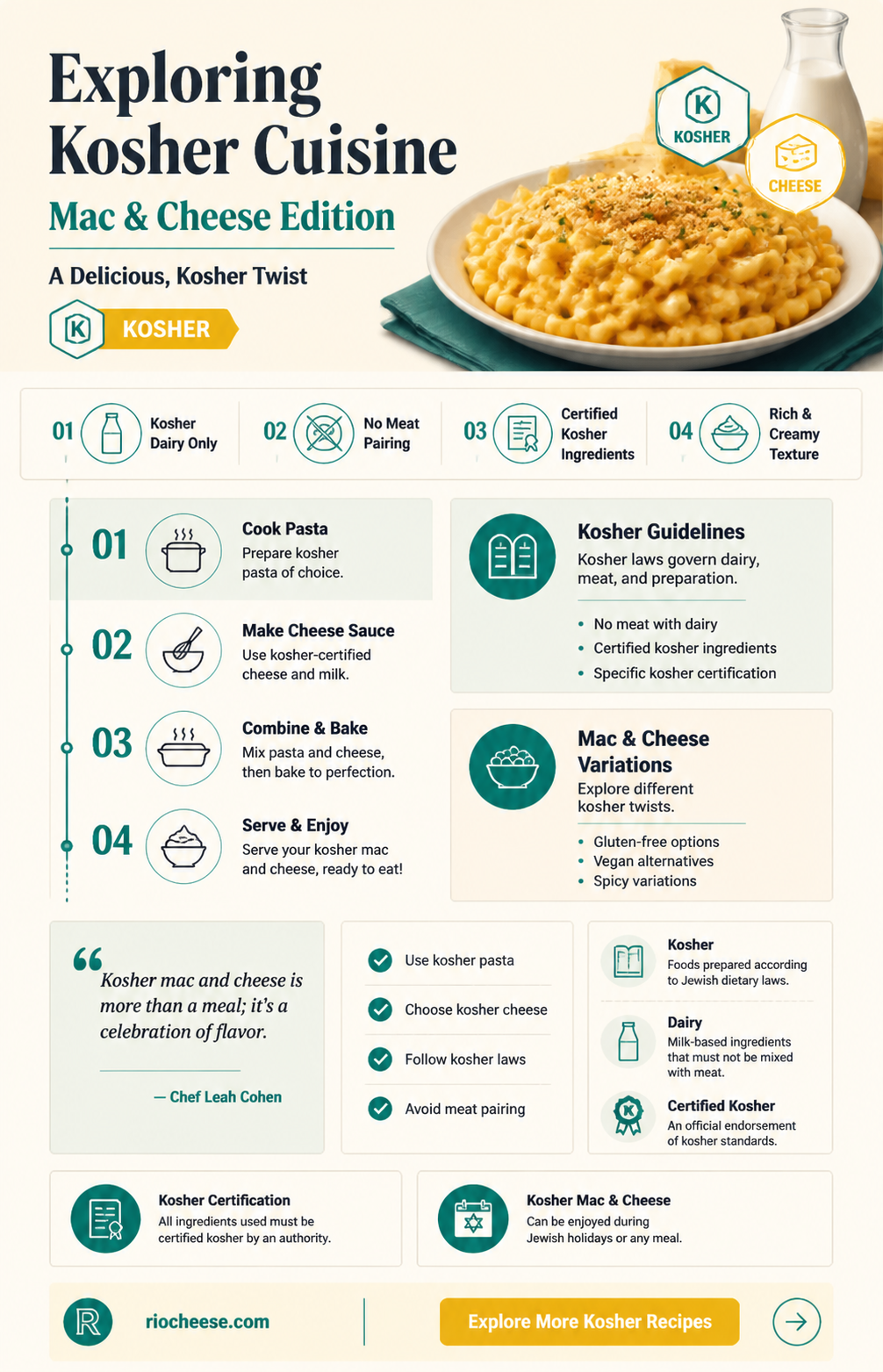
Kosher dietary laws, derived from Jewish religious traditions, govern the consumption and preparation of food for observant Jews. Macaroni and cheese, a beloved comfort food in many cultures, poses an interesting question in the context of kosher eating. To determine whether macaroni and cheese is kosher, one must consider both the ingredients and the preparation methods. The pasta itself is typically made from wheat flour and water, which are kosher. However, the cheese component introduces complexities, as kosher cheese must adhere to specific production standards, including the use of kosher rennet and adherence to kosher processing facilities. Additionally, the milk used in the cheese must come from a kosher animal, typically a cow. If the macaroni and cheese is prepared in a facility that also processes non-kosher foods, there is a risk of cross-contamination, which could render the dish non-kosher. Therefore, while macaroni and cheese can be kosher if prepared with kosher ingredients and in a kosher environment, it is essential to verify these conditions to ensure compliance with kosher dietary laws.
Explore related products




What You'll Learn
- Ingredients Analysis: Examining the components of macaroni and cheese to determine if they meet kosher dietary laws
- Cheese Considerations: Discussing the types of cheese used and their kosher certification, including potential issues with rennet
- Pasta Particulars: Investigating the source and preparation of the pasta to ensure it complies with kosher standards
- Cross-Contamination Concerns: Addressing the risk of non-kosher ingredients contaminating the macaroni and cheese during preparation
- Kosher Certification: Exploring the process of obtaining kosher certification for macaroni and cheese products and its significance

Ingredients Analysis: Examining the components of macaroni and cheese to determine if they meet kosher dietary laws
To determine if macaroni and cheese meets kosher dietary laws, we must scrutinize each ingredient. Kosher dietary laws, or kashrut, dictate specific guidelines for food preparation and consumption. These laws include the prohibition of certain animal products, the requirement for kosher certification of processed foods, and the separation of dairy and meat products.
The primary ingredients in macaroni and cheese are pasta, cheese, and a roux-based sauce. Pasta is typically made from wheat flour and water, both of which are kosher. However, some pasta brands may use eggs, which are also kosher but must be sourced from kosher hens. The cheese used in macaroni and cheese is usually cheddar, which is made from cow's milk. According to kosher dietary laws, dairy products must be sourced from kosher animals and prepared under kosher supervision. Cheddar cheese is often kosher-certified, but it's essential to check the packaging for this designation.
The roux-based sauce in macaroni and cheese is made from flour, butter, and milk. As mentioned earlier, flour and milk are kosher, but butter must be sourced from kosher animals and prepared under kosher supervision. Many commercial butter brands are not kosher-certified, so it's crucial to choose a brand that meets these requirements. Additionally, some recipes may call for the use of bacon or ham, both of which are not kosher.
In conclusion, while the individual components of macaroni and cheese can be kosher, it's essential to ensure that each ingredient meets kosher dietary laws. This includes choosing kosher-certified cheese and butter, using pasta made without eggs (unless from kosher hens), and avoiding any non-kosher additives or toppings. By carefully examining the ingredients and their sources, one can determine if a particular macaroni and cheese recipe or product is kosher.
Explore related products


Cheese Considerations: Discussing the types of cheese used and their kosher certification, including potential issues with rennet
The kosher certification of macaroni and cheese hinges significantly on the type of cheese used. Kosher cheeses must adhere to strict dietary laws, which include the prohibition of mixing dairy and meat products and the requirement that any animal-derived ingredients come from kosher animals. Rennet, an enzyme used in the cheese-making process to separate curds from whey, is a critical factor in determining the kosher status of cheese. Traditionally, rennet was derived from the stomach lining of calves, which raises kosher concerns due to the potential mixing of dairy and meat.
Modern cheese production has evolved to address these concerns, with many manufacturers using microbial or fungal rennet alternatives that are kosher-certified. These alternatives are derived from non-animal sources and are considered pareve, meaning they are neither dairy nor meat and can be used in both types of dishes. However, not all cheeses on the market use these kosher rennet substitutes, and some artisanal or imported cheeses may still use traditional animal-derived rennet.
When selecting cheese for macaroni and cheese, it is essential to look for kosher certification labels, which indicate that the cheese has been produced according to kosher dietary laws. These labels will often specify whether the cheese is dairy or pareve and may also provide information about the type of rennet used. Additionally, some kosher certification agencies maintain lists of approved cheese brands and products, which can be a valuable resource for consumers looking to ensure their macaroni and cheese is kosher.
In summary, the kosher status of macaroni and cheese is heavily dependent on the type of cheese used and its kosher certification. Consumers must be diligent in checking labels and seeking out kosher-certified cheeses that use acceptable rennet alternatives to ensure their dish complies with kosher dietary laws.
Explore related products


Pasta Particulars: Investigating the source and preparation of the pasta to ensure it complies with kosher standards
To ensure that macaroni and cheese complies with kosher standards, it's crucial to investigate the source and preparation of the pasta. Kosher certification requires that the pasta is made from kosher ingredients and produced in a facility that adheres to strict kosher guidelines. This includes ensuring that the wheat used is grown and harvested according to kosher laws, and that the equipment used in the production process is cleaned and sanitized regularly to prevent cross-contamination with non-kosher products.
When selecting pasta for macaroni and cheese, it's important to look for products that have been certified kosher by a reputable certification agency. This certification will typically be indicated on the packaging with a symbol or logo. Additionally, it's important to check the ingredient list to ensure that no non-kosher additives or preservatives are used.
In terms of preparation, it's important to use separate utensils and cookware for kosher and non-kosher ingredients to prevent cross-contamination. This includes using separate pots for boiling the pasta and preparing the cheese sauce, as well as separate utensils for stirring and serving. It's also important to ensure that the water used for boiling the pasta is kosher, as tap water may contain trace amounts of non-kosher substances.
For those who are particularly observant, it may be necessary to take additional steps to ensure that the macaroni and cheese is kosher. This could include using only kosher-certified cheese, or preparing the dish in a kosher kitchen under the supervision of a kosher authority. By taking these precautions, it's possible to enjoy a delicious and satisfying meal that complies with kosher standards.
Explore related products


Cross-Contamination Concerns: Addressing the risk of non-kosher ingredients contaminating the macaroni and cheese during preparation
One of the primary concerns regarding the kosher status of macaroni and cheese is the risk of cross-contamination with non-kosher ingredients during the preparation process. This can occur in several ways, such as using utensils or cookware that have previously been used with non-kosher foods, or preparing the dish in a kitchen where non-kosher ingredients are also handled. To address these concerns, it is essential to follow strict kosher preparation guidelines.
Firstly, all utensils, cookware, and surfaces used in the preparation of the macaroni and cheese must be thoroughly cleaned and sanitized before use. This includes washing and scrubbing all pots, pans, spoons, and other utensils with hot, soapy water, and then rinsing them thoroughly. Additionally, it is recommended to use separate utensils and cookware for dairy and meat products to prevent any potential cross-contamination.
Another important consideration is the choice of ingredients. When preparing kosher macaroni and cheese, it is crucial to use only kosher-certified ingredients, including the pasta, cheese, and any additional seasonings or flavorings. This ensures that the dish remains kosher throughout the preparation process. It is also important to be aware of any potential allergens or dietary restrictions that may apply to the individuals consuming the dish.
In terms of the actual preparation process, it is essential to follow kosher cooking guidelines. This includes cooking the pasta in a separate pot from the cheese sauce, and ensuring that the cheese sauce is prepared using only kosher ingredients and utensils. Once the pasta is cooked, it should be drained and rinsed thoroughly before being combined with the cheese sauce.
Finally, it is important to be mindful of the storage and serving of the macaroni and cheese. The dish should be stored in a covered container in the refrigerator, and it should be served using clean, kosher utensils. It is also recommended to label the dish clearly as kosher to avoid any potential confusion or cross-contamination with non-kosher foods.
By following these guidelines, it is possible to prepare a delicious and kosher macaroni and cheese dish that meets the dietary requirements of all individuals.
Explore related products

$5.29
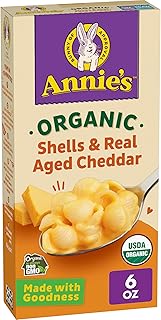

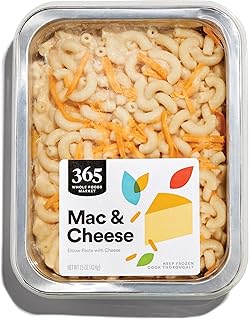


Kosher Certification: Exploring the process of obtaining kosher certification for macaroni and cheese products and its significance
Kosher certification is a rigorous process that ensures food products meet the dietary laws of Judaism. For macaroni and cheese products, obtaining kosher certification involves several critical steps. First, all ingredients must be sourced from kosher suppliers, which includes not only the pasta and cheese but also any additives or flavorings. The production facility must also be inspected to ensure that it meets kosher standards, which includes separate equipment for dairy and meat products to avoid cross-contamination.
The certification process is overseen by a rabbi or a kosher certification agency, which will conduct regular inspections and audits to maintain the product's kosher status. This involves verifying that the ingredients used are indeed kosher, that the production process adheres to kosher guidelines, and that the final product does not contain any non-kosher elements. The rabbi or agency will then issue a kosher certification, which is often displayed on the product packaging to inform consumers.
The significance of kosher certification for macaroni and cheese products lies in its ability to cater to the dietary needs of Jewish consumers who follow kosher dietary laws. It also adds a level of transparency and trust, as consumers can be assured that the product has undergone a thorough certification process. Additionally, kosher certification can be a marketing advantage, as it allows the product to be sold in kosher markets and to consumers who are looking for kosher options.
In conclusion, obtaining kosher certification for macaroni and cheese products is a detailed and meticulous process that involves sourcing kosher ingredients, ensuring a kosher production environment, and undergoing regular inspections and audits. The certification not only caters to the dietary needs of Jewish consumers but also adds a level of transparency and trust to the product.
Frequently asked questions
Traditional macaroni and cheese may not be kosher because it often contains dairy products mixed with meat-based broths or ingredients, which violates kosher dietary laws that prohibit mixing dairy and meat.
Ingredients that can make macaroni and cheese non-kosher include any dairy products (like cheese, milk, or butter) combined with meat or meat-based broths, as well as any additives or preservatives that contain non-kosher substances.
To make macaroni and cheese kosher, you can use kosher-certified pasta and prepare the cheese sauce using kosher dairy products. Ensure that no meat or meat-based ingredients are used in the preparation. You can also look for kosher-certified macaroni and cheese mixes.
Yes, there are kosher alternatives to traditional macaroni and cheese. Many brands offer kosher-certified macaroni and cheese products, and there are also recipes available for making kosher versions of the dish using kosher ingredients and avoiding the mixing of dairy and meat.