Bushra Griffith
Frozen cottage cheese can be a versatile ingredient in various recipes, offering a unique texture and flavor profile. When considering what to do with frozen cottage cheese, it's essential to first thaw it properly to ensure optimal taste and consistency. Once thawed, you can incorporate it into savory dishes like dips, spreads, or even as a protein-rich addition to salads. Additionally, frozen cottage cheese can be used in sweet treats such as smoothies, pancakes, or desserts, providing a creamy and slightly tangy element. Experimenting with different seasonings and pairings can help you discover new and exciting ways to utilize this frozen dairy product in your culinary creations.
Explore related products


What You'll Learn
- Thawing Methods: Discover the best ways to thaw frozen cottage cheese, including refrigerator thawing and quick microwave methods
- Recipes: Explore delicious recipes using frozen cottage cheese, such as smoothies, dips, and baked goods
- Texture Changes: Understand how freezing affects cottage cheese texture and learn tips to restore its original consistency
- Storage Tips: Get expert advice on how to store frozen cottage cheese to maintain freshness and prevent freezer burn
- Nutritional Value: Learn about the nutritional benefits of frozen cottage cheese and how it compares to fresh cottage cheese

Thawing Methods: Discover the best ways to thaw frozen cottage cheese, including refrigerator thawing and quick microwave methods
Refrigerator thawing is the safest and most recommended method for thawing frozen cottage cheese. To do this, simply transfer the frozen cottage cheese from the freezer to the refrigerator and allow it to thaw overnight. This method ensures that the cottage cheese thaws at a consistent and safe temperature, preserving its texture and flavor. It's important to note that thawing in the refrigerator can take several hours, so it's best to plan ahead if you need the cottage cheese for a recipe.
If you're short on time, you can use the microwave to thaw the frozen cottage cheese more quickly. To do this, remove the cottage cheese from its container and place it in a microwave-safe bowl. Cover the bowl with a microwave-safe lid or plastic wrap, leaving a small vent for steam to escape. Microwave the cottage cheese on low power for 30-second intervals, checking and stirring after each interval, until it's fully thawed. Be cautious when removing the bowl from the microwave, as it may be hot.
Another quick thawing method is to place the frozen cottage cheese in a bowl of cold water. Change the water every 30 minutes to ensure that it stays cold and continues to thaw the cottage cheese. This method can take about 1-2 hours, depending on the size of the frozen cottage cheese.
It's important to note that once thawed, cottage cheese should be used within a few days to ensure its freshness and safety. If you're not planning to use the thawed cottage cheese immediately, you can store it in the refrigerator for up to 3-4 days.
When thawing frozen cottage cheese, it's crucial to avoid using hot water or leaving it at room temperature, as this can lead to bacterial growth and spoilage. Additionally, be sure to check the cottage cheese for any signs of freezer burn or off-odors before using it in a recipe.
In summary, the best ways to thaw frozen cottage cheese are in the refrigerator, microwave, or cold water. Each method has its own advantages and disadvantages, so choose the one that best fits your needs and schedule. Remember to always handle thawed cottage cheese safely and use it within a few days to ensure its quality and safety.
Delicious Homemade Cottage Cheese Pizza Crust Recipe
You may want to see also
Explore related products


Recipes: Explore delicious recipes using frozen cottage cheese, such as smoothies, dips, and baked goods
Frozen cottage cheese is a versatile ingredient that can be used in a variety of delicious recipes. One popular option is to blend it into smoothies for a creamy, protein-packed drink. Simply combine frozen cottage cheese with your favorite fruits, milk or yogurt, and a sweetener like honey or maple syrup for a refreshing and nutritious beverage.
Another great way to use frozen cottage cheese is in dips. Thaw the cottage cheese and mix it with herbs, spices, and other ingredients like sour cream or mayonnaise to create a flavorful dip for crackers, vegetables, or chips. You can also use frozen cottage cheese in baked goods, such as muffins, pancakes, or bread. Just thaw the cottage cheese and mix it into your batter for added moisture and protein.
For a savory option, try using frozen cottage cheese in a quiche or frittata. Thaw the cottage cheese and mix it with eggs, vegetables, and cheese, then pour the mixture into a pie crust or baking dish and bake until set. This makes for a delicious and filling breakfast or brunch dish.
When using frozen cottage cheese in recipes, it's important to thaw it properly to ensure the best texture and flavor. Simply leave it in the refrigerator overnight or thaw it in cold water for a few hours. Avoid thawing frozen cottage cheese in the microwave, as this can cause it to become rubbery and lose its creamy texture.
In conclusion, frozen cottage cheese is a versatile and nutritious ingredient that can be used in a variety of delicious recipes. From smoothies and dips to baked goods and savory dishes, there are many creative ways to incorporate frozen cottage cheese into your meals.
From Sour to Scrumptious: A Guide to Making Cottage Cheese at Home
You may want to see also
Explore related products


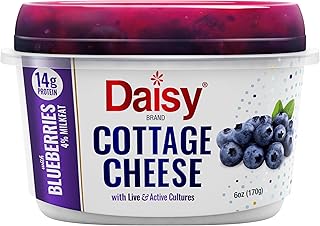
Texture Changes: Understand how freezing affects cottage cheese texture and learn tips to restore its original consistency
Freezing cottage cheese can significantly alter its texture, often resulting in a grainy or icy consistency that differs from its original creamy state. This change occurs because the water content in cottage cheese expands as it freezes, causing the curds to separate and become more rigid. To restore frozen cottage cheese to its original texture, it's essential to thaw it properly. One effective method is to place the frozen cottage cheese in the refrigerator overnight, allowing it to thaw slowly at a consistent temperature. This gradual process helps to minimize texture changes and retain the cheese's natural creaminess.
Another technique to improve the texture of thawed cottage cheese is to strain it through a fine-mesh sieve or cheesecloth. This process helps to remove any excess liquid that may have accumulated during freezing and thawing, resulting in a firmer and more cohesive texture. After straining, gently press the cottage cheese to remove additional moisture, being careful not to over-compress, which can lead to a rubbery consistency.
In some cases, the texture of frozen cottage cheese may not fully return to its original state, even after proper thawing and straining. If this occurs, consider using the cottage cheese in recipes where texture is less critical, such as smoothies, dips, or baked goods. Alternatively, you can try incorporating it into dishes that require further cooking, like casseroles or sauces, where the heat and additional ingredients can help to mask any remaining textural differences.
To prevent texture changes in the future, it's important to store cottage cheese properly. Always keep it refrigerated at a consistent temperature below 40°F (4°C), and consume it within a week of purchase for the best quality. If you need to freeze cottage cheese, consider freezing it in small batches and using it within a month to minimize texture alterations. Additionally, you can try freezing cottage cheese that has been mixed with a small amount of heavy cream or half-and-half, which can help to maintain its creamy texture during the freezing process.
In summary, understanding how freezing affects cottage cheese texture and following proper thawing and straining techniques can help to restore its original consistency. However, if texture changes persist, there are still ways to use the cottage cheese in various recipes. Proper storage and freezing practices can also help to prevent texture alterations in the future, ensuring that your cottage cheese remains creamy and delicious.
Transform Your Cottage Cheese: A Guide to Creamy Perfection
You may want to see also
Explore related products


Storage Tips: Get expert advice on how to store frozen cottage cheese to maintain freshness and prevent freezer burn
To maintain the freshness of frozen cottage cheese and prevent freezer burn, it's essential to follow proper storage techniques. Freezer burn occurs when the moisture in the cheese evaporates and ice crystals form, leading to a dry and unappetizing texture. To avoid this, ensure that the cottage cheese is stored in an airtight container or wrapped tightly in plastic wrap or aluminum foil. This will help to retain moisture and prevent air from reaching the cheese.
Another important tip is to store the frozen cottage cheese in the coldest part of your freezer, typically at the back or bottom. This will help to maintain a consistent temperature and prevent the cheese from thawing and refreezing, which can also lead to freezer burn. It's also a good idea to label the container or wrapping with the date of freezing, so you can keep track of how long the cheese has been stored.
When it comes to thawing frozen cottage cheese, it's best to do so slowly in the refrigerator. This will help to prevent the cheese from becoming too watery and will retain its texture. If you're in a hurry, you can thaw the cheese in cold water, but be sure to change the water every 30 minutes to prevent bacterial growth.
One common mistake people make when storing frozen cottage cheese is not freezing it properly in the first place. To freeze cottage cheese effectively, it's important to drain any excess liquid and then spread the cheese out in a thin layer on a baking sheet. This will help to prevent the cheese from freezing into a solid block and will make it easier to portion out later.
In summary, proper storage of frozen cottage cheese involves using airtight containers or wrapping, storing in the coldest part of the freezer, labeling with the date of freezing, and thawing slowly in the refrigerator or in cold water. By following these tips, you can maintain the freshness and quality of your frozen cottage cheese and prevent freezer burn.
Measuring Up: Cottage Cheese Cups to Ounces Conversion Guide
You may want to see also
Explore related products


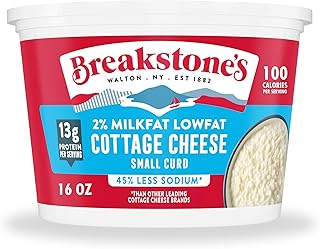


Nutritional Value: Learn about the nutritional benefits of frozen cottage cheese and how it compares to fresh cottage cheese
Frozen cottage cheese, often overlooked in favor of its fresh counterpart, boasts a nutritional profile that can make it a valuable addition to a balanced diet. One of the primary benefits of frozen cottage cheese is its high protein content, which remains stable even after the freezing process. This makes it an excellent choice for individuals looking to increase their protein intake, particularly those involved in fitness and muscle building. Additionally, frozen cottage cheese is a good source of essential amino acids, which are crucial for various bodily functions, including tissue repair and immune system support.
When compared to fresh cottage cheese, frozen varieties often have a slightly lower moisture content, which can result in a firmer texture. This textural difference may be preferable for some individuals who find the firmer consistency more palatable or easier to incorporate into recipes. Furthermore, frozen cottage cheese can have a longer shelf life than fresh, making it a convenient option for those looking to reduce food waste or stock up on nutritious ingredients.
It is important to note that the freezing process can lead to a slight decrease in the bioavailability of certain nutrients, such as vitamin B12. However, the overall nutritional impact of this decrease is generally minimal, especially when considering the extended shelf life and convenience of frozen cottage cheese. To maximize the nutritional benefits, it is recommended to choose frozen cottage cheese that is low in added sugars and sodium, and to pair it with a variety of nutrient-dense foods, such as fruits, vegetables, and whole grains.
In summary, frozen cottage cheese offers a range of nutritional benefits, including high protein content and a good source of essential amino acids. While there may be slight differences in texture and nutrient bioavailability compared to fresh cottage cheese, these factors are often outweighed by the convenience and extended shelf life of frozen varieties. By selecting low-sugar, low-sodium options and incorporating frozen cottage cheese into a balanced diet, individuals can enjoy its nutritional advantages while minimizing potential drawbacks.
Cottage Cheese for Canine Diarrhea: A Comprehensive Guide
You may want to see also
Frequently asked questions
Frozen cottage cheese can be used in a variety of recipes. Some popular options include using it in smoothies, pancakes, waffles, muffins, and bread. It can also be thawed and used as a substitute for cream cheese in dips and spreads.
To thaw frozen cottage cheese, place it in the refrigerator overnight or thaw it in cold water for a few hours. You can also thaw it in the microwave, but be careful not to overheat it as this can cause the cheese to become grainy.
Yes, you can freeze cottage cheese that has already been thawed. However, it's important to note that the texture may change slightly after freezing and thawing multiple times.
The best way to store frozen cottage cheese is to place it in an airtight container or freezer bag. Be sure to label the container or bag with the date so you can keep track of how long it's been frozen.