Patrick Oconnell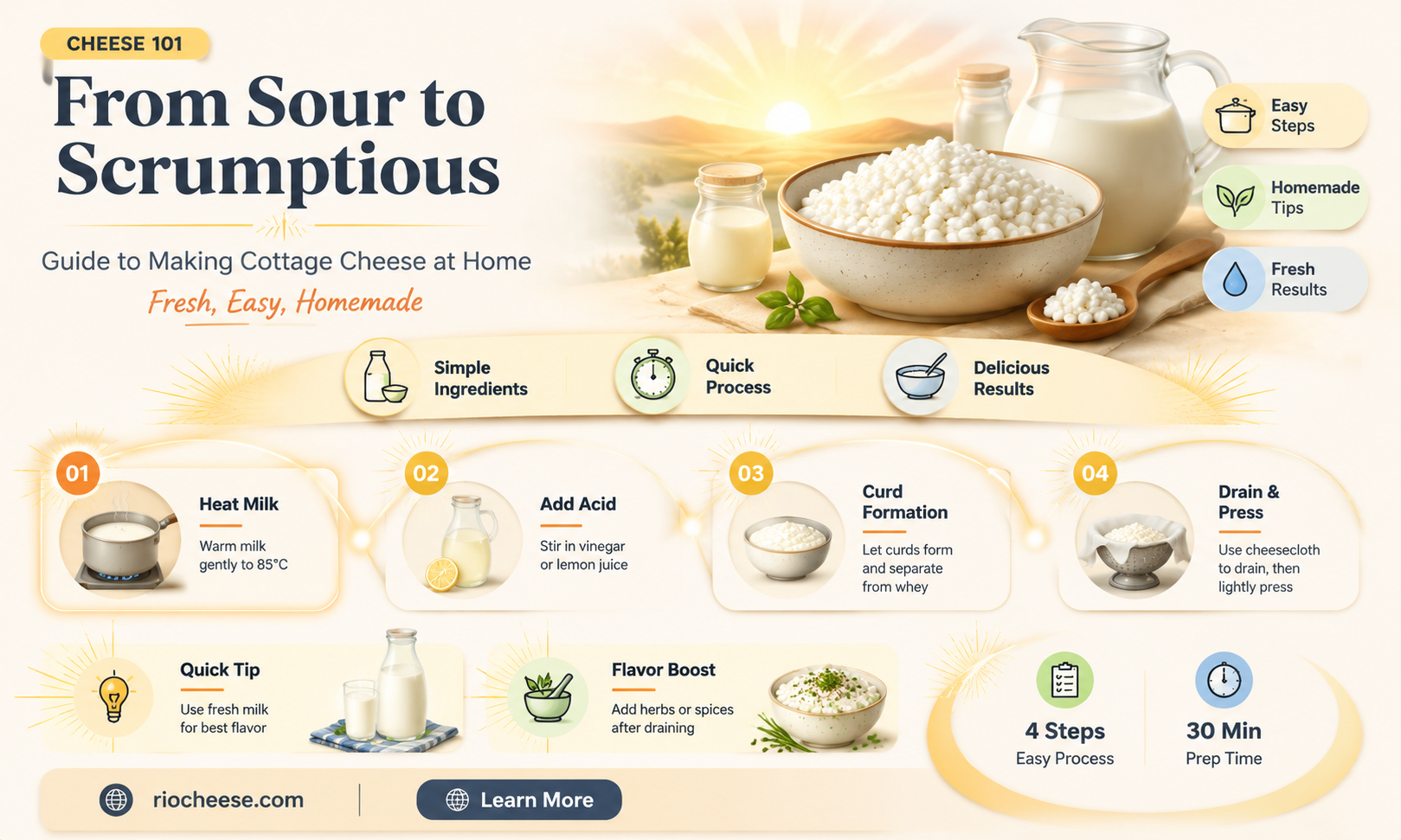
Making cottage cheese from spoiled milk is a practical and delicious way to reduce food waste and enjoy a nutritious dairy product. Spoiled milk, which has passed its expiration date but isn't yet curdled or moldy, can be transformed into fresh, homemade cottage cheese with just a few simple steps. This process not only rescues milk that might otherwise be discarded but also allows you to control the ingredients and texture of your cottage cheese. In this guide, we'll walk you through the easy method of turning spoiled milk into a tasty and healthy snack or ingredient.
Explore related products


What You'll Learn

Introduction to Cottage Cheese Making
Cottage cheese is a popular dairy product known for its creamy texture and mild flavor. It's often used in salads, dips, and as a standalone snack. But did you know that you can make cottage cheese from spoiled milk? This process not only reduces food waste but also allows you to enjoy the benefits of homemade cottage cheese. In this guide, we'll walk you through the steps of making cottage cheese from spoiled milk, including the necessary ingredients, equipment, and techniques.
To make cottage cheese from spoiled milk, you'll need the following ingredients: spoiled milk, lemon juice or vinegar, and salt. The spoiled milk should have a sour smell and a slightly thickened consistency. You'll also need a large pot, a thermometer, a cheesecloth or fine-mesh strainer, and a bowl.
The first step in making cottage cheese from spoiled milk is to heat the milk. Pour the spoiled milk into the large pot and place it over medium heat. Stir the milk occasionally to prevent it from sticking to the bottom of the pot. Heat the milk until it reaches a temperature of 180°F (82°C). This temperature is important because it helps to kill any harmful bacteria that may be present in the spoiled milk.
Once the milk has reached the desired temperature, remove it from the heat and stir in the lemon juice or vinegar. The acidity from the lemon juice or vinegar will cause the milk to curdle, forming the characteristic lumps of cottage cheese. Let the mixture sit for about 10 minutes, allowing the curds to form and separate from the whey.
After the curds have formed, line the cheesecloth or fine-mesh strainer with a clean bowl. Carefully pour the curdled milk into the strainer, allowing the whey to drain into the bowl. Gently press the curds with your hands or a spoon to remove any excess whey.
Finally, season the cottage cheese with salt to taste. You can also add herbs, spices, or other flavorings if desired. Store the homemade cottage cheese in an airtight container in the refrigerator for up to a week.
In conclusion, making cottage cheese from spoiled milk is a simple and rewarding process. By following these steps, you can transform spoiled milk into a delicious and nutritious dairy product. Not only does this reduce food waste, but it also allows you to enjoy the benefits of homemade cottage cheese.
From Farm to Table: The Simple Art of Making Cottage Cheese
You may want to see also
Explore related products


Selecting Spoiled Milk for Cottage Cheese
To make cottage cheese from spoiled milk, the first and most crucial step is selecting the right type of spoiled milk. Not all spoiled milk is suitable for this process, and choosing the wrong kind can lead to undesirable results or even health risks. The ideal milk for making cottage cheese is fresh milk that has just begun to sour, typically within a day or two past its expiration date. This milk will have a slightly tangy smell and may show some signs of curdling, but it should not be fully rotten or have any off-odors.
When selecting spoiled milk, it's important to inspect it carefully for any signs of contamination or spoilage beyond the initial souring stage. Look for any discoloration, mold, or unusual textures, and discard any milk that shows these signs. Additionally, avoid using milk that has been left at room temperature for an extended period, as this can lead to the growth of harmful bacteria.
Once you've selected the appropriate spoiled milk, the next step is to heat it gently until it reaches a temperature of around 180°F (82°C). This will help to kill off any remaining bacteria and further encourage the curdling process. After heating, allow the milk to cool slightly before adding an acid, such as lemon juice or vinegar, to help separate the curds from the whey.
In summary, selecting the right type of spoiled milk is essential for making safe and delicious cottage cheese. Look for milk that is just beginning to sour, inspect it carefully for any signs of contamination, and heat it gently before adding an acid to complete the curdling process. By following these steps, you can transform spoiled milk into a nutritious and tasty dairy product.
Creamy Cottage Cheese Ranch Dressing: A Healthier Twist on a Classic
You may want to see also
Explore related products



Heating and Curdling the Milk
To begin the process of making cottage cheese from spoiled milk, you must first heat the milk to a specific temperature. This step is crucial as it helps to kill any harmful bacteria that may be present in the spoiled milk. Heat the milk slowly over medium heat, stirring occasionally to prevent it from sticking to the bottom of the pot. It's important to monitor the temperature closely, as overheating can lead to the milk burning or curdling too quickly, which can affect the texture of the final product.
Once the milk has reached the desired temperature, typically around 180°F (82°C), you can add an acid to help curdle the milk. Common acids used for this purpose include lemon juice, vinegar, or citric acid. The acid should be added slowly, while stirring the milk continuously. You will notice the milk beginning to thicken and curdle as the acid reacts with the proteins in the milk. This process usually takes a few minutes, so be patient and continue to stir gently until the curds have formed.
After the milk has curdled, it's time to strain the curds from the whey. Line a colander with a clean cloth or cheesecloth and carefully pour the curdled milk into it. Allow the curds to drain for several minutes, or until most of the whey has been removed. You can gently press the curds to help release any remaining whey, but be careful not to press too hard, as this can lead to a drier, crumbly texture.
Once the curds have been drained, you can rinse them with cold water to help remove any remaining whey and to cool them down. This step is important as it helps to stop the cooking process and prevents the curds from becoming too firm. After rinsing, gently press the curds again to remove any excess water.
At this point, you can add salt to taste, if desired. Some people prefer their cottage cheese plain, while others enjoy adding herbs, spices, or even fruit to enhance the flavor. Once you have seasoned the cottage cheese to your liking, it's ready to be served or stored in the refrigerator.
Remember, when making cottage cheese from spoiled milk, it's important to use milk that is only slightly spoiled. If the milk is too far gone, it may not curdle properly, and the resulting cottage cheese may have an unpleasant taste or texture. Additionally, always use clean equipment and follow proper food safety guidelines to ensure that your homemade cottage cheese is safe to eat.
Exploring the Charm of Country Style Cottage Cheese
You may want to see also
Explore related products


Draining and Pressing Curds
Once the curds have formed in the spoiled milk, the next crucial step is draining and pressing them to achieve the desired cottage cheese consistency. This process requires precision and care to ensure the curds are not broken down or mixed with excess whey. Begin by gently pouring the curd-filled milk into a cheesecloth-lined colander, allowing the whey to drain off naturally. Avoid pressing or squeezing the curds at this stage, as this can result in a tough, rubbery texture.
After the initial draining, the curds should be transferred to a clean, damp cheesecloth and gently wrapped. Place the wrapped curds under a heavy weight, such as a cast-iron skillet or canned goods, to press out any remaining whey. This pressing process should take approximately 30 minutes to an hour, depending on the desired firmness of the cottage cheese. It is essential to monitor the pressing time closely, as over-pressing can lead to a dry, crumbly texture.
During the pressing process, it is important to maintain a clean and sanitary environment to prevent any contamination or spoilage. Ensure that all utensils and surfaces are thoroughly cleaned and disinfected before and after use. Additionally, keep the pressing area at a consistent temperature to promote proper drainage and prevent the growth of harmful bacteria.
Once the curds have been adequately pressed, they can be unwrapped and crumbled into small pieces to create the final cottage cheese product. At this stage, you can add salt or other seasonings to taste. The resulting cottage cheese should be creamy and smooth, with a slightly tangy flavor from the spoiled milk. Store the finished product in an airtight container in the refrigerator for up to a week.
In summary, the draining and pressing of curds is a delicate process that requires attention to detail and proper technique. By following these steps carefully, you can create a delicious and nutritious cottage cheese from spoiled milk, reducing food waste and enjoying a homemade dairy product.
Crispy Oven-Baked Cottage Cheese Chips: A Healthy Snack Revolution
You may want to see also
Explore related products


Storing and Serving Cottage Cheese
Once you've successfully made cottage cheese from spoiled milk, proper storage is crucial to maintain its freshness and prevent further spoilage. Cottage cheese should be stored in an airtight container in the refrigerator at a temperature below 40°F (4°C). It's best to consume the cottage cheese within 3 to 4 days of making it, as the quality and texture may deteriorate over time. When serving, it's important to ensure that the cottage cheese is at a safe temperature to prevent the growth of harmful bacteria. If you're planning to serve the cottage cheese as part of a meal, it's best to take it out of the refrigerator about 30 minutes before serving to allow it to come to room temperature.
One of the benefits of making cottage cheese from spoiled milk is that it can be a cost-effective way to reduce food waste. However, it's important to note that not all types of spoiled milk are suitable for making cottage cheese. Milk that has been left at room temperature for an extended period or has developed a strong odor or mold should not be used. When making cottage cheese, it's crucial to start with milk that has only recently spoiled and has a mild sour taste. This will ensure that the resulting cottage cheese is safe to eat and has a pleasant flavor.
In terms of serving suggestions, cottage cheese made from spoiled milk can be used in a variety of recipes. It can be eaten on its own as a protein-rich snack, or it can be incorporated into dishes such as salads, dips, and casseroles. Cottage cheese can also be used as a substitute for ricotta cheese in recipes like lasagna or stuffed shells. When serving cottage cheese, it's important to consider the texture and flavor. Cottage cheese made from spoiled milk may have a slightly tangier taste and firmer texture than cottage cheese made from fresh milk. This can be an advantage in some recipes, as it can add a unique flavor profile and help the dish hold its shape.
Overall, storing and serving cottage cheese made from spoiled milk requires careful attention to safety and quality. By following proper storage guidelines and using the cottage cheese in appropriate recipes, you can enjoy a delicious and nutritious food that helps reduce waste and save money.
The Cost of Cottage Cheese: A Comprehensive Price Guide
You may want to see also
Frequently asked questions
Yes, you can make cottage cheese from spoiled milk. In fact, many people prefer to use slightly soured milk as it can enhance the flavor and texture of the cottage cheese.
To make cottage cheese from spoiled milk, you need to heat the milk to around 180°F (82°C), then add an acid like lemon juice or vinegar to curdle it. After curdling, drain the whey and rinse the curds with cold water. You can then season the cottage cheese with salt and any other desired herbs or spices.
Yes, it is safe to eat cottage cheese made from spoiled milk as long as the milk is not contaminated with harmful bacteria. The process of making cottage cheese involves heating the milk to a high temperature, which kills most bacteria. Additionally, the acid used to curdle the milk helps to preserve the cottage cheese.
Making cottage cheese from spoiled milk can help to reduce food waste and save money. Additionally, slightly soured milk can enhance the flavor and texture of the cottage cheese, making it a more enjoyable and nutritious food.
Yes, you can use any type of milk to make cottage cheese, including whole milk, skim milk, and even non-dairy milk alternatives like soy milk or almond milk. However, the fat content of the milk can affect the texture and flavor of the cottage cheese, so you may need to adjust the recipe accordingly.