Randy Chandler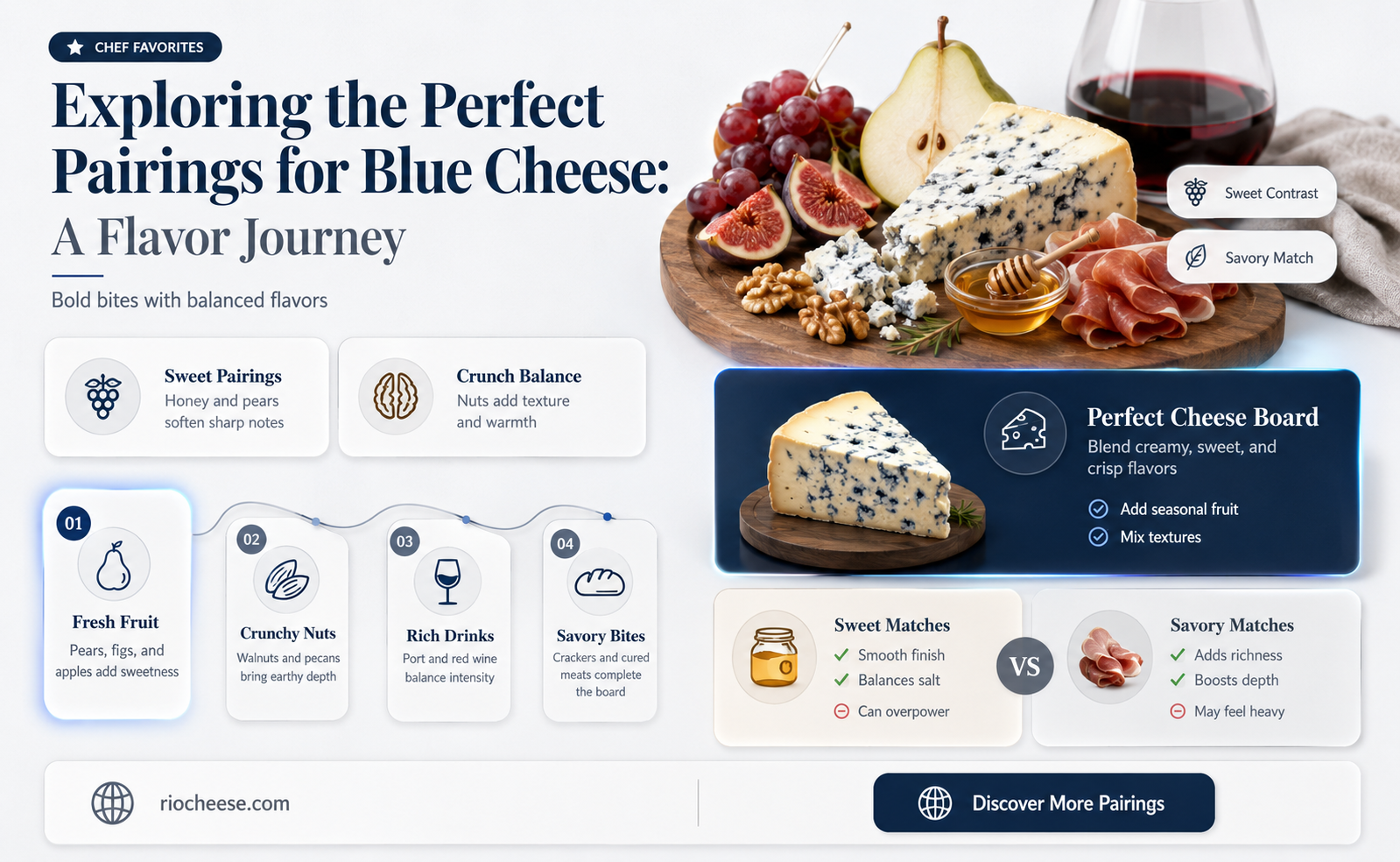
Blue cheese, known for its strong, pungent flavor and creamy texture, pairs well with a variety of foods and beverages. Its bold taste makes it an excellent companion to sweet and tangy items, as well as rich and savory dishes. For a classic pairing, blue cheese is often enjoyed with crackers or bread, providing a crunchy contrast to its soft consistency. Fruits like apples, pears, and figs complement the cheese's sharpness with their natural sweetness. Nuts, particularly walnuts and pecans, add a satisfying crunch and earthy flavor. When it comes to beverages, blue cheese pairs wonderfully with sweet dessert wines like Port or Sauternes, which balance its intensity. For beer enthusiasts, a robust ale or stout can stand up to the cheese's powerful taste. In culinary applications, blue cheese is a popular ingredient in salads, dressings, and sauces, adding depth and complexity to the dish.
Explore related products



What You'll Learn
- Fruits: Figs, pears, apples, and grapes complement blue cheese's pungency with natural sweetness
- Nuts: Walnuts, pecans, and almonds add a crunchy texture and rich flavor to blue cheese
- Honey: A drizzle of honey balances the strong taste of blue cheese with its floral sweetness
- Breads: Sourdough, baguette, and crackers serve as perfect vehicles for blue cheese's creamy texture
- Beverages: Sweet dessert wines, like Port or Sauternes, and strong beers, such as stouts or IPAs, pair well with blue cheese

Fruits: Figs, pears, apples, and grapes complement blue cheese's pungency with natural sweetness
The combination of fruits and blue cheese is a classic pairing that balances the strong, pungent flavors of the cheese with the natural sweetness of the fruit. Figs, pears, apples, and grapes are particularly well-suited to this pairing, as their juicy textures and sweet flavors can cut through the richness of the blue cheese, creating a harmonious and satisfying taste experience.
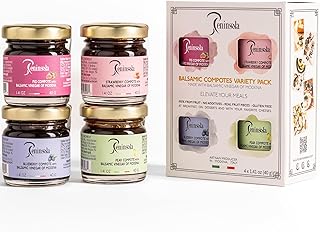
Figs are a popular choice for pairing with blue cheese due to their sweet, jammy flavor and soft, velvety texture. They can be served fresh, dried, or even as a fig jam or chutney, adding a touch of sweetness and complexity to the cheese. Pears, with their crisp texture and sweet, slightly floral flavor, also complement the pungency of blue cheese nicely. They can be served fresh, poached, or even as a pear compote, providing a refreshing contrast to the cheese.
Apples, with their tart and sweet flavors, can also be a great pairing for blue cheese. The acidity in apples helps to cut through the richness of the cheese, while the sweetness balances out the pungency. Apples can be served fresh, sliced, or even as an apple crisp or pie, adding a comforting and familiar element to the cheese. Grapes, with their juicy, sweet flavor and slight tanginess, are another excellent choice for pairing with blue cheese. They can be served fresh, as a grape compote, or even as a grape and blue cheese salad, providing a light and refreshing contrast to the cheese.
When pairing fruits with blue cheese, it's important to consider the ripeness and quality of the fruit, as well as the type and strength of the blue cheese. For example, a stronger, more pungent blue cheese like Roquefort or Gorgonzola may pair better with a sweeter, juicier fruit like figs or grapes, while a milder blue cheese like Stilton or Bleu d'Auvergne may pair better with a slightly tart fruit like apples or pears. Experimenting with different combinations can help you find the perfect pairing for your taste preferences.
Discover the Best Places to Purchase Rogue River Blue Cheese
You may want to see also
Explore related products
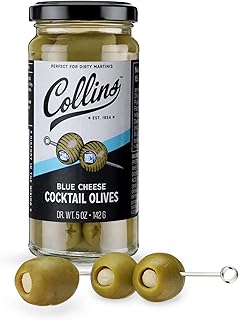


Nuts: Walnuts, pecans, and almonds add a crunchy texture and rich flavor to blue cheese
The combination of nuts and blue cheese is a classic pairing that elevates both components. Walnuts, pecans, and almonds are particularly popular choices because they offer a satisfying crunch that contrasts beautifully with the creamy, pungent texture of blue cheese. This textural contrast is key to why this pairing works so well—it creates a more engaging and enjoyable eating experience.
In terms of flavor, the rich, buttery taste of these nuts complements the sharp, tangy notes of blue cheese. The earthiness of walnuts, the sweetness of pecans, and the subtle bitterness of almonds each bring something unique to the table, enhancing the overall flavor profile of the dish. This synergy of flavors makes the pairing versatile, suitable for a variety of culinary applications, from simple cheese boards to more complex recipes.
One practical way to enjoy this pairing is by creating a blue cheese and nut platter. Start with a selection of high-quality blue cheeses, such as Roquefort, Gorgonzola, or Stilton. Arrange these cheeses on a platter and surround them with an assortment of nuts. You can also add complementary items like honey, figs, or apple slices to round out the flavors and textures. This type of platter is perfect for entertaining guests or as a sophisticated snack.
For a more integrated approach, consider incorporating nuts into blue cheese-based recipes. For example, you can make a blue cheese and walnut pesto by blending blue cheese, walnuts, olive oil, garlic, and herbs. This pesto can be used as a spread for crackers, a topping for grilled meats, or a sauce for pasta dishes. Similarly, pecans can be used to make a blue cheese and pecan salad dressing, which pairs wonderfully with mixed greens and roasted vegetables.
When selecting nuts to pair with blue cheese, it's important to consider the quality and freshness of the nuts. Freshly roasted nuts will have a more vibrant flavor and better texture than stale or over-processed options. Additionally, consider the origin and sustainability of the nuts, as these factors can impact both the taste and the environmental footprint of your dish.
In conclusion, the pairing of nuts with blue cheese is a delightful culinary combination that offers a balance of textures and flavors. By thoughtfully selecting and preparing nuts, you can create dishes that are both delicious and visually appealing, making this pairing a staple in your culinary repertoire.
Mastering the Art of Crumbling Blue Cheese: A Gourmet's Guide
You may want to see also
Explore related products


Honey: A drizzle of honey balances the strong taste of blue cheese with its floral sweetness
The combination of honey and blue cheese is a classic pairing that delights the palate with its contrasting flavors. The strong, pungent taste of blue cheese is beautifully balanced by the floral sweetness of honey, creating a harmonious blend that is both surprising and satisfying. This pairing is not only popular in culinary circles but also has a rich history that dates back centuries.
One of the reasons why honey pairs so well with blue cheese is due to its ability to cut through the richness of the cheese. Blue cheese, with its distinctive veins of mold, has a bold and sometimes overpowering flavor that can be overwhelming on its own. However, the natural sugars in honey help to mellow out this intensity, making the cheese more approachable and enjoyable. The sweetness of honey also enhances the subtle nutty and earthy notes that are present in many types of blue cheese, adding depth and complexity to the overall flavor profile.
When it comes to choosing the right type of honey to pair with blue cheese, it's important to consider the flavor profile of both ingredients. A mild, floral honey like clover or orange blossom honey can complement the delicate nuances of a milder blue cheese, such as Gorgonzola or Roquefort. On the other hand, a more robust honey with stronger floral notes, like buckwheat or chestnut honey, can stand up to the bold flavors of a stronger blue cheese, such as Stilton or Valdeón.
In addition to its flavor-enhancing properties, honey also has practical applications when it comes to serving blue cheese. Drizzling honey over a wedge of blue cheese can make it more visually appealing, adding a touch of elegance to a cheese platter or appetizer. Honey can also be used to create a glaze or marinade for blue cheese, which can be used to add flavor to dishes like salads, sandwiches, or even desserts.
Overall, the pairing of honey and blue cheese is a testament to the power of contrasting flavors. By balancing the strong taste of blue cheese with its floral sweetness, honey creates a unique and delicious combination that is sure to please even the most discerning palate. Whether you're a fan of mild or strong blue cheeses, there's a type of honey out there that can enhance your enjoyment of this classic pairing.
Discover the Best Spots to Buy Blue Cheese Stuffed Olives
You may want to see also
Explore related products
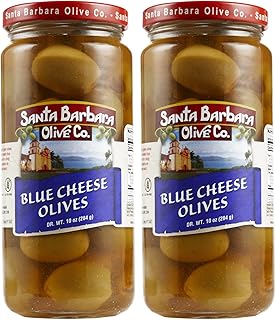
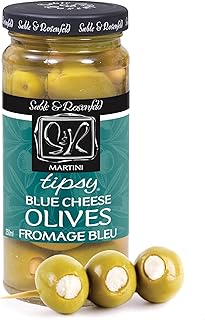


Breads: Sourdough, baguette, and crackers serve as perfect vehicles for blue cheese's creamy texture
Sourdough bread, with its tangy flavor and chewy texture, complements the bold taste of blue cheese exceptionally well. The acidity in sourdough helps to cut through the richness of the cheese, creating a balanced and satisfying pairing. To enjoy this combination, slice a fresh loaf of sourdough and spread a generous layer of blue cheese on top. For an extra touch of indulgence, drizzle a bit of honey over the cheese to add a hint of sweetness that will enhance the overall flavor profile.
Baguettes, known for their crispy crust and soft interior, offer a delightful contrast to the creamy texture of blue cheese. The crunch of the baguette provides a satisfying textural element that pairs beautifully with the smooth, spreadable consistency of the cheese. To savor this pairing, slice the baguette into rounds and toast them lightly. Then, spread a layer of blue cheese on each round and top with a sprinkle of chopped nuts or a drizzle of olive oil for added depth of flavor.
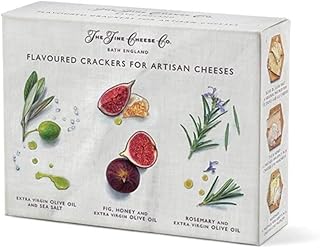
Crackers, with their crunchy texture and neutral flavor, serve as an ideal canvas for showcasing the rich, complex taste of blue cheese. The crispness of the crackers helps to cleanse the palate between bites, allowing the full flavor of the cheese to shine through. For a simple yet elegant snack, arrange a selection of crackers on a platter and offer a variety of blue cheeses for guests to sample. To elevate the experience, pair the crackers and cheese with a sweet and tangy accompaniment, such as a fruit chutney or a drizzle of balsamic glaze.
Exploring the Subtle Flavors: A Guide to the Mildest Blue Cheeses
You may want to see also
Explore related products




Beverages: Sweet dessert wines, like Port or Sauternes, and strong beers, such as stouts or IPAs, pair well with blue cheese
The pairing of beverages with blue cheese is an art that elevates the tasting experience to new heights. Sweet dessert wines, such as Port or Sauternes, offer a delightful contrast to the pungent, salty flavors of blue cheese. The rich, fruity notes of these wines complement the boldness of the cheese, creating a harmonious balance on the palate. For those who prefer beer, strong varieties like stouts or IPAs can also pair exceptionally well with blue cheese. The robust, hoppy flavors of these beers cut through the richness of the cheese, providing a refreshing counterpoint.
When selecting a beverage to pair with blue cheese, it's essential to consider the intensity of both the cheese and the drink. Blue cheeses vary widely in strength, from the milder Gorgonzola to the potent Roquefort. Similarly, dessert wines can range from sweet and light to rich and full-bodied. To achieve the perfect pairing, one should aim for a balance between the two. For instance, a sweeter, lighter dessert wine might pair better with a milder blue cheese, while a stronger, more robust wine can stand up to the bold flavors of a more intense cheese.
In terms of serving, the temperature of both the cheese and the beverage plays a crucial role in the pairing experience. Blue cheese is best served at room temperature to allow its flavors to fully develop. Dessert wines are typically served chilled, but not ice-cold, to preserve their delicate aromas and flavors. Strong beers, on the other hand, are often served slightly warmer than chilled to enhance their complex taste profiles. By paying attention to these details, one can create a pairing that is both enjoyable and sophisticated.
Experimentation is key when it comes to pairing beverages with blue cheese. While traditional pairings can be a great starting point, there's no rule against trying something new and unexpected. For example, a bold red wine or a sweet, fruity cocktail might also complement the flavors of blue cheese, depending on personal taste preferences. The most important aspect of pairing is to find combinations that enhance the overall enjoyment of both the cheese and the beverage.
In conclusion, the pairing of beverages with blue cheese is a culinary adventure that offers endless possibilities for exploration and discovery. By understanding the basic principles of pairing and being open to experimentation, one can unlock a world of flavors and create memorable tasting experiences. Whether it's a classic combination of Port and Stilton or a daring new pairing, the key is to find harmony between the flavors and to enjoy the journey of discovery.
Ken's Blue Cheese Dressing: Pasteurized or Not?
You may want to see also
Frequently asked questions
Figs, pears, and apples are excellent fruit pairings for blue cheese. The sweetness of these fruits complements the strong, tangy flavor of the cheese, creating a balanced and delicious combination.
Walnuts, pecans, and almonds are great nut pairings for blue cheese. The rich, earthy flavors of these nuts enhance the cheese's pungency and add a satisfying crunch to the pairing.
Red wines, such as Cabernet Sauvignon or Merlot, and sweet dessert wines like Port or Sauternes, pair wonderfully with blue cheese. The tannins in red wine cut through the richness of the cheese, while the sweetness of dessert wines balances its bold flavors.