Frederic Melton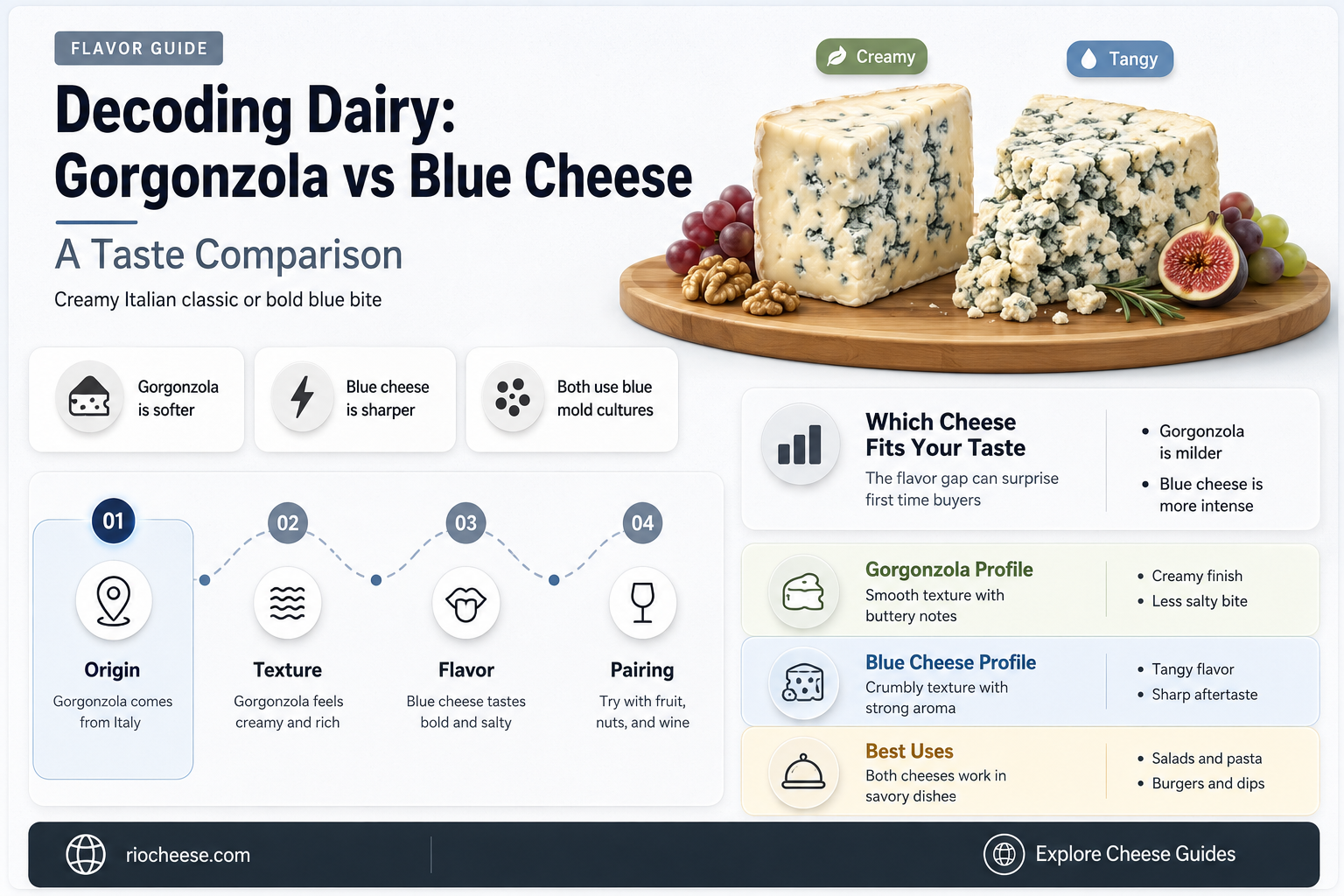
Gorgonzola cheese and blue cheese are often subjects of culinary curiosity due to their distinct appearances and flavors. While both cheeses are characterized by their blue or green veining, which is a result of mold growth, they possess unique differences that set them apart in the world of dairy. Gorgonzola, an Italian cheese, is known for its crumbly texture and sharp, tangy flavor, making it a popular choice for salads and pasta dishes. On the other hand, blue cheese, which encompasses a variety of cheeses such as Roquefort, Stilton, and Gorgonzola itself, is typically stronger in flavor and aroma, often used in dressings, sauces, and as a bold addition to cheese platters. The question of whether Gorgonzola is the same as blue cheese invites an exploration into the nuances of cheese production, regional variations, and the diverse culinary applications of these mold-ripened cheeses.
| Characteristics | Values |
|---|---|
| Type of Cheese | Both Gorgonzola and Blue Cheese are types of blue cheese. |
| Origin | Gorgonzola originates from Italy, while Blue Cheese has various origins including France (Roquefort), England (Stilton), and the United States. |
| Flavor Profile | Gorgonzola has a sharp, tangy, and slightly sweet flavor. Blue Cheese is known for its strong, pungent, and spicy taste. |
| Texture | Gorgonzola is typically crumbly and creamy. Blue Cheese can range from soft and creamy to hard and crumbly depending on the variety. |
| Color | Both cheeses have characteristic blue or green veins due to the mold Penicillium roqueforti or Penicillium glaucum. |
| Aging Process | Gorgonzola is aged for about 2-3 months. Blue Cheese aging varies, with some types aged for a few weeks to several months. |
| Fat Content | Gorgonzola generally has a higher fat content compared to many Blue Cheese varieties. |
| Uses in Cuisine | Gorgonzola is often used in Italian dishes like pasta and risotto. Blue Cheese is versatile and used in salads, dressings, and as a garnish. |
| Popularity | Blue Cheese is more widely recognized and consumed globally compared to Gorgonzola. |
| Production Method | Both cheeses involve the introduction of mold cultures during the cheese-making process, but the specific methods and molds differ. |
| Rind | Gorgonzola typically has a thin, edible rind. Blue Cheese rinds vary, with some being thick and inedible. |
| Aroma | Gorgonzola has a milder aroma compared to the strong, pungent smell of Blue Cheese. |
| Pairings | Gorgonzola pairs well with sweet wines like Moscato. Blue Cheese is often paired with strong, aged wines like Cabernet Sauvignon. |
| Nutritional Value | Both cheeses are high in protein and calcium but also high in fat and sodium. |
| Varieties | Gorgonzola has fewer varieties compared to Blue Cheese, which has numerous types like Roquefort, Stilton, and Gorgonzola itself. |
Explore related products


What You'll Learn
- Origin and Naming: Gorgonzola originates from Italy, while blue cheese is a broader term for cheeses with blue mold
- Mold Type: Both types of cheese use Penicillium mold, but the specific strains and cultivation methods differ
- Flavor Profile: Gorgonzola typically has a milder, creamier flavor compared to the sharper, more pungent taste of many blue cheeses
- Texture and Appearance: Gorgonzola is usually softer and has a more uniform blue vein distribution, whereas blue cheeses can vary in texture and veining
- Usage in Cuisine: Gorgonzola is often used in Italian dishes like pasta and risotto, while blue cheese is popular in salads, dressings, and as a standalone cheese

Origin and Naming: Gorgonzola originates from Italy, while blue cheese is a broader term for cheeses with blue mold
Gorgonzola cheese, a renowned Italian delicacy, traces its origins back to the town of Gorgonzola in Lombardy, Italy. This cheese is a type of blue cheese, characterized by the distinctive blue mold veins that run through it. However, it's essential to note that not all blue cheeses are Gorgonzola. Blue cheese is a broader category that encompasses various cheeses with blue mold, each with its unique flavor profile, texture, and production methods.
The naming of Gorgonzola is protected by a Denominazione di Origine Controllata (DOC) designation, which means that only cheeses produced in specific regions of Italy and adhering to strict production standards can be labeled as Gorgonzola. This designation ensures the cheese's authenticity and quality, preserving the traditional methods and ingredients used in its production.
In contrast, blue cheese is a term used internationally to describe cheeses with blue mold, regardless of their origin or production methods. This broader classification includes famous varieties such as Roquefort from France, Stilton from England, and Gorgonzola from Italy. Each of these cheeses has its unique characteristics, influenced by factors such as the type of milk used, the mold culture, and the aging process.
While Gorgonzola is a specific type of blue cheese, not all blue cheeses share the same flavor profile or production standards as Gorgonzola. The distinctiveness of Gorgonzola lies in its sharp, tangy flavor, crumbly texture, and the specific blue mold used in its production. Other blue cheeses may have milder or stronger flavors, creamier or firmer textures, and different mold patterns.
In summary, Gorgonzola is a specific variety of blue cheese with a protected designation of origin, ensuring its authenticity and adherence to traditional production methods. Blue cheese, on the other hand, is a broader term that encompasses various cheeses with blue mold, each with its unique characteristics and flavor profiles.
Exploring the Low FODMAP Diet: Is Blue Cheese a Suitable Choice?
You may want to see also
Explore related products


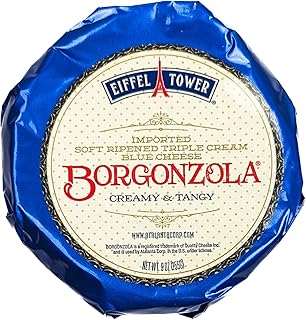

Mold Type: Both types of cheese use Penicillium mold, but the specific strains and cultivation methods differ
While both Gorgonzola and blue cheese belong to the broader category of blue cheeses and share the common characteristic of being inoculated with Penicillium mold, the specific strains of mold and the methods used to cultivate them are distinct. Gorgonzola, an Italian blue cheese, typically uses Penicillium gorgonzolae, a mold strain that imparts its signature sharp, tangy flavor and creamy texture. The mold is introduced into the cheese curds through a process called "inoculation," where the curds are pierced with stainless steel needles to allow the mold spores to penetrate and grow.
In contrast, other types of blue cheese, such as Roquefort, Stilton, or Danish blue cheese, use different strains of Penicillium mold, each contributing unique flavor profiles and textures. For instance, Roquefort uses Penicillium roqueforti, which gives it a more pungent and spicy taste compared to Gorgonzola. The cultivation methods for these molds also vary, with some cheeses using a surface inoculation technique where the mold is applied directly to the surface of the cheese, while others employ a more controlled environment to ensure consistent mold growth throughout the cheese.
The differences in mold strains and cultivation methods result in a diverse range of flavors, aromas, and textures among blue cheeses. Gorgonzola's creamy consistency and milder flavor make it a popular choice for salads, pasta dishes, and as a spread, while other blue cheeses with stronger flavors are often used more sparingly as a garnish or in recipes where a bold, pungent taste is desired. Understanding these distinctions can help cheese enthusiasts appreciate the unique qualities of each type of blue cheese and make informed choices when selecting cheeses for their culinary creations.
Mastering the Art of Crumbling Blue Cheese: A Gourmet's Guide
You may want to see also
Explore related products


Flavor Profile: Gorgonzola typically has a milder, creamier flavor compared to the sharper, more pungent taste of many blue cheeses
Gorgonzola cheese, a type of blue cheese, is known for its distinct flavor profile that sets it apart from other blue cheeses. While many blue cheeses are characterized by their sharp, pungent taste, Gorgonzola typically offers a milder, creamier flavor. This unique taste is a result of the specific mold cultures used in its production and the aging process, which is shorter compared to other blue cheeses. The mold in Gorgonzola, Penicillium roqueforti, contributes to its characteristic veining and imparts a less intense flavor than the molds used in cheeses like Roquefort or Stilton.
The creaminess of Gorgonzola is another key aspect of its flavor profile. This texture is achieved through the careful monitoring of moisture levels during the cheese-making process. The curds are drained but not pressed, allowing the cheese to retain a higher moisture content, which contributes to its smooth, spreadable consistency. This creaminess balances the mild blue cheese flavor, making Gorgonzola a versatile ingredient in various culinary applications.
In comparison to other blue cheeses, Gorgonzola's flavor is often described as more approachable and less overpowering. This makes it an excellent choice for those who enjoy the complexity of blue cheese but prefer a gentler taste. Its flavor profile also allows it to pair well with a wide range of foods, from fruits and nuts to meats and vegetables, making it a popular choice for cheese boards and salads.
When selecting Gorgonzola, it's important to note that there are different varieties, such as Gorgonzola Dolce and Gorgonzola Piccante, each with its own unique flavor intensity. Gorgonzola Dolce is the milder of the two, with a sweeter, creamier taste, while Gorgonzola Piccante has a stronger, more pungent flavor. Understanding these differences can help in choosing the right type of Gorgonzola for specific recipes or personal preferences.
In conclusion, Gorgonzola cheese stands out among blue cheeses for its milder, creamier flavor profile. This unique taste, combined with its versatility and range of varieties, makes it a beloved ingredient in many culinary traditions. Whether used in a simple cheese platter or as a key component in a gourmet dish, Gorgonzola offers a delightful experience for cheese enthusiasts and casual diners alike.
Unveiling the Truth: Is Blue Cheese Dressing Gluten-Free?
You may want to see also
Explore related products


Texture and Appearance: Gorgonzola is usually softer and has a more uniform blue vein distribution, whereas blue cheeses can vary in texture and veining
Gorgonzola cheese is renowned for its distinct texture and appearance, which sets it apart from other blue cheeses. One of the key characteristics of Gorgonzola is its creamy, soft consistency. This texture is achieved through a specific aging process that allows the cheese to develop a smooth, spreadable quality. In contrast, many blue cheeses can have a firmer, crumbly texture, which may vary depending on the type and aging process.
The blue veining in Gorgonzola is another notable feature. The veins are typically more uniform and evenly distributed throughout the cheese, giving it a consistent appearance. This uniformity is a result of the careful introduction of Penicillium mold during the cheese-making process. On the other hand, blue cheeses can exhibit a more erratic pattern of veining, with some areas having denser concentrations of blue mold while others may have less.
When comparing Gorgonzola to other blue cheeses, such as Roquefort or Stilton, the differences in texture and appearance become more pronounced. Roquefort, for example, has a stronger, more pungent flavor and a firmer texture, while Stilton is known for its crumbly consistency and sharp taste. Gorgonzola's milder flavor and softer texture make it a versatile ingredient in various culinary applications, from salads to pasta dishes.
In summary, Gorgonzola cheese is distinguished by its soft, creamy texture and uniform blue veining, which are the result of specific cheese-making techniques. These characteristics differentiate it from other blue cheeses, which can vary in texture and veining patterns. Understanding these differences can help consumers and chefs alike choose the right type of blue cheese for their specific needs and preferences.
Delicious Blue Cheese Olives: A Simple Stuffing Guide
You may want to see also
Explore related products
![Crumbled Gorgonzola is handcrafted with the freshest milk gathered daily from local farms, and aged 90 days in special caves. During this time, each wheel is pierced with small holes allowing air to penetrate, facilitating the growth of beneficial mold. This complex aging process gives Gorgonzola its full, earthy flavor, deep aroma and crumbly texture. [ 14 oz , 0.8 lb ]](https://m.media-amazon.com/images/I/51bd3ZuaYcL._AC_UL320_.jpg)


Usage in Cuisine: Gorgonzola is often used in Italian dishes like pasta and risotto, while blue cheese is popular in salads, dressings, and as a standalone cheese
Gorgonzola and blue cheese, while both members of the blue cheese family, have distinct culinary applications due to their unique flavors and textures. Gorgonzola, with its creamy consistency and milder blue cheese flavor, is a staple in Italian cuisine. It is often used in dishes like pasta and risotto, where its smooth texture can complement the richness of the sauces and the heartiness of the grains. In Italian cooking, Gorgonzola is also frequently paired with fruits like pears and apples, creating a delightful contrast of sweet and savory flavors.
On the other hand, blue cheese, known for its strong, pungent flavor and crumbly texture, is a popular choice in salads and dressings. Its bold taste can stand up to the freshness of leafy greens and the acidity of vinaigrettes. Blue cheese is also commonly served as a standalone cheese, often accompanied by crackers or bread, allowing its distinctive flavor to be fully appreciated. In some cuisines, blue cheese is used in desserts, such as blue cheese ice cream or blue cheese cheesecake, where its sharpness can cut through the sweetness.
While both cheeses can be used interchangeably in some recipes, their specific culinary uses highlight their individual characteristics. Gorgonzola's creamy texture makes it ideal for melting into sauces or spreading on bread, while blue cheese's crumbly texture is better suited for sprinkling over salads or crumbling into dressings. Understanding these differences can help chefs and home cooks alike make the most of each cheese's unique qualities in their culinary creations.
Discover the Best Spots to Buy Roka Blue Cheese Spread
You may want to see also
Frequently asked questions
Gorgonzola is a type of blue cheese, but not all blue cheeses are Gorgonzola. Gorgonzola is a specific variety that originates from Italy and has a distinct flavor and texture.
Gorgonzola cheese is made from cow's milk and is known for its crumbly texture and sharp, tangy flavor. It's typically aged for a shorter period than other blue cheeses, which contributes to its unique taste.
Yes, you can often substitute Gorgonzola for blue cheese in recipes, but keep in mind that the flavor and texture may be slightly different. Gorgonzola tends to be milder and less pungent than some other blue cheeses.
Gorgonzola cheese is versatile and can be used in a variety of dishes. It's often crumbled over salads, added to pasta sauces, or served as a topping for baked potatoes. It can also be used in dressings, dips, and as a garnish for various appetizers.