Frederic Melton
Raclette is a type of cheese that originates from the Alpine regions of Switzerland and France. It is traditionally made from cow's milk and is known for its creamy texture and rich, nutty flavor. The cheese is often enjoyed melted, particularly in the dish also called raclette, where it is heated and scraped over potatoes, bread, or other accompaniments. Raclette cheese is typically aged for a few months, which allows it to develop its distinctive taste and smooth consistency. Its popularity has spread beyond its native regions, making it a beloved ingredient in various cuisines around the world.
Explore related products
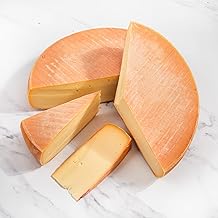


What You'll Learn
- Origin: Raclette cheese originates from the Swiss Alps, specifically the Valais region
- Texture and Flavor: It has a smooth, creamy texture and a mild, slightly nutty flavor
- Melting Properties: Raclette is known for its excellent melting qualities, making it ideal for grilling
- Traditional Uses: Traditionally served melted over potatoes, it's also used in sandwiches and salads
- Pairing Suggestions: Pairs well with white wines like Chardonnay or Sauvignon Blanc, and fruits like apples

Origin: Raclette cheese originates from the Swiss Alps, specifically the Valais region
Raclette cheese has a rich history that traces back to the Swiss Alps, specifically the Valais region. This area is known for its picturesque landscapes and traditional cheese-making practices. The name "raclette" is derived from the French word "racler," which means "to scrape." This refers to the traditional method of serving the cheese, where it is heated and then scraped onto bread or potatoes.
The Valais region has a unique climate and geography that contribute to the distinct flavor of raclette cheese. The cows that produce the milk for this cheese graze on the lush, alpine pastures during the summer months. This diet of fresh grass and herbs gives the milk a rich, complex flavor that is characteristic of raclette.
Raclette cheese is typically made from cow's milk and is aged for at least three months. During this time, it develops a firm texture and a nutty, slightly sweet flavor. The cheese is often served melted, either on its own or as part of a raclette dish, which typically includes potatoes, bread, and various meats and vegetables.
In addition to its delicious taste, raclette cheese also has some nutritional benefits. It is a good source of protein, calcium, and vitamin B12. However, it is also high in fat and calories, so it should be consumed in moderation.
Overall, raclette cheese is a unique and flavorful cheese that has a rich history and cultural significance in the Swiss Alps. Its distinct taste and texture make it a popular choice for cheese lovers around the world.
Exploring the Richness of Gouda: A Cheese Lover's Delight
You may want to see also
Explore related products


Texture and Flavor: It has a smooth, creamy texture and a mild, slightly nutty flavor
Raclette cheese is renowned for its exceptionally smooth and creamy texture, which is a result of its high fat content and the specific aging process it undergoes. When melted, it achieves a velvety consistency that is perfect for draping over potatoes, vegetables, or bread. The mild, slightly nutty flavor of raclette is subtle yet distinctive, making it a versatile cheese that can complement a wide range of dishes without overpowering them. Its flavor profile is developed through a careful aging process that typically lasts for at least four months, during which time the cheese is regularly turned and brushed to promote even ripening and the development of its characteristic taste.
The texture of raclette is one of its most defining features, and it is this quality that makes it particularly well-suited for melting. When heated, the cheese becomes soft and pliable, allowing it to be easily spread or poured over food. This is in contrast to some other types of cheese, which may become stringy or rubbery when melted. The smoothness of raclette is also evident when eaten cold, as it glides effortlessly across the palate, leaving a rich and satisfying mouthfeel.
In terms of flavor, raclette is often described as having a mild, slightly nutty taste with hints of earthiness and a touch of saltiness. This flavor profile is developed through the aging process, during which the cheese is exposed to various microorganisms and enzymes that contribute to its unique taste. The nuttiness of raclette is particularly pronounced when the cheese is melted, as the heat helps to release the volatile compounds responsible for this flavor.
Raclette's texture and flavor make it an excellent choice for a variety of culinary applications. It is commonly used in traditional Swiss raclette dishes, where it is melted in a special pan and served with boiled potatoes, pickles, and onions. However, its versatility extends beyond this classic preparation, and it can also be used in sandwiches, salads, and even as a topping for pizzas. The cheese's mild flavor allows it to pair well with a wide range of ingredients, from savory meats and vegetables to sweet fruits and nuts.
In conclusion, the texture and flavor of raclette cheese are two of its most distinctive and appealing characteristics. Its smooth, creamy texture and mild, slightly nutty flavor make it a versatile and delicious addition to a wide range of dishes, and its unique qualities set it apart from other types of cheese. Whether melted or eaten cold, raclette is a cheese that is sure to delight the senses and add a touch of elegance to any meal.
Unraveling the Mystery: What Makes Cheese Stringy?
You may want to see also
Explore related products


Melting Properties: Raclette is known for its excellent melting qualities, making it ideal for grilling
Raclette cheese boasts exceptional melting properties, which make it a top choice for grilling enthusiasts. Its ability to melt smoothly and evenly without burning or becoming too greasy sets it apart from other cheeses. This characteristic is due to its high moisture content and the specific blend of proteins and fats, which allow it to liquefy beautifully when exposed to heat. As a result, raclette is often used in dishes that require a creamy, melted cheese texture, such as grilled sandwiches, cheese platters, and fondue.
The melting point of raclette is relatively low compared to other cheeses, typically ranging between 150°F to 180°F (65°C to 82°C). This means it can be easily melted over a grill or in an oven without losing its flavor or becoming too rubbery. When melted, raclette develops a rich, slightly nutty flavor that complements a variety of ingredients, from meats and vegetables to breads and crackers. Its smooth, velvety texture also makes it an excellent choice for coating or draping over foods, providing a luxurious mouthfeel.
One of the key benefits of using raclette for grilling is its ability to create a perfect, golden-brown crust when broiled. This is due to the Maillard reaction, a chemical process that occurs when proteins and sugars in the cheese are exposed to high heat, resulting in a complex, savory flavor and a crispy texture. To achieve this effect, it's important to use a high-quality raclette cheese and to monitor the heat carefully to prevent burning.
In addition to its melting properties, raclette is also known for its versatility. It can be used in a variety of dishes, from appetizers to main courses, and pairs well with a range of flavors and ingredients. Its mild, slightly sweet flavor makes it an excellent choice for those who prefer a less pungent cheese, while its melting qualities make it a favorite among cheese connoisseurs.
When selecting raclette cheese for grilling, it's important to choose a product that is specifically labeled as "raclette" or "grilling cheese." This ensures that the cheese has the optimal melting properties and flavor profile for grilling. It's also a good idea to experiment with different brands and varieties to find the one that best suits your taste preferences and cooking style.
In conclusion, raclette cheese is a superior choice for grilling due to its excellent melting properties, rich flavor, and versatility. Whether you're using it to create a gooey grilled sandwich, a decadent cheese platter, or a perfectly broiled crust, raclette is sure to impress with its smooth, velvety texture and delicious taste.
Discover Your Cheesy Personality: A Fun Guide to Matching Your Mood with the Perfect Cheese
You may want to see also
Explore related products


Traditional Uses: Traditionally served melted over potatoes, it's also used in sandwiches and salads
Raclette cheese, with its rich and creamy texture, has been a staple in Alpine cuisine for centuries. Traditionally, it is served melted over potatoes, creating a comforting and hearty dish that is perfect for cold winter evenings. The cheese is typically heated using a special raclette grill or pan, which allows it to melt evenly and develop a slightly crispy exterior. This traditional serving method not only enhances the flavor of the cheese but also provides a unique and interactive dining experience, as diners can scrape the melted cheese directly onto their potatoes.
In addition to its classic pairing with potatoes, raclette cheese has also found its way into a variety of other dishes. Sandwiches, for example, can be elevated by the addition of melted raclette, which adds a luxurious and indulgent touch. The cheese's mild flavor and smooth texture make it an excellent choice for grilled cheese sandwiches, paninis, or even as a topping for burgers. Salads, too, can benefit from the inclusion of raclette cheese, as its creamy consistency and subtle nuttiness can complement a wide range of fresh greens and vegetables. When added to salads, raclette cheese is often grated or thinly sliced, allowing it to melt slightly and coat the other ingredients with its rich flavor.
Beyond its traditional uses, raclette cheese has also become popular in modern culinary applications. Chefs and home cooks alike have discovered the versatility of this cheese, using it in everything from pasta dishes and casseroles to pizzas and fondue. Its ability to melt smoothly and evenly makes it an ideal choice for dishes that require a creamy, gooey texture. Additionally, raclette cheese can be used as a table cheese, served alongside crackers, fruits, and nuts for a sophisticated and elegant appetizer platter.
When it comes to pairing raclette cheese with other ingredients, its mild flavor and creamy texture make it a versatile choice. It pairs well with a variety of wines, particularly white wines such as Chardonnay or Sauvignon Blanc, as well as with beers like pilsners and lagers. For a more indulgent experience, raclette cheese can be paired with rich and full-bodied red wines like Cabernet Sauvignon or Merlot. In terms of accompaniments, raclette cheese is often served with pickles, olives, and cured meats, which provide a nice contrast to its rich and creamy flavor.
In conclusion, raclette cheese is a versatile and delicious ingredient that can be used in a wide range of dishes, from traditional Alpine cuisine to modern culinary creations. Its rich flavor, creamy texture, and ability to melt smoothly make it an ideal choice for a variety of applications, whether it's served melted over potatoes, in sandwiches and salads, or as part of a sophisticated cheese platter.
Exploring Eden Cheese: A Comprehensive Guide to Its Unique Qualities
You may want to see also
Explore related products




Pairing Suggestions: Pairs well with white wines like Chardonnay or Sauvignon Blanc, and fruits like apples
Raclette cheese, with its rich and creamy texture, pairs exceptionally well with a variety of accompaniments. When it comes to wine pairings, white wines like Chardonnay and Sauvignon Blanc are excellent choices. The crisp acidity and fruity notes of these wines complement the savory and slightly nutty flavors of raclette, creating a harmonious balance on the palate. For a more adventurous pairing, consider a light-bodied red wine like Pinot Noir, which can also enhance the cheese's flavors without overpowering them.
In addition to wine, raclette cheese can be paired with a selection of fruits to elevate the tasting experience. Apples, with their sweet and tart flavors, are a classic pairing that can cut through the richness of the cheese. Other fruits like pears, grapes, and figs can also provide a delightful contrast, adding freshness and a touch of sweetness to the dish. When serving raclette with fruits, it's best to choose varieties that are firm and crisp, as they can hold their own against the cheese's creamy texture.
To create a well-rounded raclette platter, consider including a mix of both wine and fruit pairings. This will allow guests to experiment with different flavor combinations and find their perfect match. Additionally, you can enhance the platter by adding other complementary items like crackers, nuts, and honey, which can further accentuate the cheese's flavors and provide a variety of textures.
When hosting a raclette party, it's important to consider the serving temperature of both the cheese and the wine. Raclette cheese is best served warm, as this allows its flavors to fully develop and its texture to become even creamier. White wines like Chardonnay and Sauvignon Blanc are typically served chilled, while light-bodied red wines like Pinot Noir can be served slightly cooler than room temperature. By paying attention to these details, you can ensure that your raclette platter is a hit with guests and provides a memorable tasting experience.
Exploring the Spicy World of Pepper Jack Cheese
You may want to see also
Frequently asked questions
Raclette is a type of cheese that originates from the Alpine regions of Switzerland and France. It is known for its creamy texture and mild, slightly nutty flavor.
Raclette cheese is traditionally served melted and scraped over potatoes, but it can also be enjoyed on its own, in sandwiches, or as part of a cheese platter.
Raclette cheese can be used in a variety of dishes, such as raclette sandwiches, raclette-stuffed mushrooms, raclette-topped burgers, and even raclette fondue.