Randy Chandler
Elote, a popular Mexican street food, typically features a variety of toppings, including cheese. The cheese used on elote is often cotija, a crumbly, salty cheese that adds a rich flavor to the dish. Cotija cheese is made from cow's milk and is known for its firm texture and tangy taste, which complements the sweet and smoky flavors of the grilled corn. While other cheeses like queso fresco or even cheddar can sometimes be used as alternatives, cotija remains the traditional and most favored choice for elote enthusiasts.
Explore related products


What You'll Learn
- Traditional Mexican Cheeses: Explore authentic options like Oaxaca, Cotija, or Queso Fresco commonly used on elote
- Melting Properties: Discover which cheeses melt best, creating that perfect, gooey texture on your elote
- Flavor Profiles: Learn about the different taste profiles, from mild and creamy to sharp and tangy, that complement elote
- Cheese Alternatives: Find out about non-dairy or vegan cheese options that can be used on elote for dietary preferences
- Regional Variations: Uncover how different regions in Mexico and beyond customize their elote with unique cheese choices

Traditional Mexican Cheeses: Explore authentic options like Oaxaca, Cotija, or Queso Fresco commonly used on elote
Elote, the beloved Mexican street corn, is often garnished with a variety of cheeses that add a rich, creamy texture and a burst of flavor to this classic dish. Among the most traditional options are Oaxaca, Cotija, and Queso Fresco, each bringing its unique characteristics to the table.
Oaxaca cheese, also known as "Queso Oaxaca," is a stringy, white cheese that melts beautifully when heated. It's made from cow's milk and is often compared to mozzarella due to its similar texture. When used on elote, Oaxaca cheese creates a delightful contrast between the warm, gooey cheese and the smoky, grilled corn.
Cotija cheese, on the other hand, is a crumbly, salty cheese that adds a tangy kick to elote. Made from cow's milk, Cotija is often referred to as the "Parmesan of Mexico" because of its sharp, salty flavor and its ability to add depth to a variety of dishes. When sprinkled on top of elote, Cotija cheese provides a satisfying crunch and a burst of savory flavor.
Queso Fresco, which translates to "fresh cheese," is a soft, moist cheese that's also made from cow's milk. It has a mild, slightly tangy flavor and a crumbly texture that makes it a popular choice for elote. When used as a topping, Queso Fresco adds a creamy, refreshing element to the dish, balancing out the smoky flavors of the grilled corn.
In addition to these traditional options, other cheeses like Chihuahua, Poblano, and Asadero can also be used on elote, each offering its own unique flavor profile and texture. However, when it comes to authenticity, Oaxaca, Cotija, and Queso Fresco are the go-to choices for many Mexicans and food enthusiasts alike.
When selecting cheese for elote, it's important to consider the flavor profile and texture you're aiming for. Do you want a creamy, melty cheese like Oaxaca, or a crumbly, salty cheese like Cotija? Perhaps you're looking for something in between, like Queso Fresco. Experimenting with different cheeses can help you find the perfect combination for your taste preferences.
In conclusion, traditional Mexican cheeses like Oaxaca, Cotija, and Queso Fresco are essential components of elote, adding a rich, creamy texture and a burst of flavor to this classic dish. By exploring these authentic options, you can elevate your elote game and experience the true taste of Mexico.
Melty, Gooey, and Irresistible: The Raclette Cheese Experience
You may want to see also
Explore related products


Melting Properties: Discover which cheeses melt best, creating that perfect, gooey texture on your elote
Cheeses with high moisture content and lower melting points are ideal for achieving that coveted gooey texture on your elote. Look for cheeses like Oaxaca, which is a popular choice in Mexican cuisine and melts beautifully, or mozzarella, which is known for its excellent melting properties. These cheeses will create a smooth, stretchy texture that complements the smoky flavor of the grilled corn.
When selecting a cheese for your elote, consider the fat content as well. Cheeses with higher fat content tend to melt more smoothly and evenly, resulting in a richer, creamier texture. However, be mindful of the overall calorie and fat content of your dish, as high-fat cheeses can also be high in calories.
The melting process itself is crucial for achieving the perfect texture. Start by grating or thinly slicing your cheese of choice. This will help it melt more evenly and quickly. When grilling your elote, wait until the corn is almost fully cooked before adding the cheese. This will allow the cheese to melt slowly and evenly, without burning or becoming too greasy.
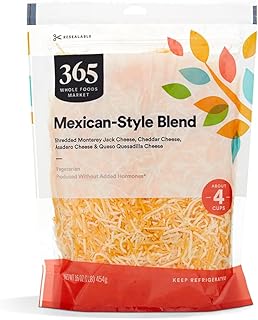
Experiment with different cheese combinations to find your perfect match. Some popular pairings include Oaxaca and mozzarella, or cheddar and Monterey Jack. Don't be afraid to try new and unique combinations to create a signature elote that's all your own.
Remember, the key to achieving that perfect, gooey texture is to choose the right cheese and to melt it properly. With a little practice and experimentation, you'll be able to create an elote that's sure to impress.
Unveiling Subway's Cheese Selection: A Comprehensive Guide
You may want to see also
Explore related products


Flavor Profiles: Learn about the different taste profiles, from mild and creamy to sharp and tangy, that complement elote
Elote, a popular Mexican street food, is known for its versatility in flavor profiles. The cheese used on elote plays a crucial role in enhancing its taste. Mild and creamy cheeses, such as Oaxaca or mozzarella, provide a smooth texture and subtle flavor that complements the natural sweetness of the corn. These cheeses melt easily, creating a luscious coating that doesn't overpower the other ingredients.
On the other hand, sharp and tangy cheeses like cotija or feta add a bold, salty kick to the elote. These cheeses are often crumbled on top, providing a contrasting texture to the soft corn. The acidity in these cheeses cuts through the richness of the mayonnaise and spices, creating a balanced and complex flavor profile.
When choosing a cheese for elote, it's essential to consider the overall flavor profile you want to achieve. If you prefer a milder taste, opt for a creamy cheese that will blend seamlessly with the other ingredients. However, if you want to add a tangy twist, a sharper cheese will elevate the dish to a new level. Experimenting with different cheese combinations can also lead to exciting and unique flavor profiles that will make your elote stand out.
In addition to the type of cheese, the amount used is also crucial. Too much cheese can overwhelm the other flavors, while too little may not provide the desired impact. A general rule of thumb is to use about 1-2 tablespoons of crumbled cheese or 1-2 slices of melted cheese per ear of corn. This amount allows the cheese to enhance the elote without overpowering it.
Ultimately, the choice of cheese for elote comes down to personal preference and the desired flavor profile. Whether you opt for a mild and creamy cheese or a sharp and tangy one, the key is to find a balance that complements the other ingredients and creates a delicious and satisfying dish.
Exploring the Richness of Gouda: A Cheese Lover's Delight
You may want to see also
Explore related products


Cheese Alternatives: Find out about non-dairy or vegan cheese options that can be used on elote for dietary preferences
For those who follow a vegan diet or have lactose intolerance, traditional cheese may not be an option. Fortunately, there are several non-dairy cheese alternatives that can be used on elote to cater to these dietary preferences. Vegan cheese options are made from plant-based ingredients such as nuts, seeds, and soy, and are designed to mimic the taste and texture of dairy cheese. Some popular vegan cheese brands include Daiya, Follow Your Heart, and Kite Hill. When choosing a vegan cheese for elote, it's important to consider the melting properties and flavor profile of the cheese, as well as any potential allergens.
One of the most common non-dairy cheese alternatives is soy cheese. Soy cheese is made from soybeans and is a good option for those who are lactose intolerant or vegan. It has a similar texture to dairy cheese and can be melted easily, making it a great choice for elote. Another option is almond cheese, which is made from almonds and has a nutty flavor. Almond cheese is also a good choice for those who are lactose intolerant or vegan, and it can be melted easily for use on elote.
Coconut cheese is another non-dairy cheese alternative that can be used on elote. It is made from the meat of coconuts and has a mild, slightly sweet flavor. Coconut cheese is a good option for those who are lactose intolerant or vegan, and it can be melted easily for use on elote. One thing to keep in mind when using coconut cheese is that it can be quite high in fat, so it's important to use it in moderation.
For those who are looking for a more traditional cheese flavor, there are also several non-dairy cheese alternatives that are designed to mimic the taste of specific types of dairy cheese. For example, there are vegan cheddar cheeses, vegan mozzarella cheeses, and even vegan blue cheeses. These cheeses are made from a variety of plant-based ingredients and are designed to provide a similar taste and texture to their dairy counterparts.
When using non-dairy cheese alternatives on elote, it's important to keep in mind that the melting properties may be different from those of dairy cheese. Some vegan cheeses may not melt as easily or as smoothly as dairy cheese, so it's important to experiment with different brands and types to find the one that works best for you. Additionally, it's important to consider any potential allergens when choosing a non-dairy cheese alternative, as some may contain ingredients such as nuts or soy that could cause an allergic reaction in some individuals.
Delving into the Cheesy Delight: What's Inside a Cheese Danish?
You may want to see also
Explore related products


Regional Variations: Uncover how different regions in Mexico and beyond customize their elote with unique cheese choices
In the heart of Mexico City, elote vendors often reach for Cotija cheese, a crumbly, salty delight that adds a tangy contrast to the sweet corn. This choice is not just a matter of taste; it's a tradition that dates back generations, with each vendor adding their own twist to the recipe. Some might sprinkle a bit of chili powder or lime juice, while others might offer a side of Tajín seasoning for customers to customize their snack further.
Moving south to the state of Oaxaca, the cheese of choice for elote takes on a different character. Here, vendors favor Oaxaca cheese, a stringy, mozzarella-like variety that melts beautifully over the grilled corn. This cheese is often combined with a drizzle of mole sauce, a complex blend of chocolate, spices, and chilies that is a staple of Oaxacan cuisine. The result is a rich, indulgent treat that is as much a comfort food as it is a street snack.
Across the border in the United States, elote has gained popularity in areas with large Mexican-American populations. In cities like Los Angeles and Houston, vendors have put their own spin on the dish by using cheeses like cheddar or Monterey Jack. These melts offer a milder flavor profile that appeals to a broader audience, while still maintaining the essence of the traditional elote.
In the coastal regions of Mexico, particularly in places like Puerto Vallarta and Cancun, elote is often served with a side of seafood. Vendors might top the corn with a sprinkle of grated Parmesan or Romano cheese, adding a savory depth that complements the briny flavors of the ocean. This combination is a testament to the versatility of elote, showcasing how it can be adapted to suit local tastes and ingredients.
The beauty of elote lies in its simplicity and its ability to be customized. Whether it's the salty Cotija of Mexico City, the stringy Oaxaca cheese of the south, or the melted cheddar of the United States, each region puts its own unique stamp on this beloved street food. And as elote continues to spread across the globe, it's exciting to see how different cultures will interpret and adapt this simple yet delicious dish.
The Perfect Patty Melt: A Cheesy Guide to Bliss
You may want to see also
Frequently asked questions
The cheese most commonly used on elote is cotija cheese, a crumbly, salty Mexican cheese.
Yes, other cheeses like queso fresco, Monterey Jack, or even a mild cheddar can be used as alternatives, though they will change the flavor profile.
Cotija cheese is significant because it adds a distinct salty and tangy flavor that complements the sweetness of the corn and the other toppings typically found on elote.
The cheese is usually crumbled or grated over the top of the elote after it has been cooked and seasoned, allowing it to slightly melt and adhere to the corn.
Yes, the choice of cheese can significantly affect the overall taste of elote, as different cheeses have varying levels of saltiness, creaminess, and flavor intensity.