Patrick Oconnell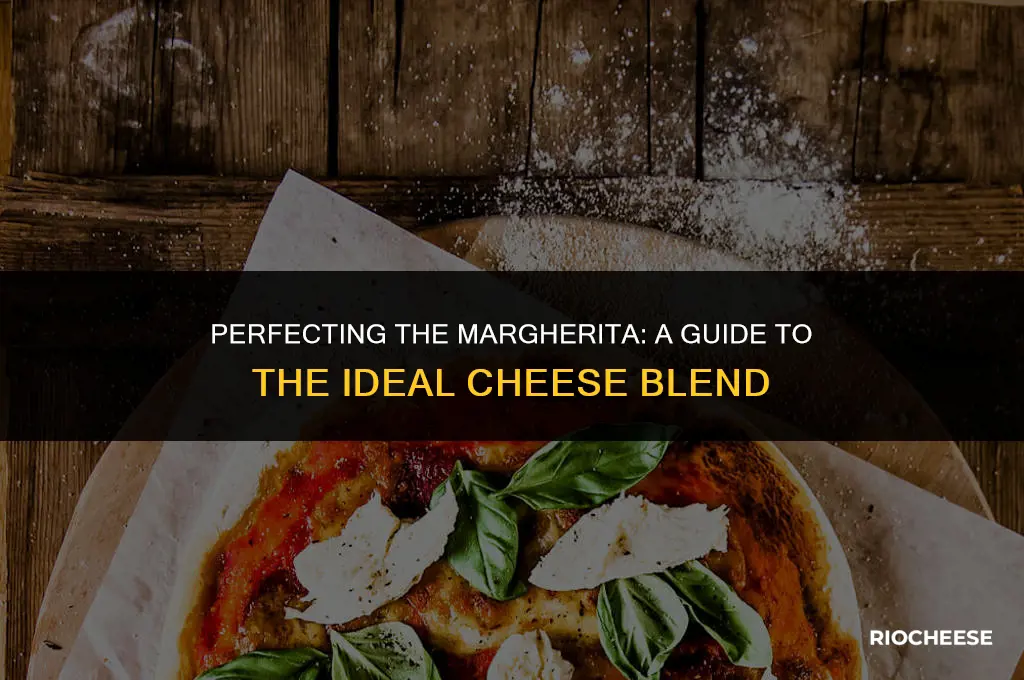
When it comes to crafting the perfect Margherita pizza, the choice of cheese is paramount. The traditional and most widely accepted cheese for this classic Italian pizza is fresh mozzarella. Its creamy texture and mild flavor perfectly complement the sweet San Marzano tomatoes and fragrant basil leaves that are hallmarks of the Margherita. Fresh mozzarella, particularly the buffalo variety, is prized for its superior melting qualities and the way it stretches invitingly with each bite. While other cheeses like provolone or fontina can be used in a pinch, they lack the distinctive characteristics that make mozzarella the go-to choice for an authentic Margherita pizza experience.
Explore related products




What You'll Learn
- Traditional Mozzarella: The classic choice for Margherita pizza, providing a creamy texture and mild flavor
- Buffalo Mozzarella: A softer, more delicate mozzarella that adds a touch of luxury and richness
- Provolone: A slightly sharper cheese that melts well and adds a bit of tanginess
- Fontina: Known for its nutty flavor and excellent melting properties, enhancing the pizza's taste
- Gouda: A versatile cheese with a smooth texture and mild flavor, offering a unique twist

Traditional Mozzarella: The classic choice for Margherita pizza, providing a creamy texture and mild flavor
Traditional Mozzarella is the quintessential cheese for Margherita pizza, revered for its creamy texture and mild flavor that perfectly complements the simplicity of this classic Italian dish. Made from cow's milk, this cheese is known for its excellent melting properties, which create a smooth, stretchy layer on top of the pizza. When heated, Traditional Mozzarella releases a subtle, milky aroma that enhances the overall sensory experience of the Margherita pizza.
One of the key characteristics of Traditional Mozzarella is its moisture content, which is higher than that of many other cheeses. This moisture contributes to the cheese's ability to melt evenly and creates a luscious, creamy mouthfeel when bitten into. The mild flavor of Traditional Mozzarella allows it to blend seamlessly with the other ingredients on a Margherita pizza, such as the tangy tomato sauce and the fragrant basil leaves, without overpowering them.
In addition to its taste and texture, Traditional Mozzarella also plays a crucial role in the visual appeal of a Margherita pizza. When melted, the cheese forms a golden-brown crust in certain areas, adding a delightful contrast to the vibrant red of the tomato sauce and the bright green of the basil. This combination of colors is not only appetizing but also reflects the traditional Italian flag, making the Margherita pizza a patriotic dish as well as a culinary delight.
For those looking to recreate an authentic Margherita pizza at home, it is essential to use high-quality Traditional Mozzarella. This cheese can be found in most grocery stores and is often sold in large, round balls or in smaller, pre-shredded packages. When selecting Traditional Mozzarella, look for a cheese that is firm yet slightly springy to the touch, with a smooth, white rind. To achieve the best results, grate the cheese just before using it, as freshly grated Mozzarella will melt more evenly and provide a better texture.
In conclusion, Traditional Mozzarella is the ideal cheese for Margherita pizza due to its creamy texture, mild flavor, and excellent melting properties. Its ability to complement the other ingredients without overpowering them, as well as its contribution to the visual appeal of the dish, makes it an indispensable component of this beloved Italian classic.
Exploring the Perfect Cheese for Fettuccine Alfredo: A Culinary Journey
You may want to see also
Explore related products
![Fresh Sliced Mozzarella Cheese , Made from fresh local cow's milk just a few hours after milking, award-winning Fresh Sliced Mozzarella Cheese is a delicate, mild-flavored mozzarella with a soft smooth texture and white porcelain appearance. Easily sliced or cubed, it's perfect for use in sandwiches, fresh salads or pasta dishes. [ 32 oz , 2 lb ] 4 pk.](https://m.media-amazon.com/images/I/51E9gSpasaL._AC_UL320_.jpg)


Buffalo Mozzarella: A softer, more delicate mozzarella that adds a touch of luxury and richness
Buffalo mozzarella, with its soft and delicate texture, is a premium choice for Margherita pizza. This cheese, made from the milk of water buffalo, offers a rich and creamy flavor that elevates the classic pizza to new heights. Its higher moisture content compared to regular mozzarella results in a luscious melt that complements the fresh tomatoes and basil perfectly.
When using buffalo mozzarella on a Margherita pizza, it's essential to consider the balance of flavors. The cheese's mild, slightly tangy taste should harmonize with the acidity of the tomatoes and the aromatic freshness of the basil. To achieve this balance, use a light hand when seasoning the pizza, allowing the natural flavors of the ingredients to shine through.
In terms of preparation, buffalo mozzarella requires a gentle approach. Due to its soft texture, it's best to slice it just before assembling the pizza to prevent it from becoming too soggy. Additionally, be cautious not to overload the pizza with cheese, as buffalo mozzarella's high moisture content can make the crust soggy if used in excess.
One of the key benefits of using buffalo mozzarella is its ability to add a touch of luxury to a simple dish. Its unique flavor profile and creamy texture make it a standout ingredient that can transform a basic Margherita pizza into a gourmet experience. Whether you're serving it at a dinner party or enjoying it at a high-end restaurant, buffalo mozzarella is sure to impress.
In conclusion, buffalo mozzarella is an excellent choice for Margherita pizza, offering a soft, delicate texture and a rich, creamy flavor that enhances the overall taste. By using it judiciously and balancing it with fresh tomatoes and basil, you can create a truly exceptional pizza that showcases the unique qualities of this premium cheese.
Exploring the Perfect Cheese Match for Green Enchiladas
You may want to see also
Explore related products
![Low Moisture Part-Skim Mozzarella String Cheese , Each individually wrapped stick offers a delicious, convenient way to get your daily dose of dairy, made from part-skim milk for a satisfying and wholesome treat. Ideal for lunchboxes, on-the-go snacking, or a protein-packed addition to your favorite meals [ 32 oz , 2 lb ]](https://m.media-amazon.com/images/I/515Cat0ZCHL._AC_UL320_.jpg)


![Fresh Mozzarella Cheese is a delicate, mild-flavored mozzarella with a soft smooth texture and white porcelain appearance. Easily sliced or cubed, it's perfect for use in sandwiches, fresh salads or pasta dishes. [ 24 oz , 1.5 lb ]](https://m.media-amazon.com/images/I/51K+bTgDS+L._AC_UL320_.jpg)

Provolone: A slightly sharper cheese that melts well and adds a bit of tanginess
Provolone cheese, known for its slightly sharper flavor profile, is an excellent choice for Margherita pizza due to its exceptional melting properties and the tangy taste it imparts. This Italian cheese, originating from the Campania region, is traditionally made from cow's milk and aged for a few months, which contributes to its distinctive flavor and texture. When melted on a Margherita pizza, Provolone creates a smooth, creamy layer that complements the fresh mozzarella and tomato sauce without overpowering them.
One of the key benefits of using Provolone on Margherita pizza is its ability to add depth to the overall flavor without introducing an overwhelming sharpness. This is particularly important in a classic Margherita, where the balance between the mild mozzarella, the bright tomato sauce, and the fresh basil is crucial. Provolone's subtle tanginess enhances the other ingredients rather than competing with them, making it an ideal addition for those looking to elevate their pizza game.
In terms of melting, Provolone performs exceptionally well, creating a gooey, stretchy texture that is highly desirable in a good pizza. Its high moisture content and excellent meltability make it a popular choice for pizza enthusiasts who enjoy a cheese that pulls satisfyingly when taking a bite. Additionally, Provolone's smooth melt ensures that it integrates seamlessly with the other toppings, providing a consistent flavor experience in every bite.
When using Provolone on Margherita pizza, it's important to consider the ratio of Provolone to mozzarella. A good starting point is to use about 20-30% Provolone and 70-80% mozzarella. This ratio allows the Provolone to add its unique flavor and texture without overpowering the delicate balance of the Margherita. Experimenting with different ratios can help find the perfect blend for individual taste preferences.
In conclusion, Provolone cheese is a versatile and flavorful addition to Margherita pizza, offering a slightly sharper taste and excellent melting properties that enhance the overall pizza experience. Its ability to complement the other ingredients without overpowering them makes it a valuable choice for pizza enthusiasts looking to add a bit of tanginess to their classic Margherita.
Egg-cellent Pairings: A Guide to Cheesy Eggplant Permissions
You may want to see also
Explore related products
![Low Moisture Part-Skim Mozzarella String Cheese , Each individually wrapped stick offers a delicious, convenient way to get your daily dose of dairy, made from part-skim milk for a satisfying and wholesome treat. Ideal for lunchboxes, on-the-go snacking, or a protein-packed addition to your favorite meals [ 32 oz , 2 lb ]](https://m.media-amazon.com/images/I/51CnFOHJspL._AC_UL320_.jpg)


Fontina: Known for its nutty flavor and excellent melting properties, enhancing the pizza's taste
Fontina cheese, with its rich nutty flavor and superb melting qualities, is an excellent choice for enhancing the taste of a Margherita pizza. This Italian cheese, originating from the Aosta Valley, is traditionally made from cow's milk and aged for at least three months, developing its distinctive taste and texture. When melted, Fontina becomes creamy and slightly oily, which complements the fresh, simple ingredients of a Margherita pizza perfectly.
One of the key benefits of using Fontina on a Margherita pizza is its ability to add depth to the flavor profile without overpowering the other ingredients. Its nutty notes harmonize with the sweetness of the tomatoes and the freshness of the basil, creating a balanced and satisfying taste experience. Additionally, Fontina's excellent melting properties ensure that it distributes evenly across the pizza, providing a consistent texture in every bite.
To make the most of Fontina's unique characteristics, it's important to use it in the right proportion. Too much cheese can make the pizza greasy and heavy, while too little may not provide enough flavor impact. A good rule of thumb is to use about 1/4 to 1/3 cup of shredded Fontina per pizza, depending on personal preference and the size of the pizza. It's also beneficial to combine Fontina with a small amount of another cheese, such as mozzarella, to achieve the perfect melt and stretch.
When preparing a Margherita pizza with Fontina, it's crucial to preheat the oven to the correct temperature, typically around 475°F (245°C), to ensure that the cheese melts properly and the crust becomes crispy. The pizza should be baked for about 10-12 minutes, or until the cheese is melted and bubbly, and the crust is golden brown.
In conclusion, Fontina cheese is a fantastic addition to a Margherita pizza, offering a unique flavor and texture that elevates the overall taste experience. By using it in the right proportion and combining it with other cheeses, pizza enthusiasts can create a delicious and satisfying meal that showcases the best qualities of this versatile Italian cheese.
Elevate Your Lamb Burgers: A Cheese Lover's Guide to Perfection
You may want to see also
Explore related products


![Mozzarella Shreds Shredded Cheese , Dairy-Free Vegan , is 100% dairy-free so you can indulge in all of life’s joyful, cheesy moments. Bake it to perfection on top of vegan pizza or in non-dairy quesadillas. [ 16 oz , 1 lb ]](https://m.media-amazon.com/images/I/41mXQvNgzbL._AC_UL320_.jpg)

Gouda: A versatile cheese with a smooth texture and mild flavor, offering a unique twist
Gouda cheese, known for its smooth texture and mild flavor, offers a unique twist when used as a topping on Margherita pizza. This Dutch cheese, traditionally aged for several months, provides a creamy and slightly sweet taste that complements the tangy tomato sauce and fresh basil leaves. Unlike the more common mozzarella, which melts into a stretchy, gooey consistency, Gouda retains its shape and adds a distinct, rich flavor profile to the pizza.
One of the key benefits of using Gouda on Margherita pizza is its versatility. Depending on the age of the Gouda, it can range from mild and creamy to sharp and tangy, allowing for customization based on personal taste preferences. Younger Goudas, such as Gouda Jonge, will provide a milder flavor, while older Goudas, like Gouda Oud, will offer a more pronounced taste. This versatility makes Gouda an excellent choice for those looking to experiment with different flavor combinations on their Margherita pizza.
In terms of preparation, using Gouda on Margherita pizza is relatively straightforward. Simply slice the Gouda into thin pieces and distribute them evenly across the pizza dough, ensuring that they do not overlap too much. This will allow the cheese to melt uniformly and prevent any areas from becoming too greasy. As the pizza bakes, the Gouda will melt slightly, creating a smooth, velvety texture that contrasts beautifully with the crisp crust and juicy tomato sauce.
When it comes to pairing Gouda with other ingredients on Margherita pizza, the possibilities are endless. For a classic Margherita, stick with the traditional tomato sauce, fresh basil, and a drizzle of olive oil. However, for those looking to add a bit more complexity, consider incorporating other toppings such as caramelized onions, roasted garlic, or even a sprinkle of red pepper flakes. The mild flavor of Gouda will not overpower these additional ingredients, allowing them to shine through while still providing a rich, creamy base.
In conclusion, Gouda cheese offers a unique and delicious twist on the classic Margherita pizza. Its smooth texture, mild flavor, and versatility make it an excellent choice for those looking to experiment with different cheese options. Whether used on its own or paired with other toppings, Gouda is sure to elevate the flavor profile of any Margherita pizza, providing a truly memorable culinary experience.
Savoring the Perfect Pair: Cheese and Corned Beef Delight
You may want to see also
Frequently asked questions
The traditional cheese used on a Margherita pizza is fresh mozzarella. Its mild flavor and excellent melting properties make it the perfect choice for this classic pizza.
While fresh mozzarella is the traditional choice, you can experiment with other cheeses like provolone, fontina, or even a blend of Italian cheeses. However, keep in mind that these alternatives may alter the authentic taste and texture of a classic Margherita pizza.
Fresh mozzarella is preferred for Margherita pizza because it has a delicate flavor that complements the other ingredients without overpowering them. Additionally, its high moisture content and stretchy texture create a desirable melt that adds to the overall appeal of the pizza.




![Farms Mexican Shreds , this Shredded Mexican Blend Cheese combines mild cheddar, Monterey Jack, queso quesadilla and asadero cheeses to create a flavorful medley for your dishes. The cheese comes in resealable bags for freshness. 2 ct./ [ 24 oz , 1.5 pound ]](https://m.media-amazon.com/images/I/61TBhuGFmaL._AC_UL320_.jpg)