Bushra Griffith
A serving size of cheese is an important concept to understand for those looking to maintain a balanced diet or manage their caloric intake. Generally, a serving size of cheese is considered to be about 1 ounce (28 grams), which is roughly the size of a pair of dice or a small matchbox. This serving size contains approximately 100-120 calories, depending on the type of cheese. For softer cheeses like brie or camembert, a serving size might be slightly smaller, around 0.75 ounces (21 grams), due to their higher fat content. Understanding serving sizes is crucial for portion control and ensuring that you're consuming an appropriate amount of nutrients without overindulging.
Explore related products


What You'll Learn
- General Guidelines: Serving sizes vary by type and context, typically ranging from 1 to 2 ounces
- Nutritional Considerations: Cheese is high in calories, fat, and protein; moderation is key for a balanced diet
- Portion Control: Using measuring tools or pre-portioned packages can help adhere to recommended serving sizes
- Culinary Uses: Different cheeses have specific serving sizes based on their texture and flavor intensity
- Dietary Restrictions: Individuals with lactose intolerance or specific dietary needs should consult a healthcare professional for personalized advice

General Guidelines: Serving sizes vary by type and context, typically ranging from 1 to 2 ounces
Serving sizes for cheese can vary significantly depending on the type and context in which it is being consumed. As a general guideline, a typical serving size ranges from 1 to 2 ounces. This measurement is often used in dietary recommendations and nutritional labeling. However, it's important to note that different types of cheese have varying densities and fat contents, which can affect the appropriate serving size.
For example, a 1-ounce serving of a soft cheese like brie or camembert may contain more calories and fat than a 1-ounce serving of a hard cheese like cheddar or parmesan. Additionally, the context in which cheese is being served can also influence the serving size. For instance, cheese served as part of a meal or as a snack may have different portion sizes compared to cheese used as an ingredient in a recipe.
When considering serving sizes, it's also important to take into account individual dietary needs and preferences. Some people may require larger or smaller portions based on their caloric intake, nutritional goals, or personal taste preferences. As a general rule of thumb, it's recommended to aim for moderation and balance when consuming cheese, taking into account the overall nutritional content of your diet.
In summary, while the general guideline for a serving size of cheese is 1 to 2 ounces, it's important to consider the type of cheese, the context in which it is being consumed, and individual dietary needs when determining an appropriate portion size. By doing so, you can enjoy cheese as part of a balanced and nutritious diet.
Delicious Burrata Cheese Appetizer Ideas for Your Next Gathering
You may want to see also
Explore related products


Nutritional Considerations: Cheese is high in calories, fat, and protein; moderation is key for a balanced diet
Cheese, a beloved dairy product, is renowned for its rich flavor and versatility in culinary applications. However, its high calorie, fat, and protein content necessitates mindful consumption to maintain a balanced diet. A serving size of cheese is typically defined as one ounce (28 grams), which is roughly equivalent to a pair of dice or a small handful. This portion provides approximately 100-120 calories, 8-10 grams of fat, and 6-7 grams of protein, depending on the type of cheese.
When considering the nutritional impact of cheese, it's essential to weigh its benefits against its drawbacks. Cheese is an excellent source of calcium, essential for bone health, and also provides vitamins A, B12, and riboflavin. However, its high saturated fat content can contribute to elevated cholesterol levels and increased risk of heart disease when consumed in excess. Therefore, moderation is key, and individuals should aim to incorporate cheese into their diet in a balanced manner.
One practical approach to enjoying cheese while maintaining a healthy diet is to pair it with nutrient-dense foods that can help offset its high calorie and fat content. For example, combining cheese with fresh fruits, vegetables, or whole grains can create a more balanced meal or snack. Additionally, opting for lower-fat cheese varieties, such as part-skim mozzarella or reduced-fat cheddar, can help reduce overall calorie and fat intake without sacrificing flavor.
It's also important to consider the role of cheese in the context of an individual's overall dietary needs and goals. For those following a weight loss or weight management plan, portion control is crucial, and cheese should be consumed in moderation as part of a balanced meal. On the other hand, athletes or individuals with higher caloric needs may be able to incorporate more cheese into their diet to support their energy requirements.
In conclusion, while cheese can be a delicious and nutritious addition to a balanced diet, its high calorie, fat, and protein content necessitates mindful consumption. By understanding serving sizes, pairing cheese with nutrient-dense foods, and considering individual dietary needs, it's possible to enjoy cheese in a way that supports overall health and well-being.
Delicious Pairings: What to Serve with Cheese Tortellini
You may want to see also
Explore related products


Portion Control: Using measuring tools or pre-portioned packages can help adhere to recommended serving sizes
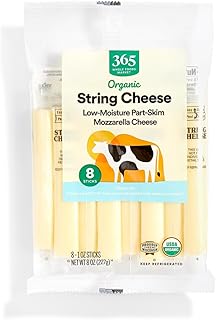
To effectively manage portion sizes of cheese, it's essential to utilize measuring tools or pre-portioned packages. This approach ensures adherence to recommended serving sizes, which can be particularly beneficial for those monitoring their calorie intake or following specific dietary guidelines. For instance, using a kitchen scale to weigh cheese portions can provide precise control over the amount consumed, helping to prevent overindulgence.
Pre-portioned cheese packages offer a convenient alternative, as they eliminate the need for additional measuring tools. These packages often come in single-serving sizes, making it easy to grab a portion without the hassle of measuring. This can be especially useful for on-the-go snacking or when preparing meals in advance.
When selecting pre-portioned cheese, it's important to pay attention to the nutritional information and serving size listed on the packaging. Some products may contain multiple servings per package, so it's crucial to be mindful of this to avoid consuming more than intended. Additionally, opting for lower-fat or reduced-calorie cheese varieties can further support portion control efforts while still allowing for the enjoyment of this dairy staple.
Incorporating portion control strategies into daily eating habits can have a significant impact on overall health and wellness. By being mindful of serving sizes and utilizing tools like measuring scales and pre-portioned packages, individuals can better manage their dietary intake and work towards achieving their health goals.
Delicious Pairings: What to Serve with Beer Cheese Dip
You may want to see also
Explore related products


Culinary Uses: Different cheeses have specific serving sizes based on their texture and flavor intensity
Soft cheeses, such as Brie or Camembert, are typically served in smaller portions due to their rich, creamy texture and strong flavor. A standard serving size for these types of cheese is often around 1 ounce (28 grams), which is roughly the size of a small wedge. This smaller serving size allows the consumer to enjoy the cheese's intense flavor without overwhelming their palate.
Hard cheeses, like Cheddar or Parmesan, have a more robust texture and a sharper flavor, which means they can be served in slightly larger portions. A typical serving size for hard cheese is about 1.5 ounces (43 grams), which is approximately the size of a thin slice or a small chunk. The firmer texture of these cheeses makes them more suitable for grating or shredding, which can also affect the serving size depending on the intended use.
Blue cheeses, such as Roquefort or Gorgonzola, are known for their pungent aroma and strong, tangy flavor. Due to their intense taste, blue cheeses are usually served in smaller portions, similar to soft cheeses, at around 1 ounce (28 grams) per serving. However, the serving size can vary depending on the specific type of blue cheese and the dish it is being used in.
When it comes to serving cheese as part of a cheese platter or board, the serving sizes can vary based on the variety of cheeses being offered. In general, it's recommended to provide about 1-2 ounces (28-57 grams) of each type of cheese per person, allowing for a diverse tasting experience without overindulging in any one type. This approach takes into account the different textures and flavor intensities of the various cheeses, ensuring a balanced and enjoyable culinary experience.
Deliciously Warm Camembert: A Guide to Perfectly Serving This Creamy Delight
You may want to see also
Explore related products


Dietary Restrictions: Individuals with lactose intolerance or specific dietary needs should consult a healthcare professional for personalized advice
Individuals with lactose intolerance or specific dietary needs face unique challenges when it comes to consuming cheese. While cheese is a nutritious food rich in protein, calcium, and vitamins, it can also be high in lactose, which is a sugar found in milk and dairy products. For those who are lactose intolerant, consuming cheese can lead to digestive issues such as bloating, gas, and diarrhea. Therefore, it is essential for individuals with dietary restrictions to consult a healthcare professional for personalized advice on how to incorporate cheese into their diet safely.
A healthcare professional can help individuals with lactose intolerance or specific dietary needs determine their tolerance level for lactose and recommend appropriate serving sizes of cheese. They may also suggest lactose-free or low-lactose cheese options, such as aged cheeses, which have lower lactose content due to the fermentation process. Additionally, a healthcare professional can provide guidance on how to pair cheese with other foods to minimize digestive issues and maximize nutritional benefits.
It is important to note that serving sizes of cheese can vary depending on the type of cheese and the individual's dietary needs. For example, a serving size of hard cheese, such as cheddar or Swiss, is typically 1 ounce (28 grams), while a serving size of soft cheese, such as brie or camembert, may be smaller due to its higher fat content. A healthcare professional can help individuals determine the appropriate serving sizes for their specific needs and preferences.
In conclusion, individuals with lactose intolerance or specific dietary needs should consult a healthcare professional for personalized advice on how to incorporate cheese into their diet safely. By doing so, they can enjoy the nutritional benefits of cheese while minimizing the risk of digestive issues.
Elevate Your Charcuterie: The Art of Serving Brie Cheese
You may want to see also
Frequently asked questions
A serving size of cheese is typically 1 ounce (28 grams), which is about the size of a pair of dice or a small matchbox.
The calorie content of cheese varies depending on the type, but on average, a 1-ounce serving of cheese contains around 100-120 calories.
Cheese can be a nutritious addition to your diet when consumed in moderation. Some healthy ways to include cheese are:
- As a topping for salads or vegetables
- In a balanced sandwich with whole-grain bread and plenty of veggies
- As a snack with whole-grain crackers or fruit
- In a protein-rich breakfast omelet or frittata
- As part of a cheese platter with nuts, seeds, and fresh fruit