Randy Chandler
Serving brie cheese on a charcuterie board is a delightful way to elevate any gathering or special occasion. Brie, with its creamy texture and rich, buttery flavor, pairs beautifully with a variety of accompaniments. To create an impressive and delicious display, start by selecting a ripe brie wheel and arranging it as the centerpiece of your board. Surround the brie with an assortment of complementary items such as crusty baguette slices, fresh fruits like grapes or figs, and a selection of cured meats such as prosciutto or salami. Add some crunchy elements like almonds or walnuts, and consider including a sweet component like honey or fruit preserves to balance the flavors. Finally, garnish with fresh herbs like thyme or rosemary for a touch of elegance and aroma. With these simple yet thoughtful combinations, you'll create a charcuterie board that is both visually appealing and irresistibly tasty.
Explore related products


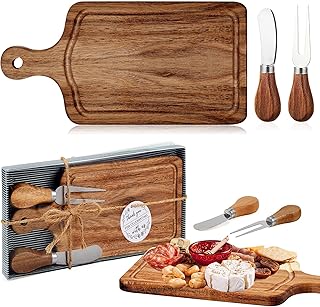


What You'll Learn
- Selecting the Perfect Brie: Choose a ripe, creamy brie with a soft rind for the best flavor and texture
- Pairing with Fruits: Complement brie's richness with sweet and tart fruits like grapes, apples, and dried apricots
- Adding Nuts and Seeds: Enhance the board with crunchy nuts such as almonds, walnuts, and pistachios, or seeds like pumpkin seeds
- Incorporating Honey and Jams: Drizzle honey or spread fruit jams to add a touch of sweetness that pairs well with brie
- Arranging with Crackers and Bread: Provide a variety of crackers and artisanal breads to balance the creamy texture of the brie

Selecting the Perfect Brie: Choose a ripe, creamy brie with a soft rind for the best flavor and texture
To select the perfect brie for your charcuterie board, begin by examining the rind. A ripe brie will have a soft, slightly tacky rind that yields gently to the touch. Avoid cheeses with rinds that are too hard or too wet, as these may indicate under-ripeness or over-ripeness, respectively. Next, assess the color of the rind; it should be a pale, creamy white with no signs of mold or discoloration.
When evaluating the texture of the brie, gently press the center of the cheese. A ripe brie should feel soft and creamy, with a slight give under pressure. If the cheese feels too firm, it may not be ripe enough, while a cheese that feels too soft or runny may be overripe. The ideal brie will have a smooth, even texture throughout, without any lumps or dry spots.
In terms of flavor, a ripe brie should have a rich, buttery taste with a hint of earthiness. When selecting a brie, consider the flavor profile you desire for your charcuterie board. Some varieties of brie, such as Brie de Meaux, have a stronger, more pungent flavor, while others, like Brie de Nangis, are milder and creamier. Choose a brie that complements the other items on your board, such as cured meats, fruits, and nuts.
Finally, consider the size and shape of the brie. For a charcuterie board, a round wheel of brie is ideal, as it can be easily sliced and arranged. However, you may also find brie in other shapes, such as wedges or logs. Regardless of the shape, ensure that the brie is of high quality and ripe for the best flavor and texture. By following these guidelines, you can select the perfect brie to elevate your charcuterie board and impress your guests.
Delicious Meat Pairings for Broccoli Cheese Soup: A Guide
You may want to see also
Explore related products


Pairing with Fruits: Complement brie's richness with sweet and tart fruits like grapes, apples, and dried apricots
Brie cheese, with its creamy texture and rich flavor, pairs beautifully with a variety of fruits. The sweetness and tartness of fruits like grapes, apples, and dried apricots can complement and balance the richness of the cheese, creating a delightful combination for your charcuterie board.
Grapes are a classic pairing with brie. Their juicy sweetness and slight tartness cut through the creaminess of the cheese, providing a refreshing contrast. You can use either red or green grapes, depending on your preference. For an extra touch of elegance, consider using a sparkling wine to cleanse your palate between bites.
Apples are another excellent choice to pair with brie. Their crisp texture and sweet-tart flavor provide a nice contrast to the soft, creamy cheese. Try using a variety of apples, such as Honeycrisp or Granny Smith, to add different flavor profiles to your charcuterie board. You can also slice the apples and spread a layer of brie on top for a delicious appetizer.
Dried apricots are a less common but equally delicious pairing with brie. Their chewy texture and concentrated sweetness provide a delightful contrast to the creamy cheese. You can either serve the dried apricots on the side or chop them up and mix them into a fruit chutney to spread on crackers or bread.
When arranging your charcuterie board, consider placing the brie in the center and surrounding it with the fruits. This will create a visually appealing display and make it easy for guests to pair the cheese with the fruits. You can also add some nuts, such as almonds or walnuts, to provide a crunchy texture and additional flavor complexity.
In conclusion, pairing brie cheese with fruits like grapes, apples, and dried apricots can elevate your charcuterie board to the next level. The combination of sweet and tart flavors with the rich, creamy cheese creates a delightful sensory experience that your guests will surely enjoy.
Delicious Bread and Cheese Platter Ideas for Your Next Gathering
You may want to see also
Explore related products


Adding Nuts and Seeds: Enhance the board with crunchy nuts such as almonds, walnuts, and pistachios, or seeds like pumpkin seeds
To elevate your charcuterie board, consider the addition of nuts and seeds, which provide a delightful textural contrast to the creamy brie cheese. Almonds, walnuts, and pistachios are excellent choices for their crunchy texture and complementary flavors. Pumpkin seeds, with their earthy taste and satisfying crunch, are also a popular option. These additions not only enhance the visual appeal of the board but also offer a variety of health benefits, including healthy fats, protein, and fiber.
When selecting nuts and seeds, it's important to consider the flavor profiles and how they will pair with the brie cheese. For instance, the mild, buttery flavor of almonds pairs well with the rich, creamy taste of brie, while the slightly bitter taste of walnuts can provide a nice balance. Pistachios, with their subtle sweetness, can add a unique dimension to the flavor combination. Pumpkin seeds, on the other hand, bring a nutty and slightly sweet flavor that complements the brie's creaminess.
In terms of presentation, you can either scatter the nuts and seeds around the brie cheese or create a dedicated section on the board for these crunchy additions. This allows guests to easily pick and choose their preferred nuts and seeds to pair with the cheese. You can also experiment with different arrangements, such as creating a pattern or design with the nuts and seeds, to add visual interest to the board.
When it comes to portion sizes, a little goes a long way. A small handful of nuts and seeds per person is sufficient, as they are meant to be enjoyed in moderation alongside the other items on the charcuterie board. It's also a good idea to have a small dish or bowl on hand to collect any shells or husks, making it easy for guests to dispose of them neatly.
In conclusion, adding nuts and seeds to your charcuterie board is a simple yet effective way to enhance the overall experience. By carefully selecting and presenting these crunchy additions, you can create a delightful combination of flavors and textures that will impress your guests and elevate your brie cheese serving game.
Delving into Comfort Food: Kraft Macaroni and Cheese Servings Explained
You may want to see also
Explore related products

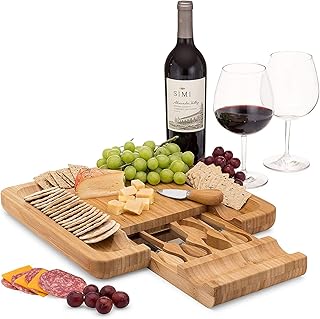


Incorporating Honey and Jams: Drizzle honey or spread fruit jams to add a touch of sweetness that pairs well with brie
To elevate your charcuterie board, consider the delightful combination of brie cheese with honey and jams. This pairing not only adds a touch of sweetness but also complements the creamy texture and rich flavor of the brie. When selecting honey, opt for a high-quality, raw variety to ensure you're getting the full spectrum of flavors and health benefits. For jams, choose fruit preserves that are low in sugar and high in real fruit content to avoid an overly sweet and artificial taste.
When it comes to presentation, drizzle the honey in a zigzag pattern over the brie for an eye-catching effect. Alternatively, you can create a small honey comb by drizzling the honey into a silicone mold and freezing it until set. This not only adds visual interest but also provides a fun and interactive way for guests to enjoy the honey with the cheese. For jams, use a small, decorative spoon or knife to spread a thin layer on top of the brie or serve it on the side for guests to add as desired.
One of the key benefits of incorporating honey and jams with brie is the balance of flavors it creates. The sweetness of the honey or jam cuts through the richness of the cheese, making each bite more enjoyable and less overwhelming. Additionally, the combination of textures – the smooth, creamy brie with the sticky honey or the slightly chunky jam – adds a delightful contrast that enhances the overall eating experience.
When pairing honey and jams with brie, it's important to consider the flavor profiles of each component. For example, a floral honey like clover or lavender can complement the subtle flavors of a mild brie, while a darker, more robust honey like buckwheat or manuka can stand up to the stronger flavors of an aged brie. Similarly, a sweet and tart jam like raspberry or strawberry can balance the richness of a creamy brie, while a more intense jam like fig or quince can pair well with a pungent, aged brie.
In conclusion, incorporating honey and jams into your charcuterie board is a simple yet effective way to elevate the flavor and presentation of your brie cheese. By carefully selecting high-quality ingredients and considering the flavor profiles and textures of each component, you can create a delicious and visually appealing spread that will impress your guests and delight your taste buds.
Delicious Gouda: A Guide to Serving the Perfect Slice
You may want to see also
Explore related products


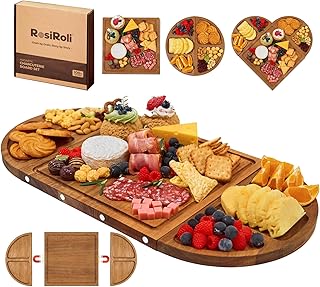

Arranging with Crackers and Bread: Provide a variety of crackers and artisanal breads to balance the creamy texture of the brie
To elevate your charcuterie board, consider the art of balancing textures and flavors. When serving brie cheese, the creamy and rich texture can be beautifully complemented by the right selection of crackers and bread. Here’s how to create a harmonious pairing:
First, choose a variety of crackers that offer different textures and flavors. For instance, a crunchy, buttery cracker can provide a delightful contrast to the smooth brie, while a cracker with a hint of spice or herbs can add an extra layer of complexity to the taste experience. Look for artisanal options that are not too overpowering, allowing the brie to remain the star of the show.
In addition to crackers, artisanal breads can also play a crucial role in enhancing the brie experience. A crusty baguette, sliced thinly, can offer a satisfying crunch and a neutral base that lets the brie shine. Alternatively, a fruit and nut bread can introduce complementary flavors and textures, creating a more indulgent pairing. When selecting bread, consider the intensity of the flavors and aim for a balance that doesn’t overwhelm the delicate taste of the brie.
When arranging the crackers and bread on the charcuterie board, think about visual appeal as well. Place the brie in the center and surround it with an attractive assortment of crackers and bread slices. This not only makes the board look inviting but also encourages guests to experiment with different combinations.
Remember, the key is to provide options that enhance the brie without overpowering it. By offering a thoughtful selection of crackers and breads, you can create a charcuterie board that is both visually stunning and gastronomically delightful.
Deliciously Decadent: The Perfect Serving Size for Cheese-Stuffed Pretzel Bites
You may want to see also
Frequently asked questions
Brie cheese is best served at room temperature, around 65-70°F (18-21°C), to fully appreciate its creamy texture and rich flavor.
To cut brie cheese, use a sharp knife and slice it into wedges, starting from the center and moving outwards. For a round brie, you can also cut it into quarters and then into smaller wedges.
Brie cheese pairs well with a variety of accompaniments, such as crackers, bread, fresh fruits (like grapes, apples, or figs), nuts, honey, and fruit preserves. You can also add cured meats, olives, and other cheeses to create a balanced and flavorful board.
The amount of brie cheese to include on a charcuterie board depends on the size of the board and the number of guests. As a general rule, plan for about 2-3 ounces (56-85 grams) of brie cheese per person.
Yes, brie cheese pairs well with wine. For a classic pairing, try serving brie with a medium-bodied red wine, such as Pinot Noir or Merlot. If you prefer white wine, a Chardonnay or Sauvignon Blanc can also complement the rich flavors of brie cheese.