 Randy Chandler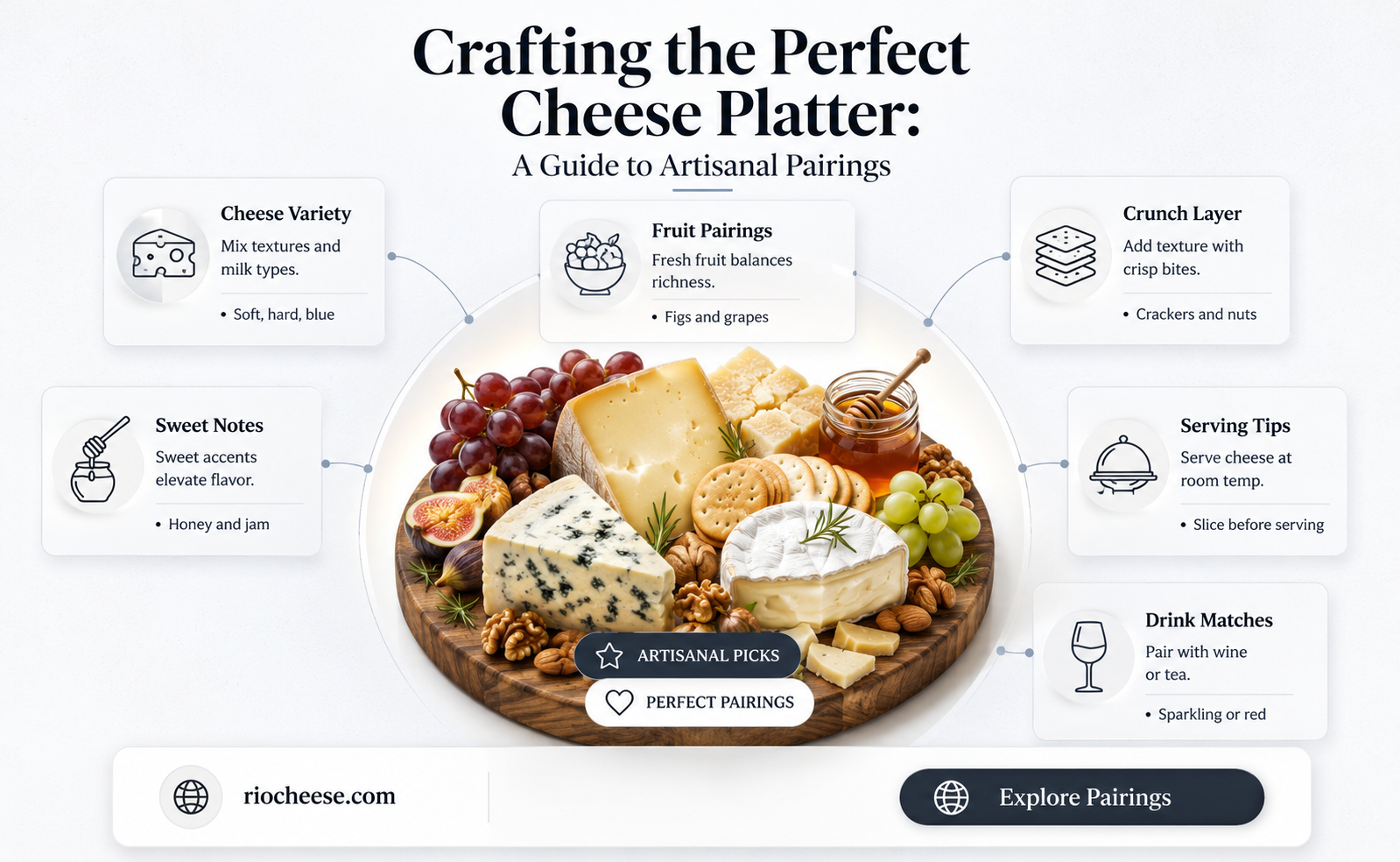
When assembling a cheese platter, selecting the right variety of cheeses is crucial to creating a delightful and balanced tasting experience. A well-curated cheese board should include a mix of textures and flavors, ranging from creamy and mild to sharp and pungent. Consider starting with a soft cheese like Brie or Camembert, which offers a rich, buttery taste and a velvety texture. For a contrasting flavor, add a hard, aged cheese such as Cheddar or Gouda, which provides a sharper, more robust taste. Including a blue cheese like Roquefort or Gorgonzola can add a bold, tangy element, while a semi-soft cheese like Havarti or Fontina brings a smooth, slightly nutty flavor. By combining these different types of cheeses, you can create a platter that caters to a variety of palates and enhances the overall enjoyment of your guests.
Explore related products


What You'll Learn
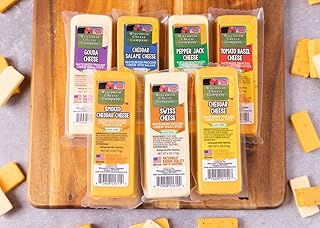
- Variety Selection: Include a mix of soft, hard, blue, and aged cheeses for diverse flavors and textures
- Flavor Pairing: Choose cheeses that complement each other, balancing mild and strong flavors for a harmonious taste experience
- Texture Contrast: Combine creamy, crumbly, and smooth cheeses to add interest and variety to the platter
- Visual Appeal: Arrange cheeses by color and shape to create an attractive and inviting presentation
- Accompaniments: Pair cheeses with fruits, nuts, and crackers that enhance their flavors and provide a complete tasting experience

Variety Selection: Include a mix of soft, hard, blue, and aged cheeses for diverse flavors and textures
When assembling a cheese platter, the key to delighting your guests lies in the art of variety selection. This means thoughtfully combining soft, hard, blue, and aged cheeses to create a symphony of flavors and textures that will cater to every palate. Start by selecting a few soft cheeses, such as Brie or Camembert, which offer a creamy, buttery texture that pairs well with crackers and fruit. Next, add some hard cheeses like Cheddar or Gouda, which provide a firmer bite and a sharper flavor profile that can stand up to heartier accompaniments like nuts and cured meats.
Blue cheeses, such as Roquefort or Gorgonzola, should also be included for their distinctive pungency and crumbly texture, which can add a bold contrast to the milder flavors on the platter. Finally, consider adding an aged cheese like Parmesan or Manchego, which has been matured for a longer period, resulting in a more complex flavor and a firmer texture that can be grated over other foods or enjoyed on its own.
When selecting your cheeses, it's important to consider not only the flavor profiles but also the visual appeal of the platter. Aim for a balance of colors, shapes, and sizes to create an aesthetically pleasing arrangement that will entice your guests to sample each variety. Additionally, be mindful of the ripeness of the cheeses, as this can greatly impact their flavor and texture. For example, a very ripe Brie will be much softer and more pungent than a younger wheel, while an aged Cheddar will have a more pronounced flavor and a drier texture than a milder, younger version.
To ensure that your cheese platter is a success, consider providing small cards or labels next to each cheese, indicating its name, origin, and any notable characteristics. This will not only help your guests identify the different varieties but also spark conversation and encourage them to learn more about the cheeses they are enjoying. By carefully selecting a diverse range of cheeses and presenting them in an appealing manner, you can create a memorable and delicious experience for your guests that will leave them eager for more.
The Great Debate: Cheese in Green Bean Casserole - Yes or No?
You may want to see also
Explore related products


Flavor Pairing: Choose cheeses that complement each other, balancing mild and strong flavors for a harmonious taste experience
When assembling a cheese platter, the art of flavor pairing is crucial to creating a delightful tasting experience. The key is to select cheeses that complement each other, balancing mild and strong flavors to achieve harmony. Start by choosing a variety of cheeses with different intensities, textures, and origins. For example, pair a creamy Brie with a sharp Cheddar to contrast their flavors and textures. Consider the flavor profiles of each cheese: nutty, fruity, spicy, or earthy, and aim to create a progression of tastes that will guide the palate from one cheese to the next seamlessly.
To enhance the flavor pairing experience, arrange the cheeses thoughtfully on the platter. Place milder cheeses at the beginning of the tasting sequence and progress to stronger flavors. This will prevent the palate from becoming overwhelmed and allow each cheese to be appreciated fully. Additionally, consider the visual appeal of the platter by varying the shapes, sizes, and colors of the cheeses. A well-presented platter not only looks inviting but also encourages guests to explore the different flavor combinations.
When it comes to serving, provide small plates or crackers that won't overpower the cheeses. Offer a selection of accompaniments such as fresh fruits, nuts, and honey, which can enhance the flavors of the cheeses without competing with them. For example, a drizzle of honey can bring out the sweetness in a blue cheese, while a handful of almonds can complement the nuttiness of a Gouda. Remember to serve the cheeses at the appropriate temperature to ensure their flavors and textures are at their best.
In summary, creating a harmonious cheese platter involves careful selection and thoughtful arrangement of cheeses with complementary flavors. By balancing mild and strong flavors and considering the visual presentation, you can create a delightful tasting experience that will impress your guests and elevate any gathering.
The Great Debate: Cheese on Pulled Pork Sandwiches - Yes or No?
You may want to see also
Explore related products


Texture Contrast: Combine creamy, crumbly, and smooth cheeses to add interest and variety to the platter
Combining cheeses of varying textures is a strategic approach to assembling a cheese platter that delights both the eye and the palate. Creamy cheeses, such as Brie or Camembert, offer a rich, velvety mouthfeel that pairs well with crisp crackers or fresh fruit. Crumbly cheeses, like Feta or Gorgonzola, provide a contrasting texture that can cut through the richness of creamier varieties, while smooth cheeses, such as Gouda or Cheddar, offer a balanced, melt-in-your-mouth experience. By juxtaposing these textures, you create a dynamic and engaging tasting experience that encourages guests to explore the platter further.
When selecting cheeses for texture contrast, consider the intensity of flavors as well. A mild, creamy cheese can be complemented by a sharp, crumbly cheese, while a smooth, medium-bodied cheese can bridge the gap between the two. This balance ensures that no single cheese overpowers the others, allowing each variety to shine. Additionally, think about the visual appeal of the platter. Cheeses with different textures often have distinct appearances, which can make the platter more visually interesting and inviting.
To enhance the texture contrast on your cheese platter, consider adding accompaniments that play into the different textures. For example, a crunchy apple slice can accentuate the creaminess of a soft cheese, while a soft, ripe fig can complement the crumbly texture of a blue cheese. Nuts, such as almonds or walnuts, can add a satisfying crunch that contrasts with the smoothness of a semi-hard cheese. By thoughtfully pairing cheeses with complementary accompaniments, you can create a harmonious and exciting cheese platter that engages all the senses.
In summary, texture contrast is a key element in creating an engaging and enjoyable cheese platter. By combining creamy, crumbly, and smooth cheeses, you can offer a variety of mouthfeels that keep guests interested and eager to try more. Remember to balance flavors and consider visual appeal when selecting your cheeses, and don't forget to include accompaniments that enhance the texture experience. With these tips in mind, you can create a cheese platter that is both delicious and visually stunning.
The Great Cheese Debate: Elevating Your Fish Tacos to Perfection
You may want to see also
Explore related products


Visual Appeal: Arrange cheeses by color and shape to create an attractive and inviting presentation
When assembling a cheese platter, visual appeal is paramount. The arrangement of cheeses by color and shape can transform a simple selection into an enticing display that beckons guests to indulge. Start by grouping cheeses of similar hues together, creating a gradient effect that transitions smoothly from one shade to the next. For instance, place creamy white cheeses like Brie or Camembert alongside pale yellow varieties such as Gouda or Edam, then progress to deeper yellows like Cheddar or Gruyère. This color coordination not only enhances the aesthetic but also subtly guides the palate through a spectrum of flavors.
Next, consider the shapes of the cheeses. A mix of round, wedge-shaped, and log-style cheeses adds visual interest and variety to the platter. Round cheeses like wheels of Brie or Camembert can serve as focal points, while wedge-shaped cheeses like slices of Cheddar or Swiss can be arranged in a fan-like pattern around them. Log-style cheeses, such as goat cheese or Boursin, can be sliced into rounds and stacked or placed in a zigzag pattern to create texture and depth.
To further elevate the presentation, incorporate garnishes and accompaniments that complement the cheeses. Fresh fruits like grapes, apples, or figs add pops of color and provide a sweet contrast to the savory flavors of the cheese. Nuts, such as almonds, walnuts, or pecans, offer a crunchy texture and can be scattered around the platter or placed in small bowls. Dried fruits like apricots, cranberries, or cherries can be used to create a colorful border around the cheeses or sprinkled on top for added visual appeal.
When arranging the cheeses, be mindful of their textures and flavors. Place milder cheeses near the front of the platter, where they are more likely to be sampled first, and reserve stronger, more pungent cheeses for the back. This allows guests to gradually build up their palate and appreciate the nuances of each cheese. Additionally, consider the ripeness of the cheeses; softer, riper cheeses should be placed in the center, where they are less likely to be disturbed, while firmer cheeses can be arranged around the edges.
Finally, pay attention to the serving utensils and dishes used for the cheese platter. Choose serving pieces that complement the colors and shapes of the cheeses, and provide a variety of utensils, such as cheese knives, spreaders, and forks, to make it easy for guests to sample each variety. By carefully considering the visual appeal of your cheese platter, you can create a memorable and delicious experience for your guests.
Egg-cellent Addition: Elevating Baked Mac and Cheese with Eggs
You may want to see also
Explore related products



Accompaniments: Pair cheeses with fruits, nuts, and crackers that enhance their flavors and provide a complete tasting experience
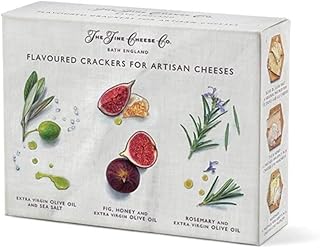
When assembling a cheese platter, the accompaniments you choose can elevate the entire tasting experience. Fruits, nuts, and crackers serve not only as palate cleansers but also as flavor enhancers, bringing out the best in each cheese variety. For a harmonious pairing, consider the intensity and flavor profile of both the cheese and the accompaniment.
For example, a strong, pungent cheese like blue cheese pairs well with sweet fruits such as figs or grapes, which balance its bold flavor. Similarly, a creamy Brie or Camembert can be complemented by the crispness of apple slices or the juiciness of fresh berries. When it comes to nuts, almonds and walnuts are versatile options that can stand up to the richness of most cheeses, while pecans and hazelnuts add a subtle sweetness that pairs nicely with milder cheeses.
Crackers play a crucial role in a cheese platter, providing a neutral base that allows the cheese to shine. Opt for crackers that are not too salty or overpowering, such as water crackers or plain rice crackers. For a more rustic touch, consider using artisanal bread or crostini, which can be topped with a variety of cheeses and accompaniments for a more substantial bite.
To create a well-rounded cheese platter, aim for a balance of textures and flavors. Combine soft and hard cheeses, sweet and savory accompaniments, and crunchy and smooth textures. This will ensure that each bite offers a unique and enjoyable tasting experience. Remember, the key to a successful cheese platter is to experiment with different combinations and find what works best for your palate.
Perfecting Shepherd's Pie: The Optimal Moment for Cheese Addition
You may want to see also
Frequently asked questions
For a beginner's cheese platter, it's best to start with a variety of textures and flavors. Include a soft cheese like Brie or Camembert, a semi-hard cheese like Cheddar or Gouda, a hard cheese like Parmesan or Pecorino, and a blue cheese like Roquefort or Gorgonzola. This selection offers a range of tastes from mild to strong and creamy to crumbly.
Pairing cheeses with the right accompaniments can enhance their flavors. Soft cheeses pair well with sweet accompaniments like honey or fruit preserves. Semi-hard cheeses complement nuts and dried fruits, while hard cheeses go well with crackers and bread. Blue cheeses are often paired with sweet and tangy items like figs or balsamic glaze. Experiment with different combinations to find what you like best.
The ideal arrangement of a cheese platter is both aesthetically pleasing and functional. Start by placing the cheeses in separate sections, allowing enough space between them to avoid mixing flavors. Arrange the accompaniments around the cheeses, grouping similar items together. Include a small knife or spreader for each cheese and provide crackers or bread on the side. Garnish with fresh herbs or edible flowers for a touch of elegance.
Proper storage is key to maintaining the quality of leftover cheese. Wrap each type of cheese separately in plastic wrap or aluminum foil, making sure to remove as much air as possible. Store the wrapped cheeses in the refrigerator, ideally in the crisper drawer where the humidity is higher. Consume the leftovers within a few days for the best flavor and texture.


