Patrick Oconnell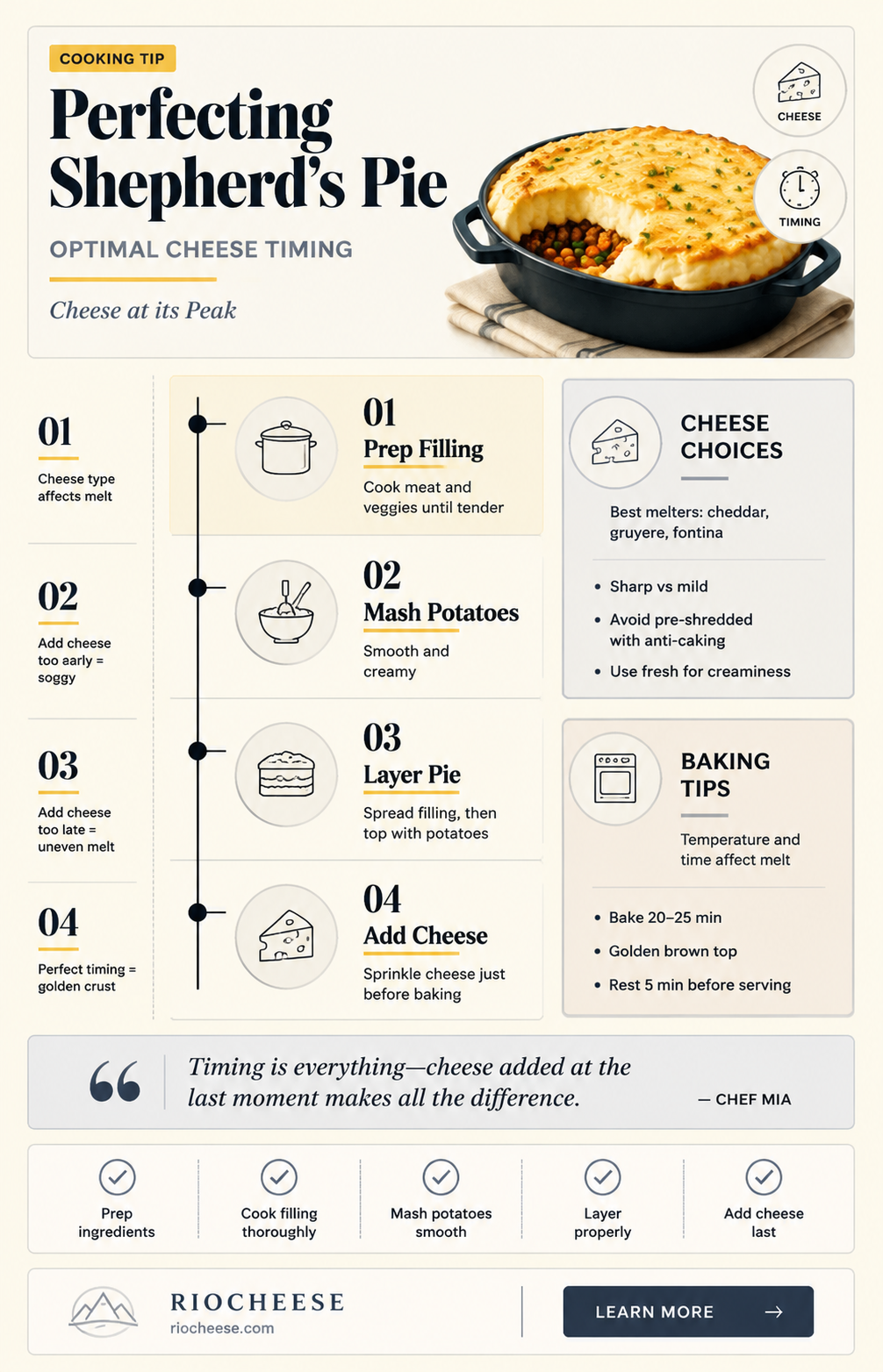
When it comes to shepherd's pie, the question of when to add cheese is a topic of much debate among culinary enthusiasts. Traditionally, shepherd's pie is a savory dish made with ground meat, vegetables, and a layer of mashed potatoes on top. Cheese, while not a classic ingredient, has become a popular addition in many modern recipes. Some argue that cheese should be mixed into the meat and vegetable filling to add richness and depth of flavor throughout the dish. Others believe that cheese is best used as a topping, either mixed into the mashed potatoes or sprinkled on top before baking, to create a delicious, gooey crust. Ultimately, the decision of when to add cheese to shepherd's pie comes down to personal preference and the desired flavor profile.
Explore related products



What You'll Learn
- Before Baking: Add cheese before baking for a melted, golden-brown topping that enhances flavor
- After Baking: Sprinkle cheese on top after baking for a fresh, slightly melted texture without burning
- Types of Cheese: Experiment with different cheeses like cheddar, mozzarella, or parmesan for unique tastes
- Amount of Cheese: Use a moderate amount to avoid overpowering the dish's other flavors and ingredients
- Regional Variations: Explore how different regions incorporate cheese into their shepherd's pie recipes for diverse culinary experiences

Before Baking: Add cheese before baking for a melted, golden-brown topping that enhances flavor
Adding cheese before baking shepherd's pie is a classic technique that promises a deliciously melted and golden-brown topping. This method not only enhances the visual appeal of the dish but also intensifies its flavor profile. The heat from the oven causes the cheese to melt evenly over the surface, creating a creamy and rich layer that complements the savory filling beneath.
One of the key benefits of adding cheese before baking is that it allows the flavors to meld together harmoniously. As the cheese melts, it releases its natural oils and proteins, which can help to bind the ingredients in the filling and create a more cohesive taste experience. Additionally, the Maillard reaction—a chemical process that occurs when proteins and sugars are exposed to heat—contributes to the development of complex flavors and aromas in the cheese topping.
When choosing a cheese for this purpose, it's important to select one that melts well and can withstand high temperatures without burning. Cheddar, Gruyère, and Parmesan are popular options that provide a good balance of flavor and melting properties. For best results, grate the cheese finely before sprinkling it over the pie, as this will ensure more even melting and a smoother texture.
To achieve the perfect golden-brown finish, it's crucial to monitor the pie closely during the final stages of baking. Depending on the type of cheese used and the intensity of the oven, the topping may brown more quickly than the rest of the pie. If necessary, cover the edges of the pie with foil to prevent over-browning while allowing the cheese to continue melting and developing its rich flavor.
In summary, adding cheese before baking shepherd's pie is a simple yet effective way to elevate the dish's taste and presentation. By selecting the right cheese, grating it finely, and monitoring the baking process carefully, you can create a beautifully melted and golden-brown topping that enhances the overall flavor experience of this classic comfort food.
The Great Cheese Debate: Perfecting Your Burger Toppings
You may want to see also
Explore related products


After Baking: Sprinkle cheese on top after baking for a fresh, slightly melted texture without burning
Sprinkling cheese on top of shepherd's pie after baking is a technique that offers a unique texture and flavor profile. This method allows the cheese to melt slightly, creating a fresh and gooey layer that contrasts with the crispy, golden-brown crust formed during baking. The key advantage of this approach is that it prevents the cheese from burning, which can happen if it's added before the pie is baked.
To achieve the best results, it's important to choose the right type of cheese. Harder cheeses like cheddar or Parmesan work well because they melt slowly and evenly, providing a consistent texture across the top of the pie. Softer cheeses, on the other hand, may melt too quickly and become greasy. Additionally, the cheese should be grated finely to ensure it melts uniformly and doesn't create pockets of unmelted cheese.
The timing of when to add the cheese is also crucial. It's best to sprinkle the cheese on top of the pie immediately after it's removed from the oven, while the surface is still hot. This will allow the cheese to melt slightly without burning. If the pie is left to cool for too long, the cheese may not melt properly and could end up sitting on top of the pie like a solid layer.
Another benefit of adding cheese after baking is that it allows for more control over the amount of cheese used. This can be particularly helpful for those who are watching their calorie or fat intake. By sprinkling the cheese on top, it's easy to see how much is being added and adjust the amount accordingly.
In conclusion, sprinkling cheese on top of shepherd's pie after baking is a simple yet effective technique that can enhance the flavor and texture of the dish. By choosing the right type of cheese, timing the addition correctly, and controlling the amount used, this method offers a delicious and visually appealing way to enjoy shepherd's pie.
Egg-cellent Addition: Elevating Baked Mac and Cheese with Eggs
You may want to see also
Explore related products


Types of Cheese: Experiment with different cheeses like cheddar, mozzarella, or parmesan for unique tastes
Experimenting with different types of cheese can significantly elevate the flavor profile of your shepherd's pie. While traditional recipes often call for a simple layer of mashed potatoes topped with a sprinkle of cheddar, incorporating a variety of cheeses can add depth and complexity to the dish. For instance, mozzarella can introduce a creamy, mild flavor that complements the savory meat filling, while parmesan can offer a sharp, nutty taste that enhances the overall richness of the pie.
When selecting cheeses for your shepherd's pie, consider the melting properties and flavor intensity of each variety. Cheeses like cheddar and mozzarella melt well and can create a smooth, even layer on top of the pie. In contrast, cheeses like parmesan or gruyère may not melt as uniformly but can add a delightful textural contrast and burst of flavor with each bite.
To experiment with different cheeses, start by choosing two or three varieties that you think will complement the flavors in your shepherd's pie. You can either layer the cheeses on top of each other or mix them together before adding them to the pie. When layering, place the cheese with the strongest flavor at the bottom, followed by milder cheeses on top. This will allow the flavors to meld together as the pie bakes, creating a harmonious blend of tastes.
Another approach is to create a cheese blend specifically tailored to your shepherd's pie. Combine grated or finely chopped cheeses in a bowl and mix them together before sprinkling the blend over the pie. This method allows you to control the ratio of each cheese and achieve a balanced flavor profile.
Remember to consider the cooking time and temperature when using different cheeses, as some may require longer or shorter baking times to achieve the desired level of melting and browning. By experimenting with various cheese combinations and cooking techniques, you can create a shepherd's pie that is uniquely yours and bursting with flavor.
The Great Debate: Cheese's Place in Chicken Salad Sandwiches
You may want to see also
Explore related products



Amount of Cheese: Use a moderate amount to avoid overpowering the dish's other flavors and ingredients
When crafting a shepherd's pie, the amount of cheese used can significantly impact the final flavor profile. It's essential to strike a balance, ensuring the cheese complements rather than dominates the dish. A moderate amount of cheese, roughly 1/4 to 1/3 cup per serving, is generally recommended. This quantity allows the cheese to melt beautifully, creating a creamy texture that binds the ingredients together without overpowering the savory flavors of the meat and vegetables.
Using too much cheese can lead to a greasy, heavy dish where the individual components become indistinguishable. The cheese should enhance the natural flavors of the lamb or beef, peas, and carrots, rather than mask them. Additionally, a moderate amount of cheese helps maintain the structural integrity of the pie, preventing it from becoming too soggy or falling apart when served.
For the best results, choose a cheese that melts well, such as cheddar, Gruyère, or mozzarella. These varieties will create a smooth, even layer on top of the pie without separating or becoming too oily. When adding the cheese, sprinkle it evenly over the filling, ensuring it's not clumped together. This will promote uniform melting and a more appealing presentation.
Remember, the key to a successful shepherd's pie is balance. By using a moderate amount of cheese, you'll achieve a harmonious blend of flavors and textures that will make your dish a crowd-pleaser. Experiment with different cheese varieties and amounts to find the perfect combination for your taste preferences, but always keep in mind the importance of moderation.
Explore related products



Regional Variations: Explore how different regions incorporate cheese into their shepherd's pie recipes for diverse culinary experiences
In the heart of Lancashire, England, the traditional shepherd's pie is a hearty dish made with ground lamb, vegetables, and a rich gravy, all topped with a layer of mashed potatoes. However, a unique regional variation has emerged in recent years, where a blend of Lancashire cheese and cheddar is incorporated into the mashed potato topping, adding a sharp and tangy flavor to the classic dish.
Across the Atlantic, in the United States, shepherd's pie has taken on a distinctly American twist. In the Southern states, a mixture of sharp cheddar and Monterey Jack cheese is often melted on top of the pie, creating a gooey and indulgent layer. Meanwhile, in the Northeast, a more subtle approach is taken, with a sprinkle of grated Parmesan cheese added to the mashed potato topping for a touch of umami flavor.
In Ireland, the birthplace of shepherd's pie, the dish is traditionally made with ground lamb or beef, vegetables, and a rich Guinness stout-based gravy. A regional variation in County Cork involves adding a layer of melted Irish cheddar cheese to the top of the pie, which complements the stout's rich flavor and adds a creamy texture.
Down under in Australia, shepherd's pie is a popular comfort food, often made with ground beef or lamb and a variety of vegetables. A unique regional variation in the state of Victoria involves adding a layer of melted mozzarella cheese to the top of the pie, which provides a stretchy and indulgent texture that pairs well with the savory filling.
In each of these regions, the incorporation of cheese into shepherd's pie recipes adds a unique twist to the classic dish, reflecting local tastes and culinary traditions. By exploring these regional variations, home cooks can discover new and exciting ways to enjoy this beloved comfort food.
Frequently asked questions
To ensure the cheese melts properly, add it to the top of the shepherd's pie during the last 10-15 minutes of baking. This allows the cheese to melt and brown without burning.
The best cheeses for topping shepherd's pie are those that melt well and have a mild flavor. Cheddar, mozzarella, and Gruyère are popular choices. You can also mix different types of cheese for a more complex flavor.
Yes, you can add cheese to the filling of the shepherd's pie. Mix grated cheese into the meat mixture before transferring it to the baking dish. This will create a cheesy, gooey filling. However, it's still recommended to add a layer of cheese on top for that classic melted cheese finish.