 Andy Montoya
For individuals with lactose intolerance, choosing the right type of cheese can be a delicate balance between taste and digestive comfort. Lactose intolerance occurs when the body lacks sufficient lactase, the enzyme responsible for breaking down lactose, the primary sugar in dairy products. This condition can lead to unpleasant symptoms such as bloating, gas, and diarrhea when consuming lactose-rich foods. However, not all cheeses are equally problematic for those with lactose intolerance. Some cheeses, particularly those that are aged or fermented, contain lower levels of lactose due to the breakdown process during their production. Therefore, selecting cheeses with minimal lactose content is crucial for individuals looking to enjoy dairy products without experiencing adverse effects.
Explore related products

![Creamery Extra Sharp Naturally Aged Cheddar Cheese , Extra sharp cheddar , Lactose-free , Gluten-free , Owned by cooperative of farmers , Fresh pasteurized milk, cheese cultures, salt, and enzymes , [ 24 oz , 1.5 lb ]](https://m.media-amazon.com/images/I/61eUA5v-TBL._AC_UL320_.jpg)


What You'll Learn
- Low-Lactose Cheese Options: Explore cheeses with reduced lactose content, such as mozzarella, provolone, and aged cheddar
- Lactose-Free Cheese Alternatives: Discover dairy-free cheese substitutes made from nuts, soy, or coconut milk that offer similar textures and flavors
- Cheese Ripening Process: Understand how the ripening process affects lactose levels in cheese, with longer-aged cheeses typically having less lactose
- Lactose Intolerance Symptoms: Recognize symptoms of lactose intolerance, including bloating, diarrhea, and stomach cramps, to determine if you need to limit lactose intake
- Consulting a Healthcare Professional: Learn when to seek advice from a healthcare provider for personalized dietary recommendations if you suspect lactose intolerance

Low-Lactose Cheese Options: Explore cheeses with reduced lactose content, such as mozzarella, provolone, and aged cheddar
For individuals with lactose intolerance, the quest for delicious yet digestible cheese options can be challenging. Fortunately, several types of cheese naturally contain lower levels of lactose, making them suitable choices for those with sensitive stomachs. Mozzarella, provolone, and aged cheddar are among the top contenders in this category.
Mozzarella, a staple in Italian cuisine, is known for its mild flavor and stretchy texture. It's typically made from cow's milk and undergoes a process that reduces its lactose content. This makes it a popular choice for lactose-intolerant individuals who still want to enjoy the taste of cheese. Mozzarella is versatile and can be used in a variety of dishes, from pizzas to salads.
Provolone, another Italian favorite, is a semi-hard cheese with a slightly sharper taste than mozzarella. It's often used in sandwiches, paninis, and as a table cheese. Like mozzarella, provolone is made from cow's milk and has a lower lactose content, making it a good option for those with lactose intolerance.
Aged cheddar, on the other hand, is a British classic that's known for its rich, tangy flavor. The aging process not only develops the cheese's flavor but also reduces its lactose content. This makes aged cheddar a suitable choice for lactose-intolerant individuals who prefer a stronger-tasting cheese. It's perfect for snacking, adding to sandwiches, or using in recipes like macaroni and cheese.
When selecting low-lactose cheese options, it's important to note that while these cheeses have reduced lactose content, they may still contain some lactose. Individuals with severe lactose intolerance should consume them in moderation and monitor their body's response. Additionally, it's always a good idea to consult with a healthcare professional for personalized dietary advice.
Discovering the Ultimate Comfort Food: A Quest for the Best Macaroni and Cheese
You may want to see also
Explore related products


![Creamery Seriously Sharp Snack Pack Cheddar Cheese , A mouthwatering lactose-free and gluten-free cheddar cheese with award-winning taste. Each cheese comes individually wrapped for on the go snacking. [18 oz , 1.12 lb ] , 24 ct](https://m.media-amazon.com/images/I/615kyIpTfRL._AC_UL320_.jpg)
![Jarlsberg Cheese Original Chunk, 6 oz – Semi-Soft, Sweet & Nutty, Naturally Lactose & Gluten Free [Pack of 4]](https://m.media-amazon.com/images/I/810xNroQSWL._AC_UL320_.jpg)

Lactose-Free Cheese Alternatives: Discover dairy-free cheese substitutes made from nuts, soy, or coconut milk that offer similar textures and flavors
For individuals with lactose intolerance, the quest for cheese alternatives that mimic the taste and texture of traditional dairy cheese can be challenging. Fortunately, the market has responded with a variety of lactose-free cheese substitutes derived from nuts, soy, and coconut milk. These alternatives not only cater to dietary restrictions but also offer unique flavor profiles and nutritional benefits.
Nut-based cheese alternatives, such as those made from almonds, cashews, or hazelnuts, are popular choices due to their rich, creamy textures and subtle nutty flavors. Brands like Daiya and Follow Your Heart have pioneered this category, offering shreds, slices, and blocks that can be used in a variety of dishes. Nut cheeses are often fortified with vitamins and minerals, making them a nutritious option for those avoiding dairy.
Soy cheese is another viable alternative, known for its firm texture and mild taste. It's made by coagulating soy milk with calcium sulfate or other agents, then pressing and aging the curds. Soy cheese is a good source of protein and is often lower in fat than dairy cheese. Brands like Tofutti and Soyco offer a range of soy cheese products, including mozzarella, cheddar, and Parmesan varieties.
Coconut milk cheese is a newer entrant in the dairy-free cheese market, prized for its smooth, creamy texture and subtle sweetness. It's made by blending coconut milk with tapioca starch, carrageenan, and other ingredients to create a cheese-like consistency. Coconut milk cheese is a good option for those with nut allergies or sensitivities, and it's often used in vegan recipes. Brands like So Delicious and Kite Hill offer coconut milk cheese products in various flavors and formats.
When choosing a lactose-free cheese alternative, it's important to consider factors such as taste, texture, and nutritional content. Some alternatives may be higher in fat or calories than others, so it's essential to read labels and choose products that align with your dietary needs and preferences. Additionally, experimenting with different brands and types of cheese alternatives can help you find the ones that best suit your palate and cooking style.
In conclusion, lactose-free cheese alternatives made from nuts, soy, and coconut milk offer a range of options for those with lactose intolerance or dairy allergies. By exploring these alternatives, individuals can enjoy the flavors and textures of cheese without the discomfort associated with lactose consumption.
Melt-in-Your-Mouth: The Ultimate Cheese for French Onion Soup
You may want to see also
Explore related products
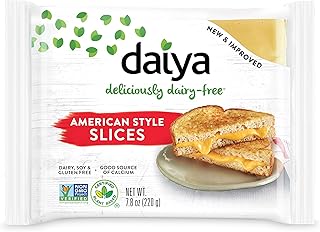


Cheese Ripening Process: Understand how the ripening process affects lactose levels in cheese, with longer-aged cheeses typically having less lactose
The ripening process of cheese is a critical factor in determining its lactose content. As cheese ages, the lactose within it is gradually broken down by enzymes, primarily lactase, which is present in the cheese. This enzymatic activity converts lactose into simpler sugars like glucose and galactose, which are then further metabolized or remain in the cheese in small amounts. Consequently, longer-aged cheeses typically have significantly lower lactose levels compared to their fresher counterparts.
For individuals with lactose intolerance, understanding this process is essential in selecting cheeses that are easier to digest. Hard cheeses, such as Parmesan, Pecorino Romano, and aged Gouda, which have been aged for several months to years, generally contain very little lactose. This makes them suitable options for those who are lactose intolerant. In contrast, soft cheeses like Brie, Camembert, and fresh mozzarella, which have shorter aging periods, retain more lactose and may cause digestive issues for sensitive individuals.
It's important to note that the degree of lactose reduction during the ripening process can vary depending on the type of cheese, the aging conditions, and the specific enzymes used. Some cheeses may undergo a more extensive breakdown of lactose, resulting in even lower levels, while others may retain a small amount. Therefore, it's advisable for individuals with lactose intolerance to consult with a healthcare professional or a registered dietitian to determine the best cheese options based on their specific dietary needs and tolerance levels.
In summary, the cheese ripening process plays a significant role in reducing lactose content, making longer-aged cheeses a better choice for those with lactose intolerance. By understanding this process and selecting cheeses accordingly, individuals can enjoy the nutritional benefits and flavors of cheese without experiencing adverse digestive effects.
Delicious Toppings to Elevate Your Golden Cheese Cookies
You may want to see also
Explore related products


![Cheddar Slices, deliver that craveable cheesy experience but without any dairy, lactose, gluten, soy, nuts, preservatives. So go wild - your sandwich options know no limits. 1 pk ( 20 slices ) , [ 14 .1 oz , 0.88 lb ]](https://m.media-amazon.com/images/I/41nqcP6Qs3L._AC_UL320_.jpg)

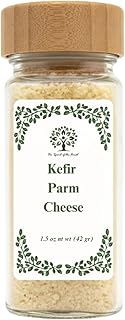

Lactose Intolerance Symptoms: Recognize symptoms of lactose intolerance, including bloating, diarrhea, and stomach cramps, to determine if you need to limit lactose intake
Lactose intolerance occurs when the body lacks the enzyme lactase, which is necessary to digest lactose, the primary sugar in dairy products. Symptoms typically appear within 30 minutes to 2 hours after consuming lactose-containing foods. Bloating is a common symptom, characterized by a feeling of fullness and swelling in the abdomen. Diarrhea may also occur, often accompanied by a sense of urgency and loose, watery stools. Stomach cramps are another prevalent symptom, manifesting as pain and discomfort in the lower abdomen.
To determine if you need to limit lactose intake, it's essential to recognize these symptoms and their severity. Mild symptoms may not require drastic dietary changes, while more severe symptoms may necessitate a significant reduction in lactose consumption. Keeping a food diary can be helpful in identifying which foods trigger symptoms and to what extent.
In the context of cheese, which is a significant source of lactose, understanding these symptoms is crucial for making informed dietary choices. Some cheeses, such as aged cheddar and Swiss, contain lower levels of lactose due to the fermentation process, which breaks down much of the lactose. However, even these cheeses may cause symptoms in individuals with severe lactose intolerance.
If you suspect you have lactose intolerance, it's advisable to consult a healthcare professional for proper diagnosis and guidance. They may recommend a lactose tolerance test, which involves consuming a lactose-rich drink and monitoring symptoms. Based on the results, they can provide personalized advice on managing lactose intake and suggest alternative sources of calcium and nutrients typically found in dairy products.
In summary, recognizing the symptoms of lactose intolerance is the first step in determining whether you need to limit lactose intake. By understanding these symptoms and their impact on your body, you can make informed choices about your diet, including which cheeses to consume or avoid.
Melty Bliss: Unveiling the Perfect Cheese for Fondue
You may want to see also
Explore related products

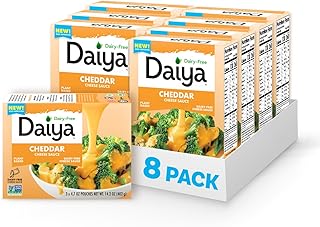


Consulting a Healthcare Professional: Learn when to seek advice from a healthcare provider for personalized dietary recommendations if you suspect lactose intolerance
If you suspect you may have lactose intolerance, it's crucial to consult a healthcare professional for personalized dietary recommendations. While some individuals may be able to manage their symptoms through trial and error, a healthcare provider can offer expert guidance tailored to your specific needs. They can help determine the severity of your lactose intolerance and recommend appropriate dietary changes, including which types of cheese may be suitable for you.
Healthcare professionals can also provide valuable insights into the potential risks associated with lactose intolerance, such as calcium deficiencies or digestive issues. They may recommend supplements or alternative sources of calcium to ensure you maintain a balanced diet while avoiding lactose-containing foods. Additionally, they can offer advice on how to read food labels and identify hidden sources of lactose in your diet.
When consulting a healthcare professional, it's essential to be prepared with a list of your symptoms, dietary habits, and any medications you may be taking. This information will help them make an accurate assessment and provide the most effective recommendations. It's also important to follow their advice closely and report any changes in your symptoms or overall health.
In some cases, a healthcare provider may refer you to a registered dietitian or nutritionist for more specialized guidance. These professionals can help you develop a personalized meal plan that meets your nutritional needs while accommodating your lactose intolerance. They can also offer practical tips for managing your symptoms and improving your overall quality of life.
Remember, while it may be tempting to self-diagnose and manage lactose intolerance on your own, consulting a healthcare professional is the best way to ensure you receive accurate and effective guidance. They can help you navigate the complexities of lactose intolerance and develop a plan that works best for you.
The Ultimate Guide to Choosing the Perfect Nacho Cheese
You may want to see also
Frequently asked questions
Cheeses that are naturally lower in lactose, such as hard cheeses like cheddar, Swiss, and Parmesan, are generally better options for individuals with lactose intolerance.
Hard cheeses have a lower lactose content because the lactose is removed during the cheese-making process. The bacteria used in fermentation consume the lactose, resulting in a final product with less lactose.
Some soft cheeses, like brie and camembert, may be suitable for lactose intolerance in moderation. However, it's essential to check the specific lactose content and consult with a healthcare provider.
For those with lactose intolerance, there are various dairy alternatives available, such as lactose-free milk, almond milk, soy milk, and coconut milk. Additionally, some yogurt brands offer lactose-free options.
To determine if a cheese is suitable for your lactose intolerance, check the nutrition label for lactose content. You can also consult with a healthcare provider or a registered dietitian for personalized advice based on your specific needs and tolerance levels.


![Swiss Cheese , Imported from Finland , all-natural Swiss cheese is imported from Finland and aged for over 100 days. , Lactose-free , Contains Cultured Pasteurized Part Skim Milk, Salt and Enzymes . Flavor : Rich, nutty, and robust with a distinctly spicy flavor. [ 24 oz , 1.5 lb ]](https://m.media-amazon.com/images/I/51xbCNq9HOL._AC_UL320_.jpg)


![Original Sharp Cheddar , classic cheddar is milky white in color and has a slightly crumbly, firm texture adored by cheddar lovers. With a nutty, luscious aroma, delivers an exciting range of flavors and intensity that always surprises and keeps you coming back for another bite. It is perfect with smoky meats, spicy curries, or shredded over a steaming bowl of pasta. naturally lactose free and gluten free. [ 24 oz , 1.5 lb ]](https://m.media-amazon.com/images/I/51FZmlXsDGL._AC_UL320_.jpg)
![Lacey Swiss Cheese, A full flavored Swiss cheese which is also reduced fat, low in sodium and naturally lactose free. It has a delicious rich nutty flavor and light, airy texture. [ 32 oz, 2 pound ]](https://m.media-amazon.com/images/I/51JnoMFb46L._AC_UL320_.jpg)


