 Andy Montoya
Fondue, a beloved Swiss dish, is all about the cheese—and choosing the right one is crucial for achieving that perfect, velvety texture and rich flavor. While many cheeses can be used for fondue, some stand out for their exceptional melting qualities and taste profiles. Gruyère, with its nutty and slightly sweet flavor, is a classic choice that melts beautifully. Emmental, another Swiss favorite, offers a milder taste and excellent melting properties. For a more robust flavor, Appenzeller adds a tangy, herbal note that complements the traditional fondue seasonings. And let's not forget the French Comté, which brings a creamy, slightly sweet taste to the table. Ultimately, the best cheese for fondue depends on personal preference and the desired flavor profile, but these options are sure to create a memorable and delicious experience.
Explore related products

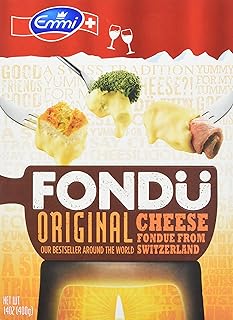


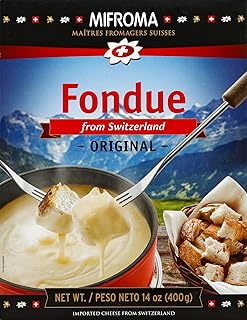
What You'll Learn
- Cheese Selection: Choose a cheese that melts well and has a rich flavor, like Gruyère or Emmental
- Texture and Flavor: Look for cheeses with a smooth texture and a balance of savory and nutty flavors
- Melting Properties: Opt for cheeses known for their excellent melting qualities, such as Fontina or Mozzarella
- Pairing Suggestions: Consider pairing different cheeses to create a unique flavor profile, like Cheddar and Parmesan
- Fondue Add-Ins: Enhance your fondue with additional ingredients like garlic, wine, or herbs for extra depth

Cheese Selection: Choose a cheese that melts well and has a rich flavor, like Gruyère or Emmental
Gruyère and Emmental are two Swiss cheeses renowned for their exceptional melting qualities and rich flavors, making them ideal choices for fondue. Gruyère, with its slightly nutty and caramelized taste, melts smoothly and evenly, creating a velvety texture that is perfect for dipping bread and vegetables. Emmental, on the other hand, offers a milder, buttery flavor with hints of fruitiness, and its large holes allow for even melting and a light, airy consistency.
When selecting cheese for fondue, it's essential to consider the melting point and fat content. Cheeses with a higher fat content, like Gruyère and Emmental, melt more easily and create a richer, more indulgent fondue. Additionally, these cheeses have a high moisture content, which helps prevent the fondue from becoming too thick or clumpy.
To achieve the perfect fondue consistency, it's crucial to grate the cheese finely and mix it with a roux made from equal parts butter and flour. This mixture helps to create a smooth, even texture and prevents the cheese from burning or sticking to the bottom of the pot. When heating the fondue, it's important to do so slowly and gently, stirring constantly to ensure even melting and to prevent the cheese from separating or becoming too hot.
In terms of serving, Gruyère and Emmental fondue pair well with a variety of dippers, including crusty bread, vegetables, and even meats like chicken or beef. For a more authentic Swiss experience, try serving the fondue with a side of kirschwasser, a cherry brandy that complements the rich flavors of the cheese perfectly.
In conclusion, when it comes to cheese selection for fondue, Gruyère and Emmental are two of the best options available. Their excellent melting qualities, rich flavors, and versatility make them ideal choices for creating a delicious and indulgent fondue experience.
The Ultimate Guide to Choosing the Perfect Cheese for Your Burger
You may want to see also
Explore related products

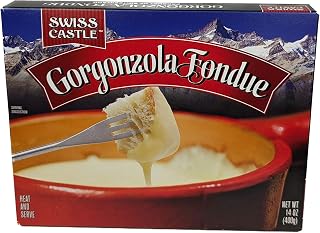


Texture and Flavor: Look for cheeses with a smooth texture and a balance of savory and nutty flavors
When selecting the ideal cheese for fondue, texture and flavor are paramount. A smooth, creamy texture ensures that the cheese melts uniformly and creates a velvety fondue that coats your food perfectly. In terms of flavor, a balance of savory and nutty notes adds depth and complexity to your fondue, making it a delightful culinary experience.
Cheeses like Gruyère and Emmental are excellent choices for fondue due to their smooth texture and rich flavor profile. Gruyère offers a slightly sweet, nutty taste that complements the savory aspect of the fondue, while Emmental provides a mild, buttery flavor that enhances the overall taste without overpowering it. Both cheeses melt exceptionally well, creating a smooth and consistent fondue.
Another option to consider is Fontina, which boasts a smooth texture and a mild, slightly sweet flavor. Fontina melts beautifully and adds a creamy consistency to your fondue. If you're looking for a cheese with a bit more character, try adding a small amount of blue cheese, such as Gorgonzola or Roquefort, to your fondue mixture. The pungent, tangy flavor of blue cheese can add an interesting contrast to the milder flavors of the other cheeses.
When combining cheeses for fondue, it's essential to consider the melting properties and flavor profiles of each cheese. Experimenting with different cheese combinations can help you find the perfect balance of texture and flavor for your fondue. Remember to grate the cheeses finely before adding them to the fondue pot, as this will help them melt more evenly and create a smoother texture.
In conclusion, the key to a delicious fondue lies in choosing cheeses with a smooth texture and a harmonious blend of savory and nutty flavors. By selecting the right cheeses and combining them thoughtfully, you can create a fondue that is both visually appealing and irresistibly tasty.
The Ultimate Guide to Choosing the Perfect Nacho Cheese
You may want to see also
Explore related products


Melting Properties: Opt for cheeses known for their excellent melting qualities, such as Fontina or Mozzarella
Fondue enthusiasts often prioritize cheeses with superior melting properties to achieve the perfect creamy consistency. Fontina and Mozzarella are two standout options in this category. Fontina, a semi-soft Italian cheese, is renowned for its smooth, elastic texture when melted, making it a popular choice for fondue. Its mild, nutty flavor complements a variety of dippers, from bread to vegetables. Mozzarella, on the other hand, is celebrated for its exceptional stretchiness and mild taste, which makes it a versatile ingredient for both sweet and savory fondues. When selecting cheese for fondue, it's essential to consider the melting point and fat content, as these factors significantly impact the final texture and flavor of the dish. Cheeses with higher fat content tend to melt more smoothly and create a richer fondue. Additionally, combining different cheeses can enhance the complexity of flavors and improve the overall melting characteristics of the fondue. For instance, blending Fontina with a bit of Parmesan can add a savory depth, while incorporating Mozzarella with Gouda can create a delightfully creamy and slightly sweet fondue. Experimenting with various cheese combinations allows fondue lovers to tailor the dish to their specific taste preferences and achieve the ideal melting consistency.
Discovering the Perfect Cheese: A Journey Through Flavors and Textures
You may want to see also
Explore related products


Pairing Suggestions: Consider pairing different cheeses to create a unique flavor profile, like Cheddar and Parmesan
Pairing different cheeses is a delightful way to create a unique flavor profile for your fondue. For instance, combining the sharpness of Cheddar with the nutty, umami-rich notes of Parmesan can result in a complex and satisfying taste experience. This blend not only enhances the flavor but also adds a delightful textural contrast, with the creamy melt of Cheddar complementing the slightly grainy consistency of Parmesan.
When considering cheese pairings for fondue, it's essential to balance flavors and textures. A good rule of thumb is to combine a mild, creamy cheese with a stronger, more flavorful one. This balance ensures that the fondue isn't overpowering but still offers a depth of flavor. For example, pairing a mild Gouda with a tangy blue cheese like Roquefort can create a harmonious blend that caters to a variety of palates.
Another aspect to consider is the melting properties of the cheeses. Some cheeses, like Mozzarella, melt beautifully and create a smooth, stretchy texture, while others, like Feta, don't melt as well and can result in a grainy fondue. When pairing cheeses, choose at least one with excellent melting qualities to ensure a creamy consistency. Combining Mozzarella with a flavorful cheese like Gruyère can yield a fondue that's both smooth and rich in taste.
Experimenting with different cheese pairings allows you to tailor your fondue to specific occasions or preferences. For a more sophisticated gathering, you might opt for a pairing like Brie and Camembert, which offers a luxurious, buttery flavor profile. For a casual get-together, a combination like Monterey Jack and Cheddar provides a familiar, comforting taste that's sure to please.
In conclusion, the key to creating a memorable fondue lies in the thoughtful pairing of cheeses. By considering factors like flavor balance, texture, and melting properties, you can craft a fondue that's not only delicious but also uniquely tailored to your preferences. So, the next time you're preparing fondue, don't be afraid to get creative with your cheese pairings and discover new flavor combinations that will delight your taste buds.
Discover the Top Vegan Cheese Alternatives: A Delicious Guide
You may want to see also
Explore related products


Fondue Add-Ins: Enhance your fondue with additional ingredients like garlic, wine, or herbs for extra depth
Garlic is a classic addition to fondue, imparting a pungent aroma and savory depth that complements the richness of the cheese. To incorporate garlic into your fondue, finely mince one to two cloves and sauté them in a bit of butter until fragrant, then add this mixture to the melted cheese. Be cautious not to overcook the garlic, as it can become bitter.
Wine is another popular fondue add-in, particularly white wines like Chardonnay or Sauvignon Blanc, which can add a bright, acidic note that cuts through the creaminess of the cheese. When using wine in fondue, it's essential to cook it down slightly to concentrate its flavor and reduce the alcohol content. Simmer the wine with the cheese, stirring constantly, until it has thickened and the flavors have melded together.
Herbs are a versatile and flavorful addition to fondue, with options ranging from fresh parsley and chives to dried thyme and rosemary. Fresh herbs should be chopped finely and added towards the end of the cooking process to preserve their delicate flavor and vibrant color. Dried herbs, on the other hand, can be added earlier in the cooking process, allowing their flavors to infuse more thoroughly into the cheese. Experiment with different herb combinations to find your perfect blend.
When incorporating these add-ins into your fondue, it's crucial to balance the flavors carefully. Start with small amounts and taste as you go, adjusting the seasoning as needed. Remember that the goal is to enhance the fondue without overpowering the natural flavors of the cheese. With a bit of creativity and experimentation, you can create a fondue that is truly unique and delicious.
The Art of Cheese Storage: Tips for Perfect Preservation
You may want to see also
Frequently asked questions
Traditional fondue recipes often use a blend of Swiss cheeses, such as Gruyère and Emmental, which provide a rich, creamy texture and a slightly nutty flavor.
Yes, you can experiment with various cheeses for fondue. Some popular alternatives include cheddar, mozzarella, and provolone. However, it's important to choose cheeses that melt well and have a good balance of flavors.
The ideal cheese-to-liquid ratio for fondue is typically 1:1. This means that for every cup of cheese, you should use one cup of liquid, such as white wine, broth, or milk.
To achieve a smooth fondue texture, it's crucial to melt the cheese slowly over low heat while constantly stirring. You can also add a thickening agent like cornstarch or flour to help achieve the desired consistency.


