Patrick Oconnell
Swiss cheese, known for its distinctive holes and rich flavor, is a type of cheese that undergoes a unique fermentation process. While it is made from milk and involves bacterial cultures, it is not typically classified as a processed cheese. The holes in Swiss cheese are formed by carbon dioxide gas released during fermentation by bacteria present in the cheese. This natural process gives Swiss cheese its characteristic appearance and contributes to its flavor profile. Despite being a natural cheese, Swiss cheese does undergo some processing steps, such as pasteurization and aging, to ensure its safety and develop its taste. However, it does not contain the artificial additives or emulsifiers often found in highly processed cheeses.
Explore related products


What You'll Learn
- Definition of Processed Cheese: Understanding what qualifies cheese as processed and how it differs from natural cheese
- Swiss Cheese Varieties: Exploring the types of Swiss cheese and whether all are processed or if there are traditional, unprocessed versions
- Processing Methods: Describing the specific techniques and ingredients used in processing Swiss cheese, such as pasteurization and additives
- Nutritional Content: Comparing the nutritional profiles of processed Swiss cheese versus natural cheese options, focusing on fats, proteins, and preservatives
- Culinary Uses: Discussing the best culinary applications for processed Swiss cheese and how it can be incorporated into various dishes

Definition of Processed Cheese: Understanding what qualifies cheese as processed and how it differs from natural cheese
Processed cheese is a type of cheese that has undergone additional processing beyond the basic cheese-making process. This can include the addition of emulsifiers, preservatives, and other additives to improve shelf life, texture, and flavor. The main difference between processed cheese and natural cheese is the level of processing and the ingredients used. Natural cheese is made from milk, salt, and sometimes enzymes, while processed cheese may contain a variety of additional ingredients.
One of the key factors that determines whether a cheese is considered processed is the presence of emulsifiers. Emulsifiers are substances that help to blend fat and water, creating a smooth and consistent texture. They are often used in processed cheeses to improve their melting properties and to prevent them from separating when heated. Common emulsifiers used in processed cheese include sodium phosphate, sodium citrate, and sodium caseinate.
Another important factor is the method of production. Processed cheese is often made using a process called "pasteurization," which involves heating the cheese to a high temperature to kill bacteria and extend its shelf life. This process can also alter the flavor and texture of the cheese. In contrast, natural cheese is typically aged at a lower temperature, which allows it to develop a more complex flavor profile.
Processed cheese can also contain preservatives, such as sodium nitrite, to prevent the growth of mold and bacteria. These preservatives are not typically found in natural cheese. Additionally, processed cheese may be made from a blend of different cheeses, which can affect its flavor and texture.
When it comes to Swiss cheese, it is generally considered to be a natural cheese. Swiss cheese is made from cow's milk and is known for its distinctive holes, which are created by carbon dioxide gas released during the fermentation process. While some Swiss cheeses may undergo additional processing, such as pasteurization, they do not typically contain the same level of additives as processed cheeses.
In conclusion, processed cheese is a type of cheese that has undergone additional processing and may contain a variety of additives, while natural cheese is made from milk and other basic ingredients. Swiss cheese is generally considered to be a natural cheese, although some varieties may undergo additional processing. Understanding the differences between processed and natural cheese can help consumers make informed choices about the types of cheese they purchase and consume.
Can Dogs Enjoy Swiss Cheese? A Comprehensive Guide for Pet Owners
You may want to see also
Explore related products


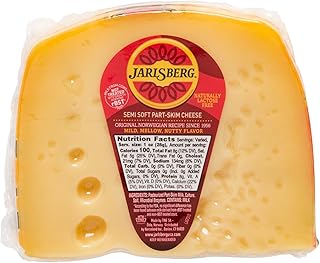


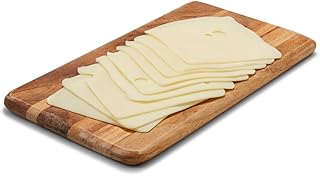
Swiss Cheese Varieties: Exploring the types of Swiss cheese and whether all are processed or if there are traditional, unprocessed versions
Switzerland is renowned for its cheese, with over 450 varieties produced in the country. While many people associate Swiss cheese with the processed, pre-sliced versions commonly found in supermarkets, there is a rich tradition of artisanal cheese-making in Switzerland that predates modern processing techniques.
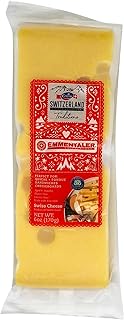
One of the most famous Swiss cheeses, Emmental, is a prime example of a traditionally made cheese that has been produced for centuries. Made from cow's milk, Emmental is characterized by its large holes and nutty flavor. The cheese is made using a natural fermentation process, where lactic acid bacteria and yeast work together to create the distinctive taste and texture.
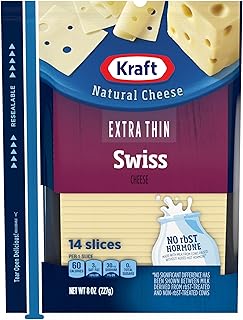
In contrast, some Swiss cheeses, such as Sliced Swiss, are indeed processed. These cheeses are often made from a blend of different milk types and undergo a series of mechanical and chemical processes to achieve their uniform texture and flavor. While these processed cheeses are convenient and widely available, they often lack the complexity and depth of flavor found in their traditional counterparts.
So, not all Swiss cheeses are processed. There are many traditional, unprocessed varieties that are made using time-honored techniques and natural ingredients. These cheeses offer a glimpse into Switzerland's rich cheese-making heritage and are a testament to the country's commitment to quality and craftsmanship.
Nurturing Your Swiss Cheese Plant: A Comprehensive Care Guide
You may want to see also
Explore related products




Processing Methods: Describing the specific techniques and ingredients used in processing Swiss cheese, such as pasteurization and additives
The process of making Swiss cheese involves several key steps that contribute to its distinctive flavor and texture. It begins with the pasteurization of milk, which is heated to a specific temperature to kill harmful bacteria and extend the cheese's shelf life. This is a crucial step in ensuring the safety and quality of the final product.
Following pasteurization, the milk is mixed with specific bacterial cultures that are responsible for the fermentation process. These cultures include Propionibacterium freudenreichii, which produces the characteristic holes in Swiss cheese, and other lactic acid bacteria that contribute to its tangy flavor. The mixture is then left to ferment for a period of time, during which the bacteria convert the lactose in the milk into lactic acid, causing the milk to thicken and develop its unique taste.
Once the fermentation process is complete, the curd is cut into small pieces and heated to a specific temperature to expel excess moisture and form the characteristic holes. This step is known as "scalding" and is essential in creating the cheese's distinctive appearance and texture. The curd is then pressed into molds and aged for several months, during which time it develops its full flavor and aroma.
In addition to the basic ingredients of milk and bacterial cultures, Swiss cheese may also contain additives such as salt, calcium chloride, and rennet. These additives help to control the fermentation process, improve the cheese's texture, and enhance its flavor. However, it is important to note that the use of additives is strictly regulated to ensure the safety and quality of the cheese.
Overall, the processing methods used in making Swiss cheese are designed to produce a high-quality, safe, and flavorful product. By carefully controlling each step of the process, from pasteurization to aging, cheese makers can create a cheese that is both delicious and distinctive.
The Curious Case of Subway's Swiss Cheese Disappearance
You may want to see also
Explore related products


Nutritional Content: Comparing the nutritional profiles of processed Swiss cheese versus natural cheese options, focusing on fats, proteins, and preservatives
Processed Swiss cheese and natural cheese options exhibit distinct nutritional profiles that are important for consumers to understand. One key difference lies in the fat content. Processed Swiss cheese often contains higher levels of saturated fats due to the addition of oils and fats during the manufacturing process. In contrast, natural cheese options tend to have a more balanced fat profile, with a lower proportion of saturated fats. This distinction is crucial for individuals monitoring their fat intake, particularly those with cardiovascular health concerns.
Protein content is another area where processed and natural Swiss cheeses diverge. While both types provide a good source of protein, natural cheese options typically offer a slightly higher protein content. This is because the processing methods used in creating Swiss cheese can sometimes result in a loss of protein. For those looking to maximize their protein intake, opting for natural Swiss cheese may be a more beneficial choice.
Preservatives are a significant consideration when comparing the nutritional profiles of processed and natural Swiss cheeses. Processed cheeses often contain artificial preservatives such as sodium nitrite and sodium nitrate, which are used to extend shelf life and prevent bacterial growth. These preservatives have been a subject of debate, with some studies suggesting potential health risks associated with their consumption. Natural cheese options, on the other hand, tend to rely on more traditional preservation methods, such as aging and salting, which do not involve the use of artificial additives. This makes natural Swiss cheese a preferable option for those seeking to minimize their intake of artificial preservatives.
In summary, when comparing the nutritional content of processed Swiss cheese versus natural cheese options, it is evident that natural cheeses generally offer a more favorable nutritional profile. With lower levels of saturated fats, higher protein content, and the absence of artificial preservatives, natural Swiss cheese presents a healthier alternative for consumers. However, it is important to note that individual dietary needs and preferences should always be taken into account when making food choices.
Exploring the Carb Content in Swiss Cheese: A Nutritional Breakdown
You may want to see also
Explore related products

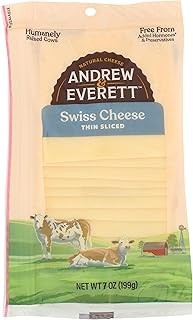


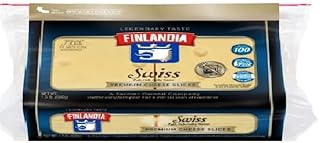
Culinary Uses: Discussing the best culinary applications for processed Swiss cheese and how it can be incorporated into various dishes
Processed Swiss cheese, with its distinctive holes and mild flavor, is a versatile ingredient that can elevate a variety of dishes. One of its best culinary applications is in fondue, where its smooth melting properties create a rich and creamy texture. To make a classic Swiss fondue, combine 1 cup of dry white wine, 1 tablespoon of lemon juice, and 1/4 teaspoon of ground black pepper in a saucepan. Gradually add 2 cups of grated processed Swiss cheese, stirring constantly until melted and smooth. Serve with crusty bread, vegetables, or meats for dipping.
Another excellent use for processed Swiss cheese is in quiches and frittatas. Its mild flavor complements a wide range of ingredients, from vegetables to meats. For a simple Swiss cheese quiche, whisk together 4 eggs, 1 cup of milk, and 1/2 teaspoon of salt. Add 1 cup of grated processed Swiss cheese and your choice of fillings, such as sautéed spinach, mushrooms, or ham. Pour the mixture into a pre-baked pie crust and bake at 375°F (190°C) for 35-40 minutes, or until set.
Processed Swiss cheese can also be used to make a delicious and comforting grilled cheese sandwich. Its excellent melting properties ensure a gooey and satisfying texture. Simply butter two slices of bread, place 2-3 slices of processed Swiss cheese between them, and grill over medium heat until golden brown and melted. For an extra touch of flavor, add sliced tomatoes or bacon.
In addition to these classic dishes, processed Swiss cheese can be incorporated into a variety of other recipes. It can be used as a topping for baked potatoes, mixed into pasta dishes, or added to omelets and scrambled eggs. Its mild flavor and smooth texture make it a versatile ingredient that can enhance the taste and appeal of many different dishes.
Exploring the Richness of Emmentaler: Switzerland's Iconic Cheese Delight
You may want to see also
Frequently asked questions
Swiss cheese is a type of cheese that undergoes a natural aging process, which involves bacterial fermentation. While it is not typically classified as a highly processed cheese like some other varieties, it does undergo some level of processing to achieve its characteristic flavor and texture.
Swiss cheese is made using traditional cheese-making methods that involve natural aging and bacterial fermentation. Highly processed cheeses, on the other hand, often contain additives, preservatives, and artificial flavorings. They may also be made using methods that do not involve natural aging, such as spray-drying or ultra-pasteurization.
Swiss cheese is generally considered a healthy option when consumed in moderation. It is a good source of protein, calcium, and other nutrients. However, it is also high in fat and calories, so it is important to consume it as part of a balanced diet. Some people may also be sensitive to the bacteria used in the fermentation process, which can cause digestive issues.








![Sliced Swiss Cheese, For an on-the-go snack and sandwiches, All-natural ingredients, delightful flavor to snack time or sandwiches, [ 32 oz, 2 lb ]](https://m.media-amazon.com/images/I/51nBWuZkTIL._AC_UL320_.jpg)