Kamil Perry
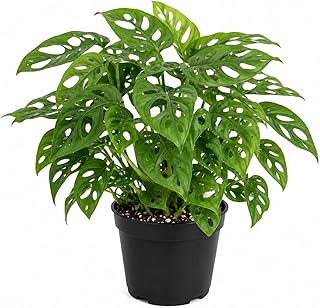
Taking care of a Swiss cheese plant, also known as Monstera deliciosa, involves understanding its specific needs and providing the right environment. These tropical plants are popular for their unique, fenestrated leaves and relatively easy care requirements. To ensure your Swiss cheese plant thrives, it's essential to provide bright, indirect light and maintain consistent moisture levels without overwatering. Additionally, these plants benefit from high humidity, which can be achieved through regular misting or the use of a humidifier. Fertilizing during the growing season with a balanced, water-soluble fertilizer can also promote healthy growth. Pruning may be necessary to control the plant's size and shape, and repotting should be done every few years to accommodate root growth. By following these guidelines, you can enjoy the beauty and air-purifying benefits of your Swiss cheese plant for years to come.
Explore related products


What You'll Learn
- Lighting Requirements: Swiss cheese plants thrive in bright, indirect light. Avoid direct sunlight to prevent leaf scorch
- Watering Schedule: Water when the top inch of soil feels dry. Overwatering can lead to root rot, so ensure good drainage
- Humidity Needs: These plants prefer high humidity. Use a humidifier or place the pot on a tray of wet pebbles
- Fertilization Tips: Feed with a balanced, water-soluble fertilizer every 4-6 weeks during the growing season
- Pruning and Propagation: Prune to maintain shape and encourage bushiness. Propagate through stem cuttings in moist soil

Lighting Requirements: Swiss cheese plants thrive in bright, indirect light. Avoid direct sunlight to prevent leaf scorch
Swiss cheese plants, known scientifically as Monstera deliciosa, are tropical plants that have become popular houseplants due to their unique, perforated leaves. To ensure your Swiss cheese plant thrives, it's crucial to provide the right lighting conditions. These plants prefer bright, indirect light, which mimics their natural habitat in the tropical rainforests of Central and South America.
Direct sunlight can be detrimental to Swiss cheese plants, causing leaf scorch and potentially killing the plant. Leaf scorch appears as brown, crispy edges on the leaves and can quickly spread if the plant continues to receive direct sunlight. To prevent this, place your plant in a location where it can receive filtered light, such as near a window with sheer curtains or in a room with bright, ambient light.
If you're unsure about the lighting conditions in your home, consider using a light meter to measure the intensity of the light. Swiss cheese plants thrive in light levels between 500 and 1000 lux. If the light levels are too low, the plant may become leggy and produce smaller leaves. Conversely, if the light levels are too high, the plant may suffer from leaf scorch.
In addition to providing the right amount of light, it's also important to ensure that the plant receives light from multiple angles. This can be achieved by rotating the plant regularly or by placing it in a location where it can receive light from different windows throughout the day. By providing the right lighting conditions, you can help your Swiss cheese plant grow and thrive, producing beautiful, healthy leaves that will add a touch of tropical beauty to your home.
The Origins of Swiss Cheese: A Culinary Journey Through Switzerland
You may want to see also
Explore related products





Watering Schedule: Water when the top inch of soil feels dry. Overwatering can lead to root rot, so ensure good drainage
To maintain the health of a Swiss cheese plant, it's crucial to adhere to a proper watering schedule. Water the plant when the top inch of soil feels dry to the touch. This ensures that the roots receive adequate moisture without becoming waterlogged. Overwatering is a common mistake that can lead to root rot, a condition where the roots become mushy and start to decay. To prevent this, make sure the pot has good drainage holes and use a well-draining soil mix.
During the growing season, which typically spans from spring to fall, Swiss cheese plants may require more frequent watering due to increased temperatures and humidity. In contrast, during the dormant winter months, reduce the frequency of watering to allow the soil to dry out more between waterings. This mimics the plant's natural environment and helps to prevent root rot.
It's also important to consider the size of the pot and the plant when determining a watering schedule. Larger pots and plants will require more water than smaller ones. Additionally, if the plant is placed in a location with direct sunlight or near a heat source, it may dry out more quickly and need to be watered more often.
To ensure proper watering, it's helpful to establish a routine and keep track of when the plant was last watered. This can be done by marking the date on a calendar or setting a reminder on a smartphone. By following a consistent watering schedule and being mindful of the plant's specific needs, you can help to maintain its health and prevent root rot.
The Aging Process of Swiss Cheese: A Comprehensive Guide
You may want to see also
Explore related products




Humidity Needs: These plants prefer high humidity. Use a humidifier or place the pot on a tray of wet pebbles
Maintaining the right humidity levels is crucial for the health and vibrancy of a Swiss cheese plant. These tropical natives thrive in environments with high moisture content, which can be challenging to replicate in many indoor settings. To ensure your plant gets the humidity it needs, consider using a humidifier, especially during the drier winter months. Alternatively, you can create a makeshift humidity tray by filling a shallow dish with water and pebbles, then placing your plant pot on top. This method allows the water to evaporate slowly, increasing the local humidity around the plant.
It's important to monitor the humidity levels around your Swiss cheese plant regularly. You can use a hygrometer to measure the moisture content in the air, aiming for a range of 50-70% relative humidity. If the humidity is too low, your plant may exhibit signs of stress, such as yellowing leaves, brown edges, or a general lack of vigor. In addition to using a humidifier or humidity tray, you can also increase humidity by grouping plants together, as they will transpire moisture into the air.
Another effective method to boost humidity is to mist your Swiss cheese plant regularly with a spray bottle. This not only helps to maintain the right moisture levels but also provides an opportunity to clean the leaves and remove any dust or debris that may have accumulated. Be sure to use lukewarm water for misting, as cold water can shock the plant and cause damage.
In summary, meeting the humidity needs of a Swiss cheese plant is essential for its overall health and well-being. By using a humidifier, creating a humidity tray, grouping plants, or misting regularly, you can create an environment that closely mimics the plant's natural tropical habitat. Remember to monitor humidity levels and adjust your methods as needed to ensure your Swiss cheese plant thrives.
Exploring the Carb Content in Swiss Cheese: A Nutritional Breakdown
You may want to see also
Explore related products


Fertilization Tips: Feed with a balanced, water-soluble fertilizer every 4-6 weeks during the growing season
To ensure optimal growth and health of your Swiss cheese plant, it's crucial to provide it with the right nutrients at the right time. Fertilizing your plant with a balanced, water-soluble fertilizer every 4-6 weeks during the growing season is a key practice in its care regimen. This regular feeding schedule helps maintain a consistent supply of essential nutrients, promoting vigorous growth and preventing nutrient deficiencies that can lead to yellowing leaves or stunted development.
When selecting a fertilizer for your Swiss cheese plant, look for one that offers a balanced ratio of nitrogen (N), phosphorus (P), and potassium (K), such as a 20-20-20 formula. These macronutrients are vital for various aspects of plant health: nitrogen supports leaf growth, phosphorus is essential for root development and flowering, and potassium helps regulate water balance and overall plant vigor. Additionally, consider a fertilizer that contains micronutrients like iron, magnesium, and zinc, which are important for chlorophyll production and overall plant metabolism.
Before applying fertilizer, it's important to assess your plant's current condition and adjust the feeding schedule accordingly. If your Swiss cheese plant is experiencing rapid growth or showing signs of nutrient deficiency, you may need to increase the frequency of fertilization to every 3-4 weeks. Conversely, if the plant is in a dormant phase or showing signs of over-fertilization (such as brown leaf tips or a buildup of white residue on the soil surface), you may need to reduce the frequency to every 6-8 weeks.
To apply the fertilizer, dilute it to the recommended strength according to the manufacturer's instructions, typically around 1/4 to 1/2 teaspoon per gallon of water for a balanced, water-soluble fertilizer. Water the plant thoroughly with the fertilizer solution, ensuring that the soil is evenly moistened. Be careful not to over-water, as this can lead to root rot and other problems. After fertilizing, monitor your plant's response and adjust the feeding schedule and dosage as needed to maintain optimal health and growth.
Remember, proper fertilization is just one aspect of caring for your Swiss cheese plant. It's also important to provide adequate light, maintain consistent soil moisture, and prune the plant regularly to encourage bushy growth and prevent it from becoming leggy. By following these guidelines and paying close attention to your plant's needs, you can enjoy a thriving Swiss cheese plant that adds a touch of tropical beauty to your indoor space.
Protein Power: Unveiling the Nutritional Benefits of Swiss Cheese
You may want to see also
Explore related products


Pruning and Propagation: Prune to maintain shape and encourage bushiness. Propagate through stem cuttings in moist soil
Pruning a Swiss cheese plant is essential for maintaining its shape and encouraging a bushier growth habit. This process involves selectively removing certain parts of the plant to promote healthier growth and prevent it from becoming leggy. When pruning, it's important to use clean, sharp tools to make precise cuts and minimize the risk of damaging the plant. Pruning should be done during the plant's active growing season, which is typically in the spring and summer months.
To prune a Swiss cheese plant, start by removing any dead or damaged leaves and stems. Then, look for stems that are crossing or rubbing against each other and remove one of them to prevent damage and improve air circulation. Next, identify the nodes on the stems, which are the points where leaves or branches emerge. Cut just above these nodes to encourage new growth and maintain the plant's shape. It's important not to remove too much of the plant at once, as this can stress it and slow down its growth.
Propagation through stem cuttings is a simple and effective way to create new Swiss cheese plants. To propagate, start by selecting a healthy stem with several nodes. Cut the stem into sections, each with at least one node, and remove any leaves from the lower part of the cutting. Dip the cut end of the stem in rooting hormone powder to encourage root development. Then, plant the cutting in moist soil and keep it in a warm, humid environment until roots develop. This process typically takes a few weeks, after which the new plant can be transplanted into a pot and cared for as a mature Swiss cheese plant.
When propagating through stem cuttings, it's important to use a well-draining soil mix to prevent the cuttings from rotting. Keep the soil consistently moist but not waterlogged, and avoid direct sunlight, which can scorch the tender new growth. Using a clear plastic bag or a cloche can help maintain humidity around the cuttings and speed up the rooting process. Once roots have developed, gradually acclimate the new plant to brighter light and normal watering conditions before transplanting it into a permanent pot.
The Curious Case of Subway's Swiss Cheese Disappearance
You may want to see also
Frequently asked questions
Water your Swiss cheese plant when the top inch of soil feels dry to the touch. Overwatering can lead to root rot, so it's important to allow the soil to dry out between waterings.
Swiss cheese plants prefer bright, indirect light. Direct sunlight can scorch the leaves, while too little light can cause the plant to become leggy.
The ideal temperature range for a Swiss cheese plant is between 65°F and 75°F (18°C and 24°C). Avoid placing the plant near drafts or air conditioning vents.
To propagate a Swiss cheese plant, cut a stem cutting with at least two nodes and place it in water. Change the water every few days to prevent bacterial growth. Once roots develop, transfer the cutting to a pot with well-draining soil.
Common pests that can affect a Swiss cheese plant include spider mites, mealybugs, and scale insects. Regularly inspect your plant and treat any infestations with insecticidal soap or neem oil.