Bushra Griffith
Swiss cheese, known for its distinctive holes and mild flavor, is a popular choice in many diets. However, when considering its nutritional value, it's important to weigh both the benefits and potential drawbacks. Swiss cheese is a good source of protein, calcium, and several vitamins, including vitamin A and vitamin B12. These nutrients are essential for maintaining strong bones, supporting muscle function, and promoting overall health. On the other hand, Swiss cheese is also relatively high in saturated fat and sodium, which can be concerning for individuals monitoring their heart health or blood pressure. Additionally, the presence of histamine in aged cheeses like Swiss can cause adverse reactions in some people, particularly those with histamine intolerance. Therefore, while Swiss cheese can be a nutritious addition to a balanced diet when consumed in moderation, it's crucial to consider individual health needs and dietary restrictions before incorporating it into your meals.
Explore related products


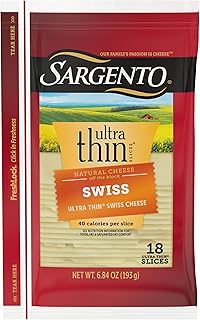

What You'll Learn
- Nutritional Content: Swiss cheese is rich in protein, calcium, and vitamins, but also high in fat and calories
- Cholesterol Levels: It contains cholesterol, which may be a concern for those monitoring their heart health
- Sodium Content: Swiss cheese can be high in sodium, potentially problematic for individuals with high blood pressure
- Allergies and Intolerances: Some people may be allergic or intolerant to dairy products, including Swiss cheese
- Dietary Restrictions: Vegetarians and vegans avoid Swiss cheese due to its animal origin

Nutritional Content: Swiss cheese is rich in protein, calcium, and vitamins, but also high in fat and calories
Swiss cheese, renowned for its distinctive holes and rich flavor, offers a complex nutritional profile that can be both beneficial and detrimental to health. On the positive side, it is an excellent source of high-quality protein, essential for muscle repair and growth. Additionally, it provides a substantial amount of calcium, crucial for maintaining strong bones and teeth, and is fortified with vitamins A and B12, which support immune function and energy metabolism, respectively.
However, the nutritional benefits of Swiss cheese must be weighed against its high fat and calorie content. A single ounce of Swiss cheese contains approximately 100 calories and 8 grams of fat, with a significant portion being saturated fat. This can contribute to weight gain and increased cholesterol levels if consumed in excess. Furthermore, the high sodium content in Swiss cheese can be a concern for individuals with hypertension or those on a sodium-restricted diet.
To incorporate Swiss cheese into a balanced diet, moderation is key. It can be a nutritious addition to meals when consumed in small quantities, paired with whole grains, fruits, and vegetables to create a well-rounded nutritional intake. For those monitoring their calorie or fat intake, opting for lower-fat varieties of Swiss cheese or reducing portion sizes can help mitigate the potential negative health impacts while still allowing for the enjoyment of its unique taste and texture.
In conclusion, while Swiss cheese boasts several nutritional advantages, its high fat, calorie, and sodium content necessitate mindful consumption. By balancing portion sizes and integrating it into a diverse diet, individuals can savor the benefits of Swiss cheese while minimizing its potential drawbacks.
The Shelf Life of String Cheese: Does It Go Bad?
You may want to see also
Explore related products


Cholesterol Levels: It contains cholesterol, which may be a concern for those monitoring their heart health
Swiss cheese, known for its distinctive holes and rich flavor, is a dairy product that contains cholesterol. This can be a concern for individuals who are monitoring their heart health, as high cholesterol levels are often associated with an increased risk of cardiovascular diseases. However, it's important to note that the cholesterol content in Swiss cheese is relatively low compared to other types of cheese. For example, a one-ounce serving of Swiss cheese contains approximately 6 milligrams of cholesterol, which is less than 2% of the daily value recommended for a healthy adult.
Despite its low cholesterol content, Swiss cheese should still be consumed in moderation as part of a balanced diet. It is high in calories and saturated fat, which can contribute to weight gain and increased cholesterol levels if consumed excessively. Additionally, Swiss cheese is a good source of protein, calcium, and vitamins A and B12, which are essential for maintaining overall health.
For those who are concerned about their cholesterol levels, it's advisable to consult with a healthcare professional to determine the appropriate amount of Swiss cheese to include in their diet. In some cases, individuals may need to limit their intake of all types of cheese, while others may be able to enjoy Swiss cheese as an occasional treat.
In conclusion, while Swiss cheese does contain cholesterol, it can still be a part of a healthy diet when consumed in moderation. It's important to consider the overall nutritional profile of Swiss cheese, including its protein, calcium, and vitamin content, when making dietary decisions. As with any food, it's best to consult with a healthcare professional to determine the appropriate amount to include in your diet based on your individual health needs and goals.
Parmesan Cheese Storage: Does Grated Parmesan Go Bad if Not Refrigerated?
You may want to see also
Explore related products


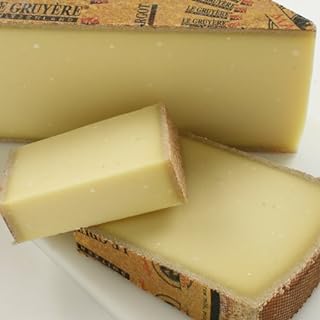


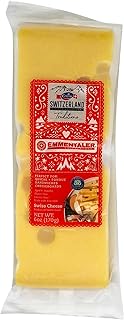
Sodium Content: Swiss cheese can be high in sodium, potentially problematic for individuals with high blood pressure
Swiss cheese, renowned for its distinctive holes and rich flavor, is a dairy product that can be high in sodium. This characteristic is particularly noteworthy for individuals who are managing high blood pressure. Sodium plays a critical role in the body by helping to maintain fluid balance and nerve function. However, excessive sodium intake can lead to hypertension, where the blood pressure against the walls of the arteries is consistently too high. This condition can strain the heart and blood vessels, increasing the risk of heart disease and stroke.
The sodium content in Swiss cheese can vary depending on the type and brand. For instance, some varieties of Swiss cheese can contain upwards of 100 milligrams of sodium per ounce. Considering that the American Heart Association recommends limiting daily sodium intake to less than 2,300 milligrams for healthy individuals, and even less for those with hypertension, it's clear that consuming Swiss cheese in moderation is key.
For those with high blood pressure, it's essential to monitor sodium intake carefully. This doesn't necessarily mean avoiding Swiss cheese altogether, but rather being mindful of portion sizes and balancing it with other low-sodium foods. Additionally, opting for lower-sodium varieties of Swiss cheese or choosing alternative cheeses with lower sodium content can be beneficial.
It's also important to consider the overall dietary pattern. A diet rich in fruits, vegetables, whole grains, and lean proteins can help mitigate the effects of high sodium intake. Regular physical activity and maintaining a healthy weight can also contribute to better blood pressure management.
In conclusion, while Swiss cheese can be high in sodium, it can still be part of a balanced diet for individuals with high blood pressure. The key is moderation and awareness of overall sodium intake. By making informed choices and considering the sodium content of all foods consumed, individuals can enjoy the taste of Swiss cheese without compromising their health.
Can Dogs Eat Goat Cheese? A Comprehensive Guide for Pet Owners
You may want to see also
Explore related products
![Swiss Cheese , all-natural Swiss cheese is imported from Finland and aged for over 100 days. , Lactose-free , Contains Cultured Pasteurized Part Skim Milk, Salt and Enzymes . Flavor : Rich, nutty, and robust with a distinctly spicy flavor. [ 32 oz , 2 lb ]](https://m.media-amazon.com/images/I/51xbCNq9HOL._AC_UL320_.jpg)




Allergies and Intolerances: Some people may be allergic or intolerant to dairy products, including Swiss cheese
Swiss cheese, renowned for its rich flavor and versatility in culinary applications, may pose health concerns for certain individuals due to potential allergies or intolerances. Dairy allergies are among the most common food allergies, affecting approximately 2-3% of infants and young children, with symptoms ranging from mild to life-threatening. While many children outgrow dairy allergies, some individuals may continue to experience adverse reactions throughout their lives.
Lactose intolerance, another prevalent issue, occurs when the body lacks sufficient lactase, the enzyme responsible for breaking down lactose, the primary sugar in dairy products. This condition can lead to digestive discomfort, including bloating, gas, and diarrhea, when consuming dairy. Interestingly, lactose intolerance is more common in certain ethnic groups, such as African Americans, Hispanics, and Asian Americans, with up to 90% of adults in these populations experiencing some degree of lactose intolerance.
For those with dairy allergies or lactose intolerance, the consumption of Swiss cheese can trigger unpleasant symptoms. However, it is essential to note that the severity of reactions can vary greatly among individuals. Some may be able to tolerate small amounts of Swiss cheese or other dairy products, while others may need to avoid them entirely. It is crucial for individuals with suspected dairy allergies or intolerances to consult with a healthcare professional for proper diagnosis and guidance on managing their condition.
In recent years, there has been a growing trend towards dairy-free alternatives, including plant-based cheeses, which can provide a viable option for those with dairy allergies or intolerances. These alternatives often mimic the taste and texture of traditional dairy cheeses, allowing individuals to enjoy their favorite dishes without compromising their health. Additionally, many restaurants and food manufacturers now offer dairy-free options, making it easier for those with dietary restrictions to navigate menus and grocery aisles.
Ultimately, while Swiss cheese may be a delicious addition to many meals, it is essential to be mindful of potential allergies and intolerances. By understanding the risks and taking appropriate precautions, individuals can make informed decisions about their dietary choices and enjoy a balanced, healthy diet.
The Shelf Life Saga: Does Macaroni and Cheese Go Bad?
You may want to see also
Explore related products




Dietary Restrictions: Vegetarians and vegans avoid Swiss cheese due to its animal origin
Vegetarians and vegans avoid Swiss cheese due to its animal origin, which is a significant dietary restriction for those following plant-based diets. Swiss cheese is made from cow's milk, which is a direct animal product. Additionally, the cheese-making process often involves the use of animal rennet, an enzyme derived from the stomach lining of calves, which is used to curdle the milk. This makes Swiss cheese unsuitable for both vegetarians and vegans.
For vegetarians, the primary concern is the use of animal rennet. Some Swiss cheeses are made with microbial or fungal rennet, which are vegetarian-friendly alternatives. However, traditional Swiss cheese recipes often use animal rennet, so vegetarians must be cautious when selecting Swiss cheese.
Vegans, on the other hand, avoid all animal products, including dairy. Swiss cheese is a dairy product, and therefore, it is not suitable for vegans. Vegans often opt for plant-based cheese alternatives made from ingredients like nuts, seeds, and soy.
It's important to note that dietary restrictions related to Swiss cheese are not only limited to vegetarians and vegans. Individuals with lactose intolerance or dairy allergies also need to avoid Swiss cheese due to its dairy content. Additionally, those following a kosher or halal diet may have specific requirements regarding the source and preparation of dairy products, which could impact their consumption of Swiss cheese.
In conclusion, while Swiss cheese is a delicious and nutritious food for many, it is not suitable for vegetarians, vegans, or individuals with certain dietary restrictions. It's essential to be aware of these restrictions when selecting foods and to explore alternative options that align with one's dietary needs and preferences.
Spotting Spoilage: A Guide to Fresh Ricotta Cheese
You may want to see also
Frequently asked questions
Swiss cheese, like many other types of cheese, can be part of a healthy diet when consumed in moderation. It is a good source of protein, calcium, and vitamins such as vitamin A and B12. However, it is also high in saturated fat and sodium, so it's important to watch portion sizes.
Swiss cheese is rich in protein, which is essential for muscle repair and growth. It also contains calcium, which is important for bone health, and vitamins A and B12, which support immune function and energy production. Additionally, Swiss cheese contains probiotics that can aid in digestion.
Compared to other types of cheese, Swiss cheese has a relatively lower fat content and higher protein content. It also contains more probiotics than some other cheeses due to the fermentation process used to make it. However, it is still important to consume all types of cheese in moderation as part of a balanced diet.
One potential health risk associated with eating Swiss cheese is its high sodium content, which can contribute to high blood pressure if consumed in excess. Additionally, like all dairy products, Swiss cheese contains lactose, which can cause digestive issues for individuals who are lactose intolerant.
To incorporate Swiss cheese into a healthy diet, consider using it as a protein source in salads, sandwiches, or as a snack with whole-grain crackers or fruit. It can also be used in cooking to add flavor to dishes without adding excessive fat or calories. Remember to watch portion sizes and balance your intake with other nutrient-dense foods.