Bushra Griffith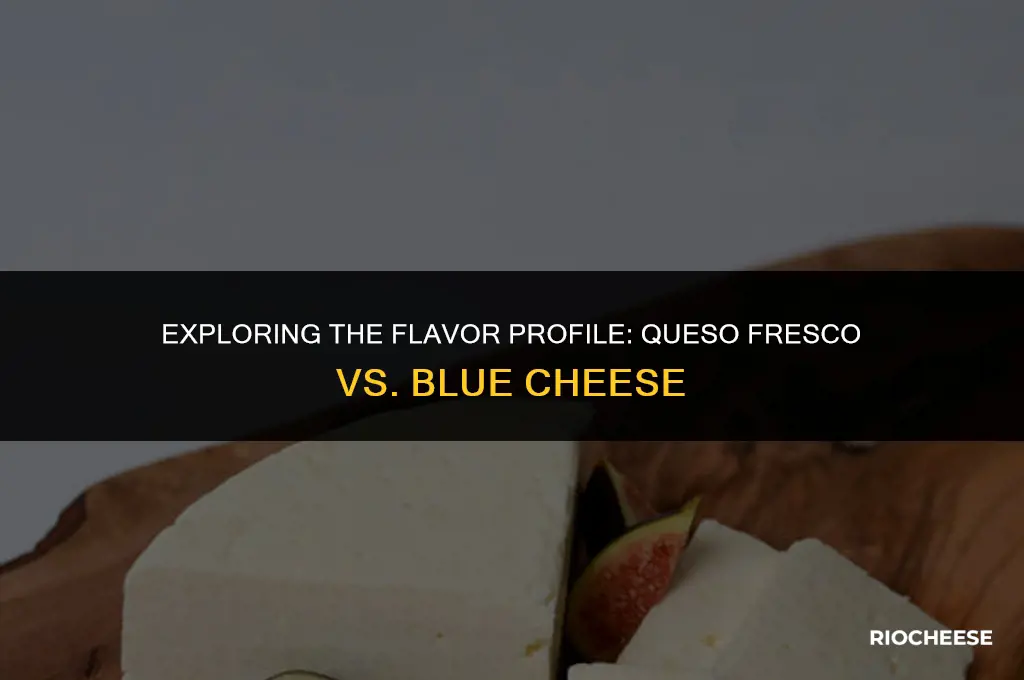
Queso fresco and blue cheese are two distinct types of cheese that differ significantly in their flavor profiles, textures, and production methods. Queso fresco, which translates to fresh cheese in Spanish, is a soft, crumbly cheese with a mild, slightly tangy flavor. It is commonly used in Mexican and Latin American cuisines, often crumbled over dishes like tacos, salads, and soups. On the other hand, blue cheese is a strong, pungent cheese characterized by its blue or green veins, which are created by the introduction of mold cultures during the aging process. Blue cheese is typically sharper and more intense in flavor compared to queso fresco, and it is often used in dressings, sauces, or as a bold addition to various dishes. While both cheeses can add unique qualities to culinary creations, their similarities are limited, making them distinct ingredients in the world of gastronomy.
| Characteristics | Values |
|---|---|
| Flavor Profile | Queso fresco has a mild, slightly tangy flavor, while blue cheese has a strong, pungent, and sharp taste. |
| Texture | Queso fresco is crumbly and moist, whereas blue cheese can range from creamy to crumbly depending on the type. |
| Color | Queso fresco is typically white or off-white, while blue cheese has a white base with blue or green veins. |
| Fat Content | Queso fresco is generally lower in fat compared to blue cheese, which can be quite rich and fatty. |
| Aging Process | Queso fresco is a fresh cheese, often consumed shortly after production, while blue cheese undergoes a longer aging process, sometimes lasting several months. |
| Production Method | Queso fresco is made by coagulating milk with an acid like lemon juice or vinegar, then draining the whey. Blue cheese is made by introducing Penicillium cultures to the cheese curds during production. |
| Cultural Origin | Queso fresco originates from Mexico and is commonly used in Mexican cuisine. Blue cheese has origins in Europe, particularly in France and the United Kingdom. |
| Common Uses | Queso fresco is often used in salads, tacos, and as a garnish. Blue cheese is frequently used in salads, dressings, and as a topping for burgers and steaks. |
| Nutritional Content | Queso fresco is a good source of protein and calcium but is relatively low in vitamins. Blue cheese is high in protein, calcium, and vitamins, particularly vitamin B12. |
| Allergen Considerations | Both cheeses contain lactose and may not be suitable for individuals with lactose intolerance. Blue cheese may also contain mold, which could be an allergen for some people. |
Explore related products


What You'll Learn
- Flavor Profile: Queso fresco is mild and slightly salty, while blue cheese is strong, pungent, and tangy
- Texture: Queso fresco is crumbly and soft; blue cheese has a creamy yet crumbly texture with blue veins
- Aging Process: Queso fresco is typically unaged or lightly aged, whereas blue cheese is aged for several weeks to months
- Culinary Uses: Queso fresco is often used in Mexican dishes like tacos and salads; blue cheese is popular in dressings and as a garnish
- Nutritional Content: Both cheeses vary in fat and calorie content, with blue cheese generally being higher in fat and calories

Flavor Profile: Queso fresco is mild and slightly salty, while blue cheese is strong, pungent, and tangy
Queso fresco and blue cheese are two distinct types of cheese with unique flavor profiles that set them apart. Queso fresco, a popular Mexican cheese, is known for its mild and slightly salty taste. It is often used as a topping for various dishes, such as tacos, salads, and grilled meats, due to its subtle flavor that complements rather than overpowers other ingredients. On the other hand, blue cheese is a strong, pungent, and tangy cheese that is typically used in smaller quantities due to its intense flavor. It is often crumbled over salads, incorporated into dressings, or served as a bold addition to sandwiches and burgers.
The flavor profile of queso fresco is characterized by its creamy texture and delicate taste, which makes it a versatile ingredient in many recipes. It is often compared to other mild cheeses like mozzarella or provolone, but its slightly salty undertone gives it a unique edge. In contrast, blue cheese is known for its sharp, tangy flavor and distinctive blue veins, which are created by the introduction of blue mold during the cheese-making process. This mold imparts a strong, pungent aroma and a bold taste that is not for everyone.
When comparing the two cheeses, it is clear that they cater to different palates and culinary uses. Queso fresco is ideal for those who prefer a milder, more subtle cheese that can be used in a variety of dishes without overwhelming the other flavors. Blue cheese, on the other hand, is better suited for those who enjoy strong, bold flavors and are looking to add a tangy kick to their meals. While both cheeses have their own unique appeal, they are not interchangeable due to their vastly different flavor profiles.
In conclusion, queso fresco and blue cheese are two distinct cheeses with unique flavor profiles that cater to different tastes and culinary applications. Queso fresco is mild and slightly salty, making it a versatile ingredient for various dishes, while blue cheese is strong, pungent, and tangy, adding a bold flavor to any meal. Understanding the differences between these two cheeses can help you choose the right one for your recipes and enhance the overall taste of your dishes.
Unveiling the Mystery: Humboldt Fog vs. Blue Cheese
You may want to see also
Explore related products



Texture: Queso fresco is crumbly and soft; blue cheese has a creamy yet crumbly texture with blue veins
Queso fresco and blue cheese, while both beloved in their respective culinary traditions, exhibit distinct textural qualities that set them apart. Queso fresco, a staple in Mexican cuisine, is characterized by its crumbly and soft texture. This fresh cheese is often used as a topping for dishes like tacos and salads, where its delicate crumb can add a subtle richness without overpowering the other ingredients.
In contrast, blue cheese, known for its pungent flavor and striking appearance, boasts a creamy yet crumbly texture interspersed with blue veins of mold. These veins not only contribute to the cheese's unique taste but also create a visually appealing marbling effect. Blue cheese is typically used in smaller quantities due to its strong flavor, often crumbled over salads, incorporated into dressings, or served as a bold addition to cheese platters.
The textural differences between queso fresco and blue cheese are primarily due to their production processes and aging times. Queso fresco is a fresh cheese, made by coagulating milk and then draining the whey, resulting in a soft, moist product. On the other hand, blue cheese undergoes a longer aging process, during which the mold develops and contributes to the cheese's crumbly texture and intense flavor.
When considering the use of these cheeses in cooking, their textures play a crucial role in determining the best applications. Queso fresco's soft crumb makes it an excellent choice for dishes where a gentle, creamy texture is desired, while blue cheese's creaminess and crumbly nature make it a standout ingredient in recipes that call for a bold, tangy flavor profile.
In summary, while both queso fresco and blue cheese offer unique textural qualities, their differences in crumbly softness versus creamy crumbliness with blue veins make them suited for distinct culinary uses. Understanding these textural nuances can help chefs and home cooks alike make informed decisions when selecting cheeses for their dishes.
Exploring the Low FODMAP Diet: Is Blue Cheese a Suitable Choice?
You may want to see also
Explore related products


Aging Process: Queso fresco is typically unaged or lightly aged, whereas blue cheese is aged for several weeks to months
The aging process is a critical factor that distinguishes queso fresco from blue cheese. Queso fresco, a popular Mexican cheese, is typically unaged or lightly aged, which contributes to its crumbly texture and mild, slightly tangy flavor. This minimal aging process allows queso fresco to retain its moisture and delicate taste, making it an ideal choice for dishes that require a fresh, light cheese.
In contrast, blue cheese undergoes a more extensive aging process, often lasting several weeks to months. This prolonged aging period allows the cheese to develop its characteristic strong, pungent flavor and creamy texture. The aging process also enables the growth of blue mold, which gives blue cheese its distinctive veining and intense taste. The longer the cheese is aged, the more pronounced these flavors become, resulting in a cheese that is often used as a bold, flavorful ingredient in various culinary applications.
The difference in aging processes not only affects the taste and texture of these cheeses but also their culinary uses. Queso fresco, with its mild flavor and crumbly texture, is commonly used in dishes such as tacos, salads, and salsas, where it adds a fresh, light element without overpowering other ingredients. Blue cheese, on the other hand, is often used in dishes that require a strong, assertive flavor, such as in dressings, sauces, or as a topping for burgers and steaks.
Understanding the aging process of these cheeses can help chefs and home cooks make informed decisions about when and how to use them in their recipes. For instance, if a dish calls for a mild, fresh cheese, queso fresco would be an excellent choice. However, if a recipe requires a bold, flavorful cheese, blue cheese would be a better option. By considering the aging process and its impact on flavor and texture, cooks can enhance the overall taste and quality of their dishes.
Crafting the Perfect Charcuterie: A Guide to Slicing Blue Cheese
You may want to see also
Explore related products
![Queso Fresco is a soft, moist cheese with a mild taste and fine grain texture. This versatile cheese can be crumbled as a meal topping or used as a filling in cooked Mexican-style dishes. 2 PK ..[ 36 oz , 2.25 lb ]](https://m.media-amazon.com/images/I/51VymiX7OCL._AC_UL320_.jpg)


Culinary Uses: Queso fresco is often used in Mexican dishes like tacos and salads; blue cheese is popular in dressings and as a garnish
Queso fresco and blue cheese, while both beloved in their respective cuisines, serve distinct culinary purposes due to their unique flavors and textures. Queso fresco, with its mild, slightly salty taste and crumbly texture, is a staple in Mexican cuisine. It's often used as a topping for tacos, where its freshness complements the savory fillings without overpowering them. Additionally, queso fresco is a common ingredient in salads, adding a subtle richness and creaminess that enhances the overall flavor profile. Its versatility also extends to being used in salsas, soups, and even as a filling for chiles rellenos.
On the other hand, blue cheese is known for its strong, pungent flavor and is typically used in smaller quantities. It's a popular choice for dressings, where its bold taste can add depth and complexity to a simple vinaigrette. Blue cheese is also frequently used as a garnish, sprinkled over salads, soups, or pasta dishes to provide a burst of flavor. Its creamy texture makes it an excellent addition to cheese boards, where it can be paired with fruits, nuts, and crackers.
While both cheeses can be used in a variety of dishes, their applications are largely determined by their flavor profiles. Queso fresco's mildness makes it suitable for dishes where a delicate balance of flavors is desired, while blue cheese's strong taste is better suited for dishes that can handle a more assertive flavor. Understanding these differences can help chefs and home cooks alike make informed decisions when selecting cheeses for their recipes.
In terms of preparation, queso fresco is often used fresh, as its texture and flavor are best when it's not melted. Blue cheese, however, can be used both fresh and melted, depending on the dish. When melted, blue cheese can create a rich, gooey texture that's perfect for sauces or dips. Its strong flavor also makes it a good choice for marinades, where it can help tenderize meats while adding a distinctive taste.
Overall, while queso fresco and blue cheese share some similarities as cheeses, their culinary uses are quite different. Queso fresco's mild flavor and crumbly texture make it a versatile ingredient in Mexican cuisine, while blue cheese's strong taste and creamy texture make it a popular choice for dressings, garnishes, and cheese boards. By understanding these differences, cooks can better utilize these cheeses to enhance the flavors of their dishes.
Exploring Litehouse Blue Cheese Dressing: Pasteurization and More
You may want to see also
Explore related products


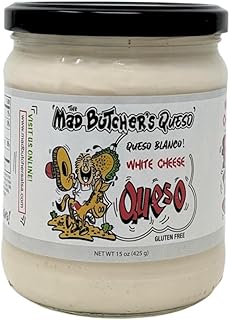
Nutritional Content: Both cheeses vary in fat and calorie content, with blue cheese generally being higher in fat and calories
Analyzing the nutritional profiles of queso fresco and blue cheese reveals distinct differences that are crucial for dietary considerations. Queso fresco, a Mexican cheese, is typically lower in fat and calories compared to blue cheese. A 100-gram serving of queso fresco contains approximately 21 grams of fat and 250 calories, whereas the same serving size of blue cheese can contain around 35 grams of fat and 350 calories. This variance is significant for individuals monitoring their caloric intake or managing conditions such as obesity or cardiovascular disease.
The fat content in blue cheese is predominantly saturated, which has been linked to increased levels of LDL cholesterol, often referred to as "bad" cholesterol. In contrast, queso fresco contains a higher proportion of unsaturated fats, which are generally considered healthier as they can help reduce LDL cholesterol levels and lower the risk of heart disease. Additionally, blue cheese is often higher in sodium due to the brining process and the presence of mold cultures that require salt to grow, which can be a concern for those with hypertension or on a sodium-restricted diet.
From a caloric perspective, the higher fat content in blue cheese directly translates to a greater calorie density. This means that consuming a smaller portion of blue cheese can result in the same caloric intake as a larger portion of queso fresco. For weight management, understanding these caloric nuances is essential, as it allows for more informed food choices that can aid in achieving or maintaining a healthy weight.
In summary, while both cheeses can be part of a balanced diet, their nutritional differences make them suitable for different dietary needs and preferences. Queso fresco, with its lower fat and calorie content, may be a better choice for those looking to reduce their caloric intake or manage their weight, whereas blue cheese, despite its higher fat content, can be enjoyed in moderation as part of a heart-healthy diet due to its unsaturated fat profile.
The Surprising Truth About Blue Cheese and Eggs: What You Need to Know
You may want to see also
Frequently asked questions
Queso fresco has a mild, slightly salty flavor, while blue cheese is known for its strong, pungent taste. They are quite different in flavor profile.
Queso fresco has a crumbly, soft texture, whereas blue cheese can range from soft to hard, depending on the type. Both can be crumbly, but blue cheese often has a more pronounced texture due to the mold veins.
While both cheeses are crumbly, the flavor difference is significant. Queso fresco can be used as a substitute in some recipes, but it won't provide the same strong, tangy flavor that blue cheese offers.
Both cheeses have their health benefits, but queso fresco is generally lower in fat and calories compared to blue cheese. However, blue cheese contains beneficial bacteria from the mold, which can aid digestion.
Queso fresco is commonly used in Mexican and Latin American cuisines, often in dishes like tacos, salads, and salsas. Blue cheese, on the other hand, is popular in various Western cuisines, particularly in salads, dressings, and as a topping for burgers and steaks.