Bushra Griffith
Queso, a popular cheese dip often enjoyed with tortilla chips, has become a staple in many diets, particularly in the United States. However, its nutritional profile has sparked debate among health enthusiasts and nutritionists. This creamy, flavorful dip is typically high in calories, saturated fat, and sodium, which can contribute to health issues such as obesity, heart disease, and high blood pressure when consumed in excess. Additionally, many commercially available queso products contain artificial ingredients and preservatives that may have negative long-term health effects. Despite these concerns, queso can still be part of a balanced diet when consumed in moderation and prepared with healthier ingredients, such as low-fat cheese and fresh vegetables.
Explore related products


What You'll Learn
- Nutritional Content: Queso's calorie, fat, and sodium levels can impact health if consumed excessively
- Benefits: Contains protein, calcium, and vitamins; can be part of a balanced diet in moderation
- Risks: High in saturated fats and sodium; may contribute to heart disease and high blood pressure
- Dietary Restrictions: Not suitable for lactose intolerant individuals or those with dairy allergies
- Healthier Alternatives: Options like reduced-fat queso or plant-based alternatives can offer similar taste with fewer calories

Nutritional Content: Queso's calorie, fat, and sodium levels can impact health if consumed excessively
Queso, a popular cheese dip, can be a nutritional minefield. The calorie, fat, and sodium levels in queso can have significant health impacts if consumed excessively. A single serving of queso can contain upwards of 300 calories, 20 grams of fat, and 1000 milligrams of sodium. These high levels can contribute to weight gain, increased cholesterol, and high blood pressure if consumed regularly.
One of the main concerns with queso is its high saturated fat content. Saturated fats can raise LDL (bad) cholesterol levels, increasing the risk of heart disease. Additionally, the high sodium content in queso can lead to water retention and increased blood pressure, which can strain the heart and kidneys over time.
It's also important to consider the additives and preservatives often found in store-bought queso. These can include artificial flavors, colors, and stabilizers that may have negative health effects. For example, some artificial preservatives have been linked to increased inflammation and oxidative stress in the body.
To make queso a healthier option, consider making it at home using whole-food ingredients. Use low-fat cheese, add plenty of vegetables, and season with herbs and spices instead of relying on processed mixes. This way, you can control the nutritional content and avoid unnecessary additives.
In conclusion, while queso can be a tasty treat, it's important to be mindful of its nutritional content. Consuming it in moderation and making healthier versions at home can help mitigate its potential negative health impacts.
Unraveling the Cheese Conundrum: PCOS and Dairy Dilemma
You may want to see also
Explore related products


Benefits: Contains protein, calcium, and vitamins; can be part of a balanced diet in moderation
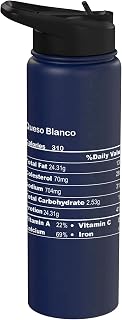
Queso, a popular cheese dip, offers several nutritional benefits that can contribute positively to a balanced diet when consumed in moderation. One of the key advantages of queso is its protein content. Protein is an essential macronutrient that plays a crucial role in building and repairing tissues, making enzymes and hormones, and maintaining healthy bones, muscles, and skin. Consuming adequate amounts of protein is vital for overall health and can aid in muscle recovery post-exercise.
In addition to protein, queso is a good source of calcium. Calcium is a mineral that is fundamental for bone health, nerve function, and muscle contractions. It is particularly important for children and adolescents who are still growing, as well as for older adults who may be at risk of osteoporosis. Including queso in your diet can help meet your daily calcium requirements, supporting strong bones and teeth.
Queso also contains various vitamins, including vitamin A, vitamin B12, and riboflavin. Vitamin A is essential for vision, immune function, and skin health. Vitamin B12 plays a role in red blood cell formation and neurological function, while riboflavin (vitamin B2) is important for energy production and cellular function. These vitamins contribute to overall well-being and can help prevent deficiencies when queso is consumed as part of a varied diet.
However, it is important to note that queso should be consumed in moderation due to its high fat and calorie content. Overconsumption can lead to weight gain and other health issues. Portion control is key, and it is recommended to pair queso with healthier options such as whole-grain crackers or fresh vegetables to balance out the meal.
In conclusion, queso can be a nutritious addition to a balanced diet when eaten in moderation. Its protein, calcium, and vitamin content offer various health benefits, making it a tasty and functional food choice. By being mindful of portion sizes and incorporating queso into a diverse and balanced diet, individuals can enjoy its nutritional advantages without compromising their health goals.
Unraveling the Truth: Are Enzymes in Cheese Harmful to Your Health?
You may want to see also
Explore related products



Risks: High in saturated fats and sodium; may contribute to heart disease and high blood pressure
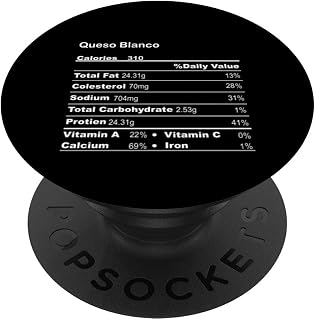
High levels of saturated fats and sodium in queso can pose significant health risks. Saturated fats are known to increase LDL (bad) cholesterol levels, which can lead to the buildup of plaque in the arteries, increasing the risk of heart disease and stroke. Additionally, excessive sodium intake can lead to high blood pressure, which is a major risk factor for cardiovascular disease, kidney disease, and other health problems.
One of the main concerns with queso is that it is often consumed in large quantities, especially when served as a dip or appetizer. This can lead to a significant increase in calorie, fat, and sodium intake, which can contribute to weight gain and other health issues if consumed regularly. Furthermore, many commercial queso products contain additional additives and preservatives that can further increase the sodium content and potentially lead to other health problems.
To mitigate these risks, it is important to consume queso in moderation and to choose healthier options when possible. For example, making queso at home using low-fat cheese and reducing the amount of salt added can help to lower the saturated fat and sodium content. Additionally, pairing queso with healthier options such as vegetables or whole-grain crackers can help to balance out the nutritional content of the meal.
It is also important to be aware of the potential risks associated with queso consumption, especially for individuals who are already at risk for heart disease or high blood pressure. Consulting with a healthcare professional can help to determine if queso is a safe option for your individual dietary needs.
In conclusion, while queso can be a delicious and enjoyable food, it is important to be aware of the potential health risks associated with its consumption. By making informed choices and consuming queso in moderation, it is possible to enjoy this popular dish while minimizing the risks to your health.
Unraveling the Truth: Is String Cheese a Healthy Snack?
You may want to see also
Explore related products


Dietary Restrictions: Not suitable for lactose intolerant individuals or those with dairy allergies
For individuals with lactose intolerance or dairy allergies, queso can be a problematic food choice. Lactose intolerance occurs when the body lacks the enzyme lactase, which is necessary to digest lactose, the primary sugar in dairy products. This can lead to symptoms such as bloating, gas, diarrhea, and stomach cramps when dairy is consumed. Dairy allergies, on the other hand, are an immune system reaction to dairy proteins, which can cause a range of symptoms from mild to severe, including hives, itching, swelling, difficulty breathing, and even anaphylaxis in extreme cases.
Queso, being a cheese-based dip, is inherently high in lactose and dairy proteins, making it unsuitable for those with these dietary restrictions. Even small amounts can trigger symptoms in sensitive individuals. It's important for those with lactose intolerance or dairy allergies to be aware of the ingredients in queso and to seek out alternative dips that do not contain dairy.
One alternative for those who cannot consume queso is to opt for dairy-free cheese products or to make a homemade version using non-dairy ingredients. There are also a variety of other dips and spreads available that do not contain dairy, such as hummus, guacamole, or salsa, which can be enjoyed without the risk of triggering lactose intolerance or dairy allergy symptoms.
In addition to being mindful of their own dietary needs, individuals with lactose intolerance or dairy allergies should also be cautious when serving food to others. It's important to clearly label any dishes that contain dairy and to provide alternative options for guests who may have similar dietary restrictions. This can help to ensure that everyone can enjoy the meal safely and comfortably.
Overall, while queso can be a delicious and popular dip, it is not suitable for those with lactose intolerance or dairy allergies. By being aware of the ingredients and seeking out alternative options, individuals with these dietary restrictions can still enjoy a variety of tasty and safe food choices.
Mozzarella and Gout: Separating Facts from Fiction
You may want to see also
Explore related products


Healthier Alternatives: Options like reduced-fat queso or plant-based alternatives can offer similar taste with fewer calories
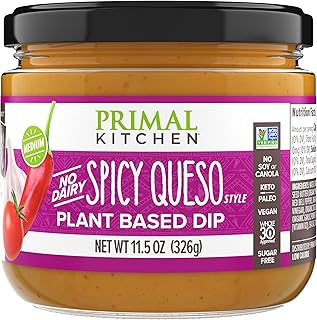
For those looking to enjoy the rich, creamy flavor of queso without the guilt, there are several healthier alternatives available. Reduced-fat queso, for instance, offers a similar taste profile with significantly fewer calories. Brands like Cabot and Alouette provide options that are both delicious and mindful of dietary restrictions. Another option is to opt for plant-based alternatives, which are not only lower in calories but also free from saturated fats. Products like Daiya's Vegan Nacho Cheese Sauce or Follow Your Heart's Vegenaise-based cheese sauces are excellent substitutes that won't compromise on flavor.
When considering healthier queso options, it's essential to pay attention to portion sizes. Even reduced-fat or plant-based versions can add up in calories if consumed in excess. A good rule of thumb is to limit your serving to about 1/4 to 1/2 cup per sitting. Additionally, pairing your queso with healthier dippers like fresh vegetables, whole-grain crackers, or baked tortilla chips can further enhance the nutritional value of your snack.
It's also worth noting that making your own queso at home can be a healthier alternative, as it allows you to control the ingredients and portion sizes. There are numerous recipes available online for homemade queso that use lower-fat cheeses, Greek yogurt, or even cashew cream as a base. By preparing your own queso, you can enjoy the flavors you love while ensuring that the ingredients align with your dietary goals.
In conclusion, while traditional queso may be high in calories and saturated fats, there are plenty of healthier alternatives available that can satisfy your cravings without compromising your health. Whether you choose reduced-fat, plant-based, or homemade options, the key is to be mindful of portion sizes and to pair your queso with nutritious dippers. By making these simple swaps, you can enjoy the delicious taste of queso while maintaining a balanced diet.
The Surprising Truth About Pimento Cheese: Health Benefits and Concerns
You may want to see also
Frequently asked questions
Yes, queso can be high in calories due to its fat content, especially if it's made with full-fat cheese and cream. A single serving can range from 100 to 300 calories, depending on the ingredients and portion size.
Queso can be high in sodium, primarily from the cheese used in its preparation. Processed cheeses often contain added salt, and even natural cheeses can have significant sodium levels. It's important to consume queso in moderation if you're watching your sodium intake.
Queso can be a good source of protein, as cheese is a dairy product that naturally contains protein. However, the protein content can vary depending on the type of cheese used and the recipe. Generally, a serving of queso can provide around 5-10 grams of protein.
Queso can be part of a healthy diet when consumed in moderation. It provides some nutritional benefits, such as protein and calcium, but it's also high in calories, fat, and sodium. To make queso a healthier option, consider using low-fat cheese, reducing the portion size, or pairing it with nutrient-dense foods like vegetables.