Bushra Griffith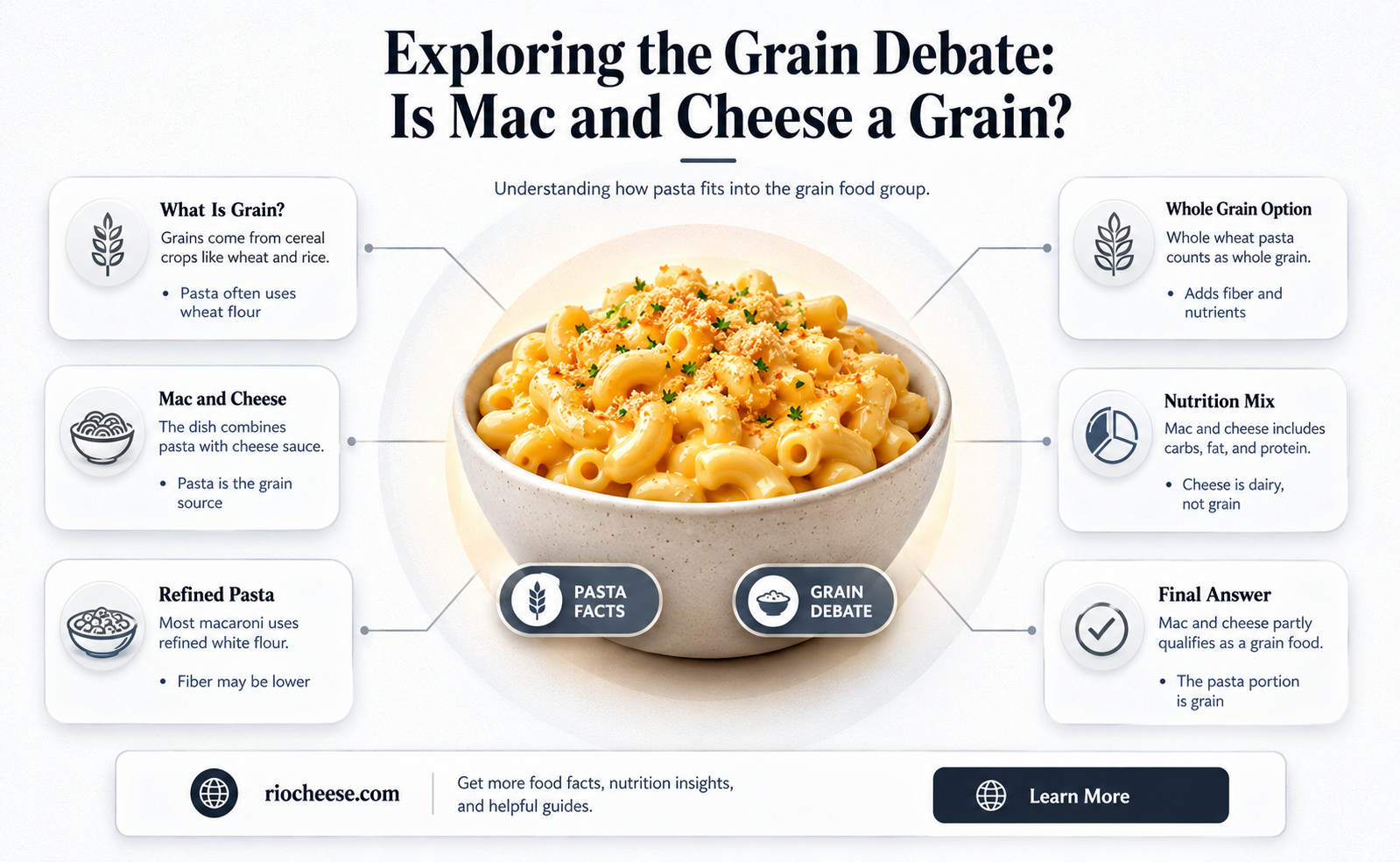
Macaroni and cheese, a beloved comfort food, is often a subject of culinary debate. While it's widely recognized for its creamy cheese sauce and tender pasta, there's a common misconception about its classification as a grain. In reality, macaroni is a type of pasta made from wheat flour, which does indeed classify it as a grain product. Grains are the seeds of grasses cultivated for food, and wheat is one of the most common grains used in pasta production. Therefore, mac and cheese can be considered a grain-based dish, providing a delicious way to incorporate this essential food group into one's diet.
Explore related products


What You'll Learn
- Mac and Cheese Ingredients: Understanding the components of mac and cheese, focusing on the presence of grains
- Grain Content Analysis: Evaluating the nutritional content, specifically the grain components, in different mac and cheese recipes
- Health Implications: Discussing the health benefits and concerns related to grain consumption in mac and cheese
- Culinary Perspective: Exploring how grains affect the texture, flavor, and overall culinary experience of mac and cheese
- Dietary Considerations: Addressing how mac and cheese fits into various diets, particularly those with grain restrictions or preferences

Mac and Cheese Ingredients: Understanding the components of mac and cheese, focusing on the presence of grains
Macaroni and cheese, commonly referred to as mac and cheese, is a beloved comfort food that has been a staple in many households for generations. At its core, this dish consists of two primary ingredients: macaroni pasta and cheese sauce. The macaroni pasta, which gives the dish its name, is typically made from wheat flour, water, and sometimes eggs. This means that macaroni, and by extension mac and cheese, does indeed contain grains, specifically wheat.
The cheese sauce, which coats the macaroni and adds its rich, creamy texture, is usually made from a combination of cheese, milk, butter, and flour. While the cheese and milk contribute to the sauce's flavor and consistency, the flour is used as a thickening agent. This flour, like the macaroni, is often derived from wheat, further emphasizing the presence of grains in the dish.
In addition to these basic components, many recipes for mac and cheese include other ingredients to enhance flavor and texture. These can include breadcrumbs, which are often used to create a crispy topping, as well as various seasonings and spices. Some variations of the dish may also incorporate vegetables, meats, or other types of pasta, but the fundamental elements of macaroni and cheese sauce remain constant.
It's worth noting that while traditional mac and cheese recipes rely on wheat-based ingredients, there are alternatives available for those with dietary restrictions. For example, gluten-free pasta and flour can be used to create a grain-free version of the dish. However, these alternatives typically still contain other types of grains or starches, such as rice or corn, to mimic the texture and structure of wheat-based products.
In conclusion, mac and cheese is a grain-based dish, primarily due to the presence of wheat in both the macaroni pasta and the cheese sauce. While there are ways to modify the recipe to accommodate different dietary needs, the traditional version of this comfort food is inherently linked to grains.
Savoring Comfort: The Perfect Mac 'n' Cheese Serving Size
You may want to see also
Explore related products


Grain Content Analysis: Evaluating the nutritional content, specifically the grain components, in different mac and cheese recipes
Analyzing the grain content in mac and cheese recipes reveals significant variations in nutritional value. Whole grain pasta, for instance, increases the fiber content substantially compared to traditional white pasta. A 100-gram serving of whole grain pasta contains approximately 7 grams of dietary fiber, whereas the same serving of white pasta contains only about 2 grams. This difference is crucial for individuals aiming to increase their fiber intake for better digestive health.
Moreover, the type of grain used in the pasta can also impact the glycemic index (GI) of the dish. Whole grain pastas generally have a lower GI, leading to a slower release of glucose into the bloodstream, which is beneficial for maintaining stable blood sugar levels. In contrast, white pasta has a higher GI, causing a rapid spike in blood sugar. This distinction is particularly important for people with diabetes or those monitoring their carbohydrate intake.
In addition to pasta, some mac and cheese recipes incorporate other grain-based ingredients, such as breadcrumbs or crackers, to enhance texture and flavor. These additions can further influence the grain content and nutritional profile of the dish. For example, using whole grain breadcrumbs instead of white breadcrumbs can add extra fiber and nutrients.
When evaluating the grain content in different mac and cheese recipes, it's essential to consider both the type and amount of grain used. A recipe that uses whole grain pasta but also includes a significant amount of white breadcrumbs may have a mixed nutritional profile. Therefore, a comprehensive analysis should take into account all grain-based ingredients to provide an accurate assessment of the dish's nutritional value.
In conclusion, the grain content in mac and cheese recipes can vary widely, impacting the dish's nutritional profile significantly. By choosing whole grain pasta and other whole grain ingredients, one can create a healthier version of this classic comfort food. This analysis highlights the importance of considering grain type and content when evaluating the nutritional value of mac and cheese recipes.
Exploring the Cost of Comfort: How Expensive Is Mac and Cheese?
You may want to see also
Explore related products

![Goodles Cheddy Mac Creamy Cheddar and Macaroni Pasta - Nutrient Packed with Real Cheese, Fiber, Protein, Prebiotics, Plants, & Vegetables | Non-GMO, Organic Ingredients [Cheddy Mac, 6 oz. 1 Pack]](https://m.media-amazon.com/images/I/71WpxmocD7L._AC_UL320_.jpg)


Health Implications: Discussing the health benefits and concerns related to grain consumption in mac and cheese
Macaroni and cheese, a beloved comfort food, is primarily composed of pasta, which is indeed a grain product. Grains, such as wheat, are staple foods in many diets and offer several health benefits. They are rich in carbohydrates, which provide energy, and can be good sources of fiber, vitamins, and minerals. However, the health implications of grain consumption in mac and cheese are multifaceted.
On the positive side, whole grain pasta varieties can increase the fiber content of mac and cheese, aiding in digestion and promoting satiety. Fiber is essential for maintaining healthy blood sugar levels and can help lower cholesterol. Additionally, grains contain B vitamins, iron, and magnesium, which are crucial for various bodily functions, including energy metabolism and nerve function.
Conversely, refined grains, which are commonly used in traditional mac and cheese recipes, have had their bran and germ layers removed, resulting in a loss of fiber and nutrients. This can lead to a higher glycemic index, causing blood sugar levels to spike more rapidly. Overconsumption of refined grains has been linked to an increased risk of obesity, type 2 diabetes, and heart disease.
Moreover, the cheese sauce in mac and cheese, while not a grain product, contributes significantly to the dish's overall health profile. Cheese is high in saturated fat and sodium, which can increase the risk of cardiovascular disease when consumed in excess. However, it is also a good source of calcium and protein.
To make mac and cheese a healthier option, one can opt for whole grain pasta and moderate the amount of cheese sauce. Adding vegetables, such as broccoli or spinach, can further enhance the nutritional value by providing additional vitamins, minerals, and fiber.
In conclusion, while mac and cheese can be a part of a balanced diet, it is essential to consider the type of grains used and the overall composition of the dish. By making mindful choices, one can enjoy this comfort food while reaping the health benefits of grains and mitigating potential concerns.
Mac and Cheese Math: Feeding a Crowd on a Budget
You may want to see also
Explore related products


Culinary Perspective: Exploring how grains affect the texture, flavor, and overall culinary experience of mac and cheese
The culinary experience of mac and cheese is deeply intertwined with the choice of grain used in its preparation. From a texture standpoint, the type of grain can dramatically alter the mouthfeel of the dish. For instance, using whole wheat pasta can result in a chewier, more robust texture compared to the soft, tender bite of traditional white pasta. This difference in texture can influence the overall satisfaction derived from the dish, as some consumers prefer a heartier, more substantial feel, while others enjoy the classic, comforting softness.
In terms of flavor, grains can impart unique notes that enhance or detract from the taste of mac and cheese. Whole grain pastas often have a nuttier, earthier flavor profile that can complement the richness of the cheese sauce. Conversely, some alternative grains like quinoa or farro might introduce a slightly bitter or grassy undertone, which could clash with the creamy, savory character of the dish. Understanding these flavor nuances is crucial for chefs and home cooks aiming to create a harmonious balance of tastes.
The choice of grain also affects the nutritional value of mac and cheese. Whole grains are generally higher in fiber, protein, and various vitamins and minerals compared to refined grains. This means that opting for a whole grain pasta can transform mac and cheese from a purely indulgent treat into a more balanced meal. However, it's important to note that the increased nutritional content may come at the cost of altered texture and flavor, which could be a trade-off for some consumers.
From a culinary perspective, exploring different grains in mac and cheese can lead to exciting innovations and discoveries. Chefs might experiment with ancient grains like spelt or kamut to create unique flavor profiles, or use gluten-free options like rice or corn pasta to cater to dietary restrictions. The key is to understand how each grain interacts with the other ingredients in the dish, particularly the cheese sauce, to achieve the desired culinary outcome.
In conclusion, the choice of grain in mac and cheese is not merely a matter of personal preference; it has significant implications for the texture, flavor, and nutritional content of the dish. By carefully selecting and experimenting with different grains, cooks can elevate the humble mac and cheese to new heights, creating a culinary experience that is both satisfying and sophisticated.
Comfort Food Cravings: Mac and Cheese After Tooth Extraction?
You may want to see also
Explore related products


Dietary Considerations: Addressing how mac and cheese fits into various diets, particularly those with grain restrictions or preferences
For individuals following a gluten-free diet, traditional mac and cheese made with wheat pasta is off-limits. However, there are numerous gluten-free pasta alternatives available, such as those made from rice, corn, or quinoa. These options allow people with celiac disease or gluten sensitivity to enjoy mac and cheese without compromising their dietary needs. It's important to note that while the pasta may be gluten-free, the cheese sauce should also be checked for any gluten-containing ingredients, as some recipes may use wheat flour as a thickener.
In the case of low-carb or ketogenic diets, mac and cheese can be a challenge due to the high carbohydrate content of pasta. To accommodate these diets, one can substitute the pasta with low-carb alternatives like zucchini noodles, spaghetti squash, or even cauliflower. These vegetables can be prepared to mimic the texture of pasta while significantly reducing the carb content. Additionally, using a cheese sauce made with cream and butter instead of milk can further reduce the carbohydrate count, making it more suitable for those following a strict low-carb regimen.
For those with grain preferences rather than restrictions, mac and cheese can be tailored to suit individual tastes. Whole grain pasta is an excellent option for people looking to increase their fiber intake while still enjoying the comfort of mac and cheese. Ancient grain pasta, such as those made from spelt or kamut, can add a unique flavor and texture to the dish. These alternatives not only cater to dietary preferences but also provide additional nutrients compared to traditional white pasta.
When considering dietary restrictions or preferences, it's crucial to pay attention to the nutritional content of the ingredients used in mac and cheese. For example, some cheese sauces may contain added sugars or artificial ingredients that could be detrimental to certain diets. Opting for homemade cheese sauces using natural ingredients can help ensure that the dish aligns with specific dietary guidelines. Additionally, incorporating vegetables or lean proteins into the mac and cheese can enhance its nutritional profile, making it a more balanced meal option for various dietary needs.
In conclusion, mac and cheese can be adapted to fit a wide range of dietary considerations, from gluten-free and low-carb to whole grain and beyond. By choosing the right pasta alternatives and paying attention to the ingredients in the cheese sauce, individuals can enjoy this classic comfort food while adhering to their specific dietary requirements or preferences.
Elevate Your Mac and Cheese: The Smoked Gruyère Twist
You may want to see also
Frequently asked questions
Mac and cheese is not considered a grain itself, but it typically contains grains as a primary ingredient. The pasta used in mac and cheese is usually made from wheat flour, which is a grain.
Mac and cheese can provide several nutritional benefits. It is a good source of carbohydrates from the pasta, which can provide energy. The cheese offers protein and calcium, which are essential for muscle and bone health. However, it is also high in calories and fat, so moderation is key.
Yes, mac and cheese can be part of a balanced diet when consumed in moderation. It is important to balance it with other food groups such as vegetables, fruits, lean proteins, and whole grains to ensure a well-rounded intake of nutrients.
Yes, there are several healthier alternatives to traditional mac and cheese. You can use whole wheat pasta instead of regular pasta to increase the fiber content. Additionally, you can make a lighter cheese sauce using low-fat milk and cheese, or even use a cauliflower-based sauce for a lower-calorie option. Adding vegetables like broccoli or spinach can also boost the nutritional value.


![Goodles Shella Good Aged White Cheddar and Shells Pasta - Nutrient Packed with Real Cheese, Fiber, Protein, Prebiotics, Plants, & Vegetables | Non-GMO, Organic Ingredients [Shella Good, 6 oz. 1 Pack]](https://m.media-amazon.com/images/I/71VMu-NnBHL._AC_UL320_.jpg)